CN Electronics
High-reliability AC/DC converters, DIN-Rail supplies, and custom PDU sub-assemblies certified for global industrial deployments.
As artificial intelligence workloads, hyper-scale cloud data centers, and automated manufacturing facilities demand unprecedented power density, selecting the right Power Distribution Unit (PDU) manufacturer is a strategic imperative for global infrastructure architects.
The global energy landscape is undergoing a systemic shift toward high-density distribution and intelligent power monitoring. Modern data center cabinets, which previously operated within 5kW to 10kW thermal boundaries, now routinely push 30kW to 100kW per rack due to high-density GPU computing and liquid-cooling architectures. At the heart of this power chain resides the Power Distribution Unit (PDU)—the critical nervous system responsible for voltage regulation, phase balancing, circuit protection, and telemetry monitoring.
China has emerged as the premier manufacturing ecosystem for high-spec PDUs and switching power supply (SMPS) sub-assemblies. Leveraging deep component supply integration, rapid PCB prototyping, and fully automated SMT lines, leading Chinese OEM/ODM exporters provide international buyers with high-performance electrical hardware that complies with strict global standards such as IEC 62368-1, UL 62368, CE, FCC, and RoHS.
Understanding the transition from basic power strips to intelligent, AI-managed power distribution architectures.
Hyperscale AI clusters equipped with GPU racks generate massive dynamic current spikes. Traditional basic PDUs are incapable of handling these severe load profiles. Modern intelligent PDUs (iPDUs) incorporate high-bandwidth current sensors, active Power Factor Correction (PFC), and fast-acting circuit protection to mitigate harmonic distortion and prevent upstream breaker trips.
Modern enterprise procurement demands outlet-level monitoring and switching. Networked PDUs running SNMPv3, Modbus-RTU, or Redfish RESTful APIs allow data center operators to perform remote soft-boots, measure real-time Power Usage Effectiveness (PUE), and prevent thermal runaways via embedded environmental sensor ports.
To ensure 99.999% uptime, next-gen PDUs utilize modular, hot-swappable intelligence communications modules (iPDUs) and replaceable circuit breakers. Maintenance teams can replace control boards or upgrade communication protocols without cutting power to mission-critical servers during live operations.
How Fortune 500 procurement teams and system integrators vet Chinese PDU factories for high-reliability contracts.
Sourcing power distribution infrastructure from overseas manufacturers requires rigorous technical scrutiny. Procurement directors must look beyond unit costs to evaluate total cost of ownership (TCO), material quality, thermal endurance, and regulatory certification depth. Below are the key engineering specifications evaluated during factory audits:
| PDU Type / Power Class | Target Application | Key Engineering Specs | Critical Compliance Standards |
|---|---|---|---|
| Basic Rack PDU | Standard IT Racks, Telecom Closets | 16A-32A, 100-240V, Aluminum Chassis, Industrial Sockets | UL 60950-1, CE, IEC 60320 |
| Metered Rack PDU (Input/Outlet) | Enterprise Data Centers, Co-location | ±1% Billing Grade Accuracy, OLED Display, Ethernet SNMP | IEC 62368-1, EN 55032 Class B |
| Switched Smart iPDU | Hyperscale Cloud, Remote Unmanned Sites | Per-Outlet Switching, Latching Relays, Environmental Monitoring | FCC Part 15, IEEE 802.3af, RoHS |
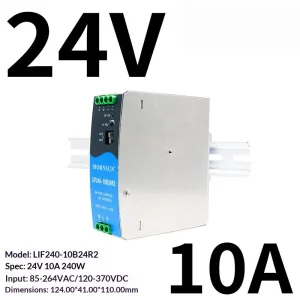
| Industrial DIN-Rail Power (SMPS) | Automation, SCADA, Explosive Zones | 85-264VAC Input, Active PFC, 94%+ Efficiency, Wide Temp (-40~85°C) | ATEX / IECEx Zone 2, IEC60079, UL 508 |
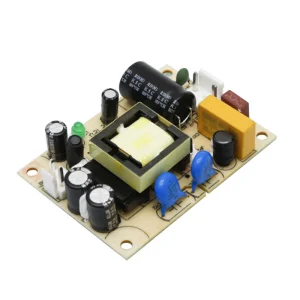
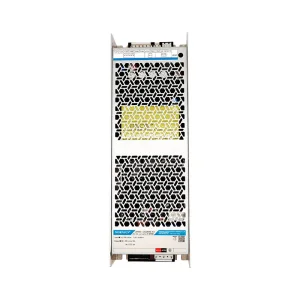
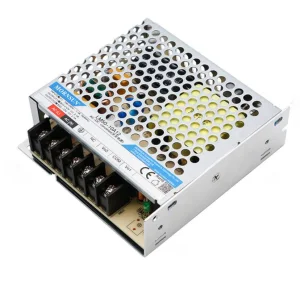
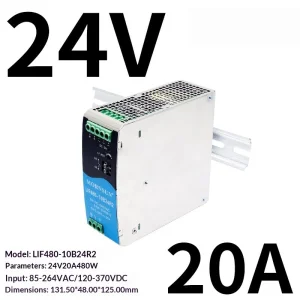
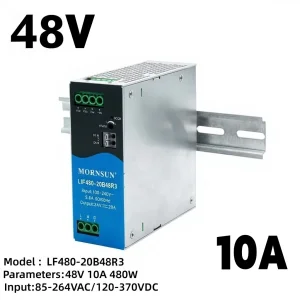
Leading exporters like CN Electronics ensure that every power module—from basic AC/DC switching power supplies to advanced high-power DIN-Rail units like the Mornsun LIF480 series—undergoes strict insulation resistance testing, digital oscilloscope signal verification, and full-load burn-in aging prior to packaging.
The operational advantages of manufacturing in Shenzhen's world-leading electronics cluster.
From raw copper busbar stamping and heavy-duty metal enclosure fabrication to SMT component placement and firmware loading, Shenzhen’s dense ecosystem dramatically shortens NPI (New Product Introduction) cycles from months to days.
State-of-the-art facilities implement automated optical inspection (AOI), wave soldering with inert nitrogen purge, and 100% full-load thermal burn-in racks. This ensures long Mean Time Between Failures (MTBF) under harsh operational conditions.
Global buyers require specialized forms, custom wire harnesses, and specific receptacle mix (C13, C19, NEMA, Schuko). Chinese exporters offer end-to-end mechanical and electrical customization tailored to regional power grids.
Bridging the gap between complex hardware designs and global market delivery.
Founded in 2006 and headquartered in Shenzhen, China, CN Electronics is a leading, technology-driven manufacturer specializing in high-precision electronics, custom circuitry, and comprehensive OEM/ODM solutions. We bridge the gap between complex hardware blueprints and market-ready products for tech innovators worldwide.
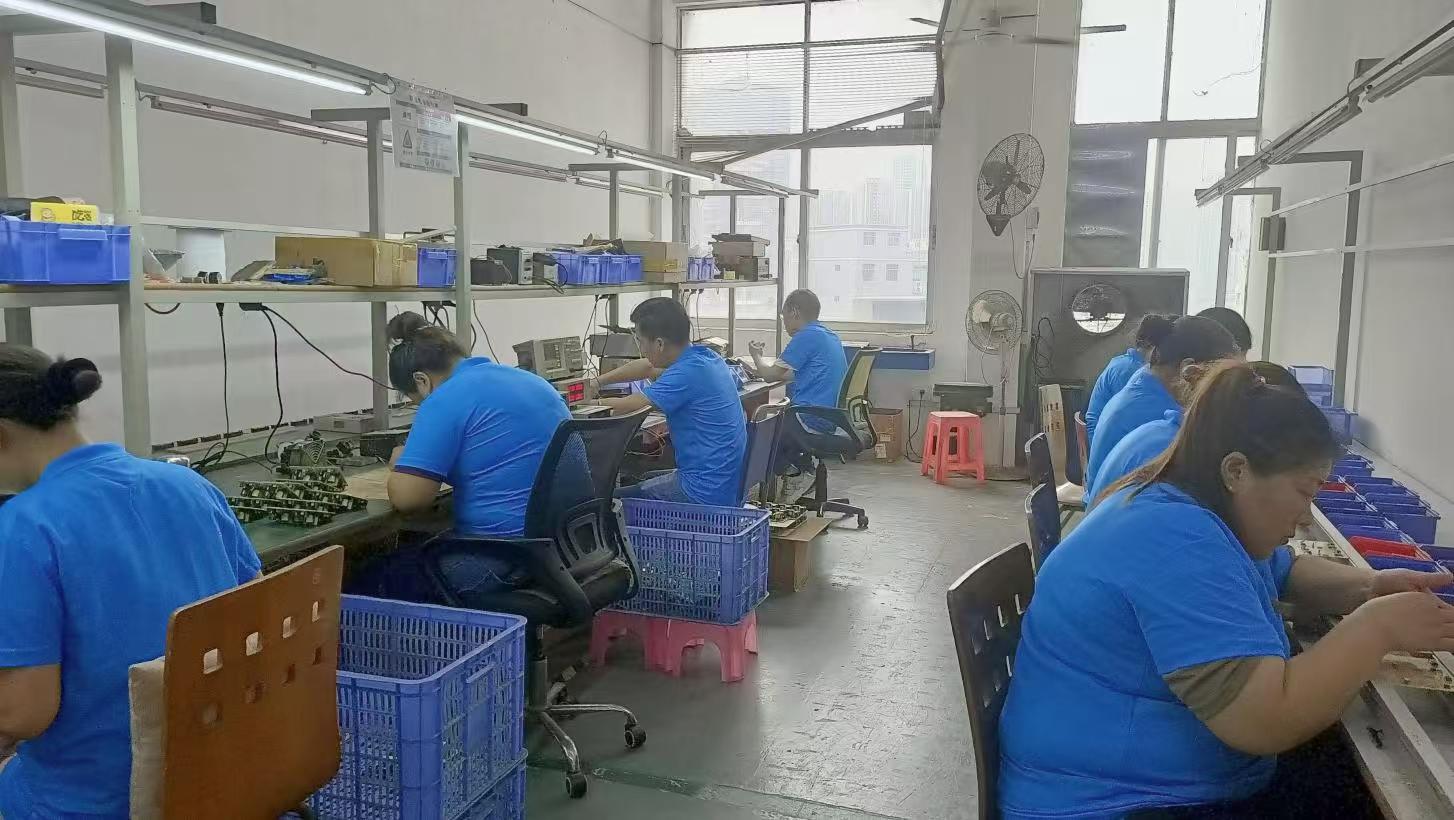
With a state-of-the-art production facility spanning over 10000 square meters, we integrate advanced automated assembly lines with rigorous quality control protocols. Our core capabilities cover the entire product lifecycle—including rapid PCB prototyping, component sourcing, high-volume SMT placement, and final system integration certified under [ISO9001/CE/FCC etc.].
 Factory Facility
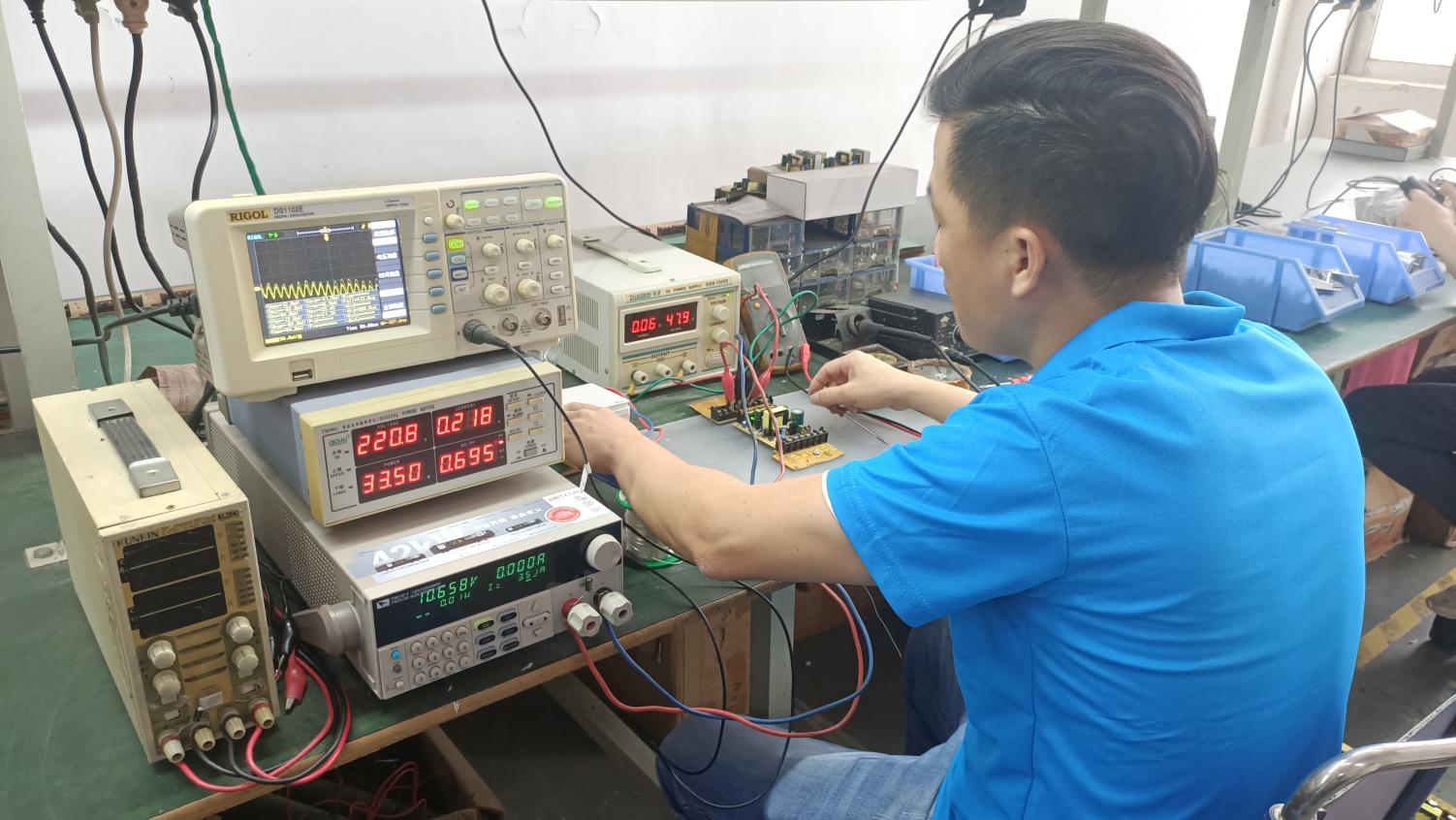 High-Speed SMT Assembly
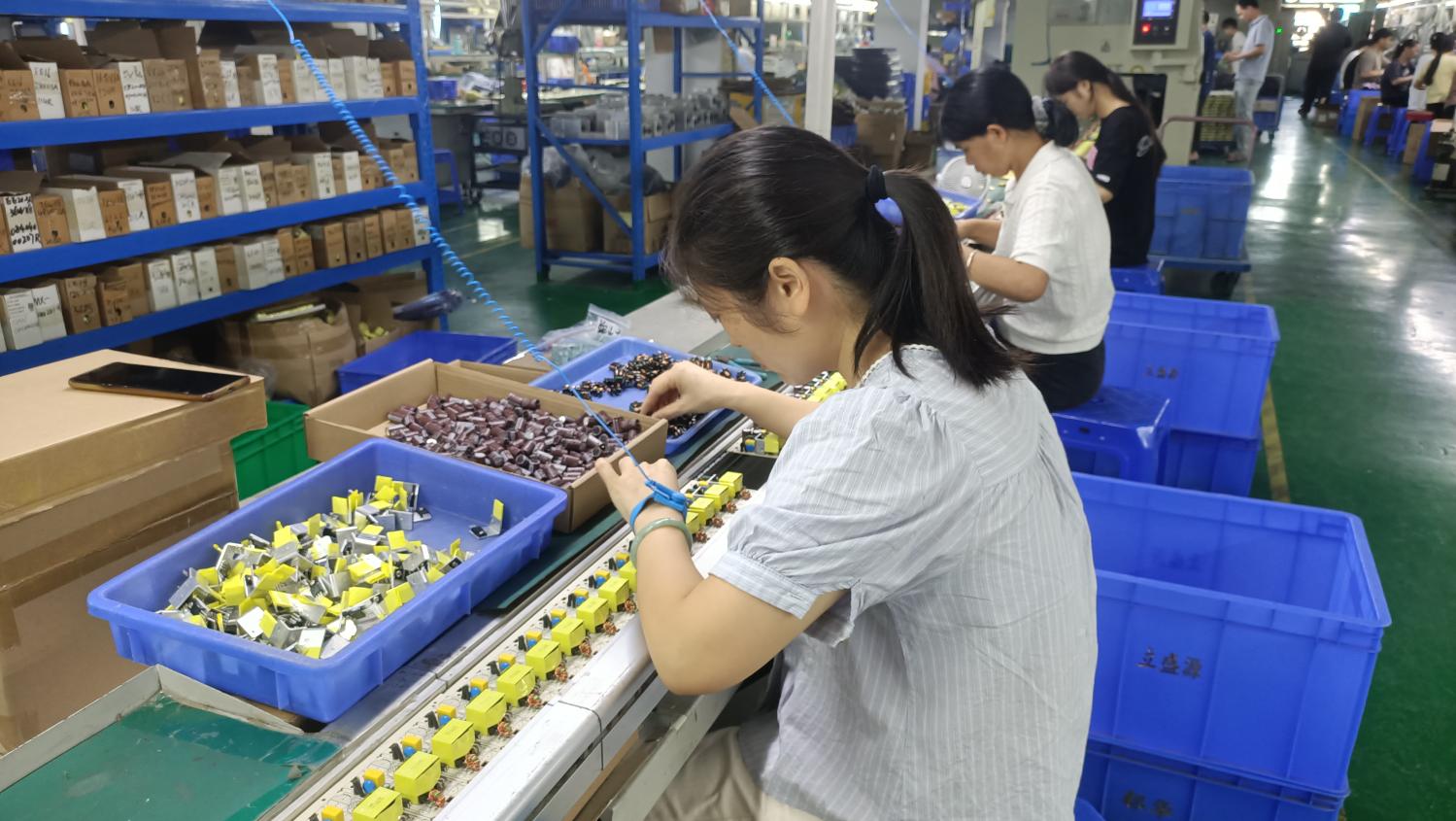 DIP Component Insertion
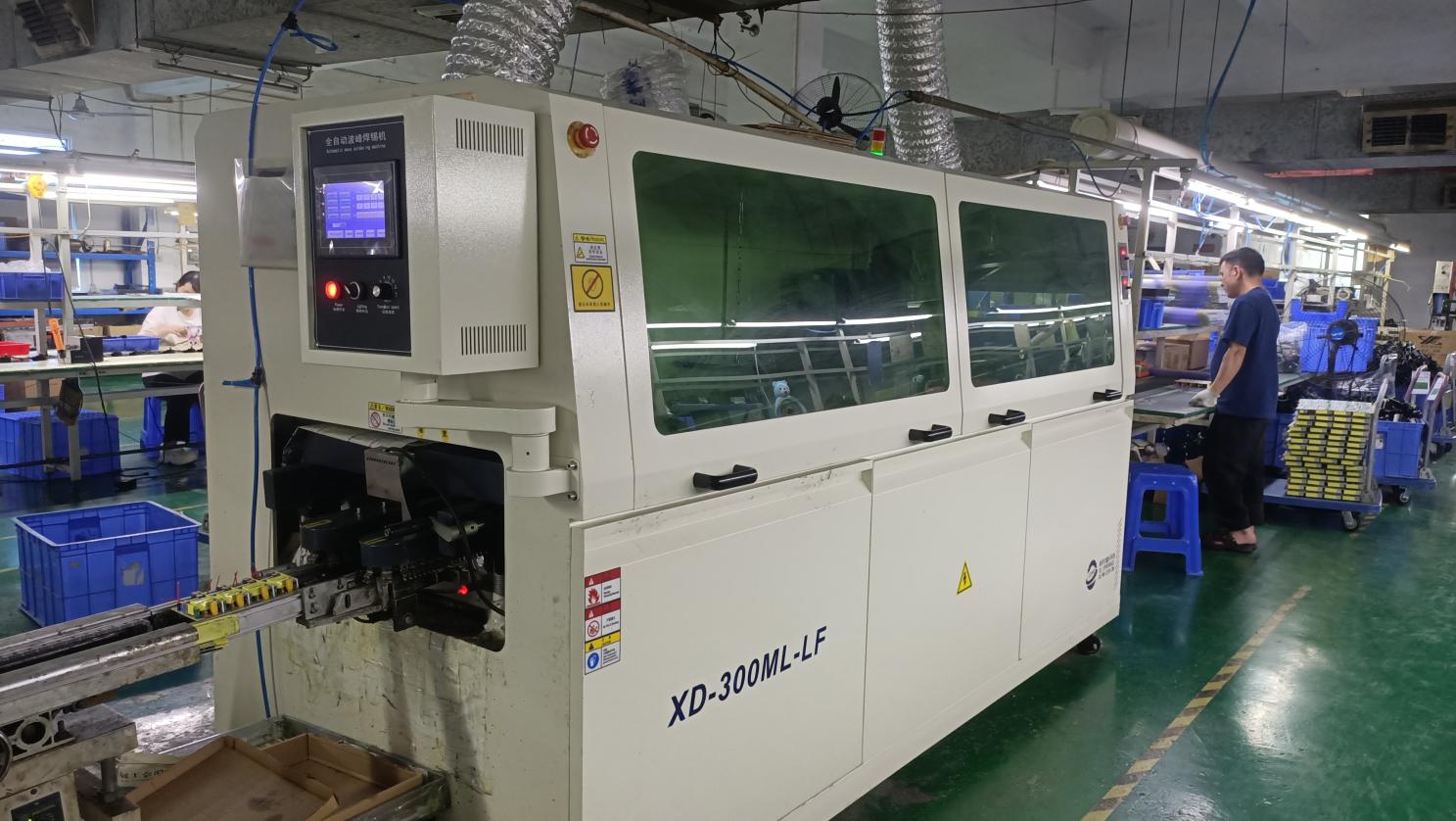 Wave Soldering Line
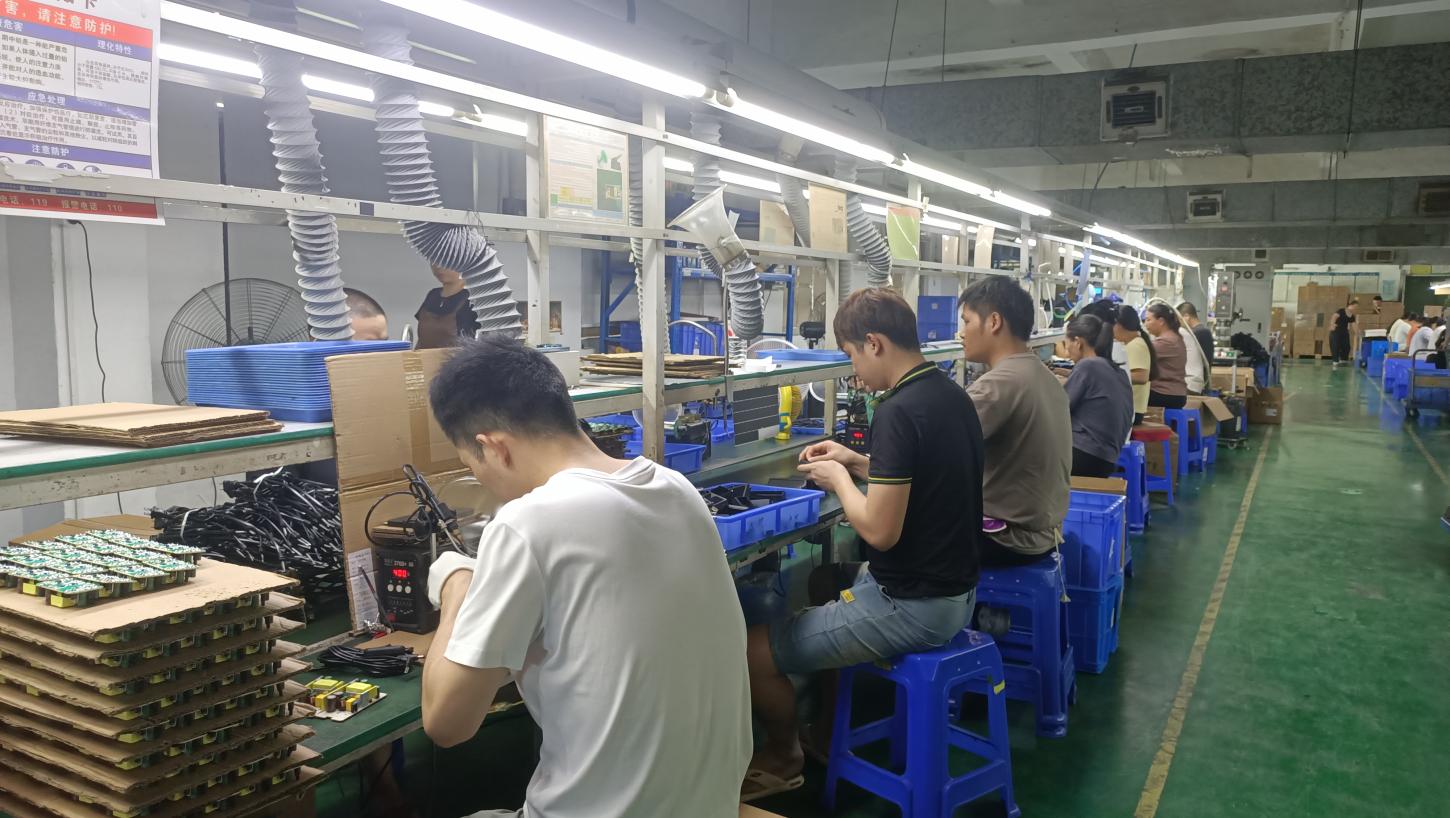 Manual & Semi-Auto Assembly
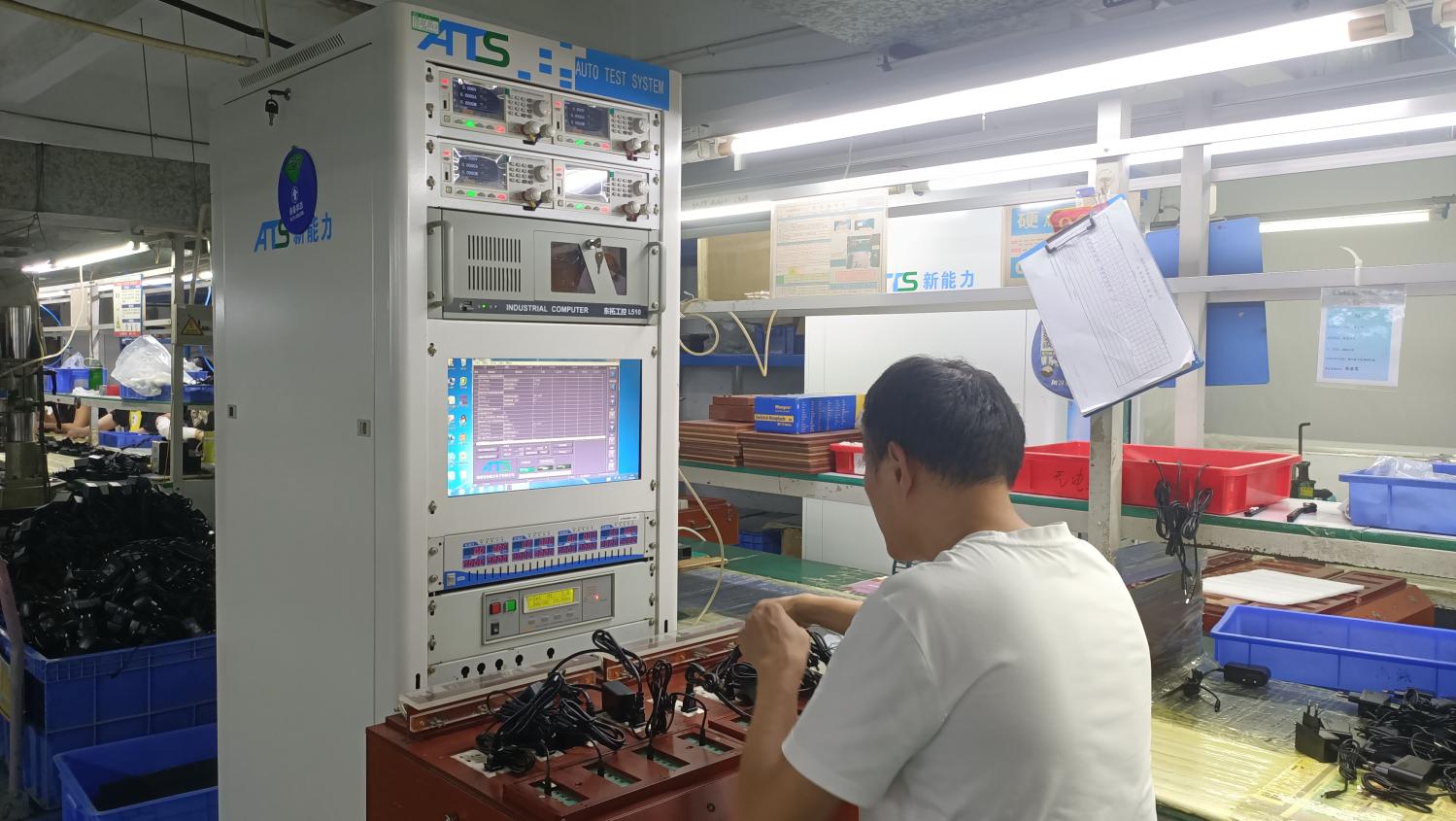 In-Line Quality Testing
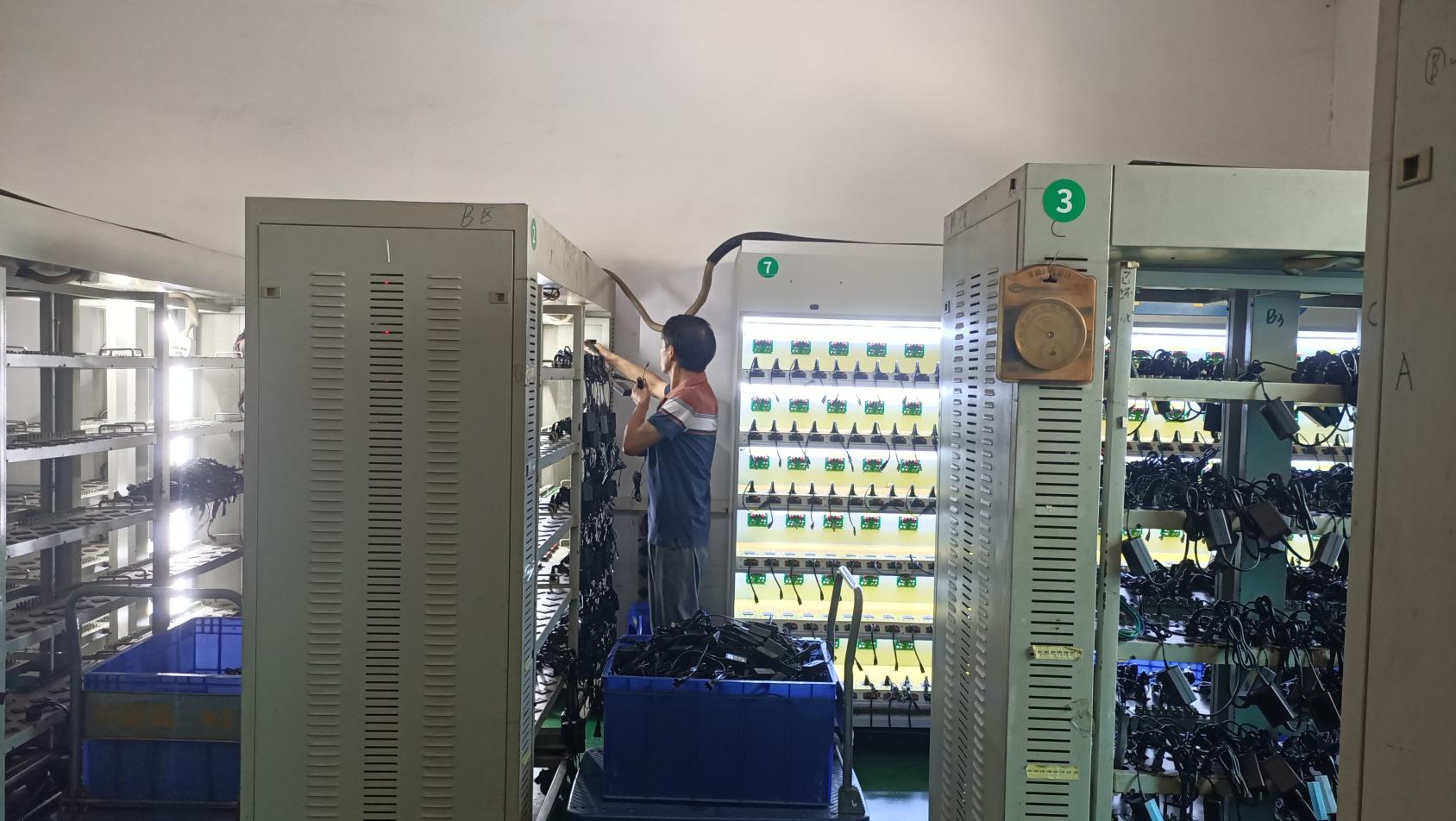 Full Load Burn-In Aging
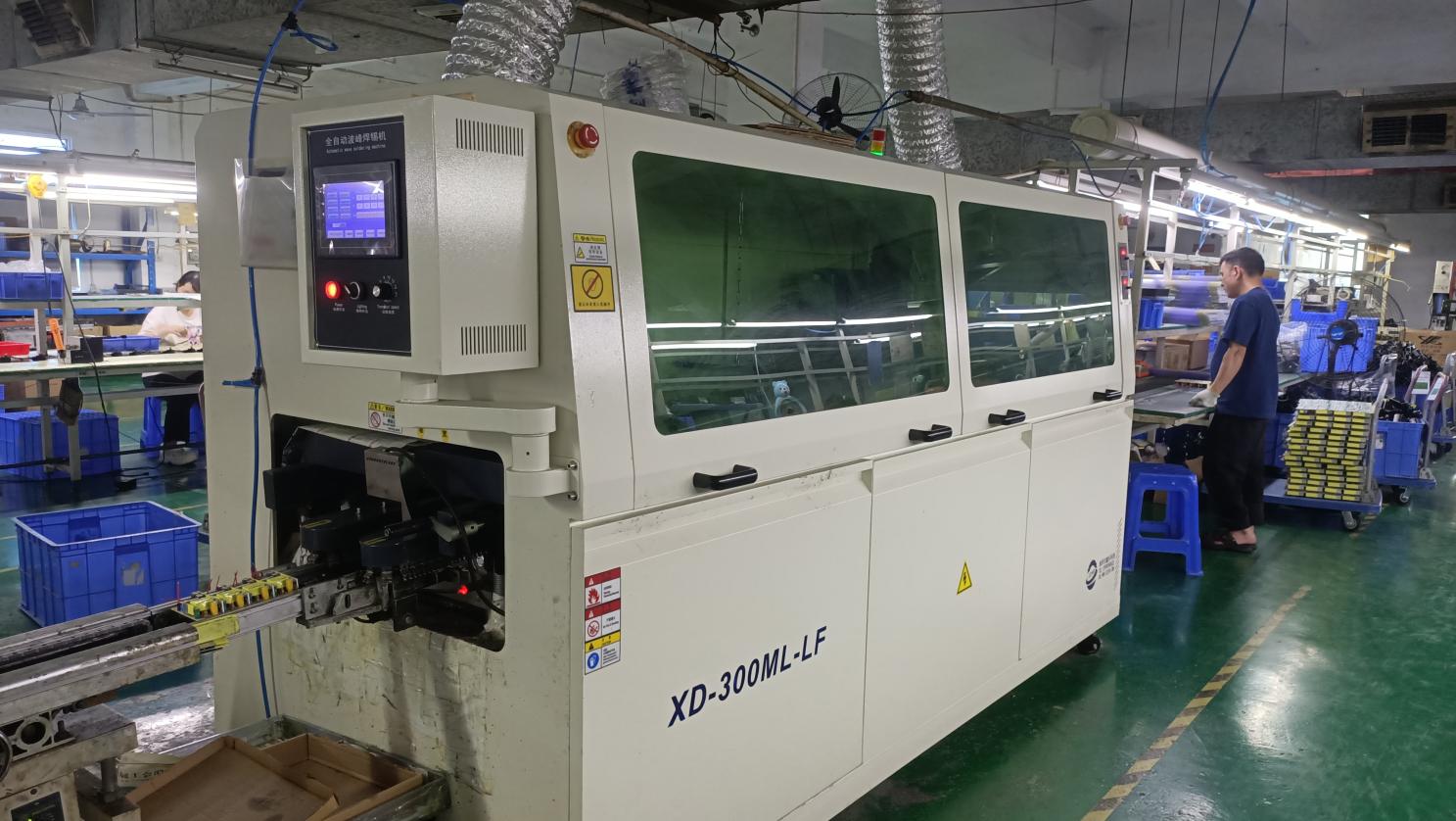 Wave Soldering Machine
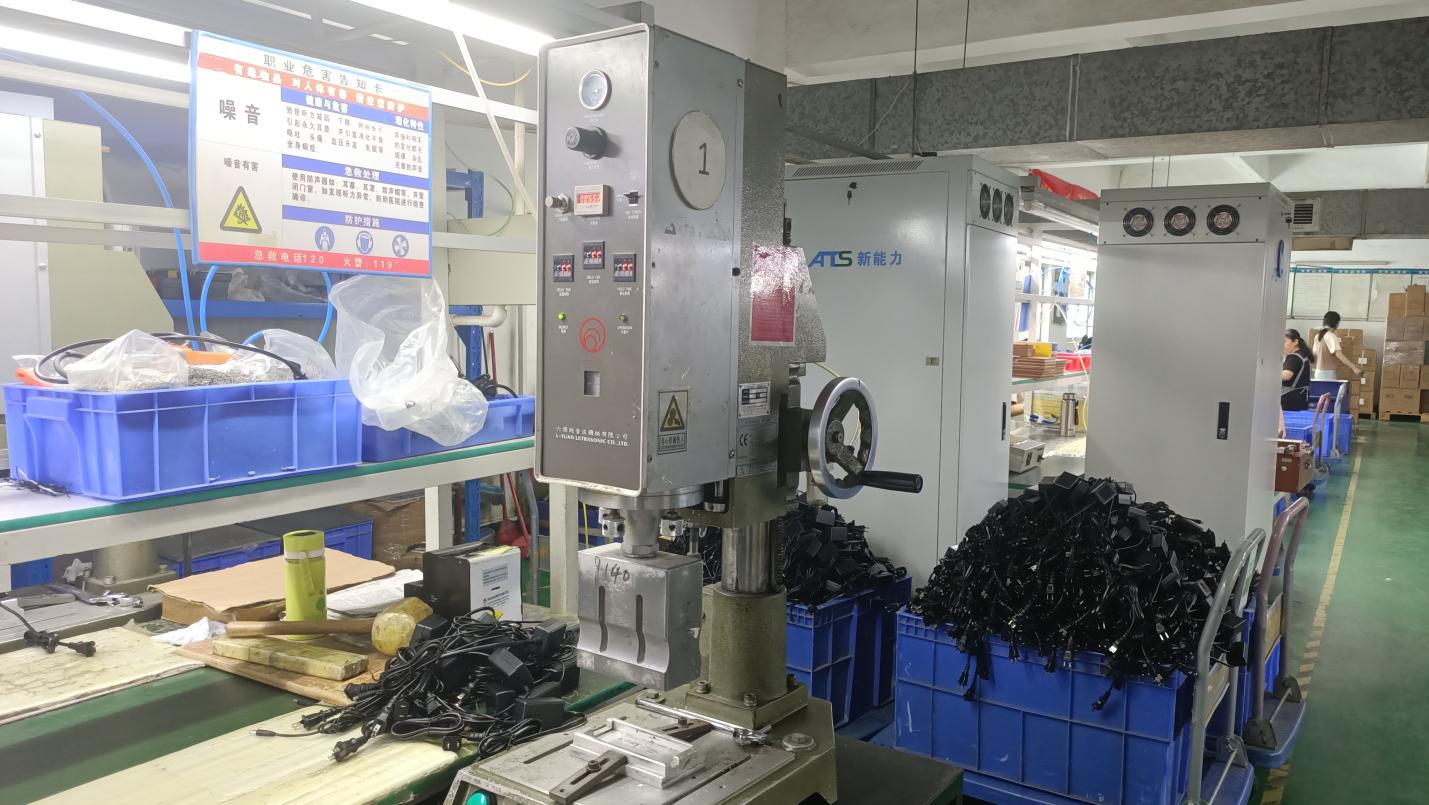 Ultrasonic Welding Machine
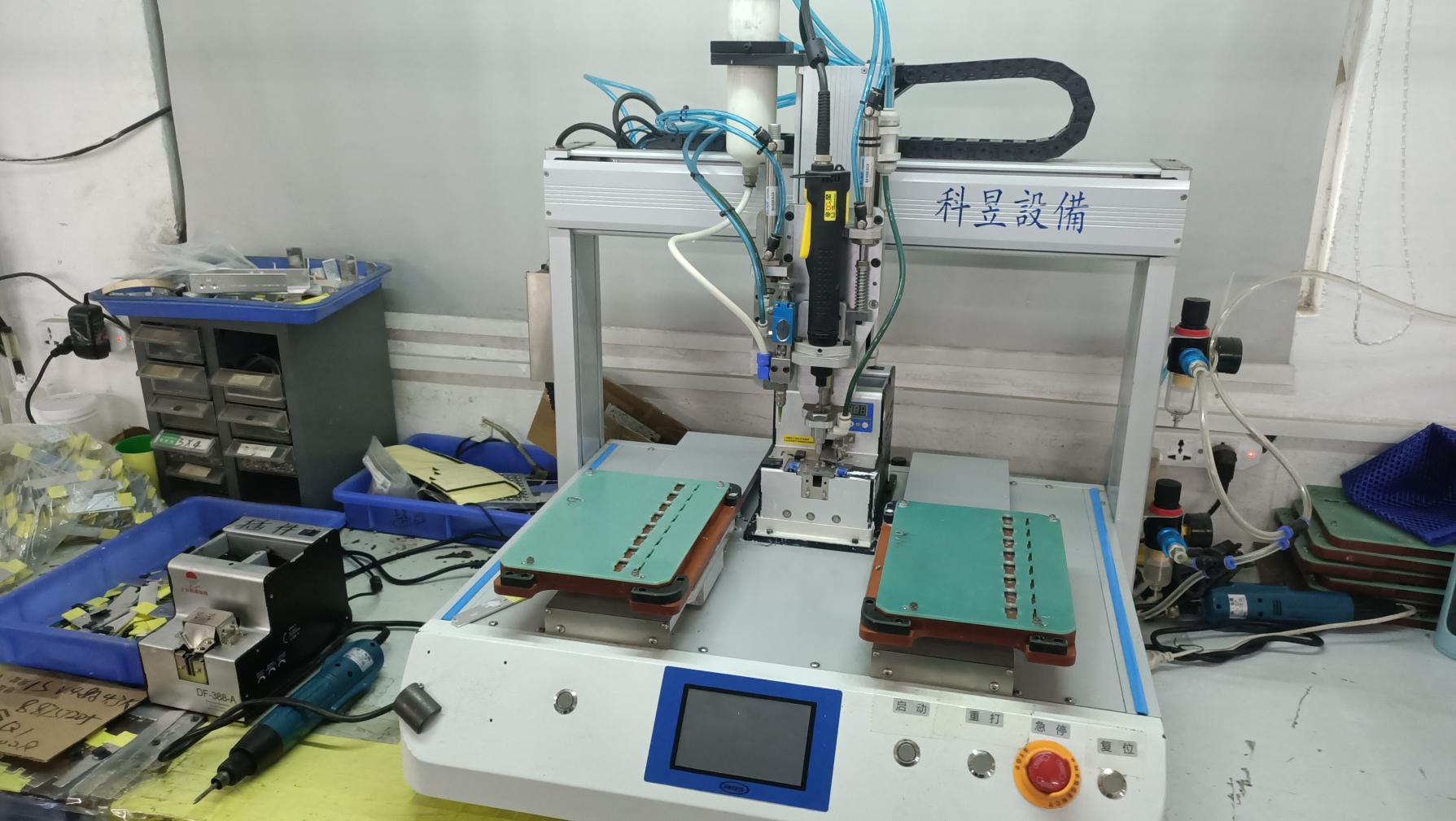 Automatic Screwing Machine
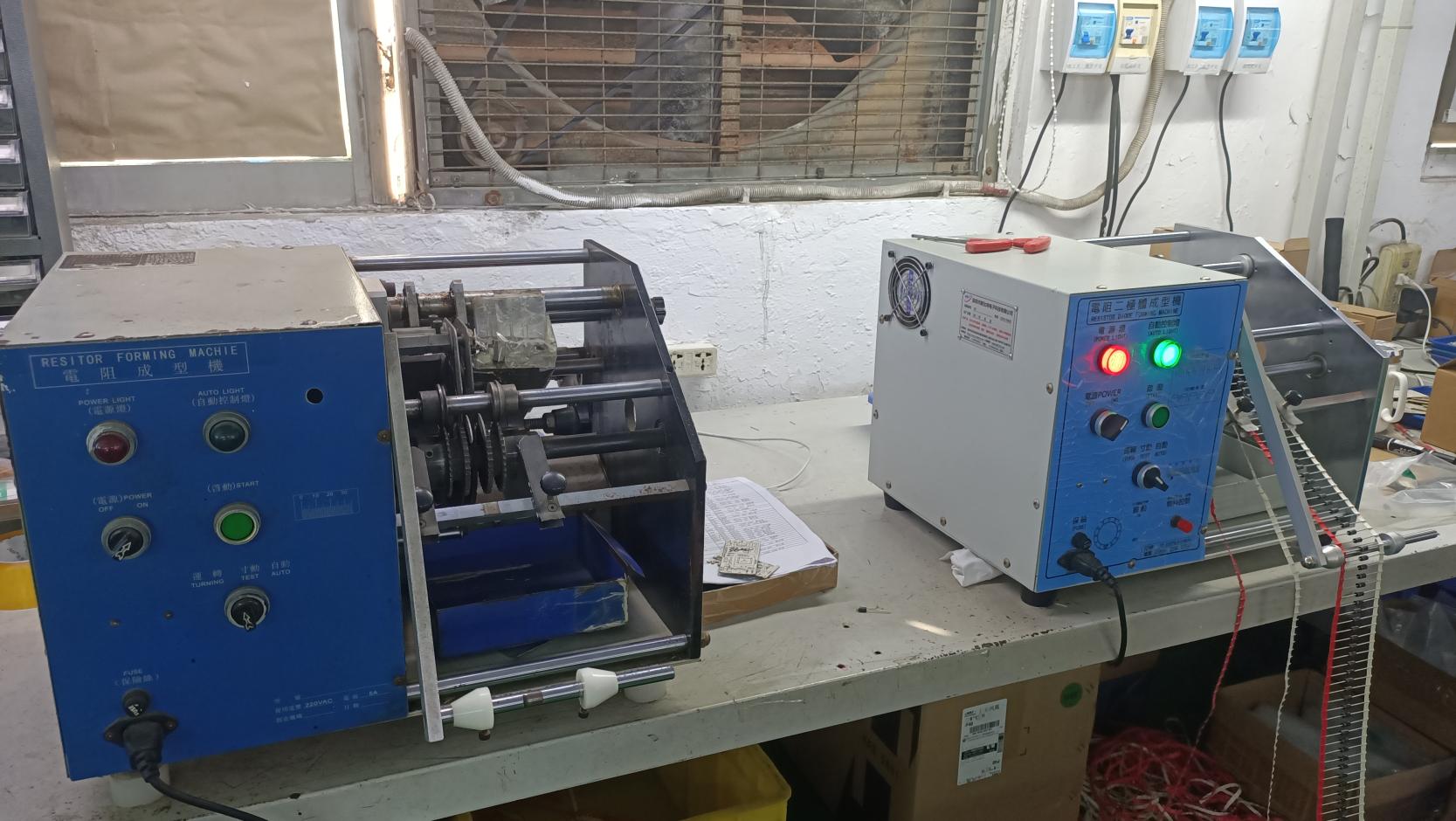 Resistance Molding Machine
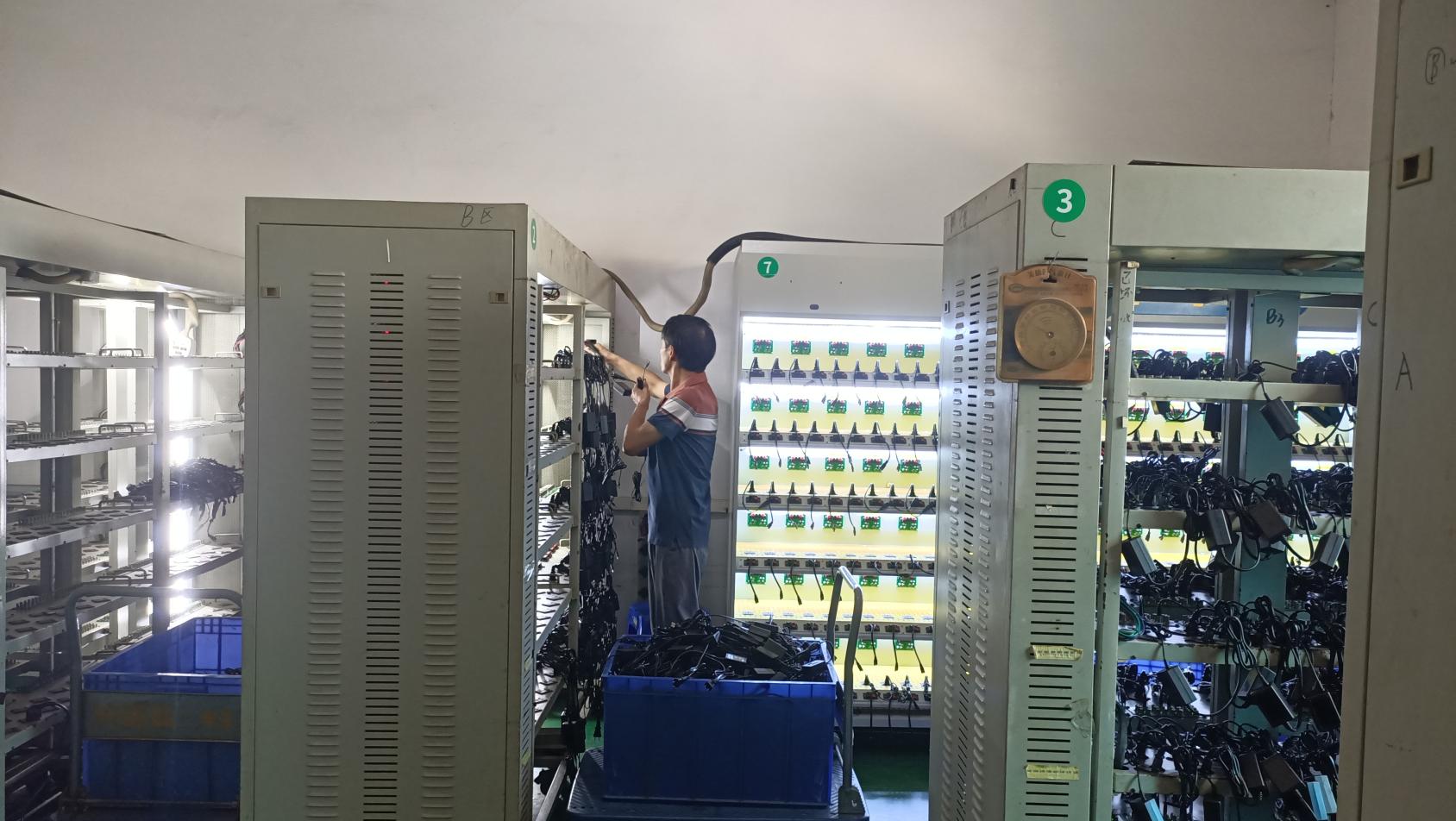 Temperature Controlled Aging
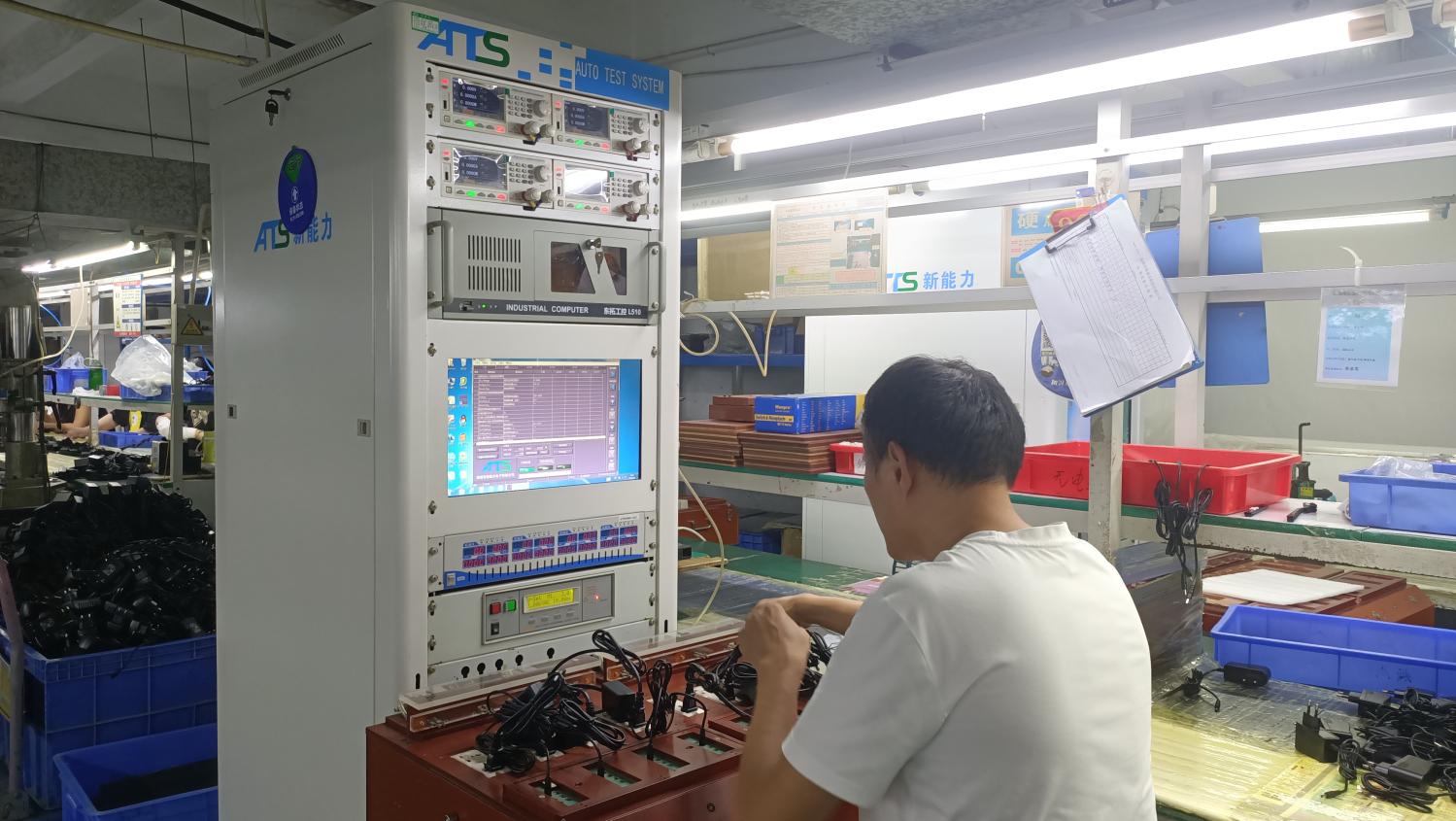 Precision Instrument Testing
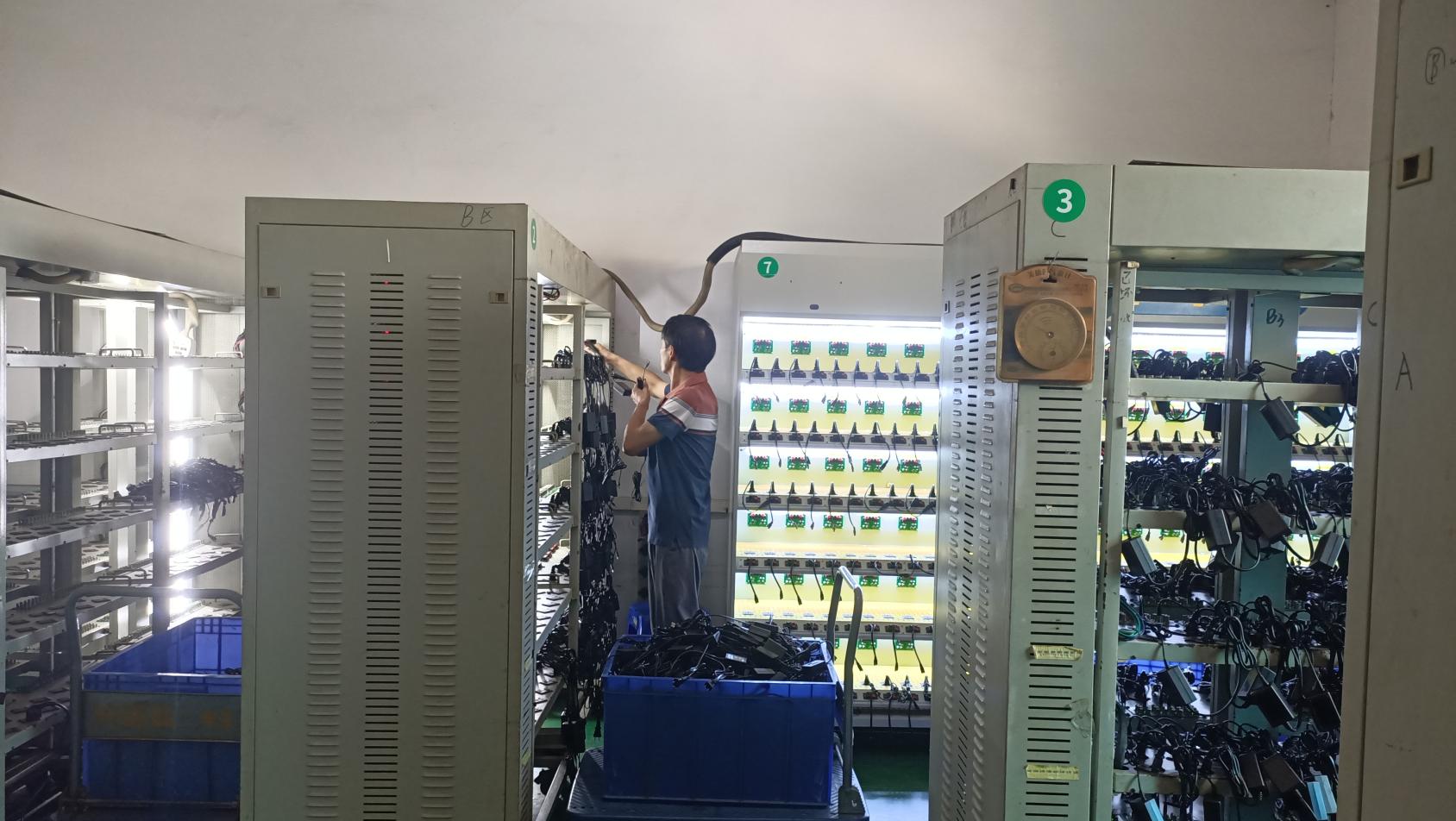 High-Density Aging Racks
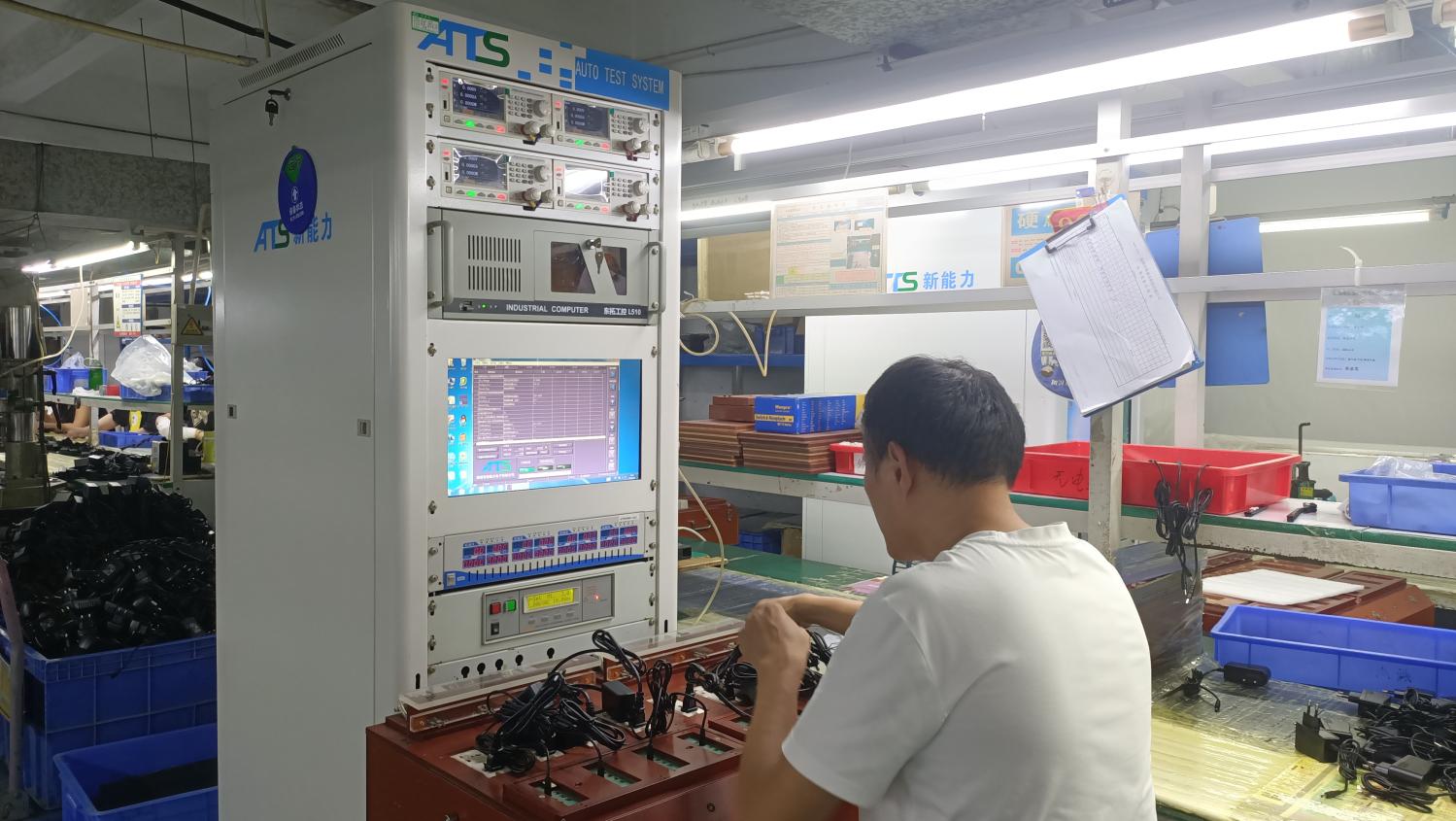 Automatic Testing System
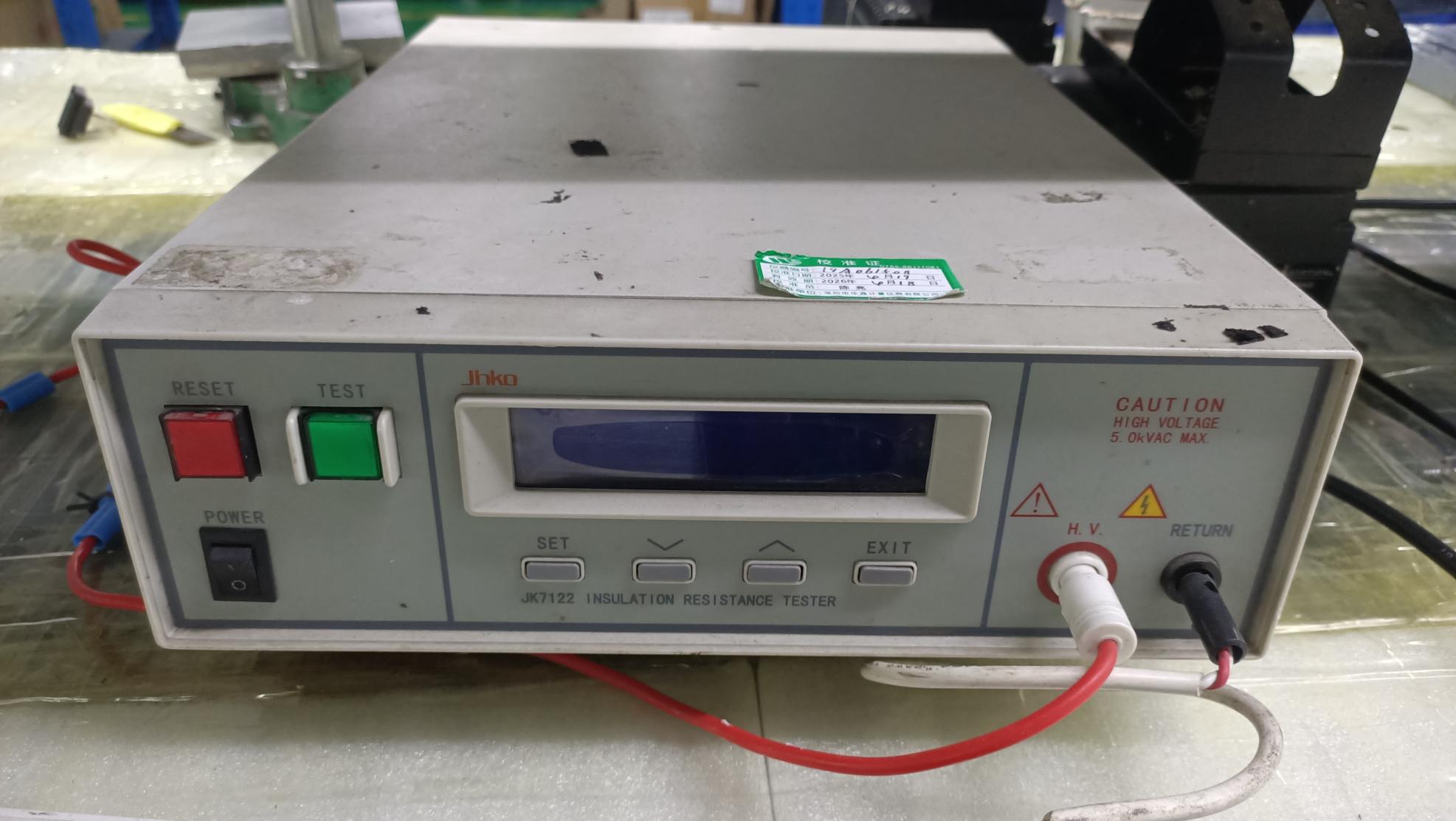 Insulation Resistance Tester
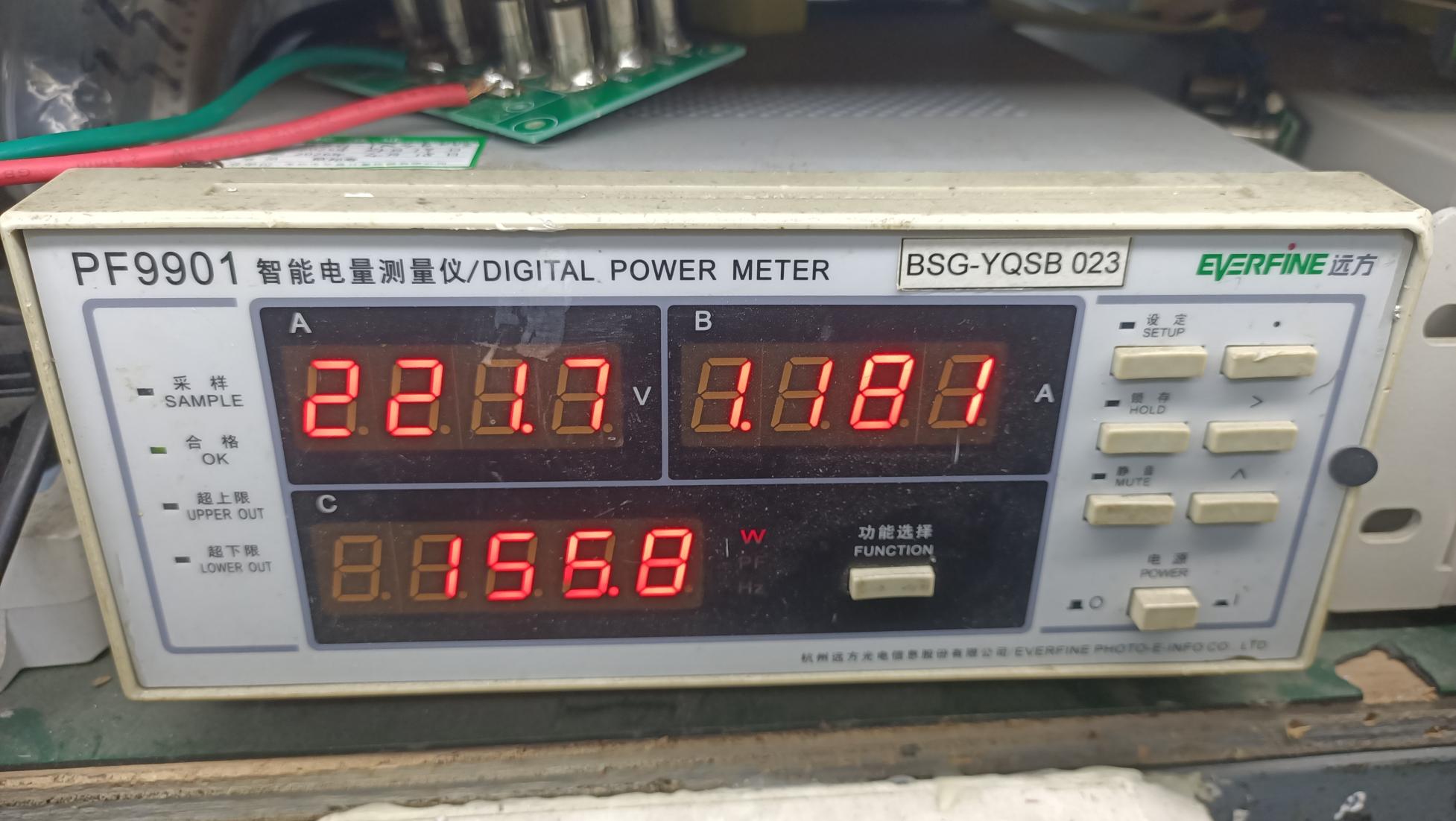 Precision Digital Power Meter
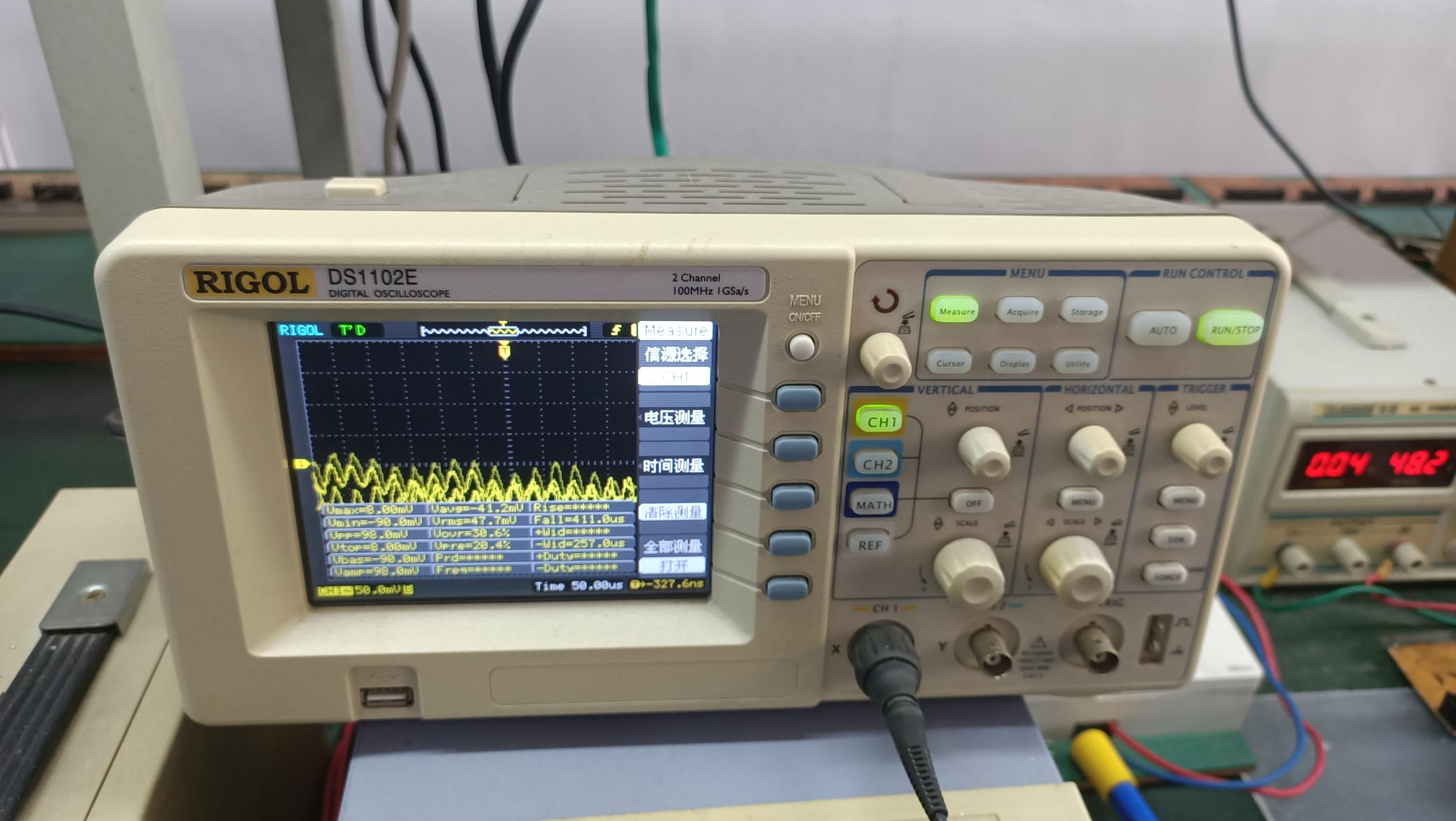 High-Bandwidth Digital Oscilloscope
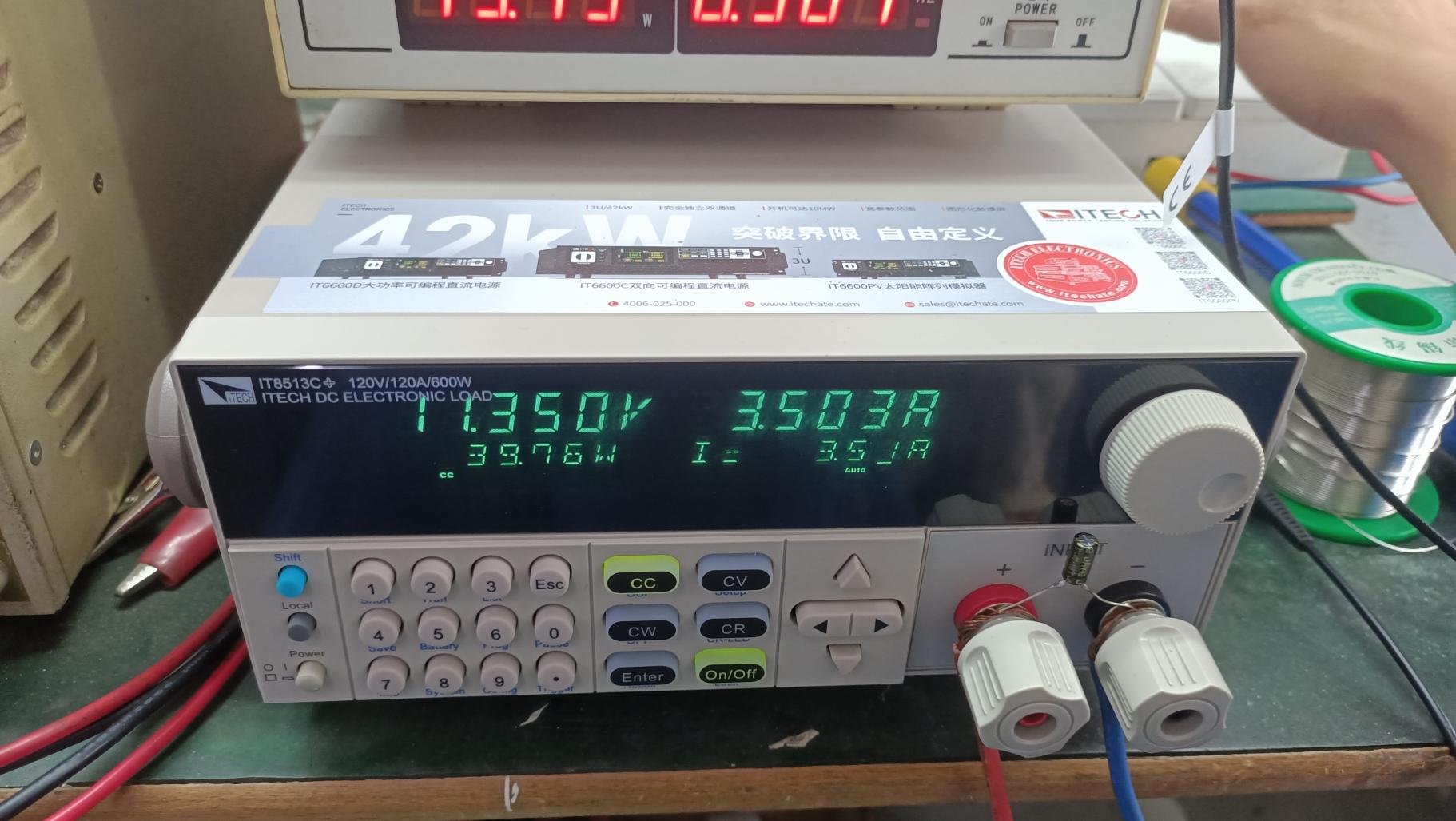 Programmable DC Electronic Load
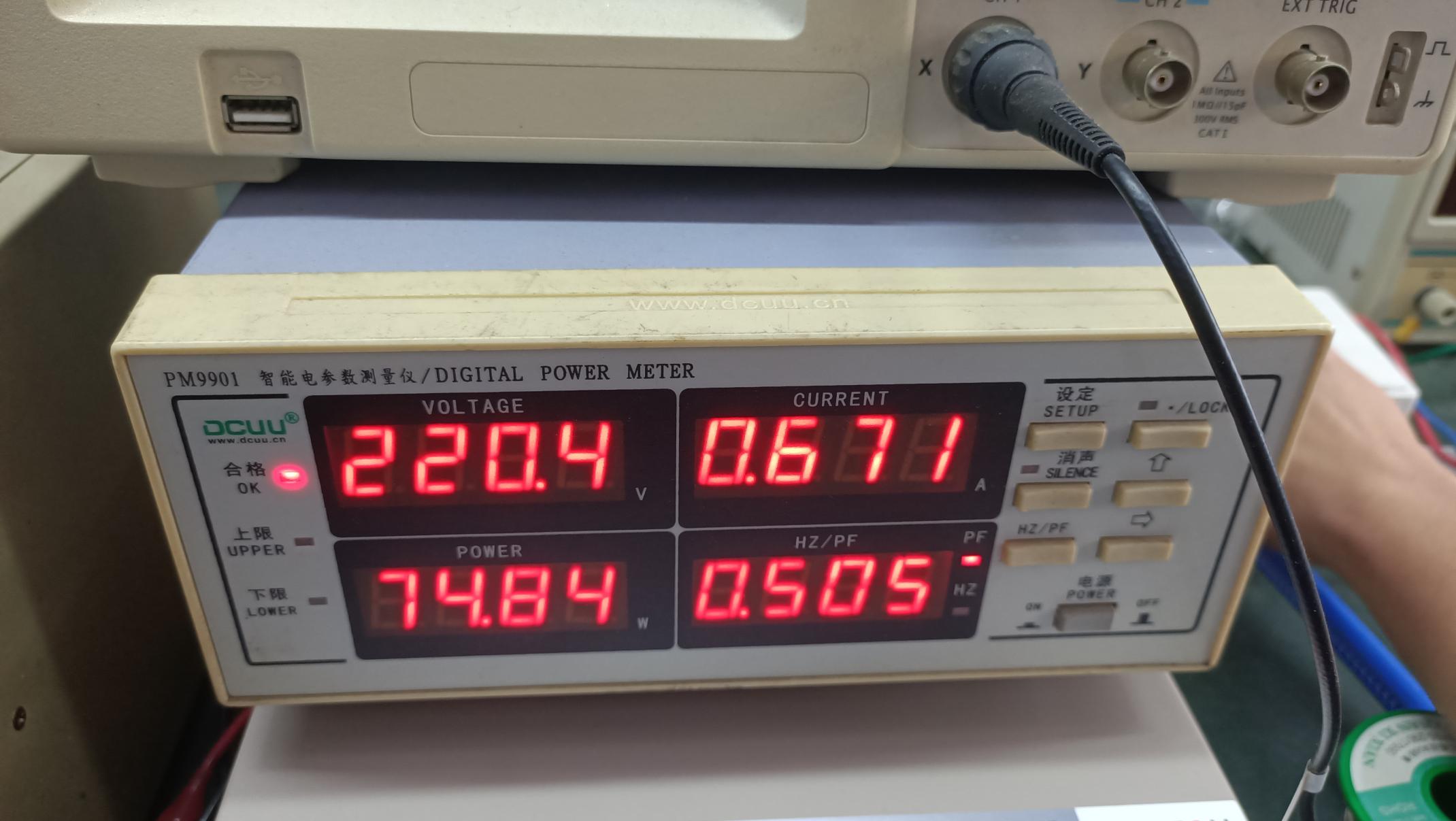 Digital Power Calibration Meter
From hyperscale data center rows to extreme industrial environments, power distribution modules must adapt to specific field realities.
In high-density server racks running AI acceleration clusters, 0U vertical rack PDUs with dual-circuit 3-phase 400V input provide clean power directly to server PSUs. Integrated telemetry ensures dynamic load balancing across phases A, B, and C, avoiding neutral line overcurrent.
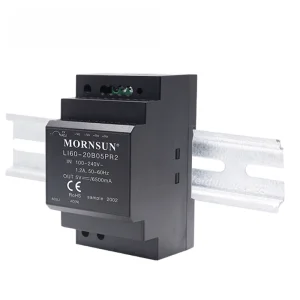
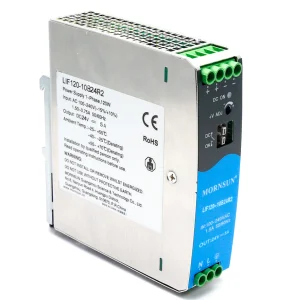
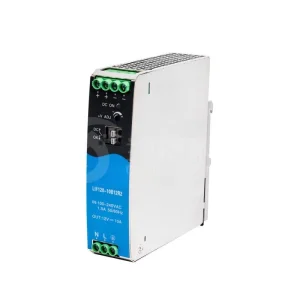
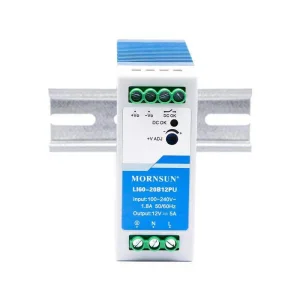
Automated production lines require ultra-reliable DIN-Rail AC/DC power supplies (such as Mornsun LIF and LI series) installed inside control cabinets. Featuring high EMC immunity, active PFC, and efficiency up to 95%, these units power PLCs, sensors, and robotic actuators under severe vibration.
Battery Energy Storage Systems (BESS) and chemical processing plants require explosion-proof certified power components. Solutions like the MORNSUN LIF120-10B48R2S-EX carry ATEX / IECEx Zone 2 certifications, ensuring non-sparking performance in volatile atmospheres.
Technical, logistical, and compliance inquiries answered by senior power architecture engineers.
Complete your power hardware sourcing with our top-tier industrial power conversion lineup.
Whether you are scaling a smart infrastructure project, developing next-gen consumer hardware, or sourcing robust industrial components, CN Electronics is your trusted engineering and manufacturing partner. We don’t just assemble parts; we power your growth.