CN Electronics
CN Electronics
CN Electronics
Empowering the Anatolian Industrial Revolution with High-Precision Power Solutions, Isolated Converters, and Global Engineering Standards for the Middle Corridor Market.
Send Inquiry NowTurkey has rapidly transitioned from a regional manufacturing hub to a global powerhouse in the field of electronics and high-voltage power conversion. As the bridge between Europe, Asia, and the Middle East, Turkish industrial centers in Kocaeli, Bursa, and Ankara have seen a 45% increase in the adoption of advanced DC/DC converters for localized automotive and defense sectors. Our strategic partnerships with Turkish exporters facilitate the delivery of high-precision, high-voltage output modules that meet the stringent requirements of the Turkish Standards Institution (TSE) and the European CE directives.
The "Anatolian Tigers" of industry—private enterprises driving Turkey's exports—demand electronic components that can withstand wide temperature fluctuations (from -40°C in Erzurum to +50°C in industrial plants in Gaziantep). This is where our Mornsun and CN Electronics product lines excel, offering thermal management solutions that ensure uptime in critical medical, military, and infrastructure applications.
Modern DC/DC converters for the Turkish market utilize Phase-Shifted Full-Bridge (PSFB) or LLC Resonant topologies. These ensure that high voltage outputs remain stable even under transient load conditions typical in heavy-duty machinery.
Protection is paramount. Our modules offer up to 6000VDC isolation, shielding sensitive control circuitry from high-voltage spikes, essential for the burgeoning Turkish EV charging network.
Aligning with Turkey's Green Deal Action Plan, our converters feature ultra-low no-load power consumption, reducing the overall carbon footprint of industrial installations.
While global supply chains have faced volatility, Turkey's domestic exporters have leveraged their proximity to the European market to offer "Just-In-Time" delivery. We provide deep technical integration support for Turkish engineers, offering 3D CAD models, localized EMI/EMC testing data, and application notes tailored for the TOGG (Turkish National Electric Car) ecosystem and renewable solar farms in the Konya Basin.
Supporting Turkey's growing UAV and aerospace sector with lightweight, high-reliability DC/DC converters capable of operating at high altitudes and extreme vibrations.
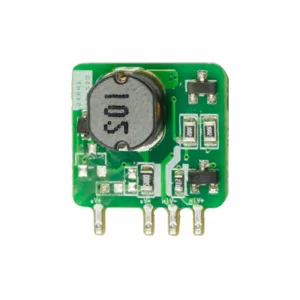
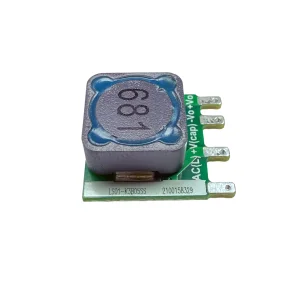
Powering the sensor networks and communication gateways in Istanbul's smart traffic management systems using high-efficiency SIP and DIP modules.
High voltage output converters designed for solar string inverters and battery storage systems (BESS) deployed across Anatolian wind farms.
Founded in 2006 and headquartered in Shenzhen, China, CN Electronics is a leading, technology-driven manufacturer specializing in high-precision electronics, custom circuitry, and comprehensive OEM/ODM solutions. We bridge the gap between complex hardware blueprints and market-ready products for tech innovators worldwide, including our valued partners in Turkey.
With a state-of-the-art production facility spanning over 10000 square meters, we integrate advanced automated assembly lines with rigorous quality control protocols. Our core capabilities cover the entire product lifecycle—including rapid PCB prototyping, component sourcing, high-volume SMT placement, and final system integration. Certified under ISO9001/CE/FCC, we ensure that every converter exported to the Turkish market meets international safety standards.
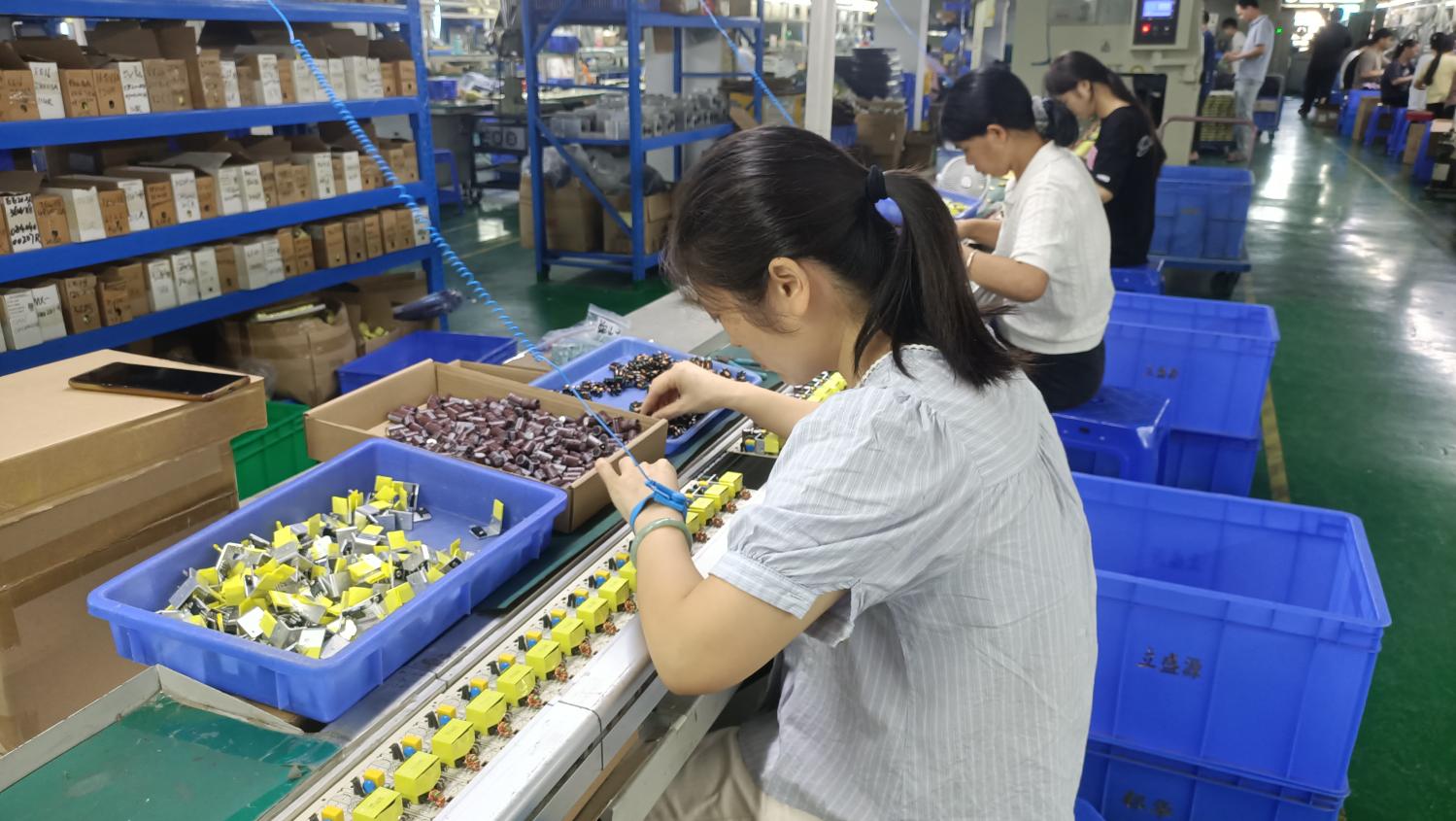 DIP Processing
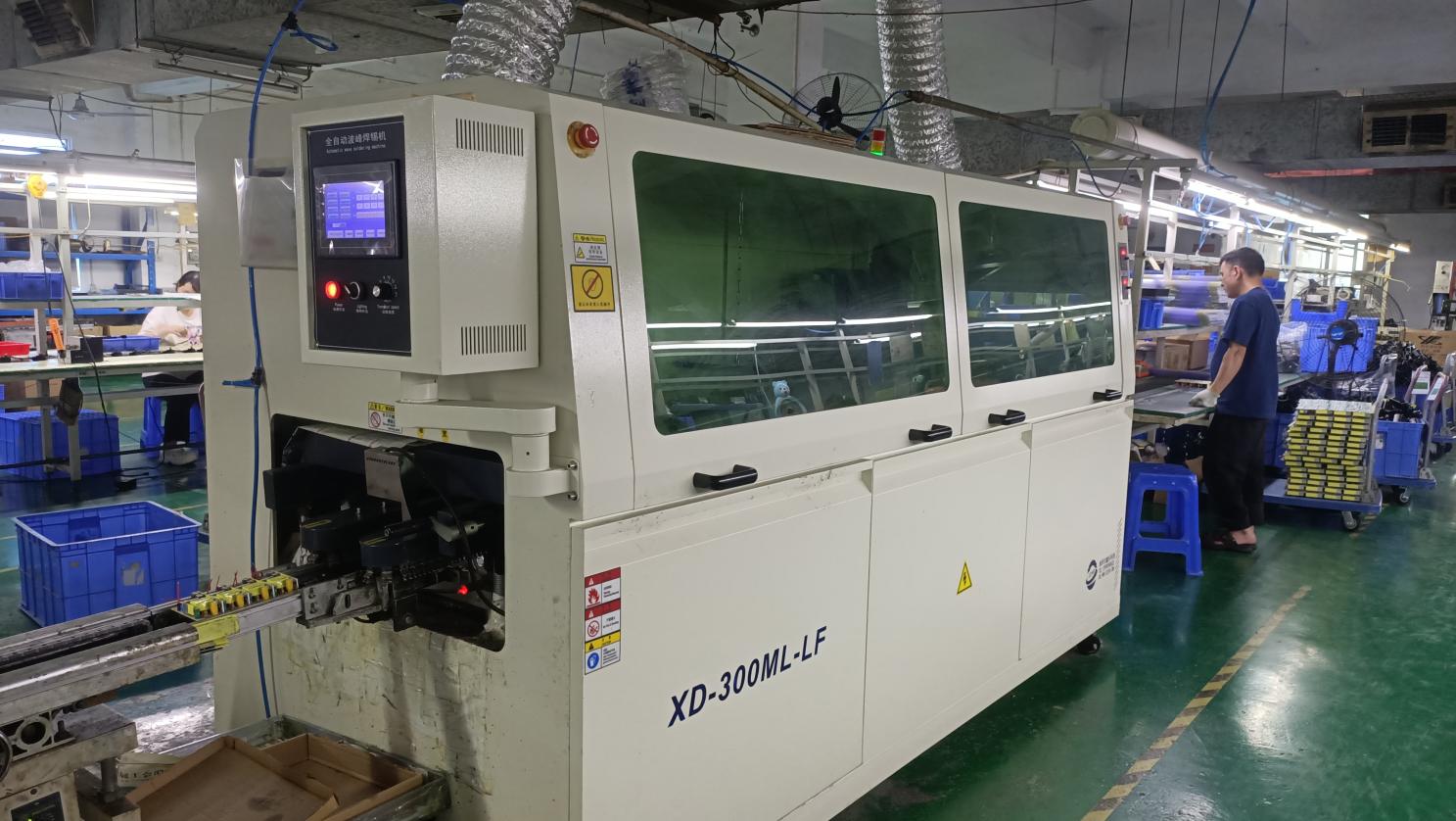 Wave Soldering
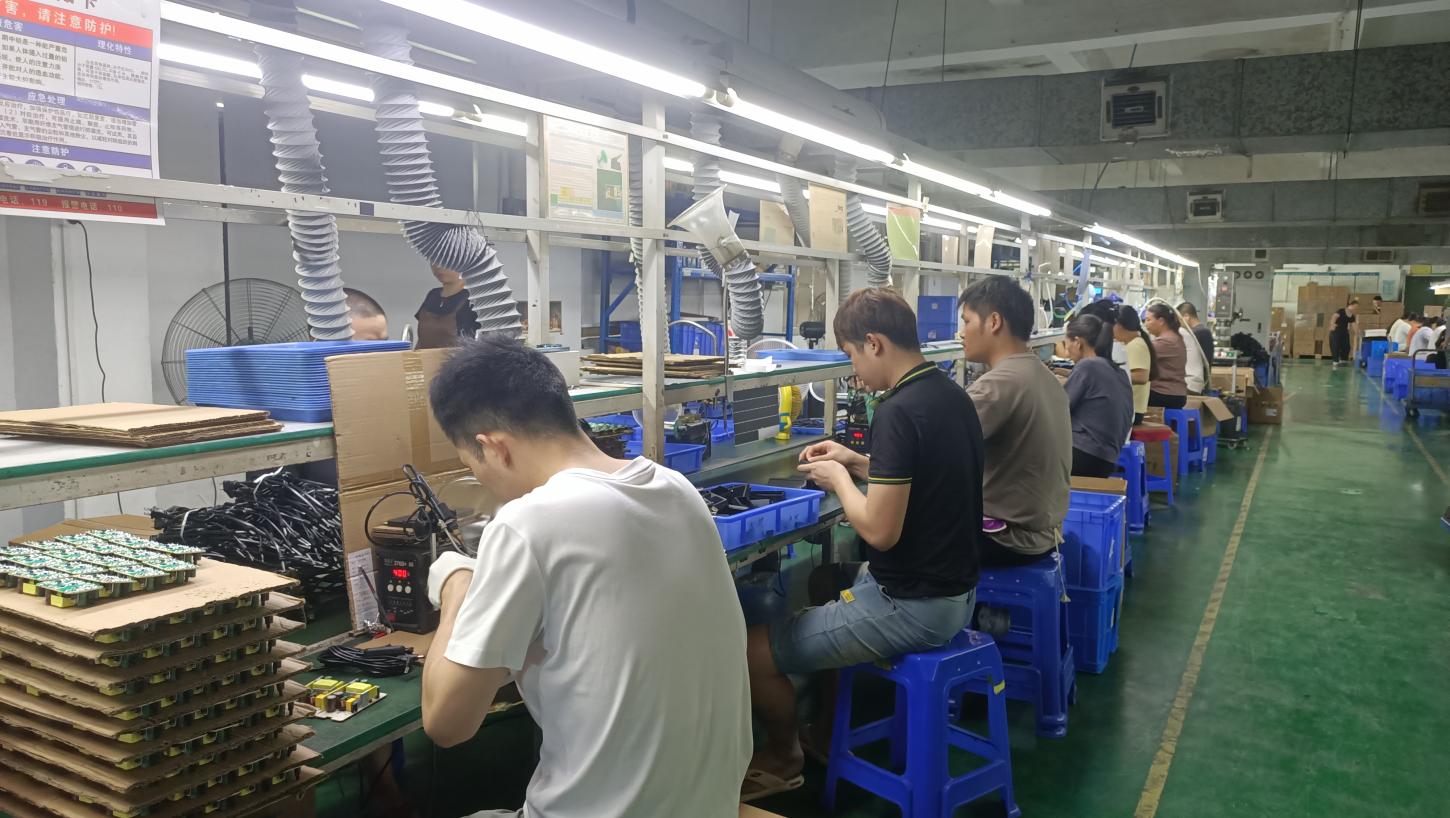 Assembling
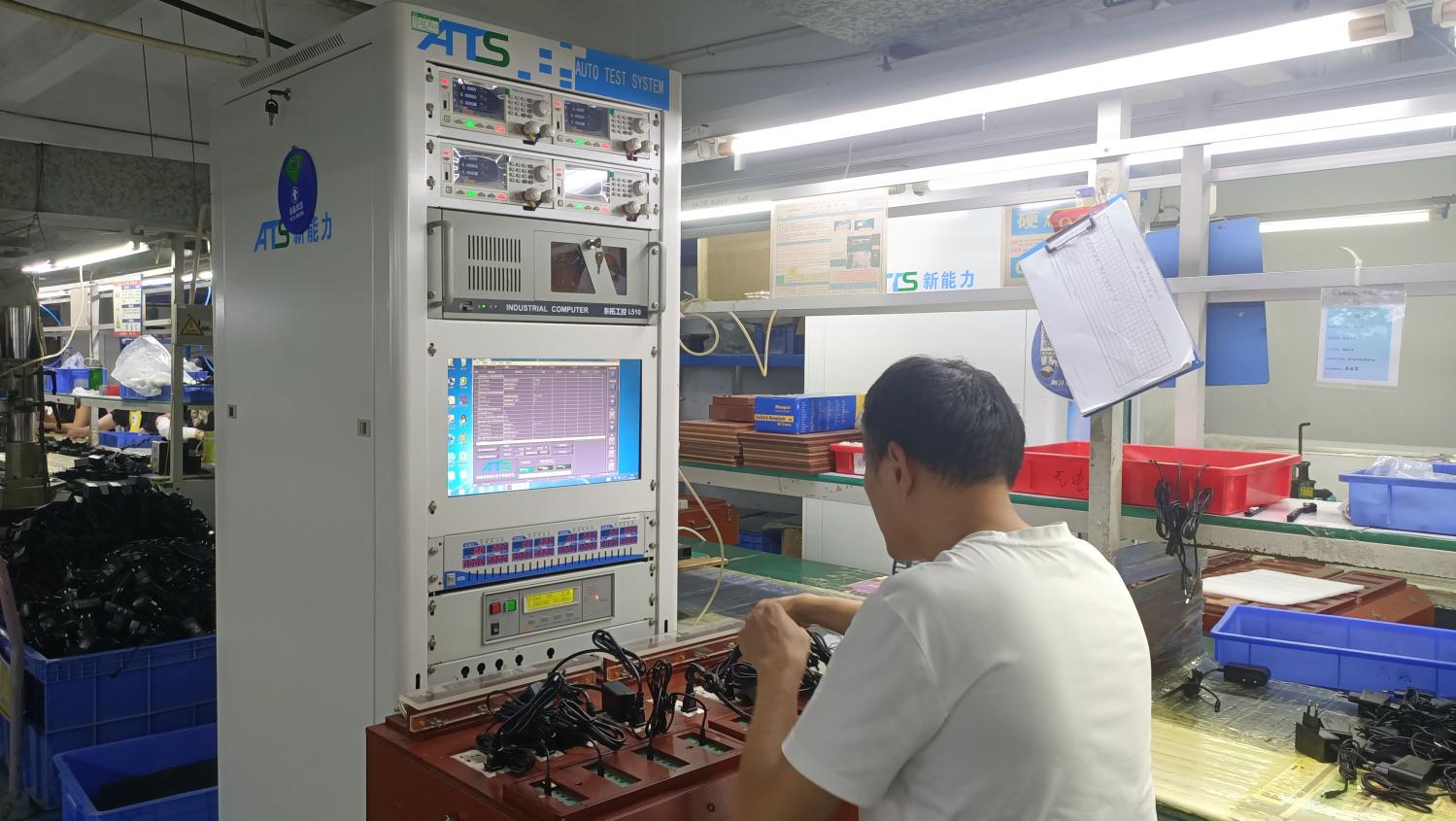 Testing
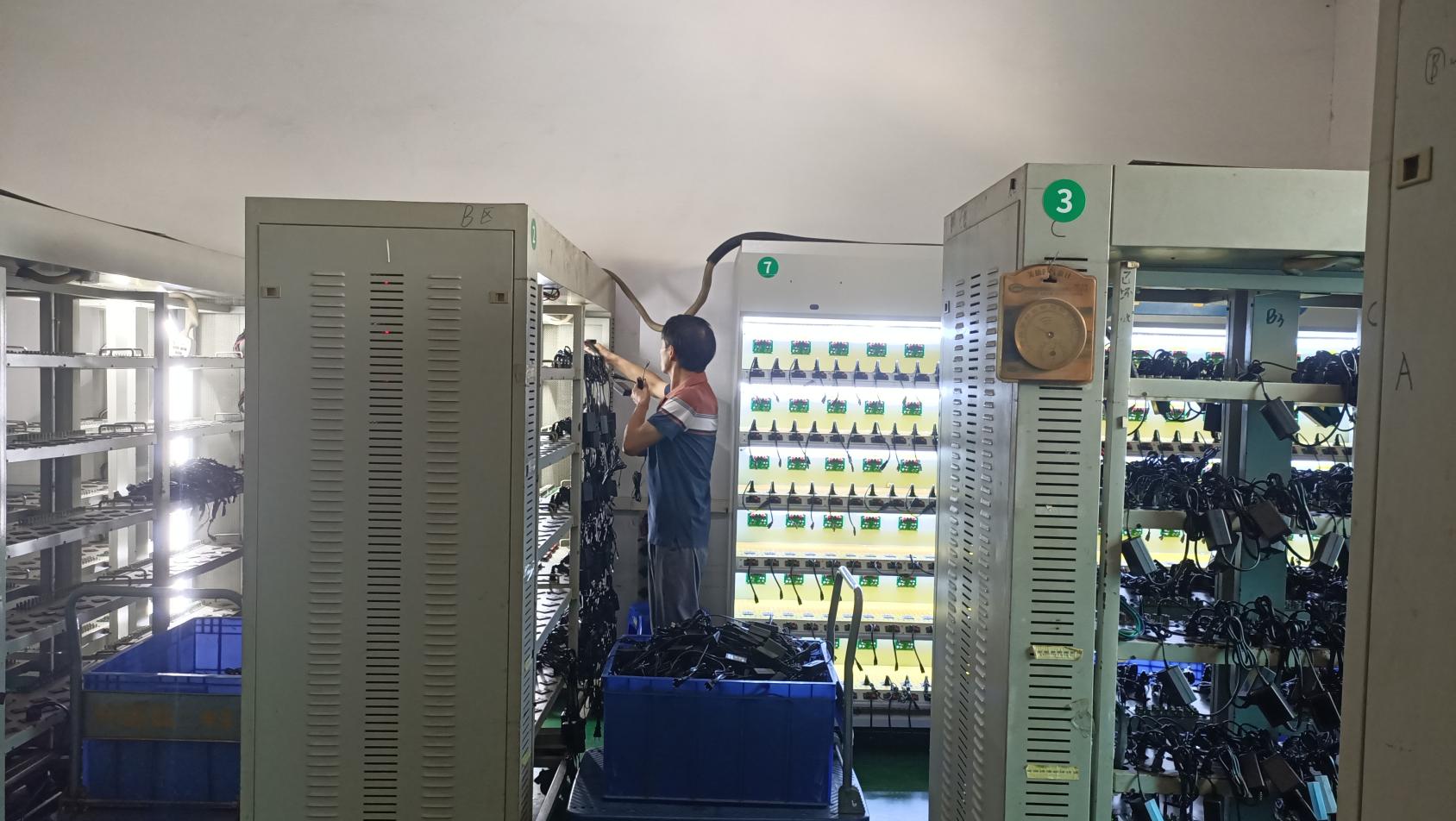 Aging
Aging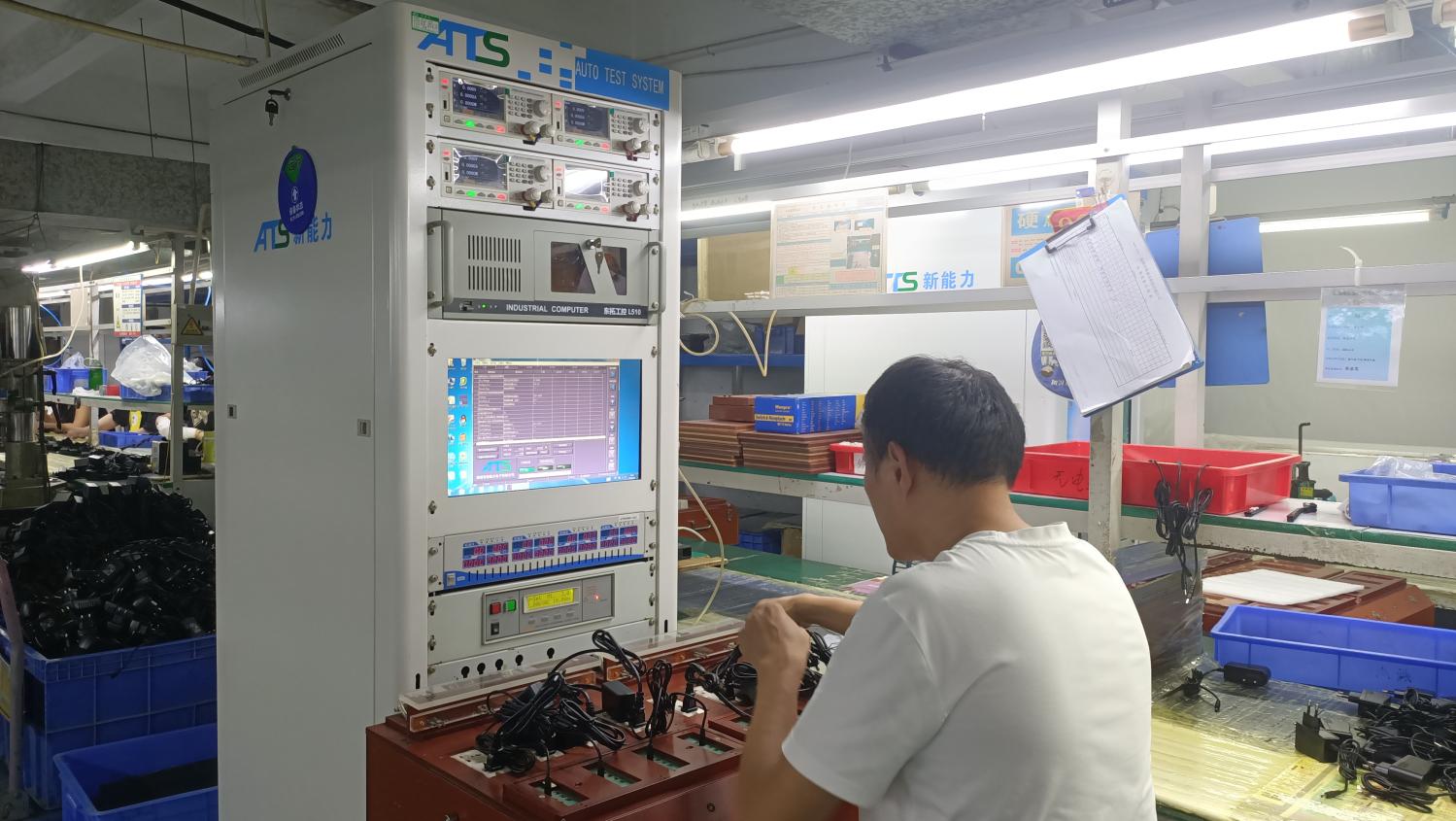 Automatic Testing
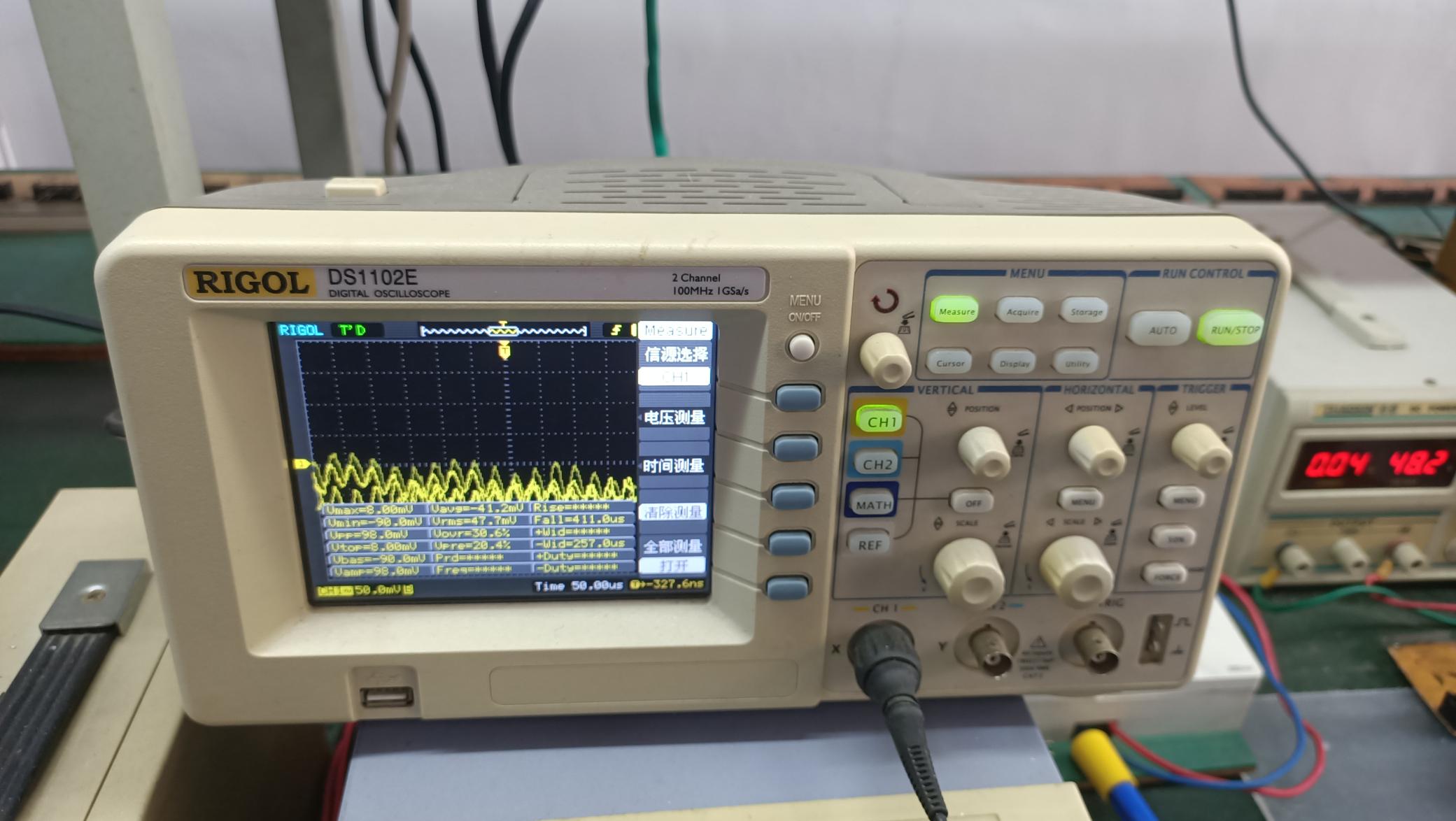 Digital Analysis
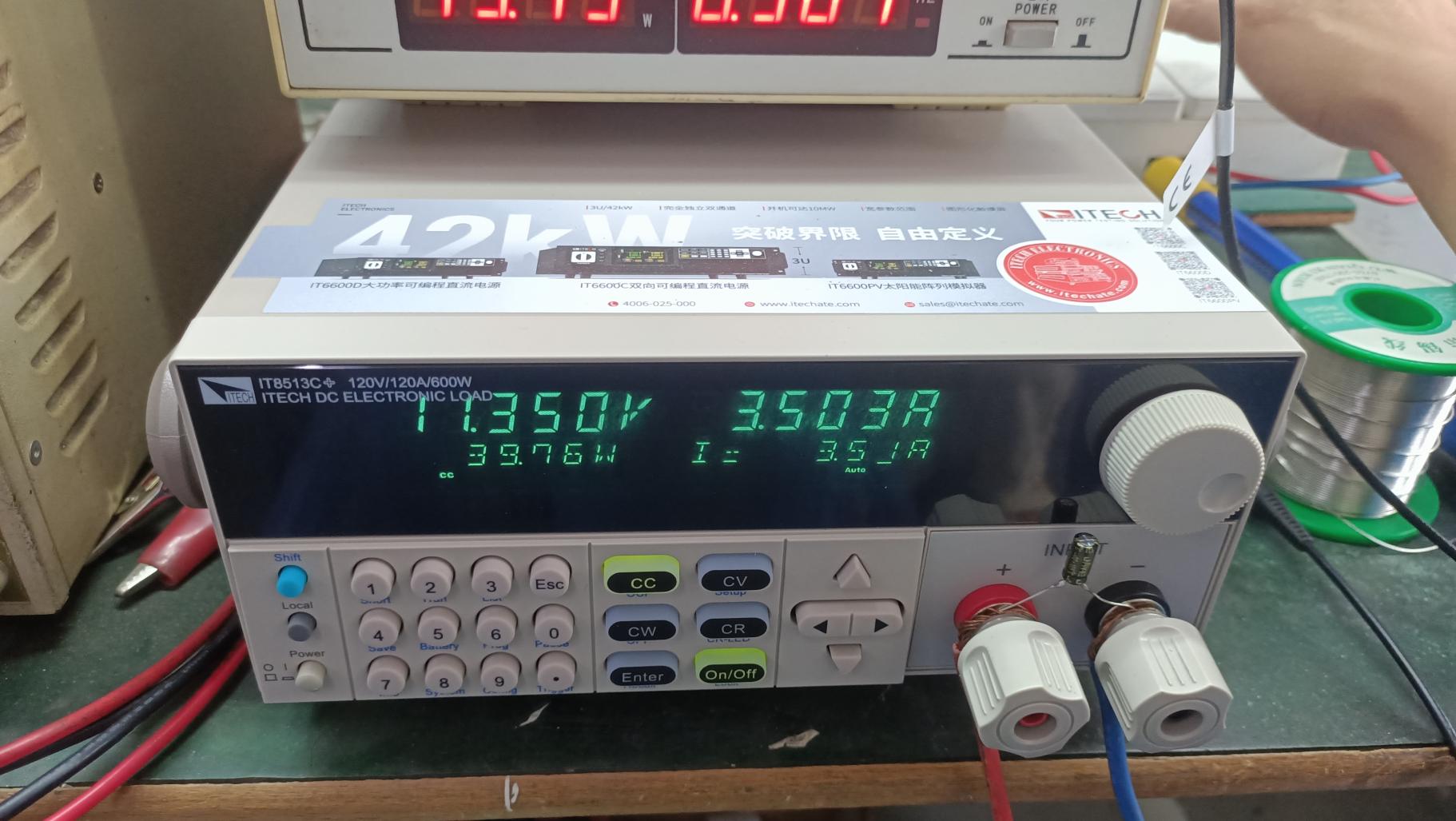 DC Electronic Load
As we move towards 2030, the demand for Wide Bandgap (WBG) materials such as Silicon Carbide (SiC) and Gallium Nitride (GaN) is surging in Turkey's high-tech corridors. These materials allow for DC/DC converters that are 50% smaller yet 20% more efficient. Our R&D team is currently developing next-generation high-voltage modules that integrate AI-driven predictive maintenance, allowing Turkish industrial operators to monitor power health in real-time via IoT protocols.