Understanding Modern AC/DC Multi-Output Architectures
In contemporary power system engineering, the distribution of multiple voltage rails within a single system is essential. Electronic systems—ranging from automated assembly lines to diagnostic imaging modules—typically require different voltages to power diverse internal components: low voltage levels for microprocessors, intermediate voltages for input/output interfaces, and higher power lines for actuators, relays, or cooling fans. This is where AC/DC Multi-Output Power Supplies come into play, replacing the need for multiple independent power bricks with a unified system component.
Information Gain Insight: While single-output architectures paired with point-of-load (POL) buck converters are common, direct multi-output AC/DC supplies offer significantly higher reliability and lower thermal dissipation at the board level. By converting mains voltage directly to the required sub-voltages (e.g., 24V, 12V, 5V, 3.3V) through specialized transformer windings, designers reduce components, lower design complexity, and minimize electromagnetic interference (EMI).
However, designing multi-output systems introduces specific technical hurdles, most notably cross-regulation. Cross-regulation refers to how a load variation on one output channel affects the voltage regulation of another channel. At CN Electronics, we leverage advanced feedback topologies, utilizing optocouplers and primary-side regulation alongside secondary linear post-regulators to guarantee line and load stability across all outputs. This ensures that even during rapid dynamic load transients on one channel, auxiliary power rails remain well within their operational voltage tolerances.
CN Electronics: Trusted Power Partner Since 2006
Founded in 2006 and headquartered in Shenzhen, China, CN Electronics has established itself as a leading, technology-driven manufacturer specializing in high-precision electronics, custom circuitry, and comprehensive OEM/ODM solutions. We bridge the gap between complex hardware blueprints and market-ready products for tech innovators worldwide.
2006
Established Year
10,000+
Factory Area (Sqm)
100%
Tested & Aged
ISO9001
Certified Operations
Operating from our state-of-the-art production facility spanning over 10,000 square meters, we integrate advanced automated assembly lines with rigorous quality control protocols. Our core capabilities cover the entire product lifecycle—including rapid PCB prototyping, component sourcing, high-volume SMT placement, and final system integration. Whether you are scaling a smart infrastructure project, developing next-gen medical hardware, or sourcing robust industrial components, CN Electronics is your trusted engineering and manufacturing partner.
Precision Engineering & Manufacturing Agility
In the fast-paced hardware industry, agility and reliability are everything. That is why we have optimized our supply chain to offer seamless communication, transparent project tracking, and uncompromising quality standards certified under [ISO9001/CE/FCC etc.].
We don’t just assemble parts; we power your growth. By implementing online Automatic Optical Inspection (AOI), high-precision SMT (Surface Mount Technology) placement, and dedicated aging chambers, we verify that every single power converter matches its datasheets before it leaves the warehouse floor.
Unlocking the Chinese Factory Supply Chain Advantage
Sourcing AC/DC-Multi Output Power Supplies directly from a qualified Chinese factory provides significant cost, scaling, and engineering agility benefits to international procurement managers and electrical design departments:
End-to-End Ecosystem Proximity: Shenzhen serves as the global epicenter for electronics component fabrication. This proximity allows us to source raw components—such as low-loss planar magnetic cores, high-grade electrolytic capacitors, and semiconductor switches (including next-generation Silicon Carbide / SiC and Gallium Nitride / GaN devices)—with minimal turnaround times and lower shipping overheads.
Scalable Production Capacities: Our facility easily shifts between low-volume, high-mix custom prototype runs and automated high-volume runs exceeding millions of units. Multi-layer automated wave soldering and SMT lines mean scale does not compromise consistency.
Direct Access to Engineering Resources: Buying directly from CN Electronics eliminates middlemen. Your engineering team can consult directly with our power supply designers to customize input voltage limits, transient response curves, and enclosure footprints, accelerating time-to-market.
Global Corporate Procurement Requirements
International enterprise procurement requires deep technical compliance and logistics efficiency. When sourcing power supplies, engineering and procurement offices look beyond raw pricing to target the following parameters:
Wide Input Voltage Capabilities: Universal input (85-305VAC) is crucial. Industrial voltages fluctuate depending on regional power grid standards. Designing with modules supporting higher input limits guarantees system protection against line surges and undervoltage faults.
Long-Term System MTBF (Mean Time Between Failures): Industrial and medical devices operate under continuous thermal loads. Components such as Mornsun LOF series or LIF DIN Rail variants offer high MTBF figures and long warranties (typically 3-years or more), indicating optimized thermal management and top-tier capacitor choice.
Electromagnetic Compatibility (EMC): To avoid interference in delicate hardware systems, the power modules must adhere to strict limits for both radiated and conducted emissions, complying with EN55032 Class B and CISPR32 standards.
Localized Support and Compliance Assurance
Deploying equipment globally requires adhering to regional compliance networks. A failure to pass target country audits results in customs delays and costly product redesign cycles. CN Electronics offers complete assurance and localized support to mitigate these risks:
Regulatory Alignment: Our power supplies meet IEC60601-1 (Medical BF type safety), IEC61010-1 (Industrial test equipment safety), UL508 (Industrial control equipment), and have CE, FCC, RoHS, and REACH certifications. This guarantees streamlined entry into North American, European, and Asia-Pacific markets.
Additionally, we provide direct engineering support (FAE) to help client integration teams. This includes board layout reviews for EMI mitigation, testing for creepage and clearance distances, and assisting in system-level thermal profiling.
Our comprehensive selection of power conversion systems is utilized across specialized industry verticals:
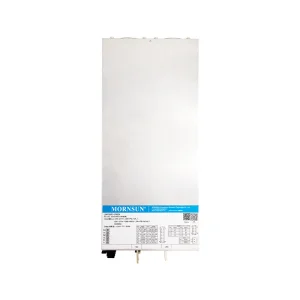
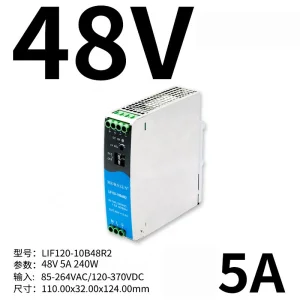
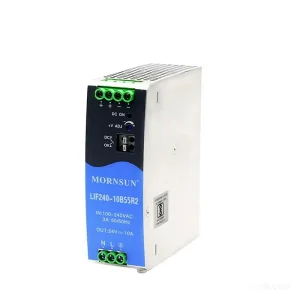
Smart Cities & Smart Grids: Using high-power components like the Mornsun LMF5000-25Bxx (5000W) or DIN rail units (LIF240-10B48R2) to run intelligent utility distribution systems, environmental monitoring nodes, and municipal network hubs requiring continuous up-time.
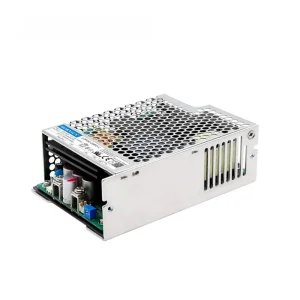
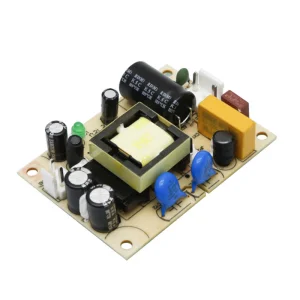
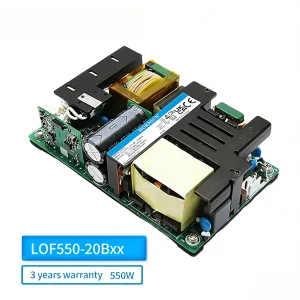
Medical Diagnostic Systems: The Mornsun LOF550 medical power supply is designed for systems such as patient monitors and dental imaging scanners. Featuring 2xMOPP (Means of Patient Protection) safety classification, these modules ensure minimal leakage current under fault conditions.
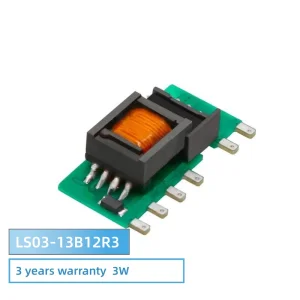
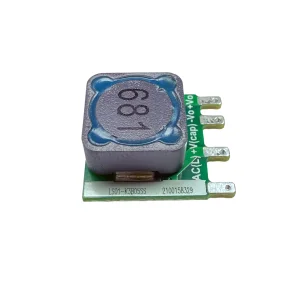
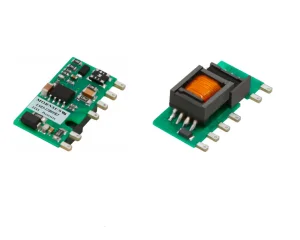
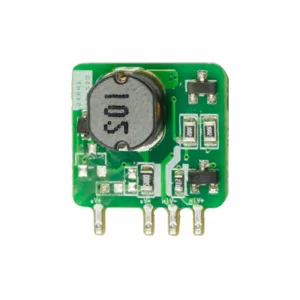
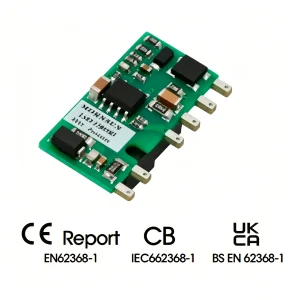
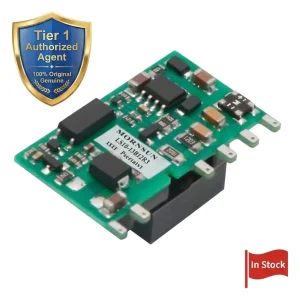
IoT Edge Device Modules: Ultra-compact SIP/DIP modules (Mornsun LS03, LS10 series) are engineered for tight PCB boards, powering smart home controls, smart meters, and edge sensor networks.
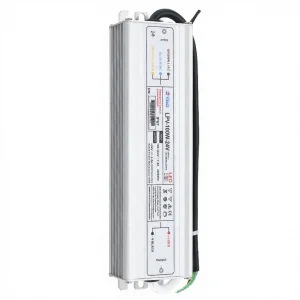
Outdoor LED Signage & Commercial Infrastructure: Waterproof solutions like the BERM IP67 transformer provide robust, weather-resistant conversion, protecting systems against ambient moisture and thermal shock.
Production Floor & Quality Assurance Gallery
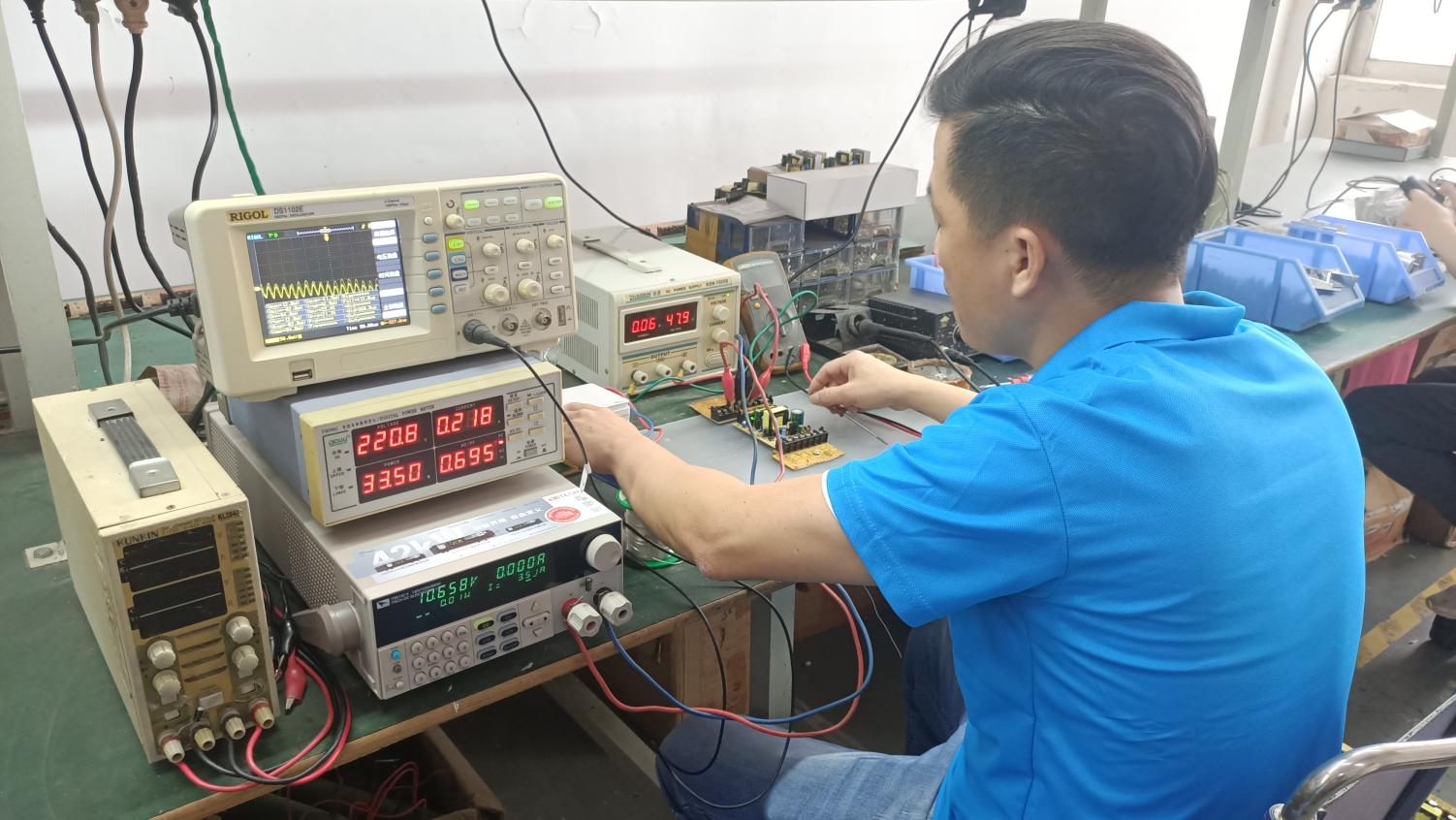
Step inside CN Electronics' Shenzhen facility, where automated systems and expert technicians build reliable power conversion systems.
DIP
Wave Soldering
Assembling
Testing
Aging
Wave Soldering Machine
Ultrasonic Welding Machine
Automatic Screwing Machine
Resistance Molding Machine
Aging
Testing
Aging Rack
Automatic Testing Machine
Insulation Resistance Tester
Digital Power Meter
Digital Oscilloscope
DC Electronic Load
Digital Power Meter
Key Development Trends in AC/DC Power Conversion
The power supply industry is currently experiencing a technological evolution, driven by the demand for higher efficiency, increased power density, and smarter telemetry features:
Wide Bandgap (WBG) Semiconductors: The integration of Gallium Nitride (GaN) and Silicon Carbide (SiC) switches has revolutionized SMPS design. WBG elements feature lower parasitic capacitance and minimized switching losses, allowing power conversion designs to run at double the switching frequency of standard silicon devices. This reduction in inductor and capacitor sizing enables smaller footprints.
Digital Control Loops: Traditional analog control systems are increasingly being replaced by digital signal controllers (DSCs). Digital loops allow real-time tuning of control characteristics to compensate for temperature drift or load aging, and provide system diagnostics via I2C, PMBus, or CANopen protocols.
Next-Level Efficiency Metrics: System designers are targeting stricter energy consumption targets, conforming to international standards like 80 PLUS Titanium and EU Ecodesign requirements. Improving efficiency to levels above 94% decreases total heat dissipation, allowing for smaller convection-cooled chassis.
Technical FAQ - Switching Power Supplies
Q1: What is the main cause of cross-regulation issues in multi-output AC/DC power supplies?
+
Cross-regulation errors occur when a single feedback loop monitor is linked primarily to the main output rail (e.g., 5V) while auxiliary rails (e.g., 12V, 24V) rely on standard transformer winding coupling ratios. When the load on the main rail changes significantly, the controller adjusts the duty cycle, which can cause voltage variations on the unregulated auxiliary rails. Using secondary-side linear or switching regulators, or opting for independent optocoupler feedback loops, prevents this issue.
Q2: Why is a wide input range (e.g., 85-305VAC) useful for industrial equipment?
+
Standard industrial grids exhibit voltage fluctuations due to heavy machinery startups and varying grid infrastructure. A standard 85-264VAC input power supply may fail or suffer thermal stress when subjected to high phase-to-phase voltages or long-term overvoltages. The 85-305VAC limit provides a safety margin, protecting devices against high-voltage surges and enabling deployment on global 277VAC power lines.
Q3: What makes a medical power supply "BF Type" compliant?
+
BF (Body Floating) type medical power supplies are intended for equipment that comes into direct physical contact with the patient (e.g., ultrasound scanners, patient monitors). Under IEC60601-1 standards, they require double insulation barrier structures (2xMOPP) and extremely low leakage currents (typically under 100 microamps) to prevent patient electrical shock, even under single-fault conditions.
Q4: What are the main benefits of DIN Rail mounting for power modules?
+
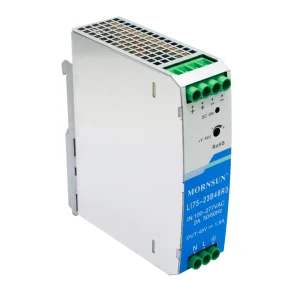
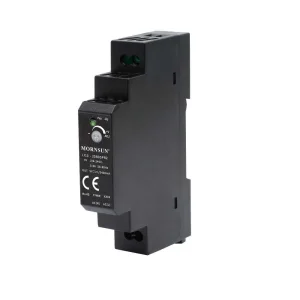
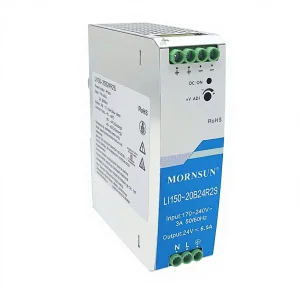
DIN Rail power supplies, such as the Mornsun LI and LIF series, are designed for rapid integration and maintenance in control cabinets. They feature rugged enclosures, vibration-resistant mount clips, and are engineered to run cool inside vertical equipment cabinets alongside PLCs and circuit breakers.
Q5: How does Active Power Factor Correction (Active PFC) improve power efficiency?
+
Active PFC uses a boost converter circuit to shape the input current, aligning it with the mains voltage waveform. This increases the power factor (typically to >0.95) and significantly reduces Total Harmonic Distortion (THD). It lowers reactive energy losses, helping facilities meet utility power regulations and run equipment cooler.
Additional High-Performance Power Conversion Modules
Further power options including ultra-high wattage modules, open-frame medical supplies, and compact PCB converters.
Mornsun LI75-23BxxR3 75W Single Output DIN Rail Power Supply High EMC Immunity for Industrial Automation
 CN Electronics
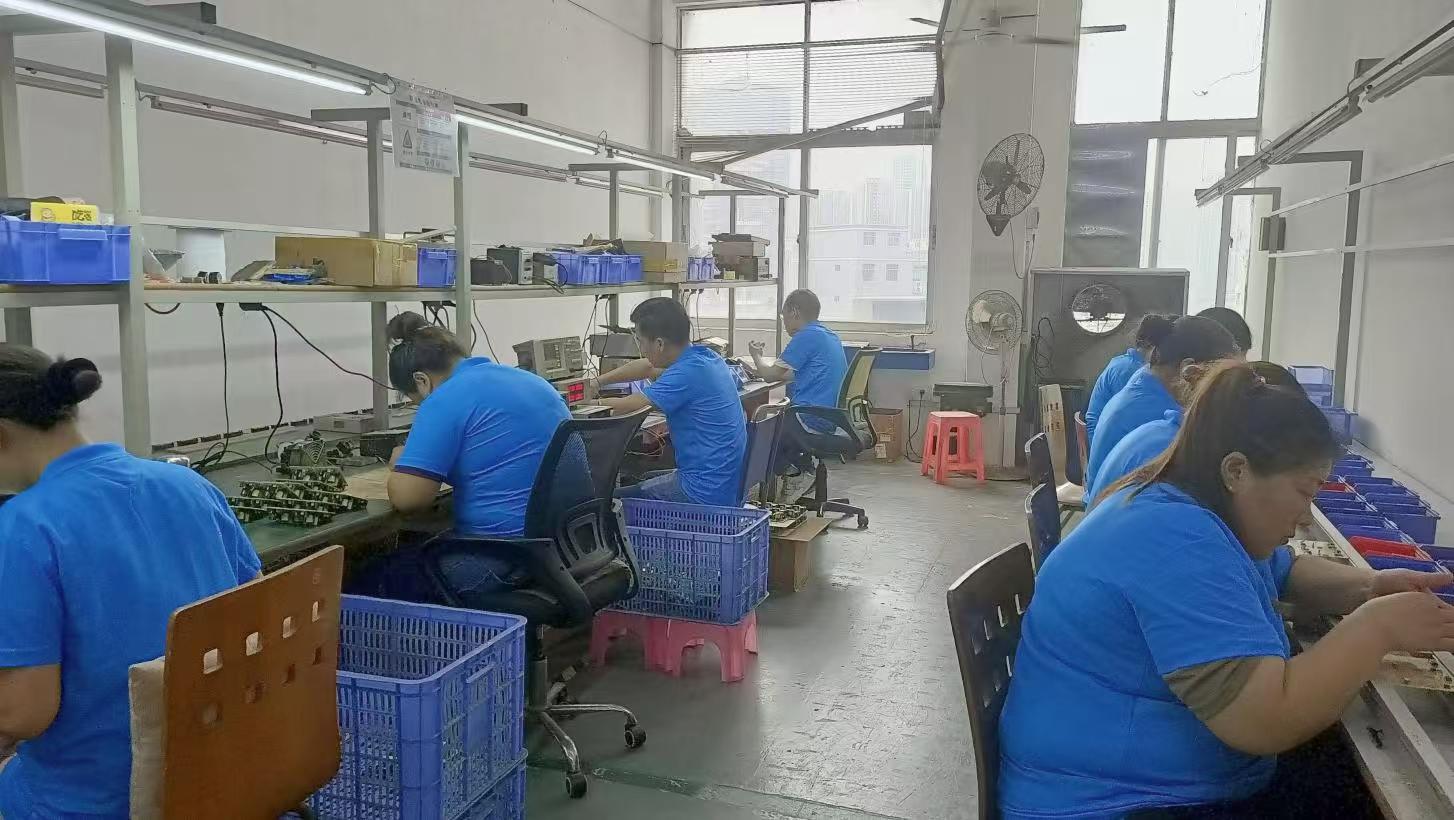
 DIP
DIP
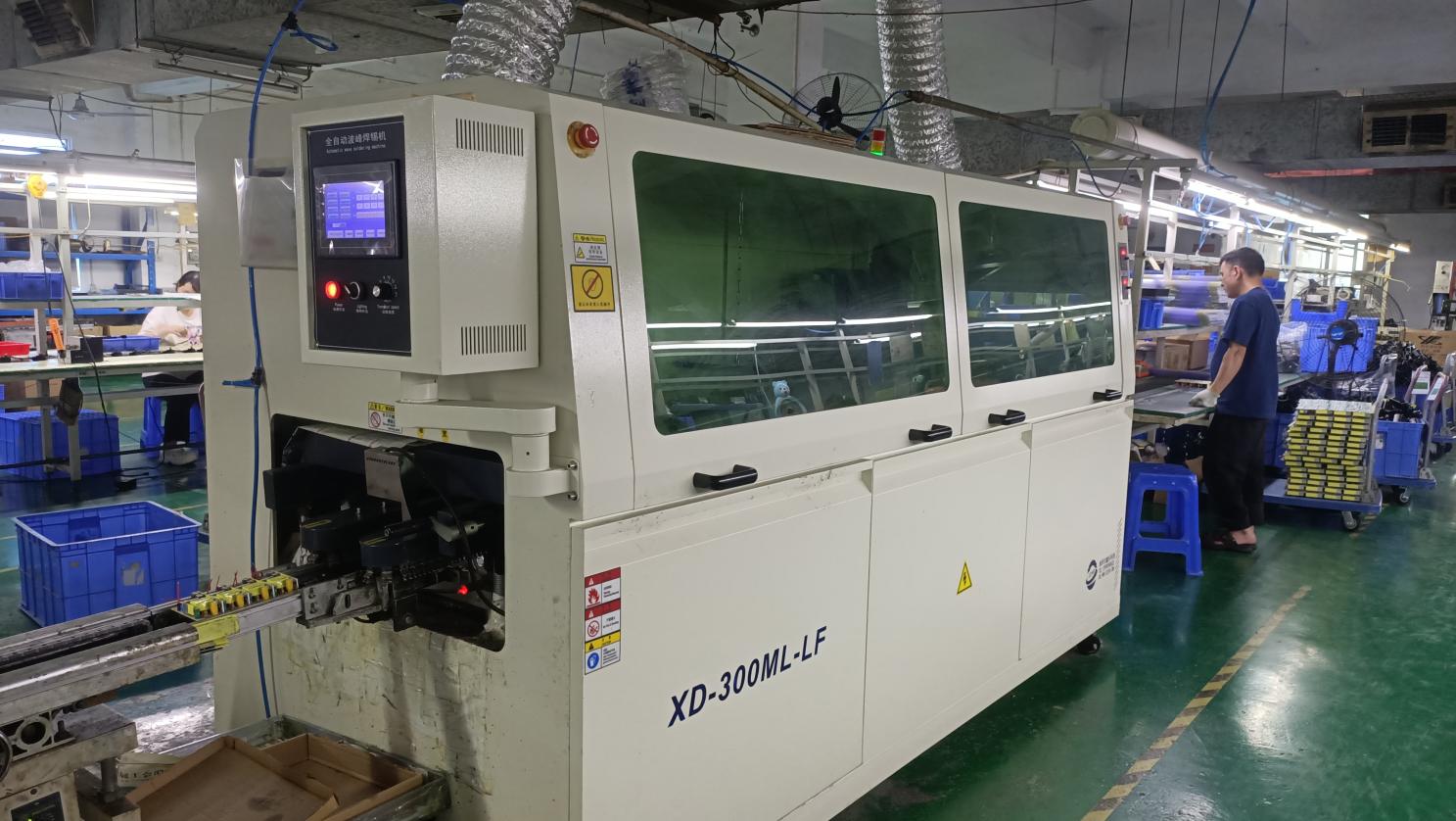 Wave Soldering
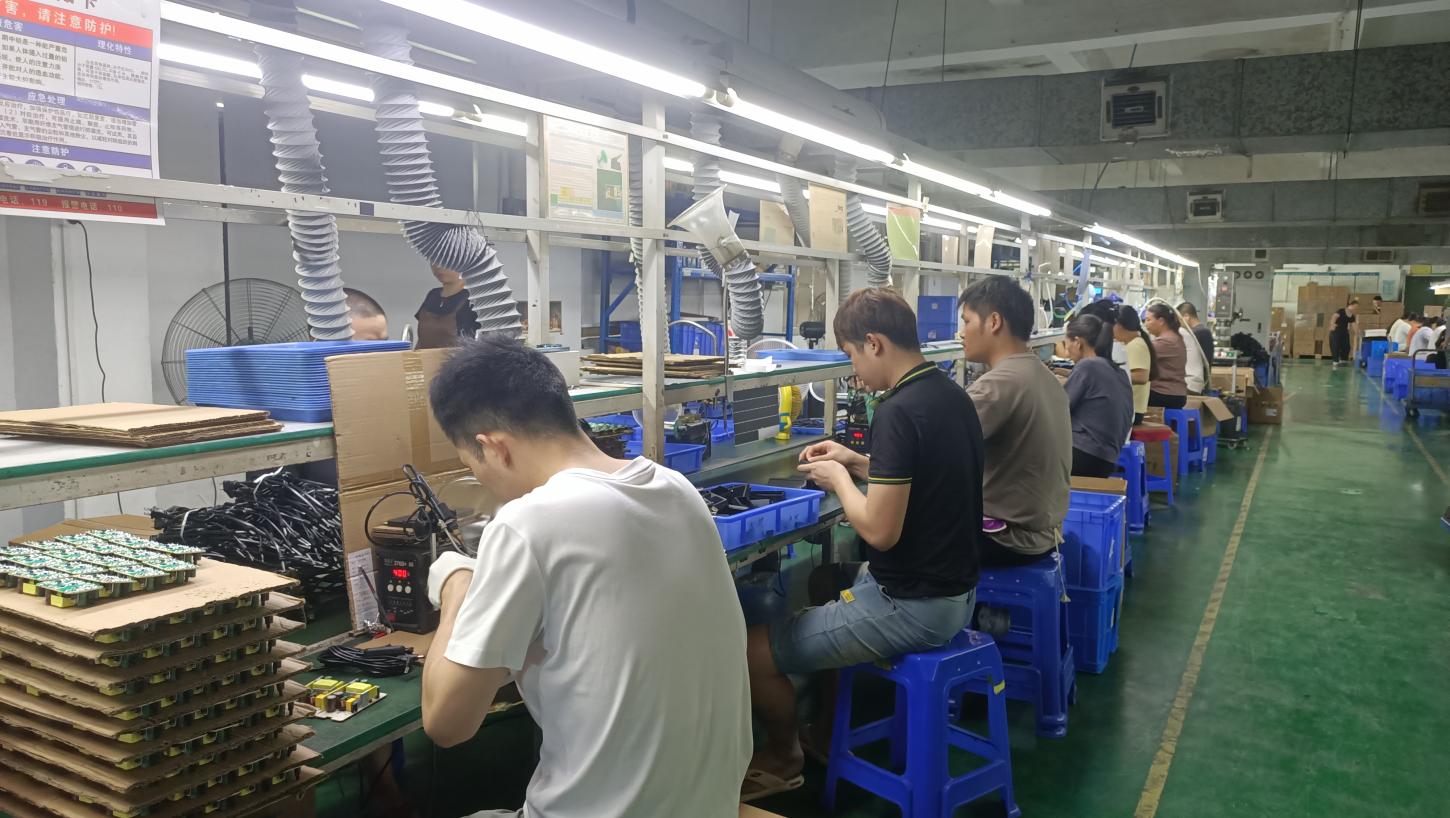 Assembling
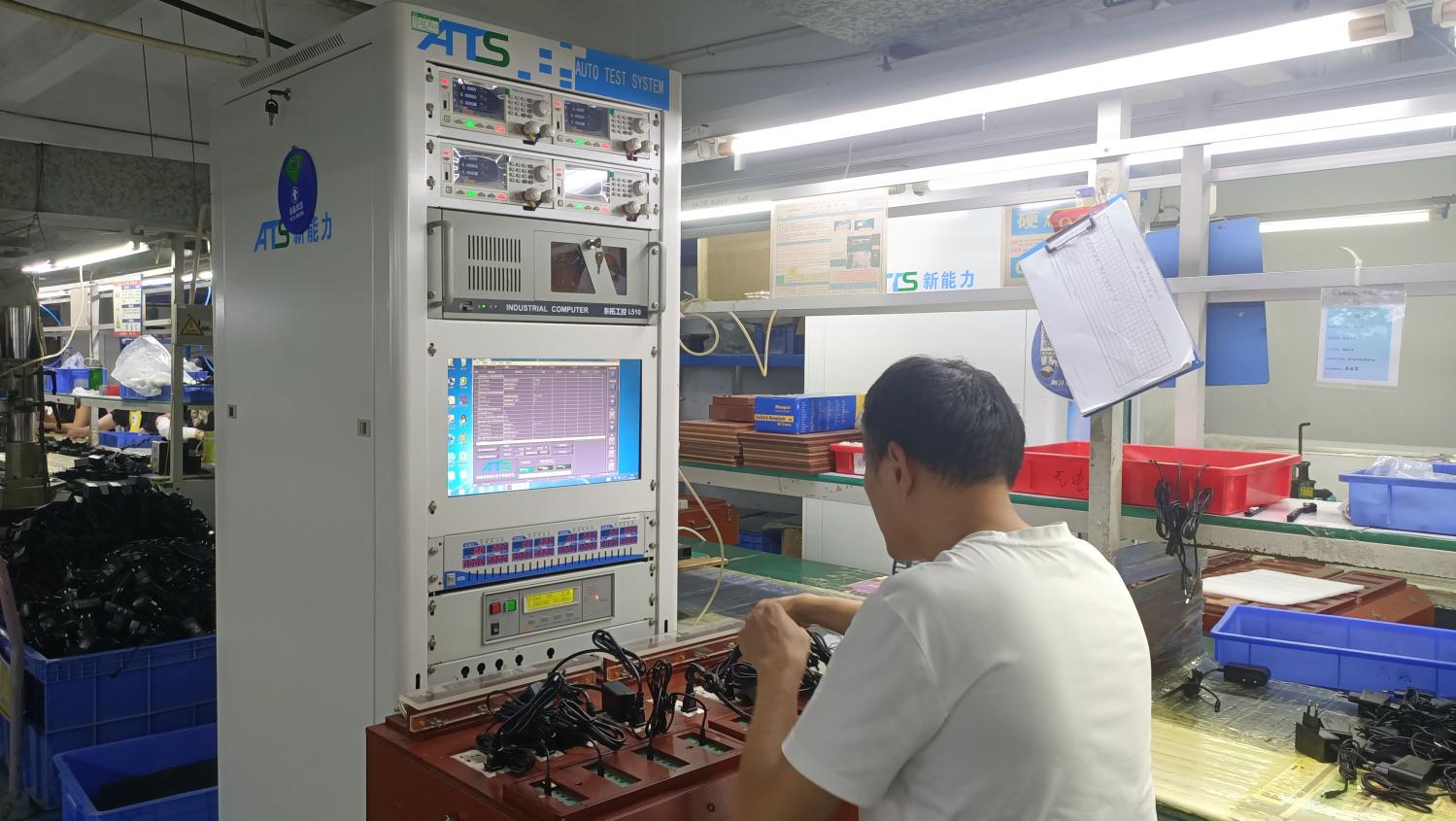 Testing
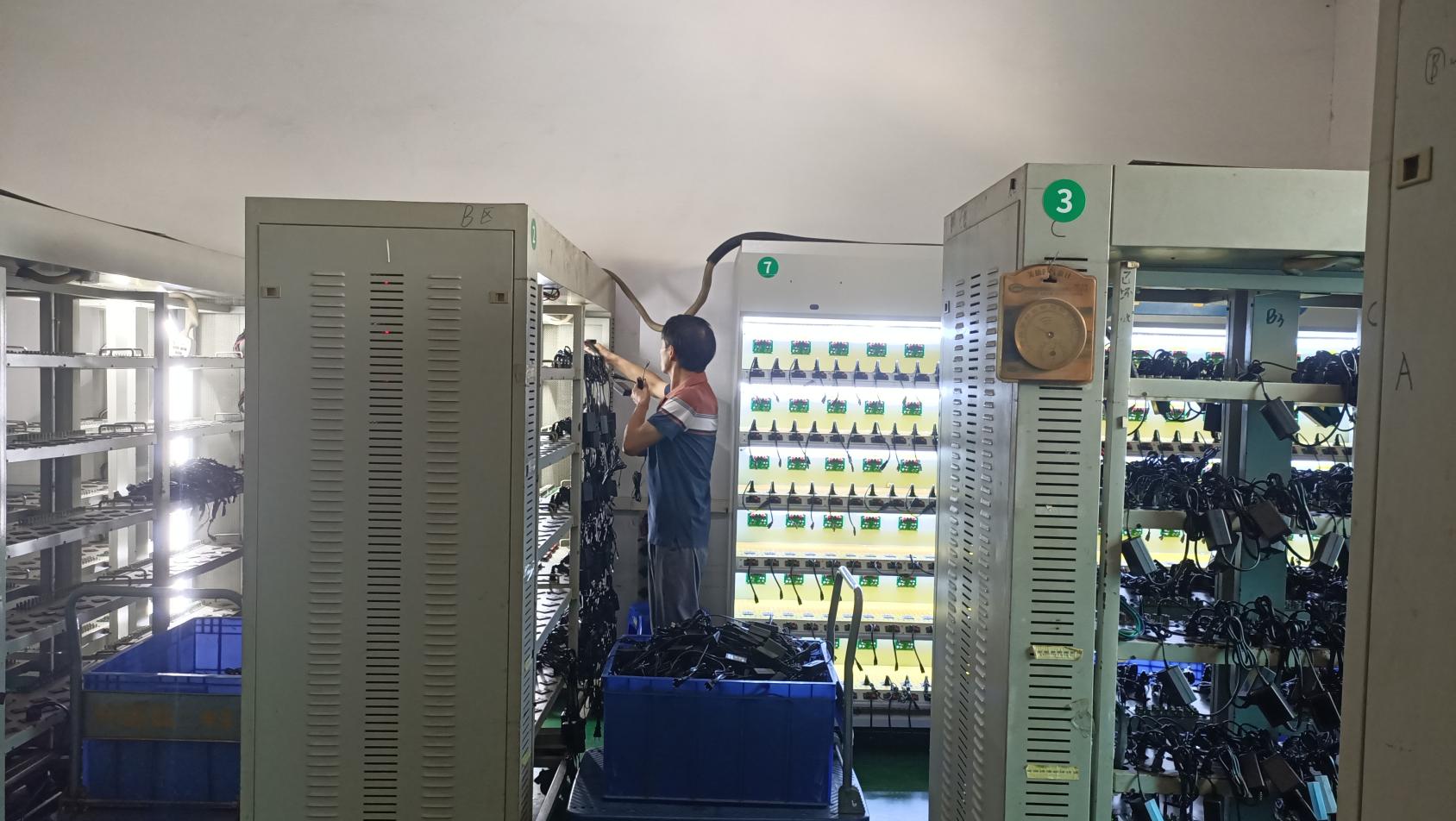 Aging
Aging
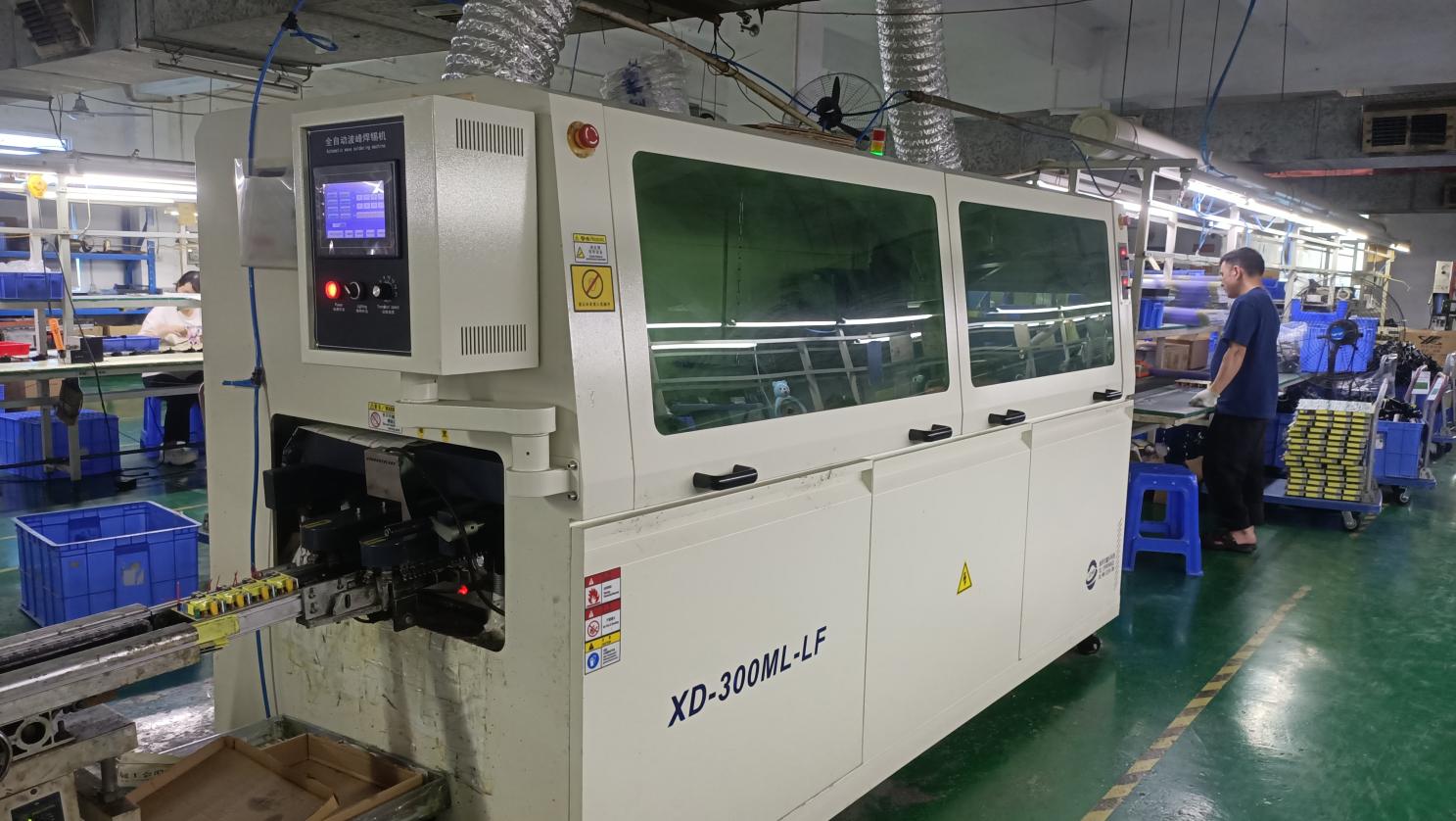 Wave Soldering Machine
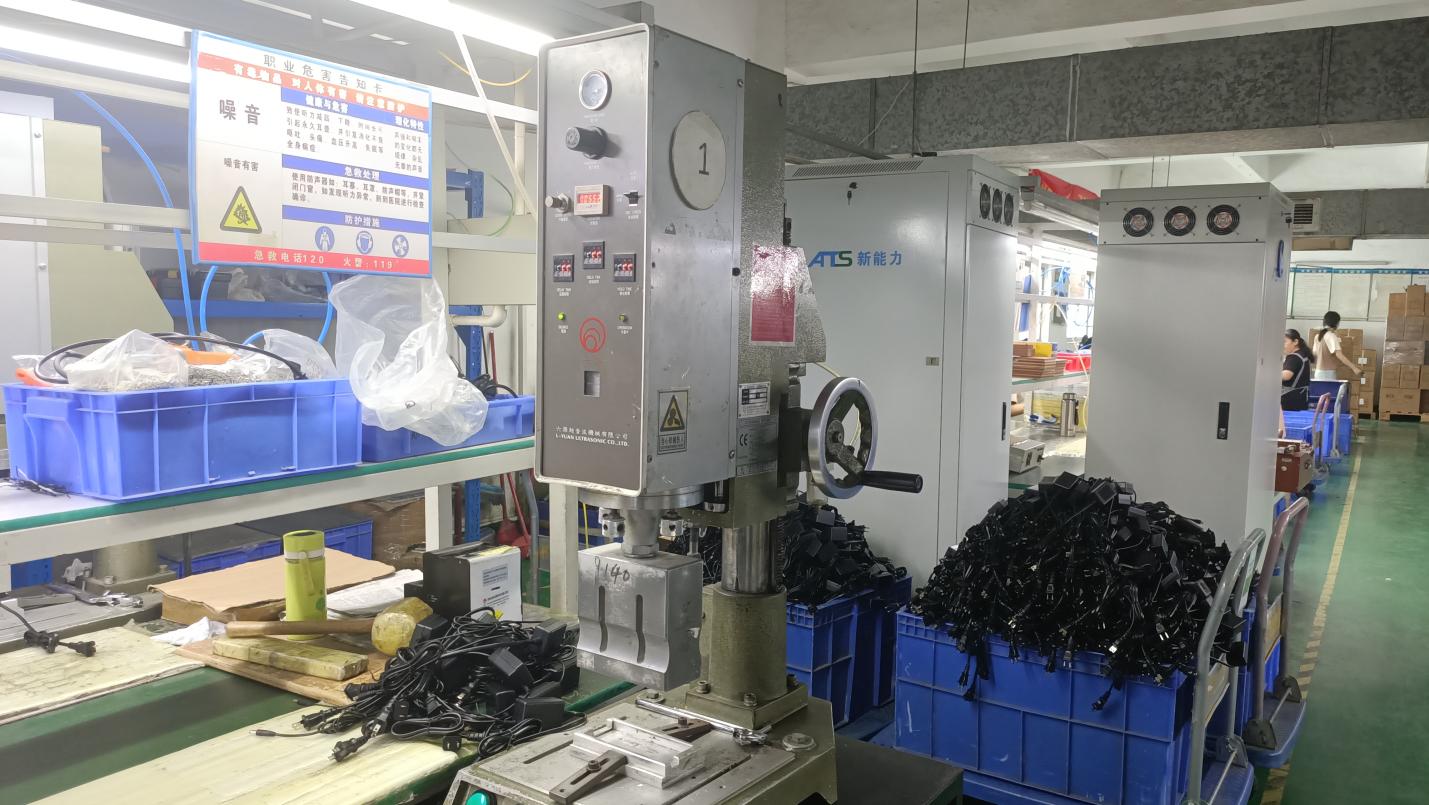 Ultrasonic Welding Machine
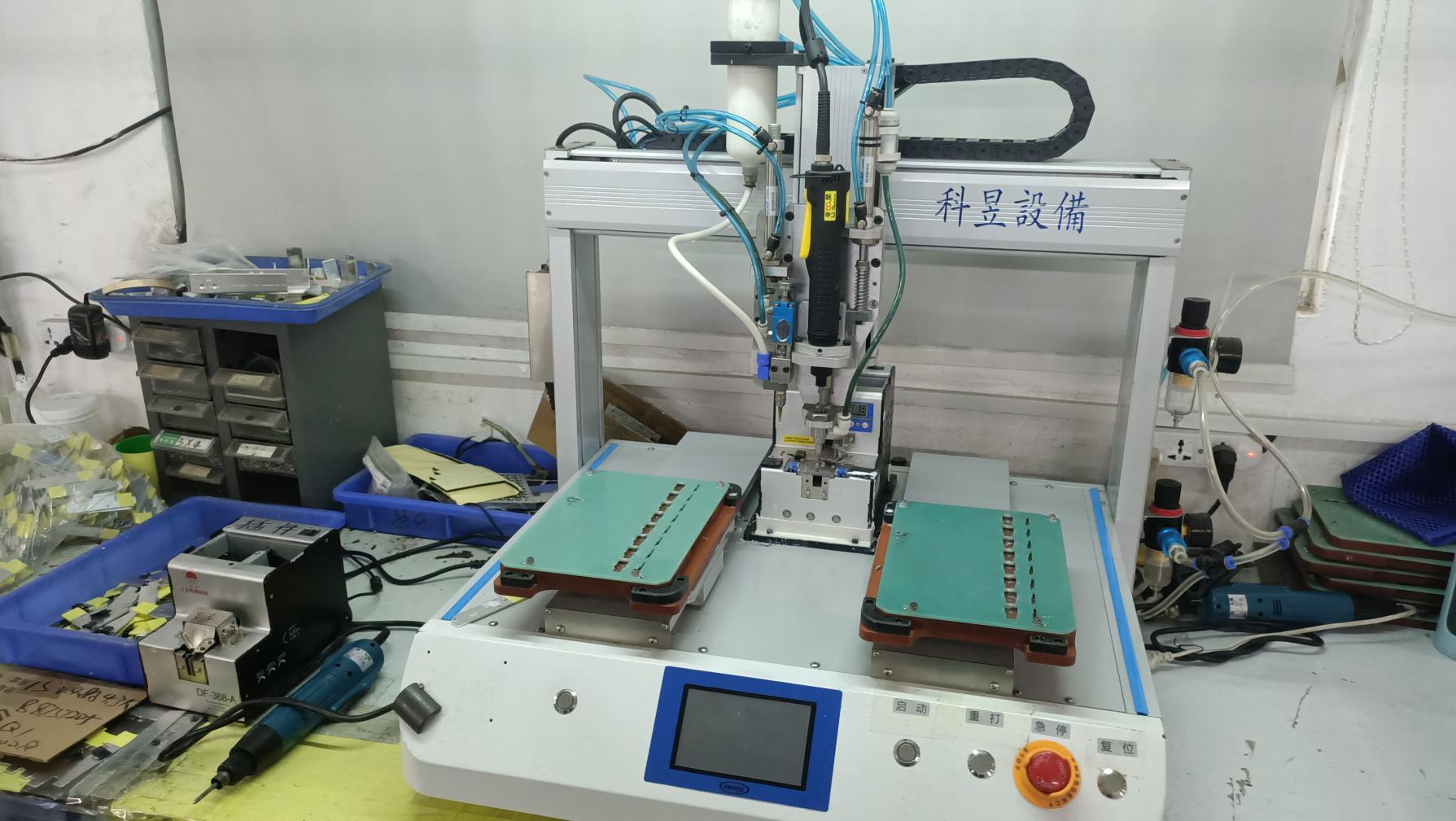 Automatic Screwing Machine
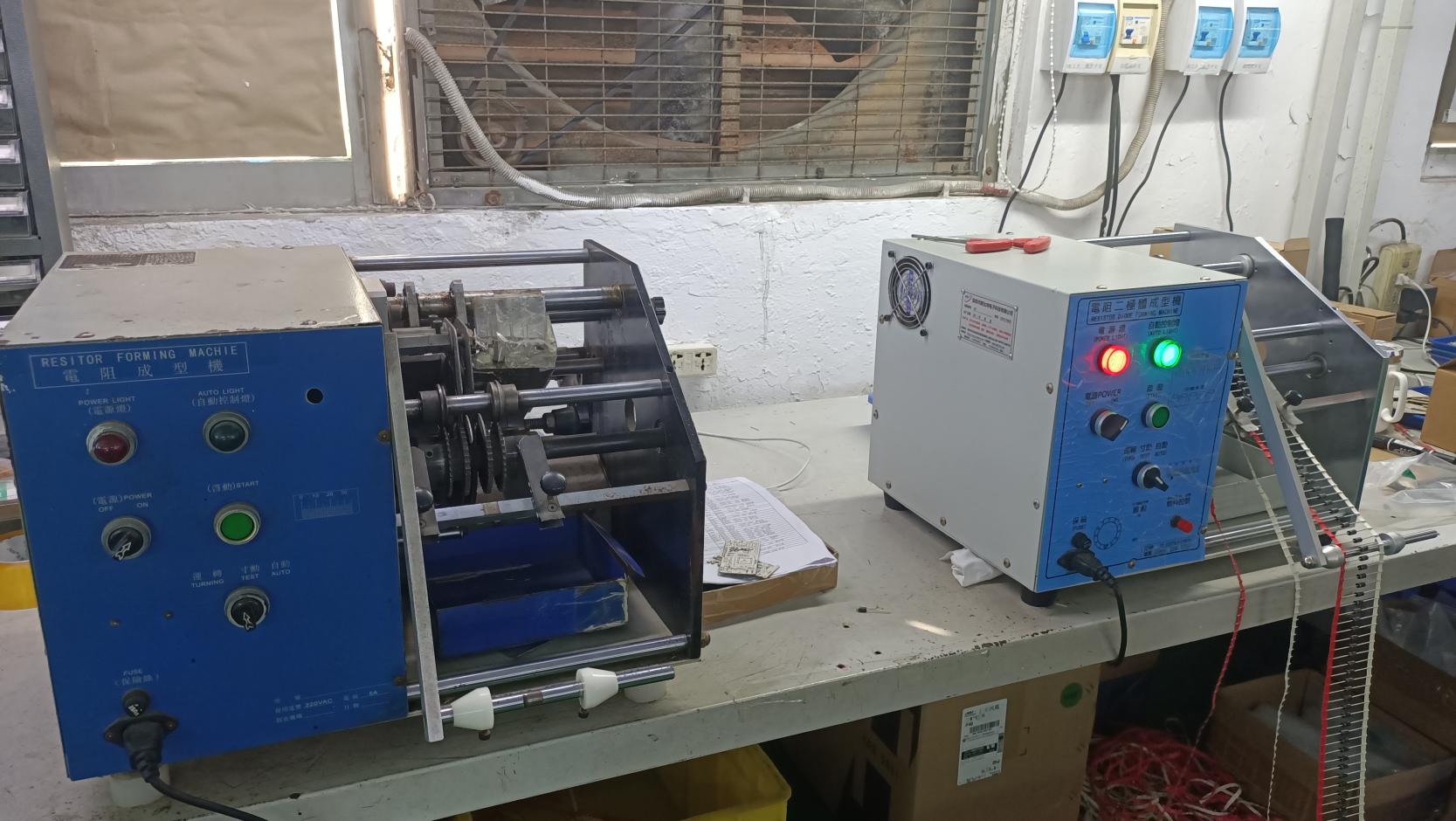 Resistance Molding Machine
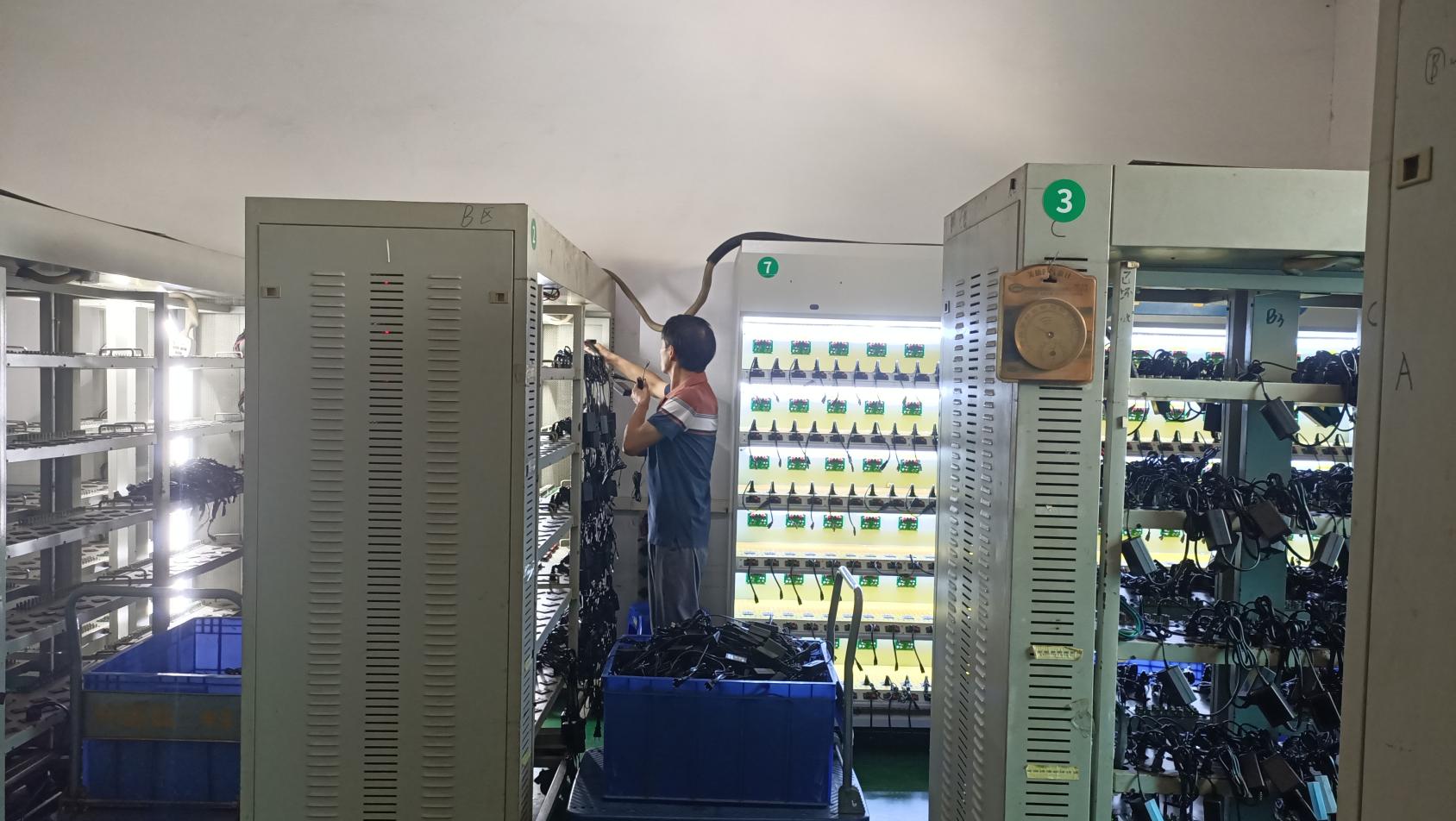 Aging
Aging
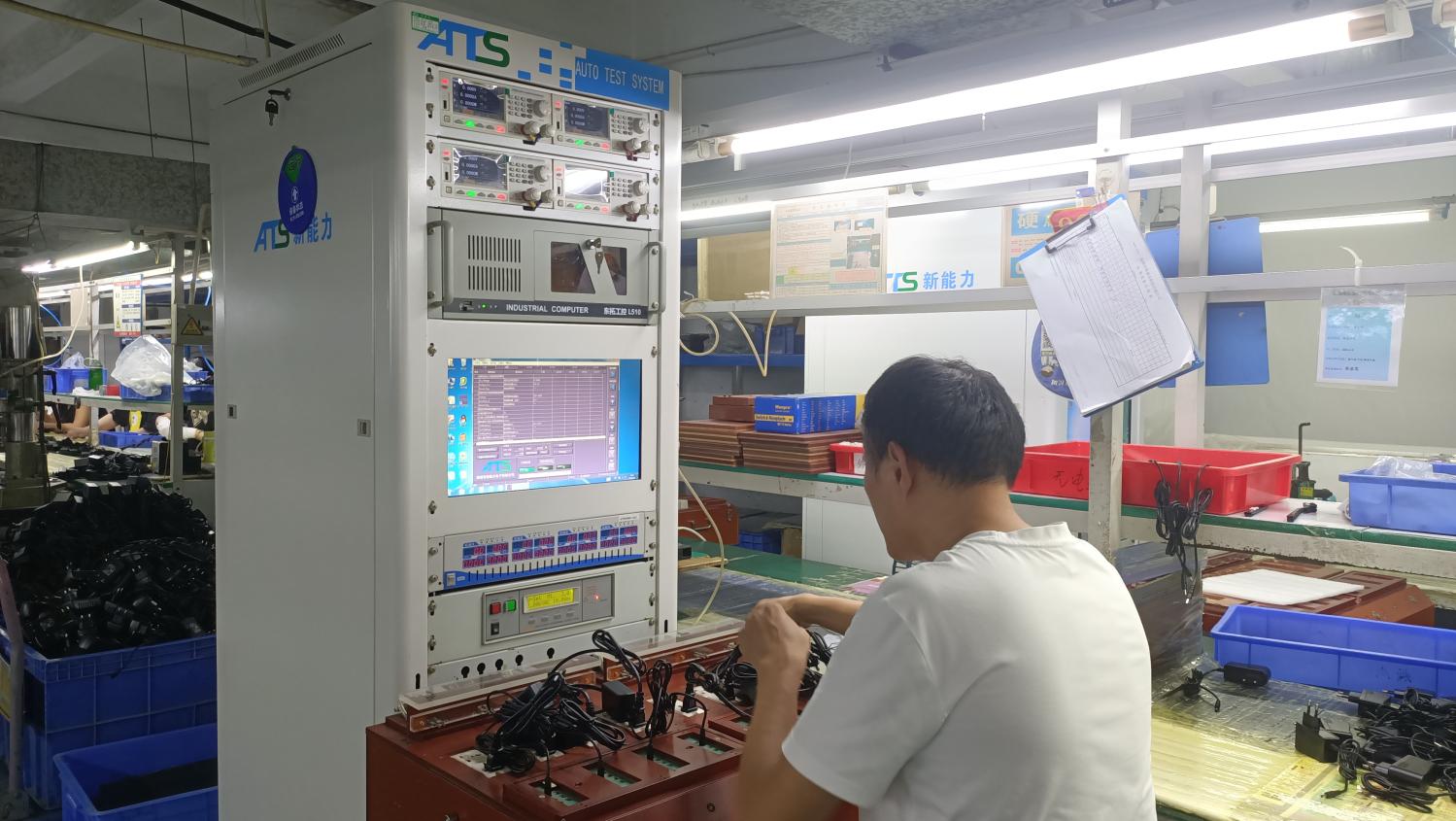 Testing
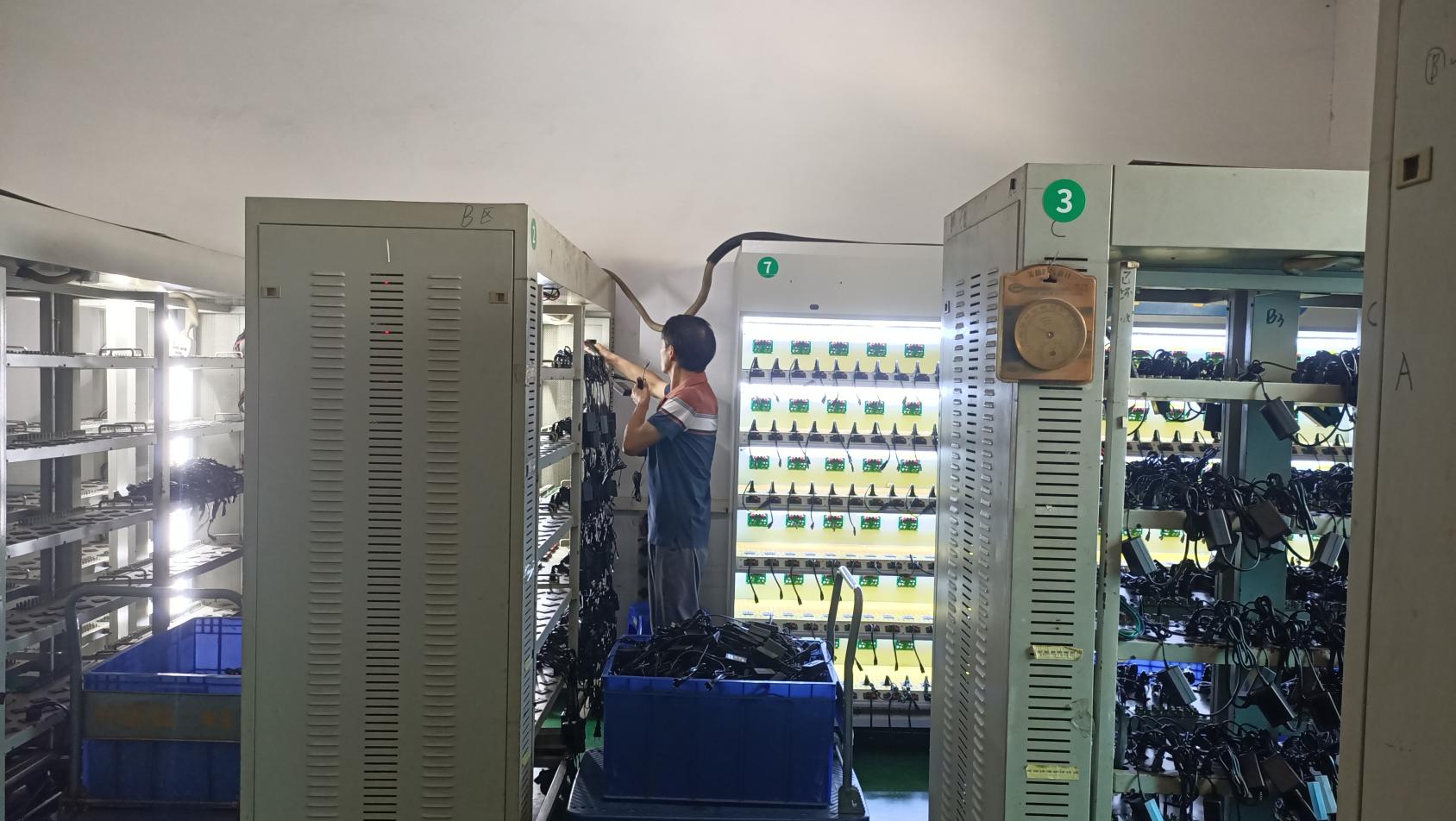 Aging Rack
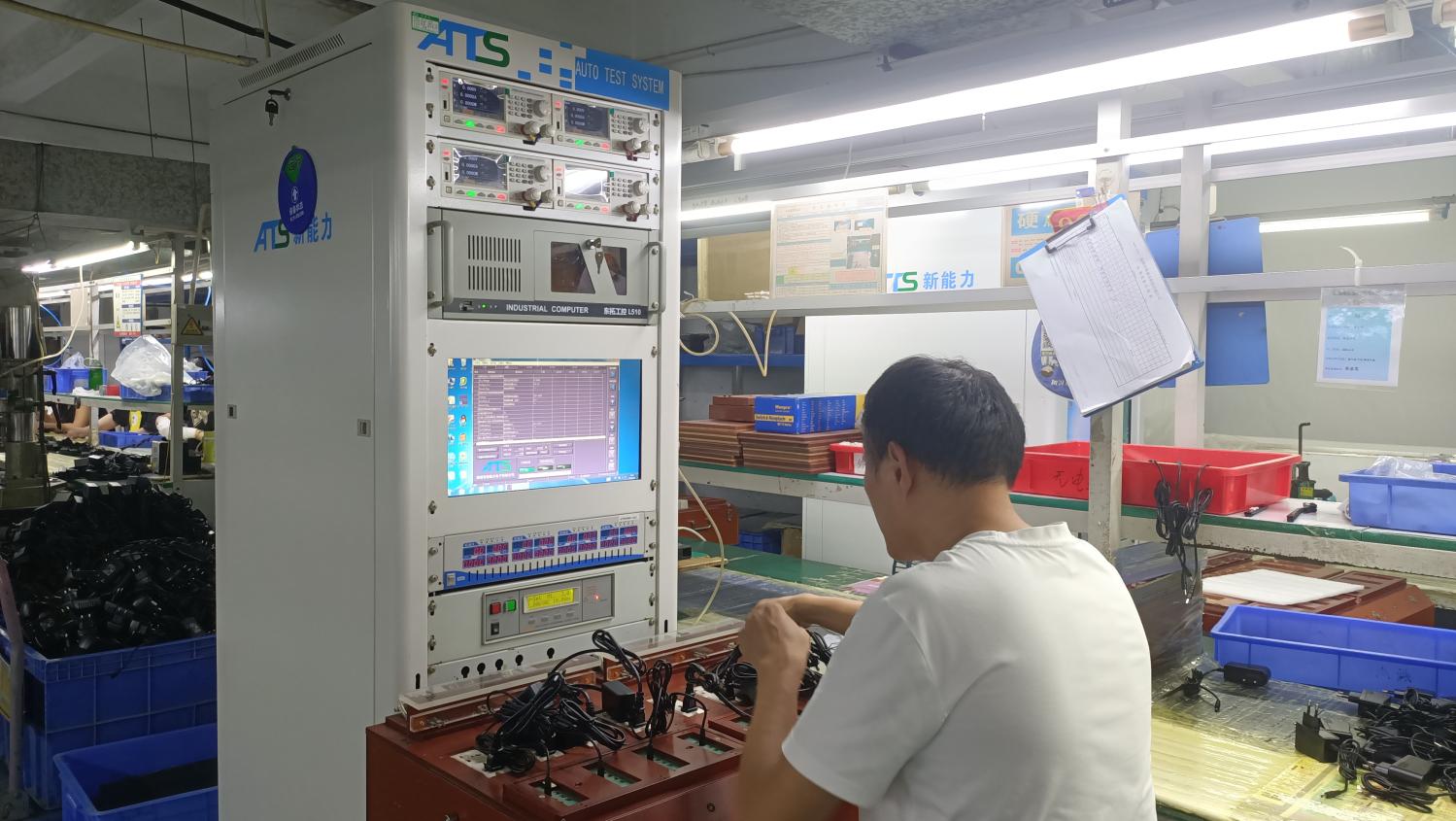 Automatic Testing Machine
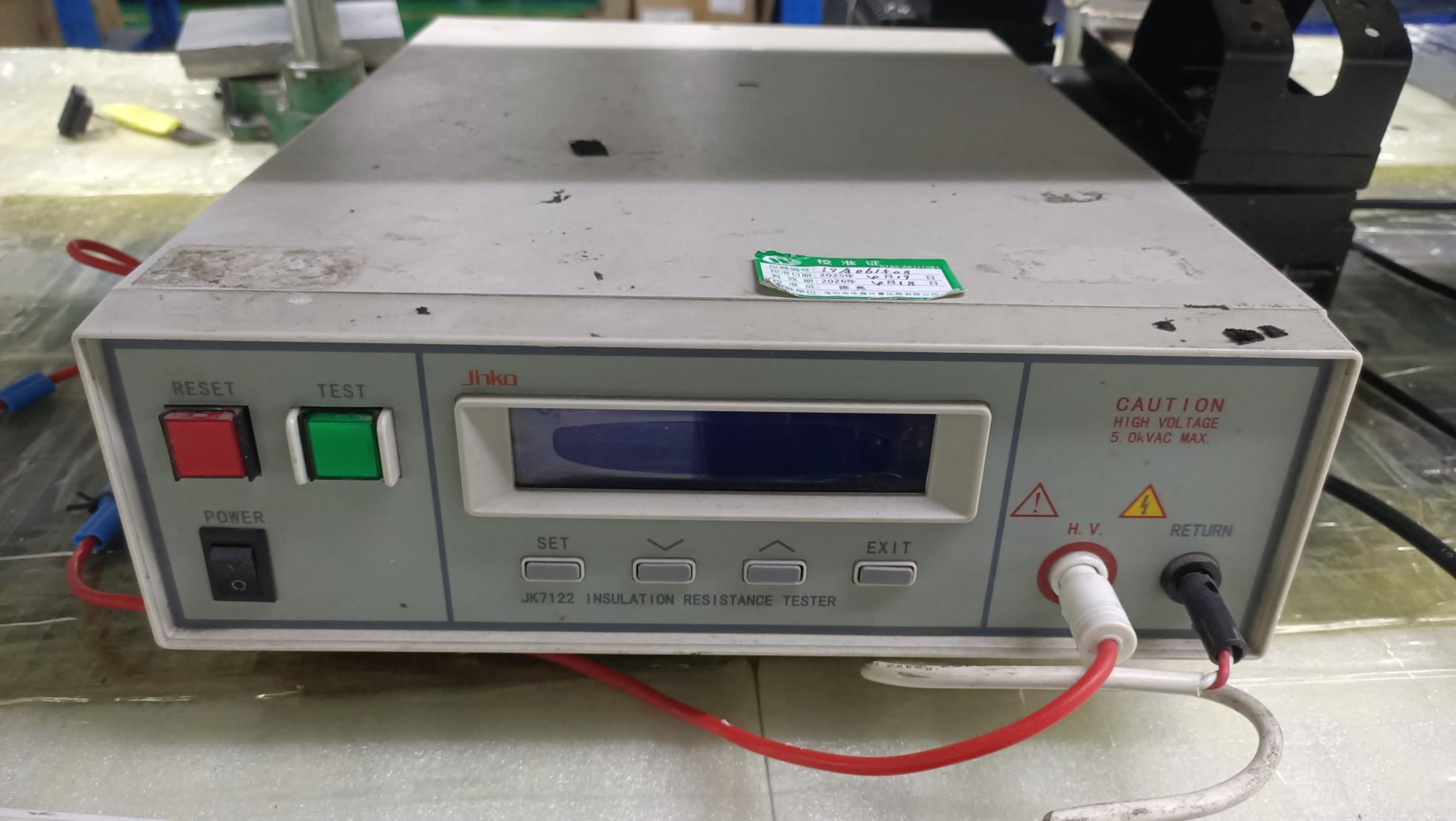 Insulation Resistance Tester
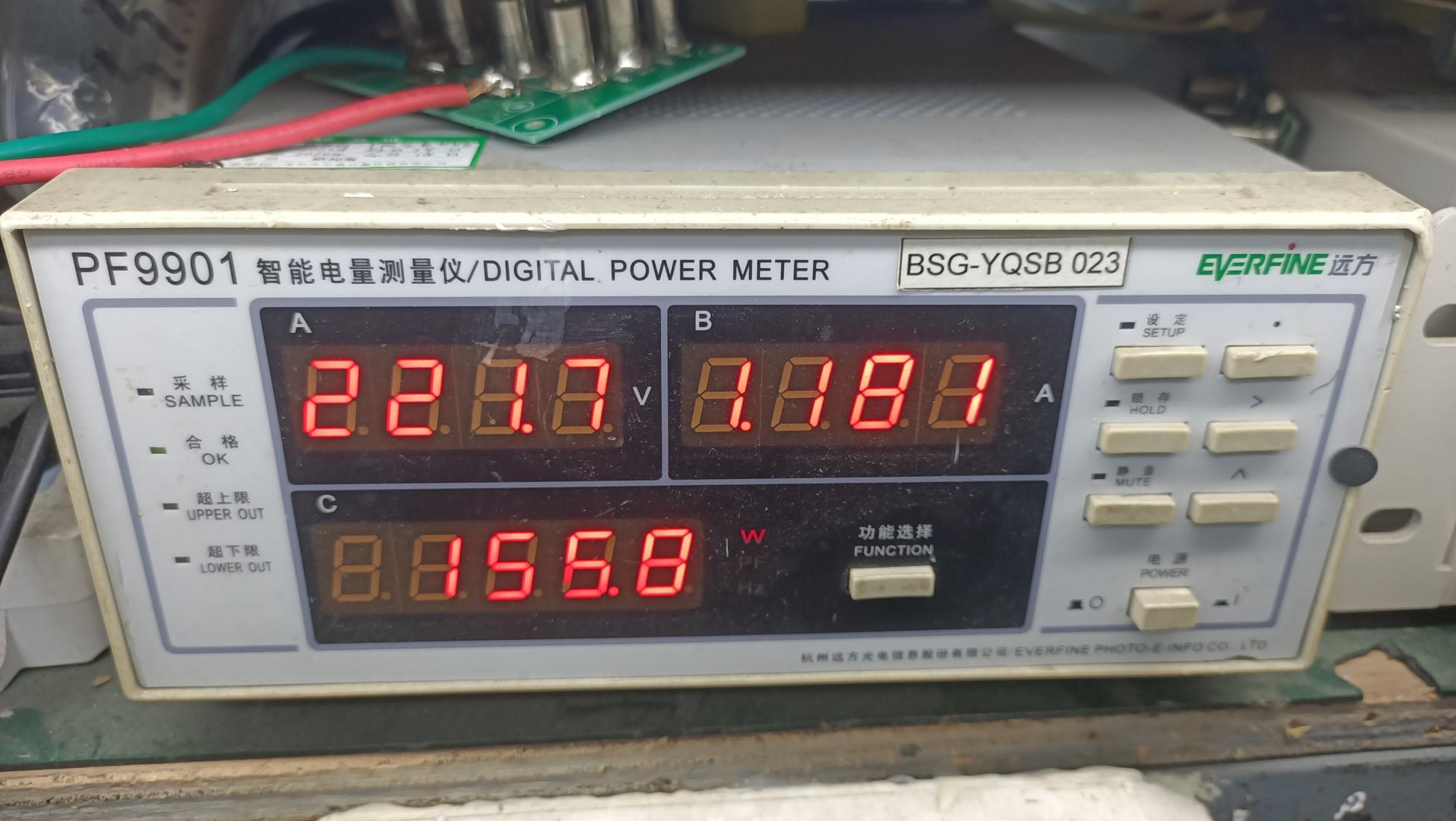 Digital Power Meter
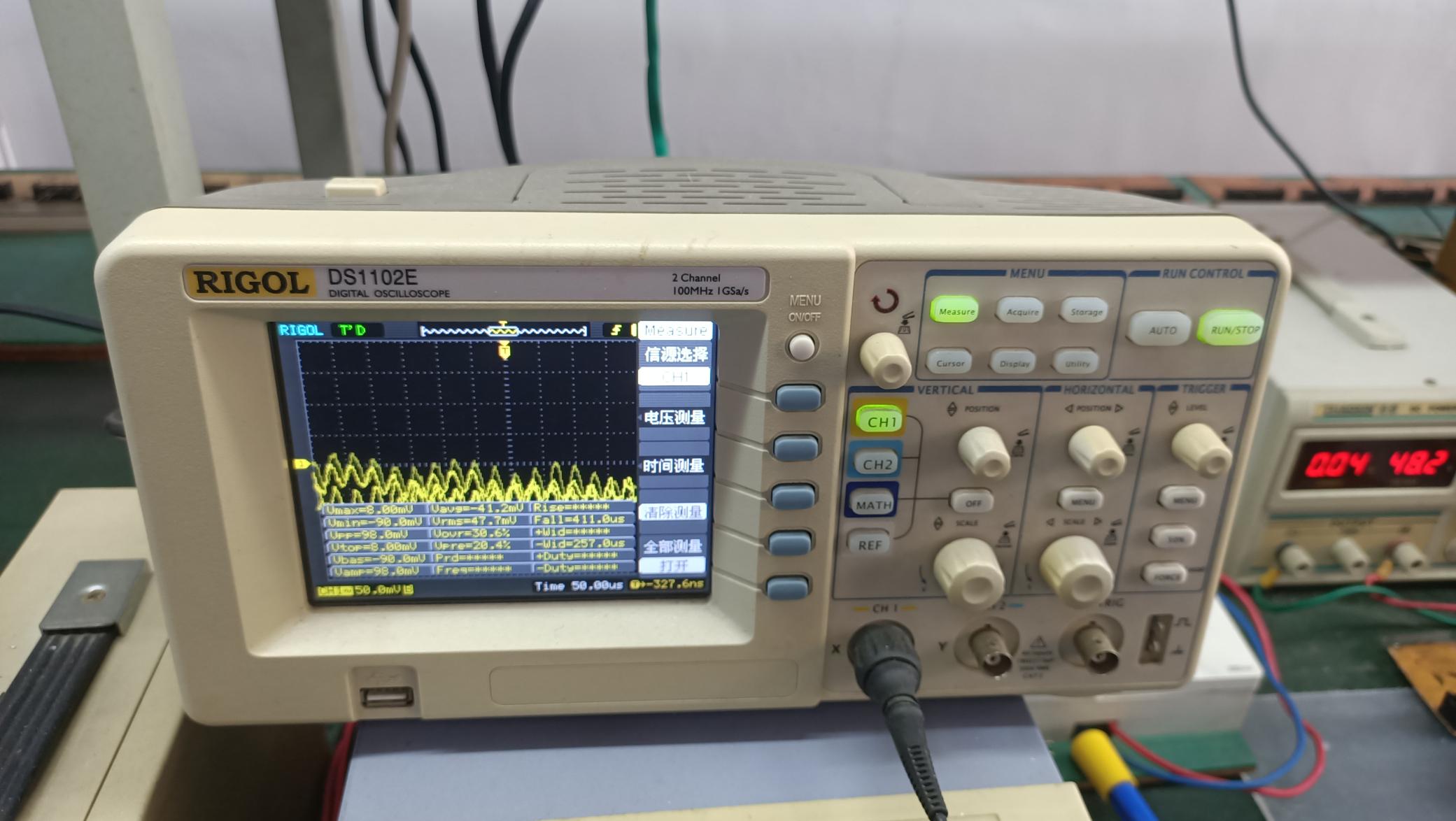 Digital Oscilloscope
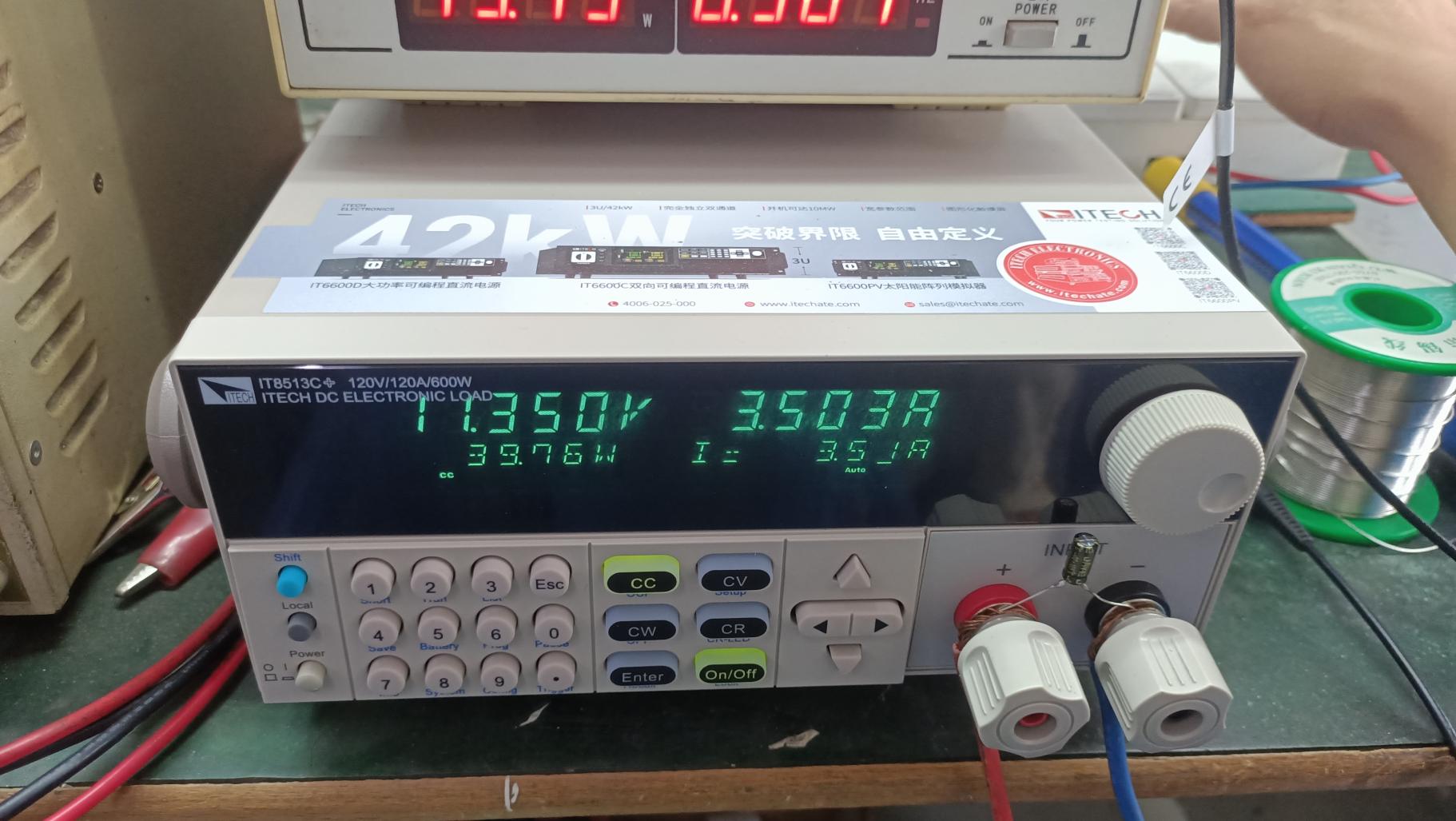 DC Electronic Load
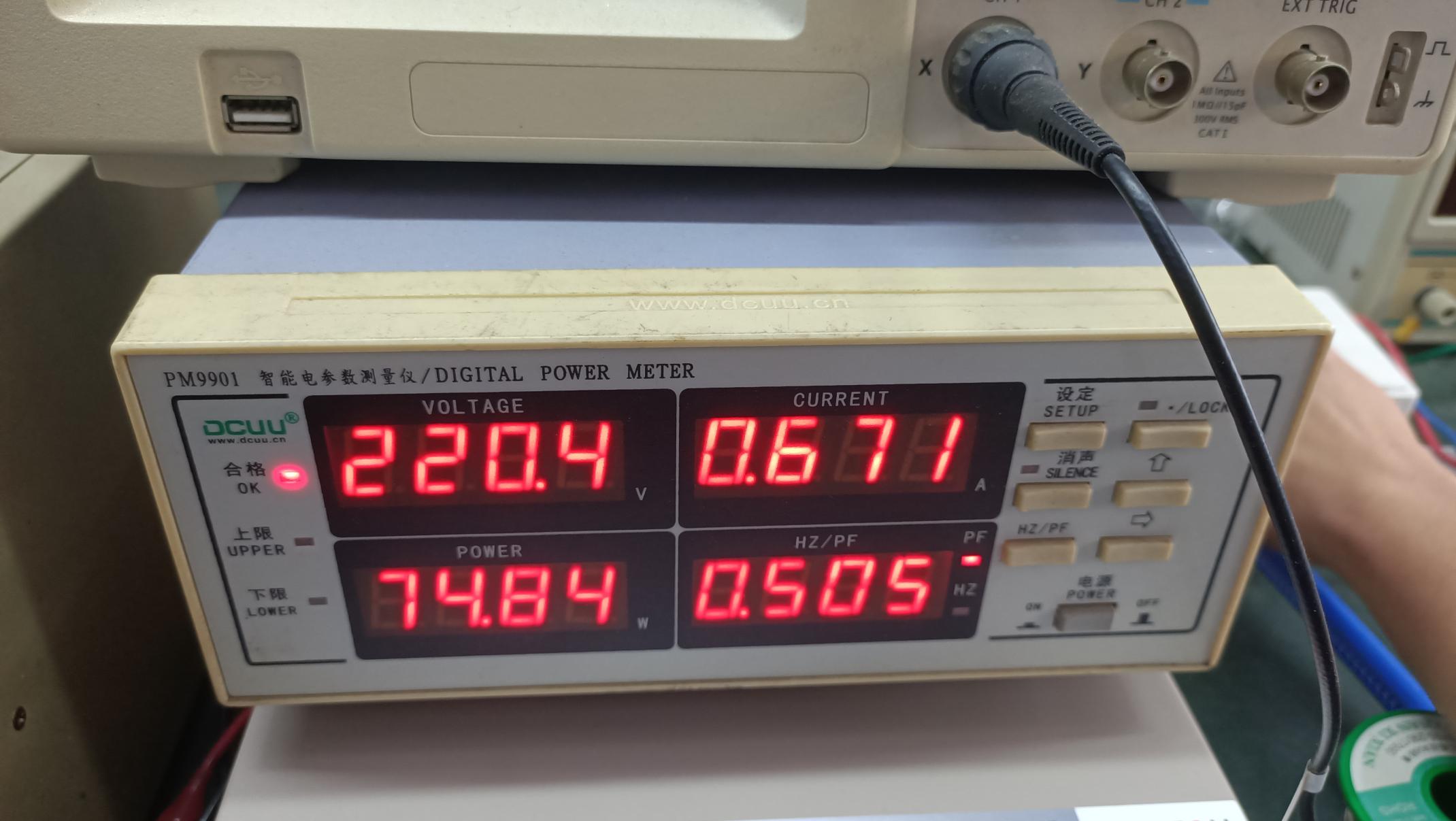 Digital Power Meter