CN Electronics
CN Electronics
CN Electronics
Sourced directly from our state-of-the-art manufacturing lines, these highly certified industrial and medical power supplies represent the benchmark of electrical integrity, thermal stability, and efficiency.
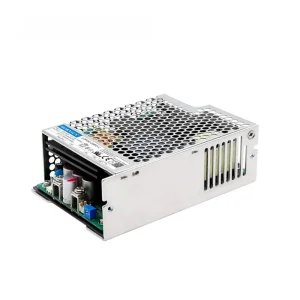
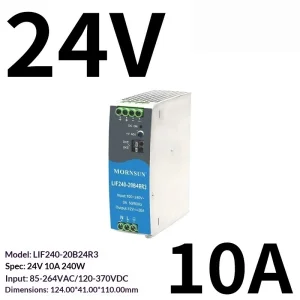
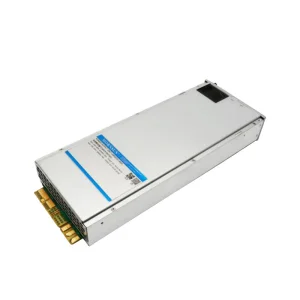
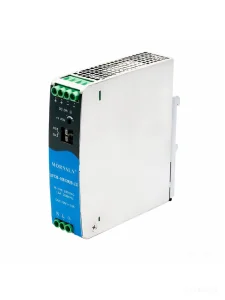
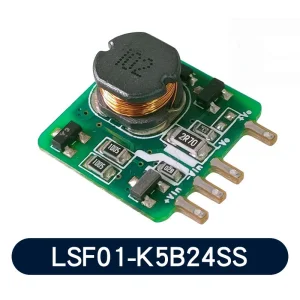
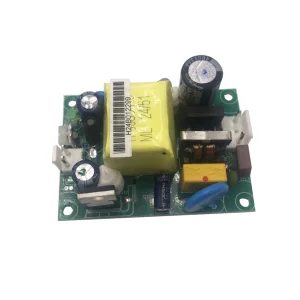
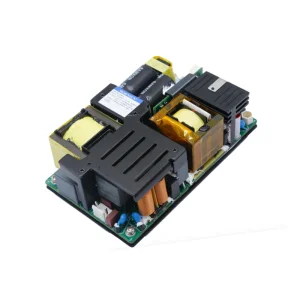
As industrial automation, telecommunications, and electric mobility continue to evolve, the necessity for robust, highly efficient DC/DC-boost converters has reached unprecedented heights. Globally, industries are moving towards distributed power architectures that demand minimal footprint, high isolation, thermal adaptability, and impeccable electromagnetic compatibility (EMC). High-efficiency voltage step-up components play a fundamental role in maintaining systemic stability, particularly in solar power optimization, battery management systems (BMS), and telecommunications networks where input voltage drops are common.
Accommodates massive fluctuations in supply voltage, ensuring a regulated output for critical components in fluctuating industrial grids.
Integrated Active Power Factor Correction (PFC) minimizes line harmonics and improves power transmission efficiency up to 96%.
Uncompromised operation at extreme temperature ranges (-40°C to +85°C) and high altitude conditions up to 5000 meters.
Modern electrical engineering calls for more than just simple component sourcing; it requires end-to-end integration protocols that address efficiency, environmental hazards, and regulatory clearances. Top-tier China manufacturers offer customized technical solutions designed around complex power topologies. Below is a structured blueprint outlining standard design paths for demanding applications.
| Application Field | Technical Challenge | Converter Topology & Feature | Compliance Standard |
|---|---|---|---|
| Industrial Automation | Extreme EMI environment, sudden peak current draw, and mounting limitations. | Synchronous active rectifying, DIN-rail chassis, integrated active PFC. | UL508, EN61000-4-5 Class A |
| Medical Grade (BF Type) | Strict patient leakage current requirements, high dielectric isolation requirement. | Reinforced insulation (>4000VAC), ultra-low leakage current, open frame layouts. | IEC60601-1 BF Class, 2xMOPP |
| Hazardous Environments | Flammable gases, volatile vapors, danger of electrical arcing. | Explosion-proof potted housings, non-sparking terminal designs (Zone 2). | IEC/EN60079 Ex Ec/nC ATEX |
| Telecom & Remote Infrastructure | Long transmission line voltage drop, thermal stress at high altitude. | Ultra-wide input voltage ratio boost converter, high efficiency (95%+). | IEC62368, 5000m Altitude Rating |
Founded in 2006 and headquartered in Shenzhen, China, CN Electronics is a leading, technology-driven manufacturer specializing in high-precision electronics, custom circuitry, and comprehensive OEM/ODM solutions. We bridge the gap between complex hardware blueprints and market-ready products for tech innovators worldwide.
With a state-of-the-art production facility spanning over 10,000 square meters, we integrate advanced automated assembly lines with rigorous quality control protocols. Our core capabilities cover the entire product lifecycle—including rapid PCB prototyping, component sourcing, high-volume SMT placement, and final system integration. We understand that in the fast-paced hardware industry, agility and reliability are everything. That is why we have optimized our supply chain to offer seamless communication, transparent project tracking, and uncompromising quality standards (certified under [ISO9001/CE/FCC etc.]).
Whether you are scaling a smart infrastructure project, developing next-gen consumer hardware, or sourcing robust industrial components, CN Electronics is your trusted engineering and manufacturing partner. We don’t just assemble parts; we power your growth.
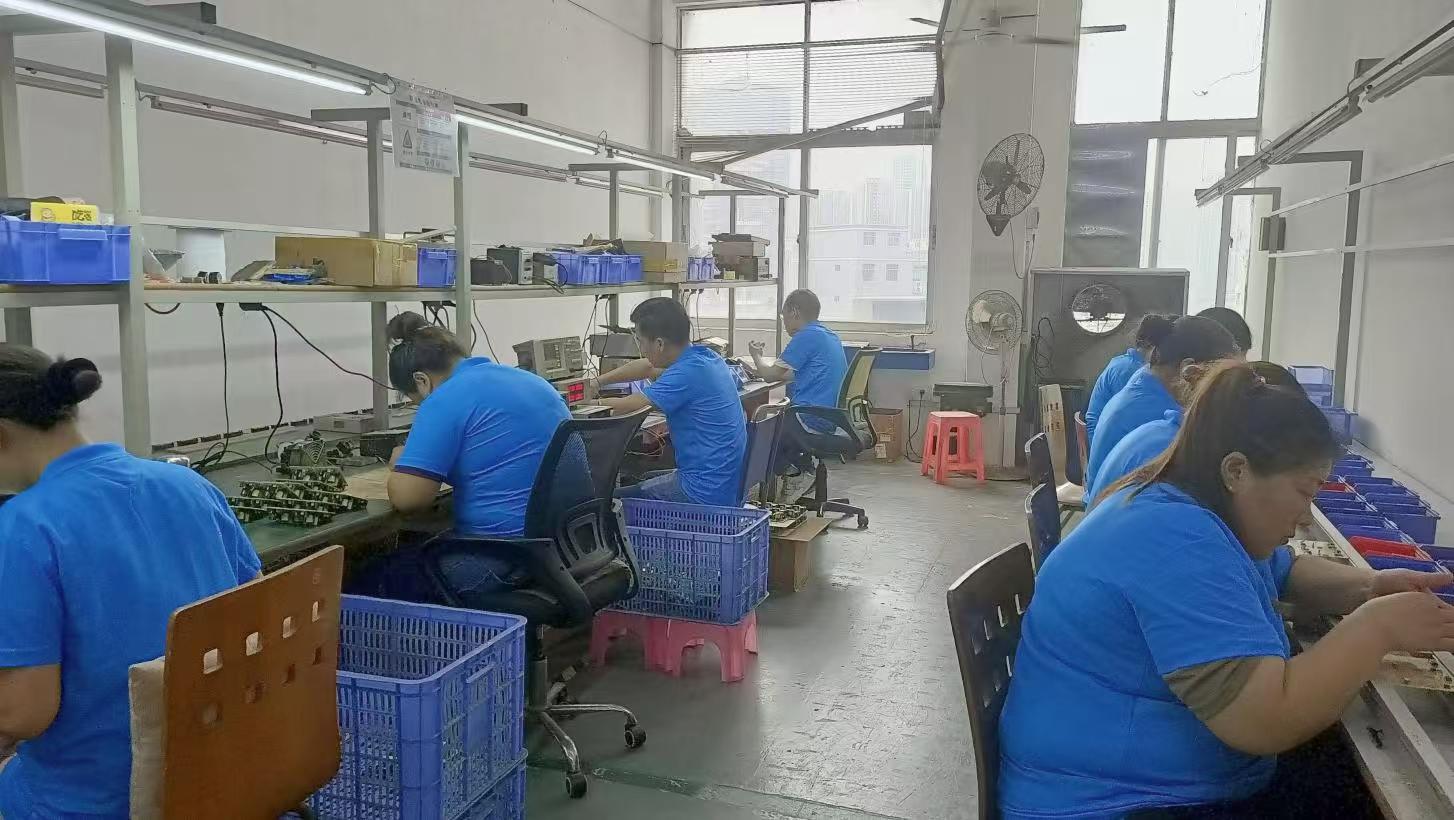
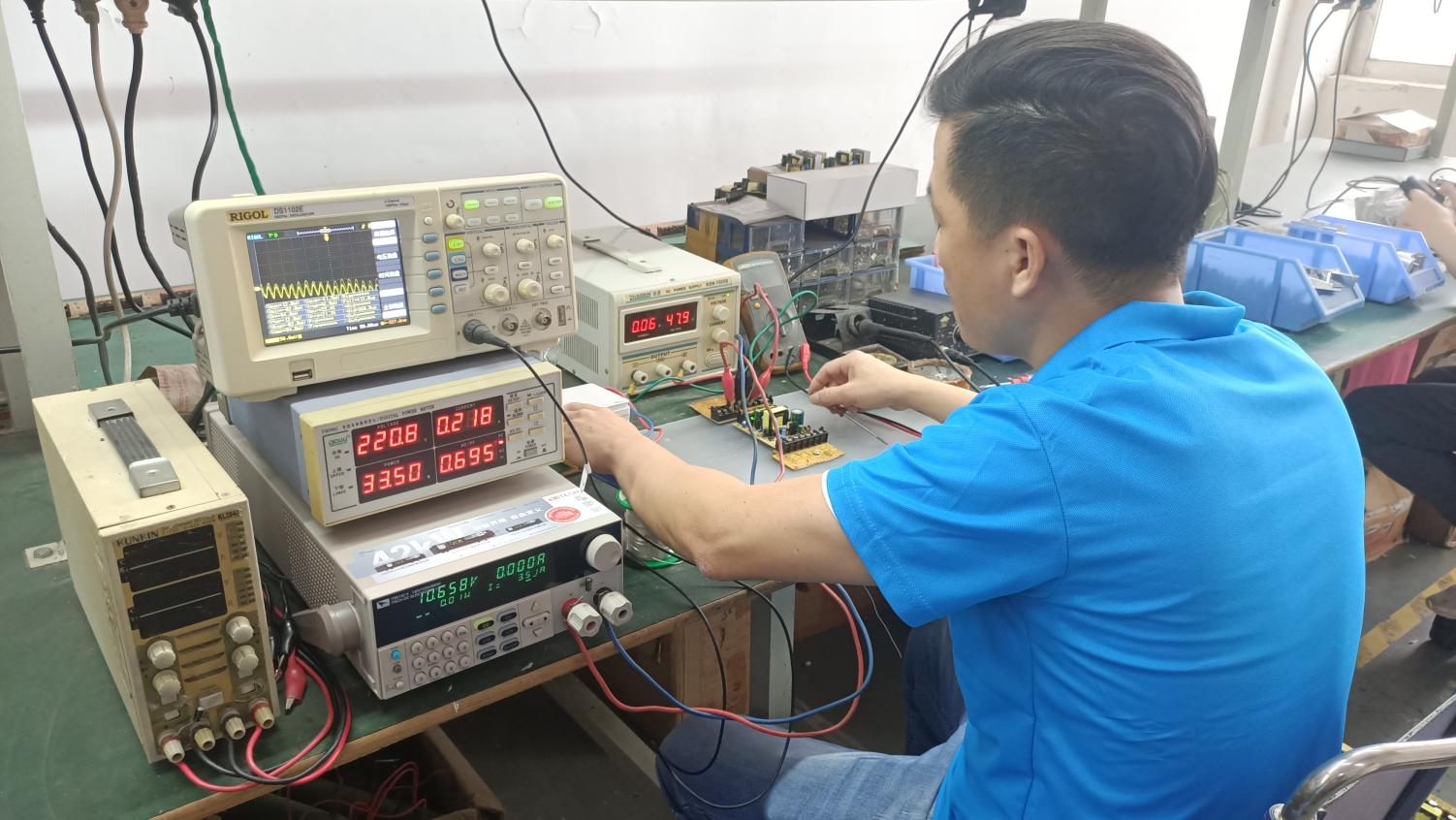
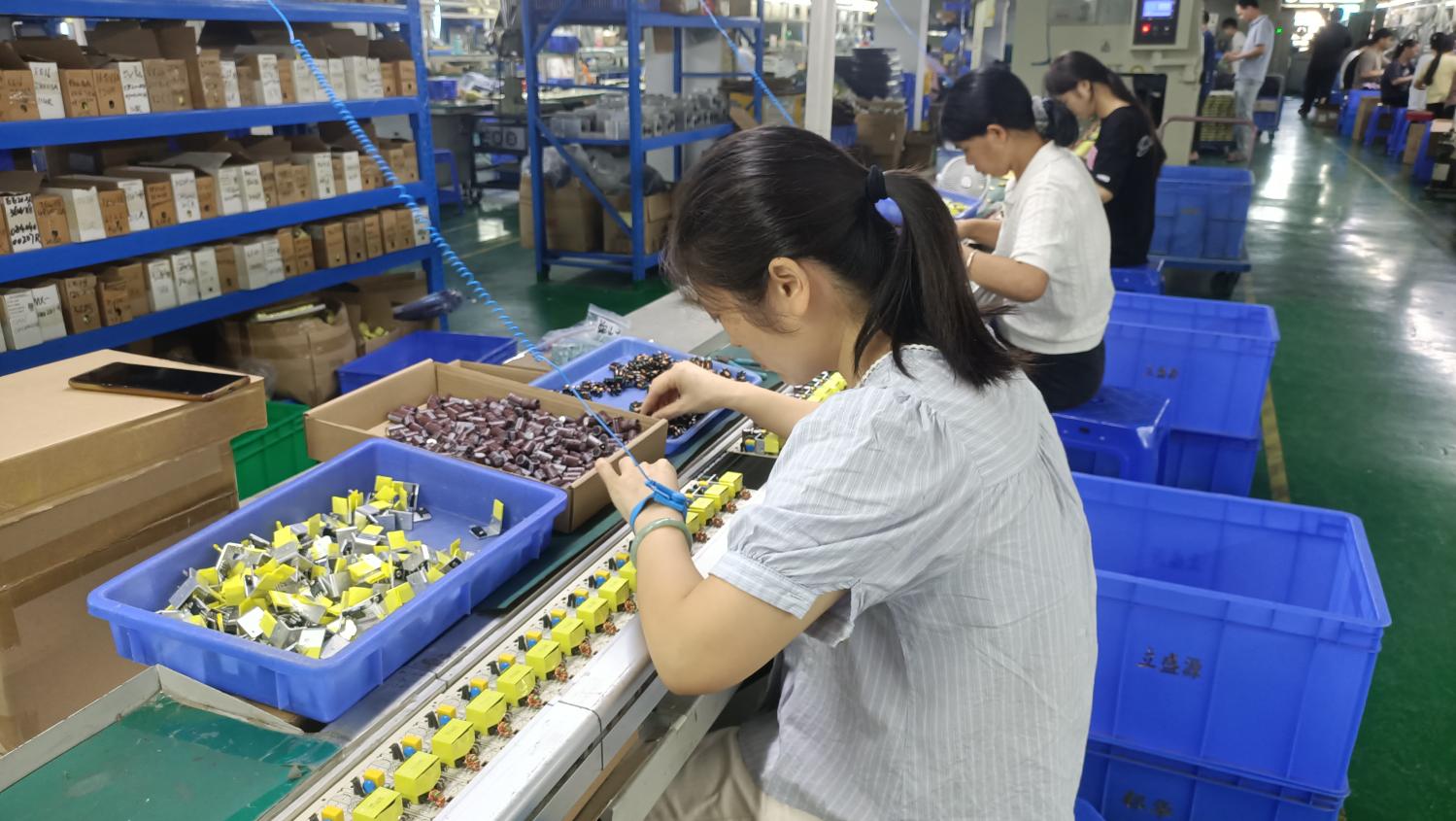
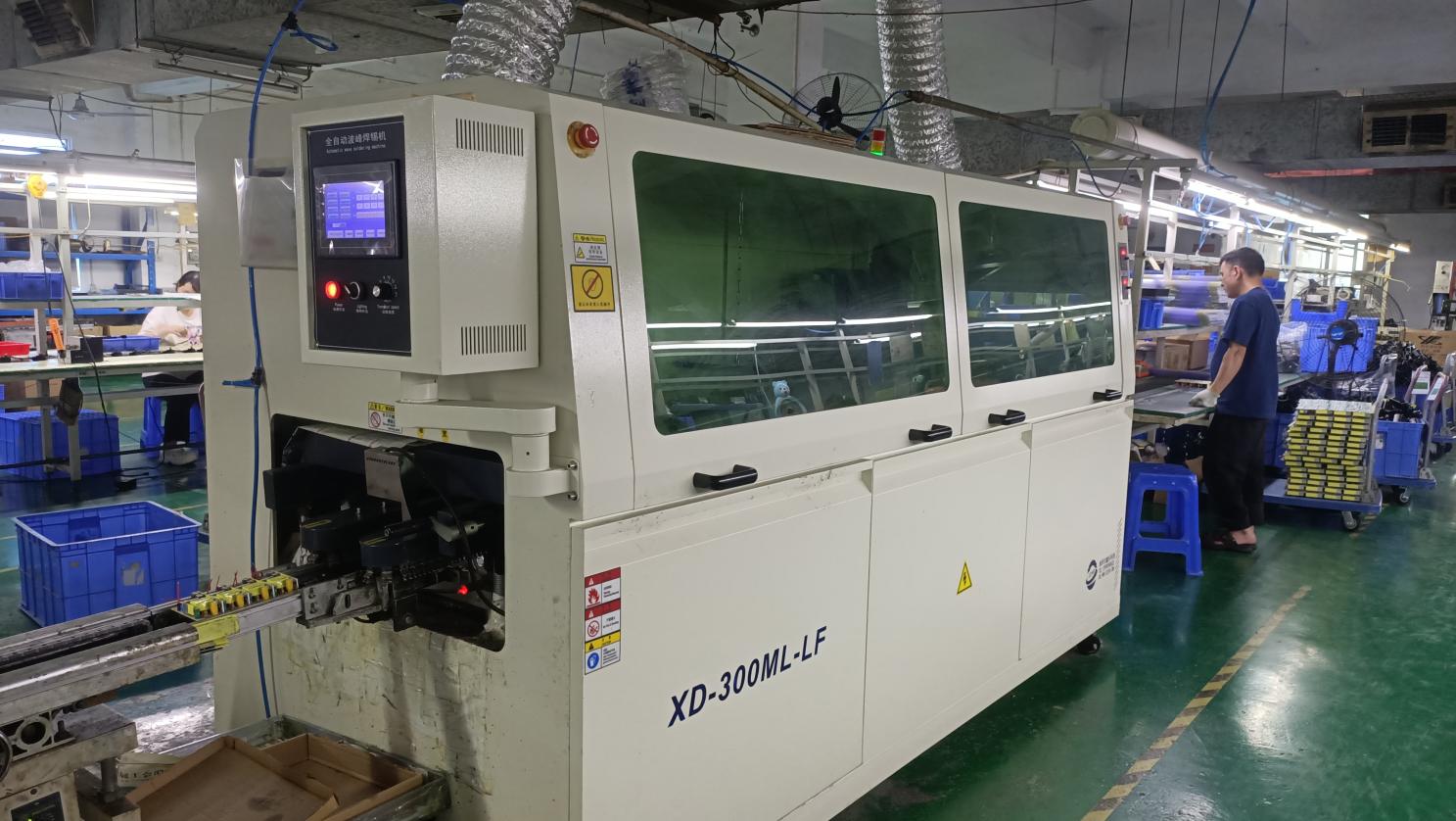
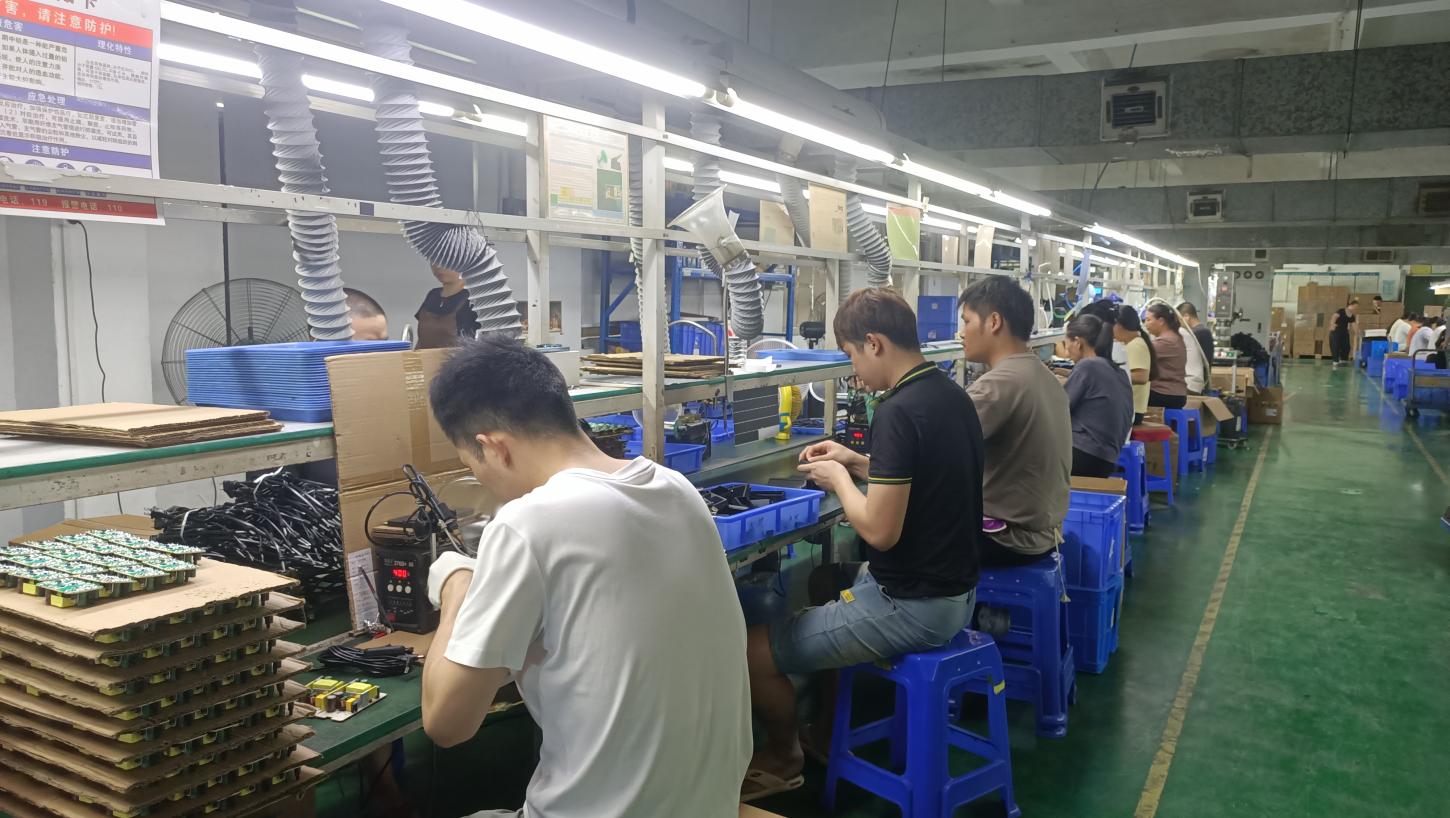
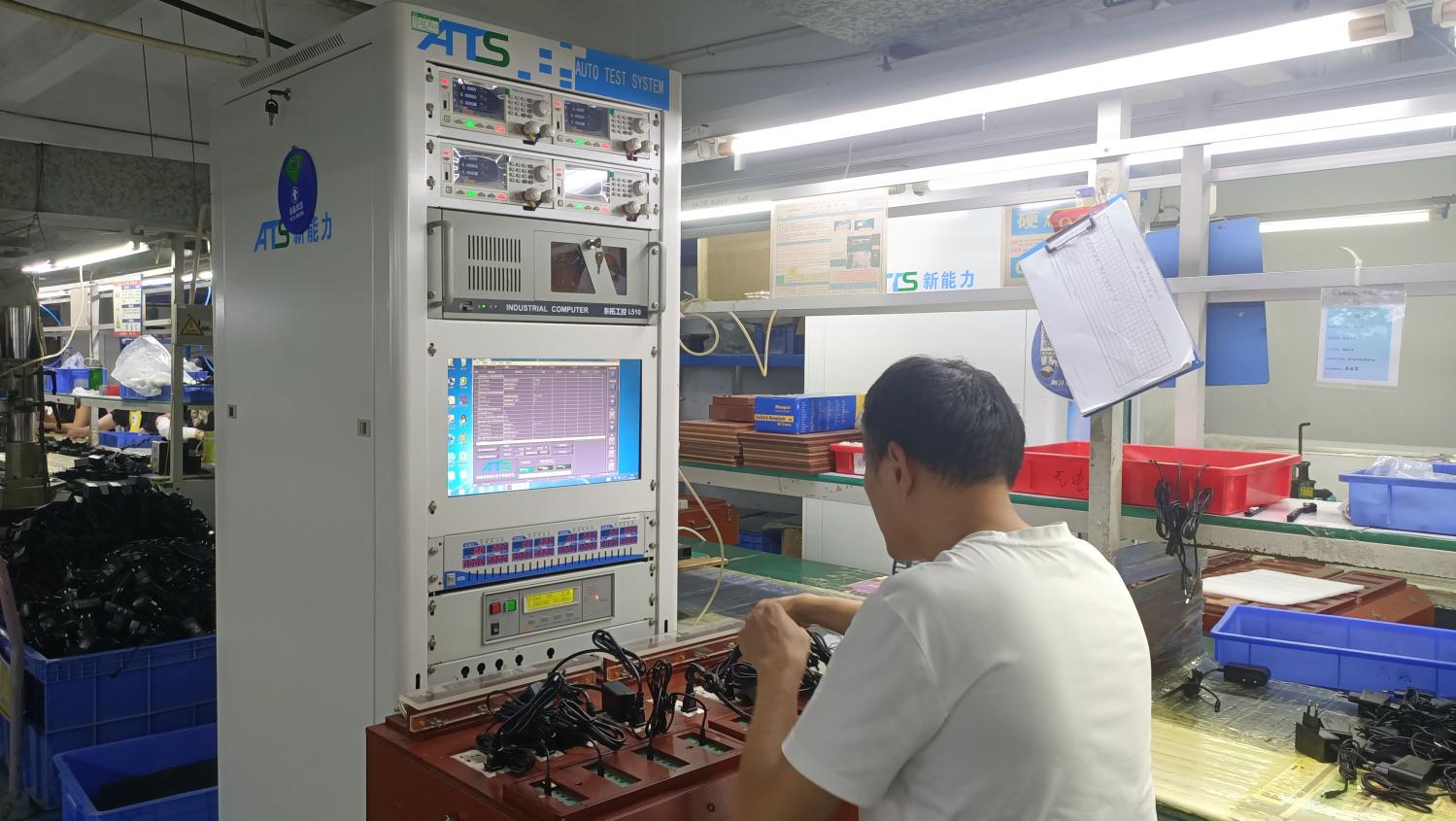
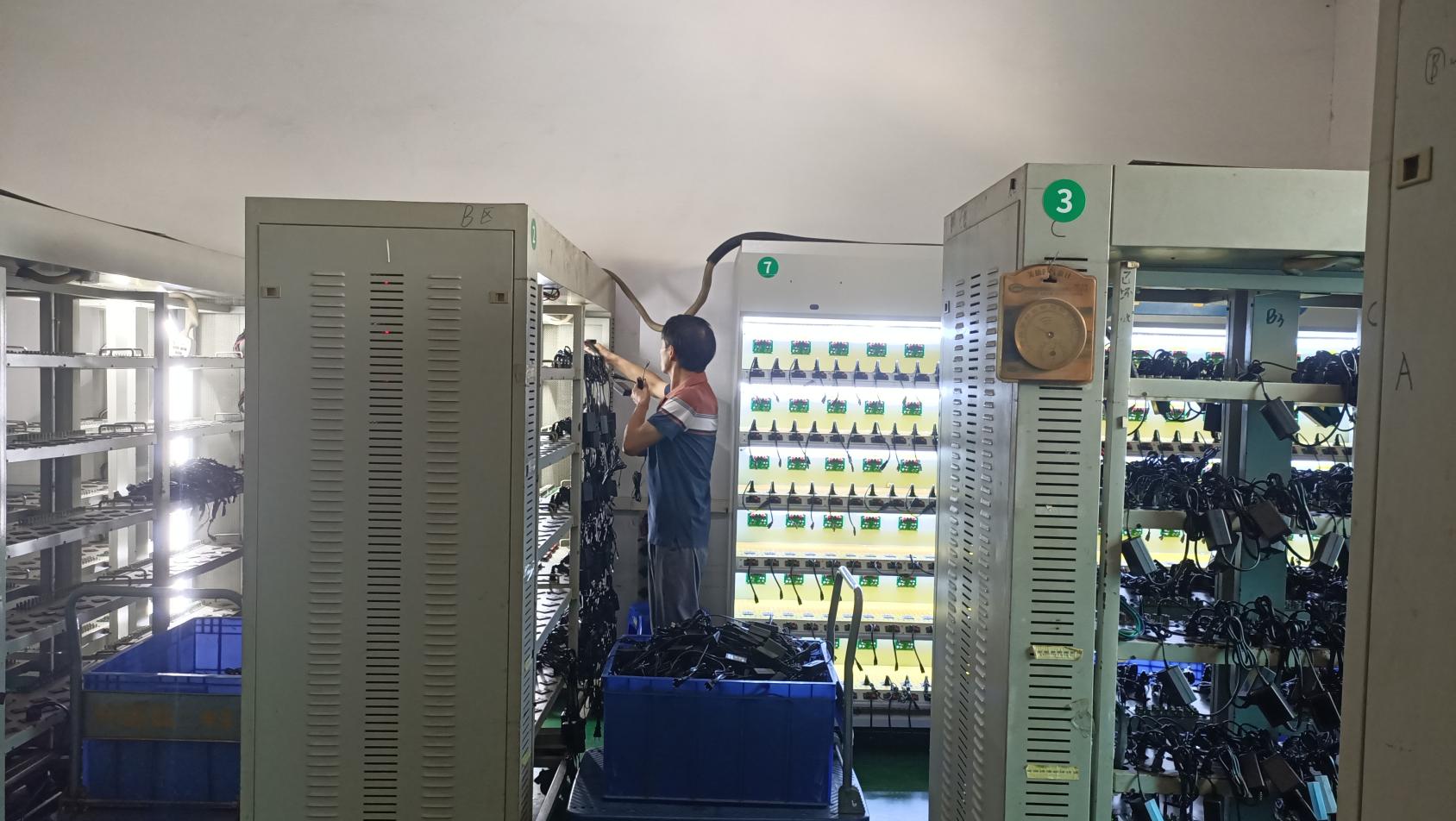
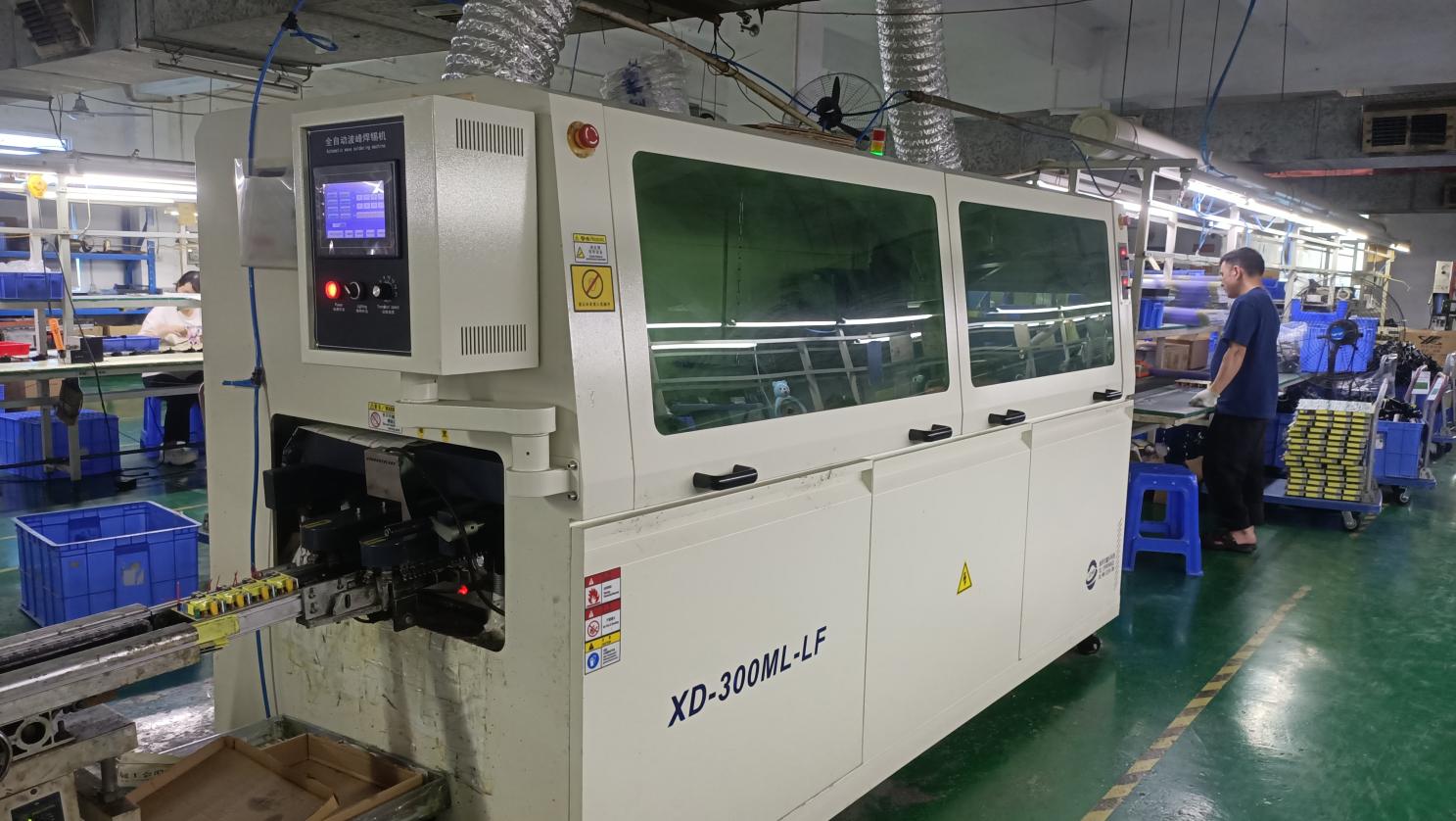
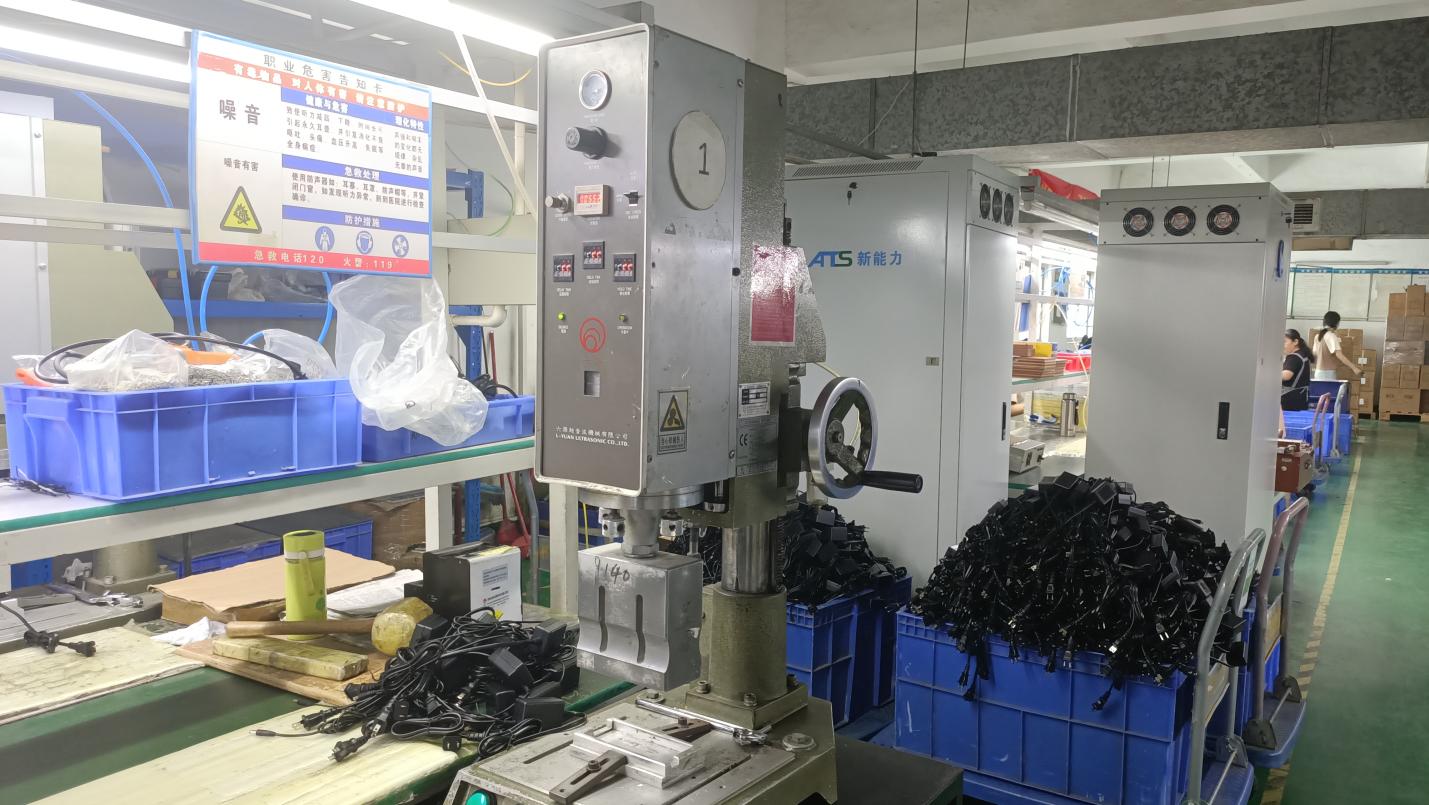
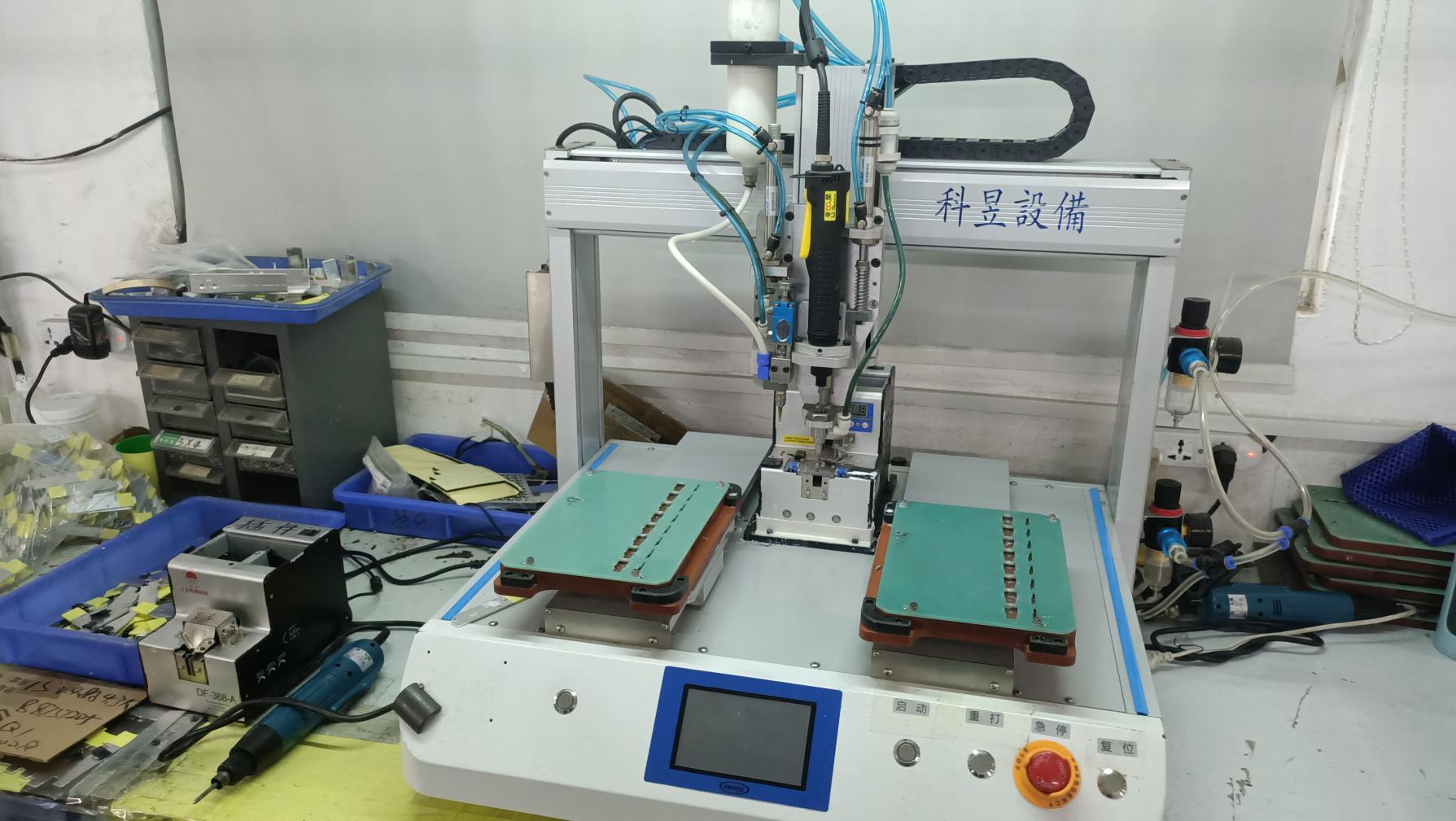
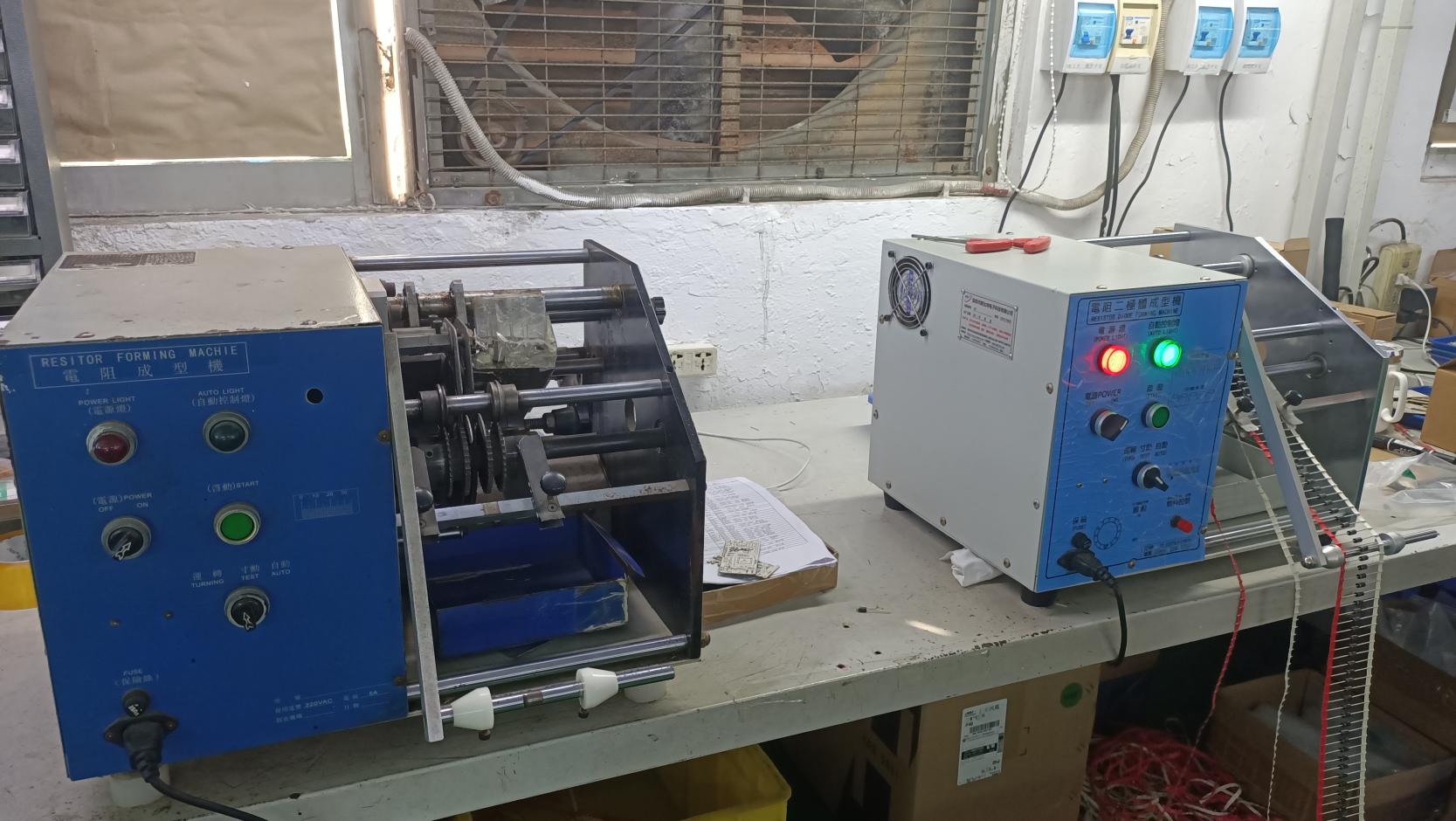
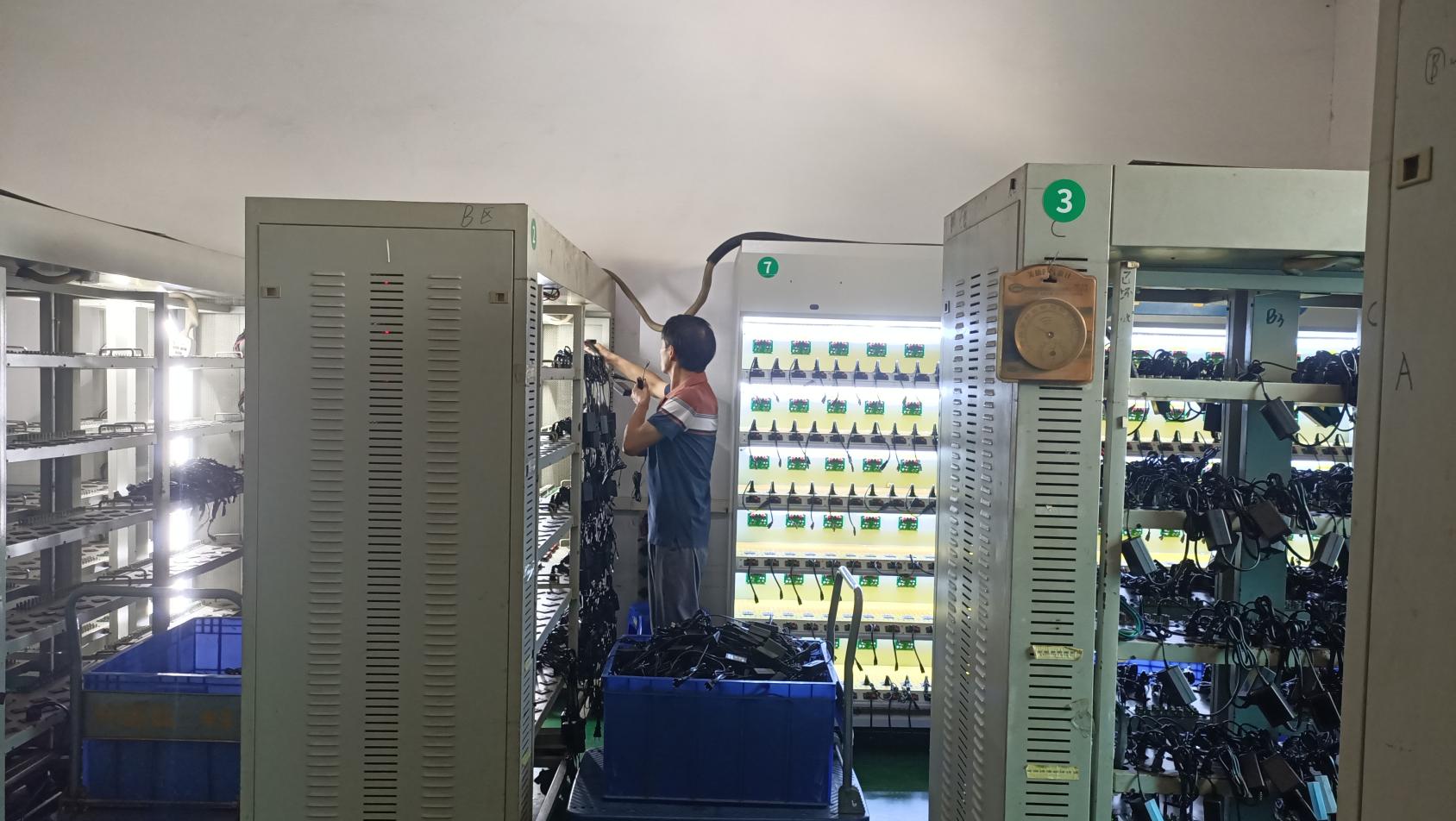
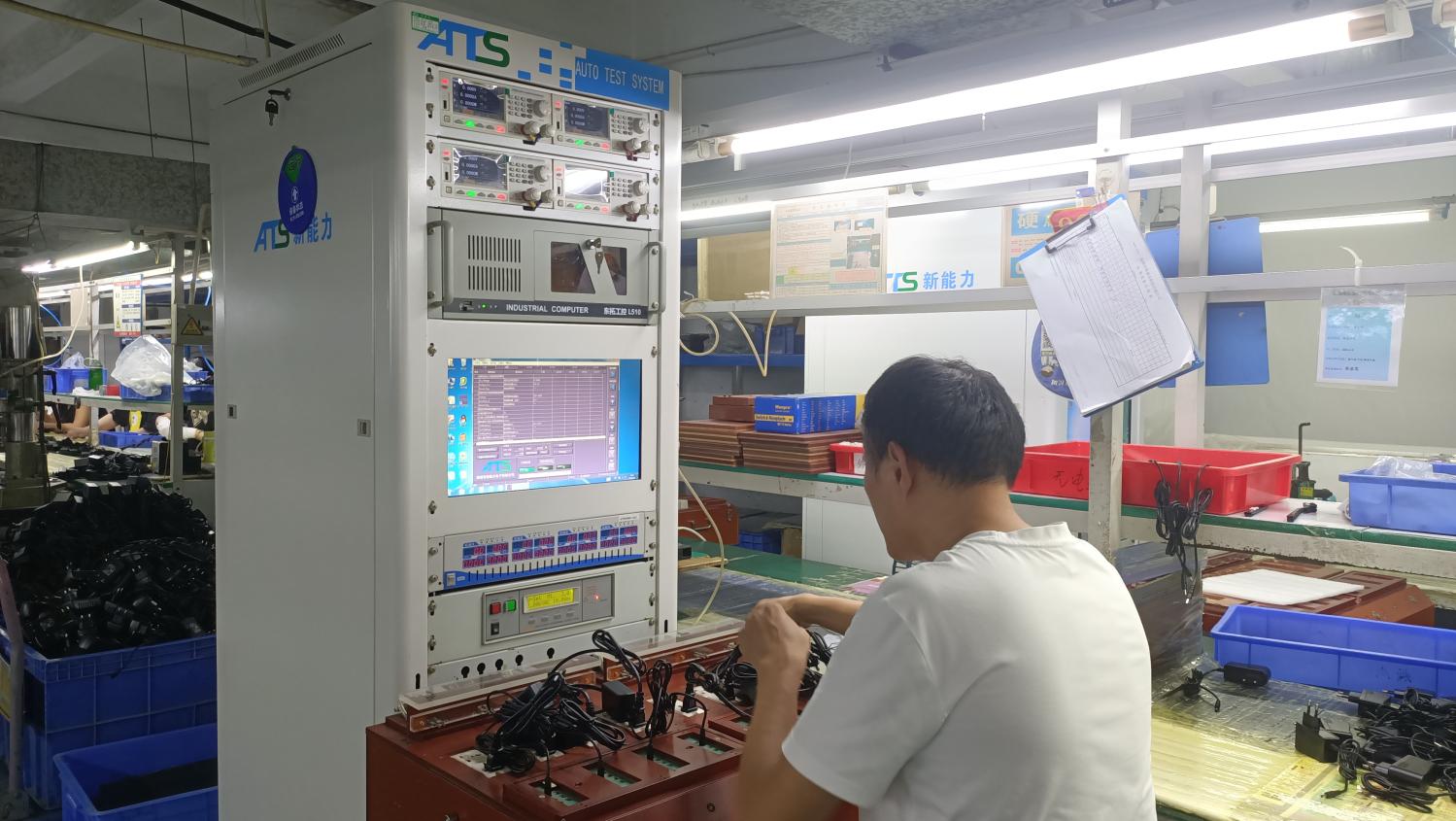
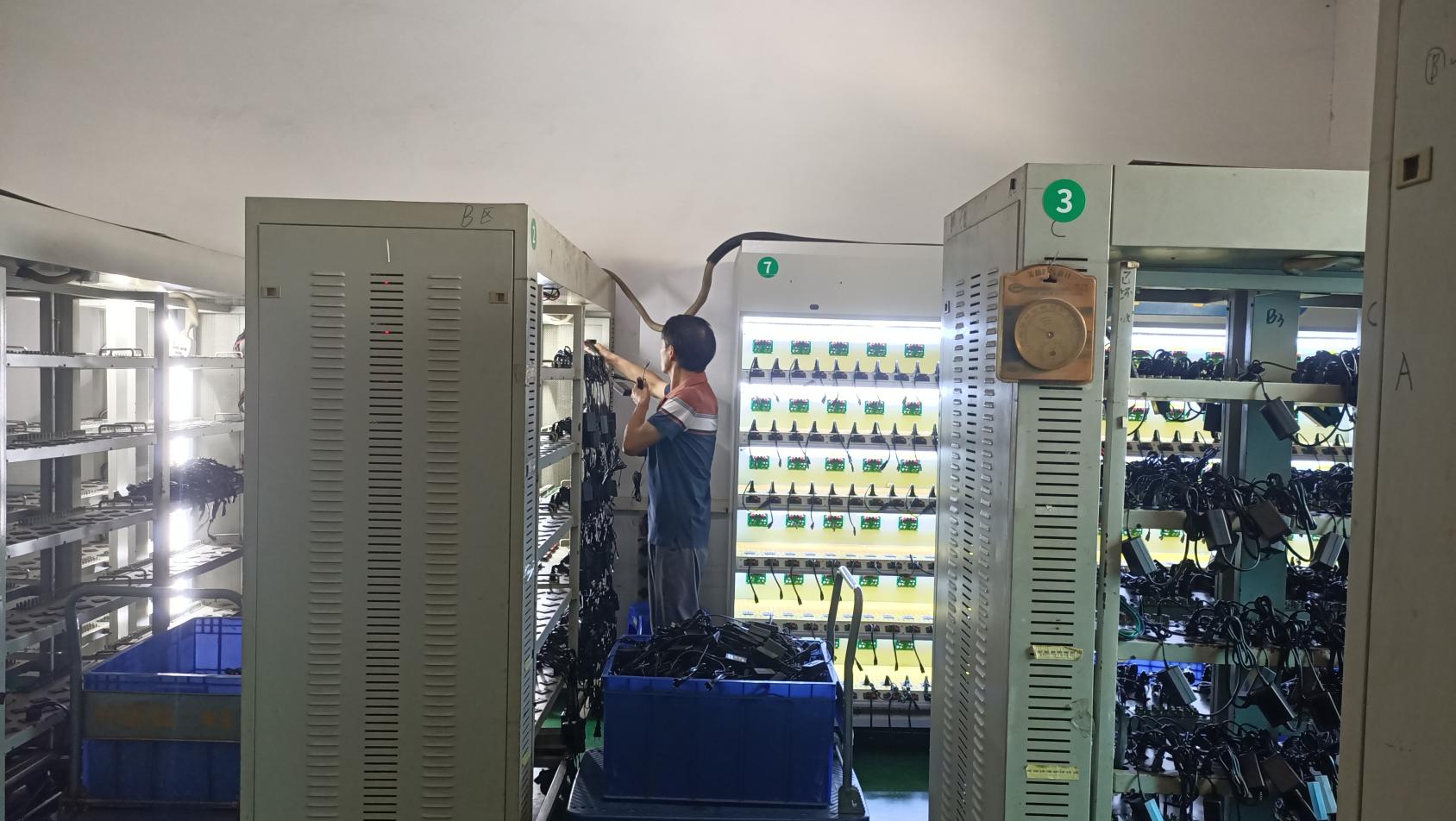
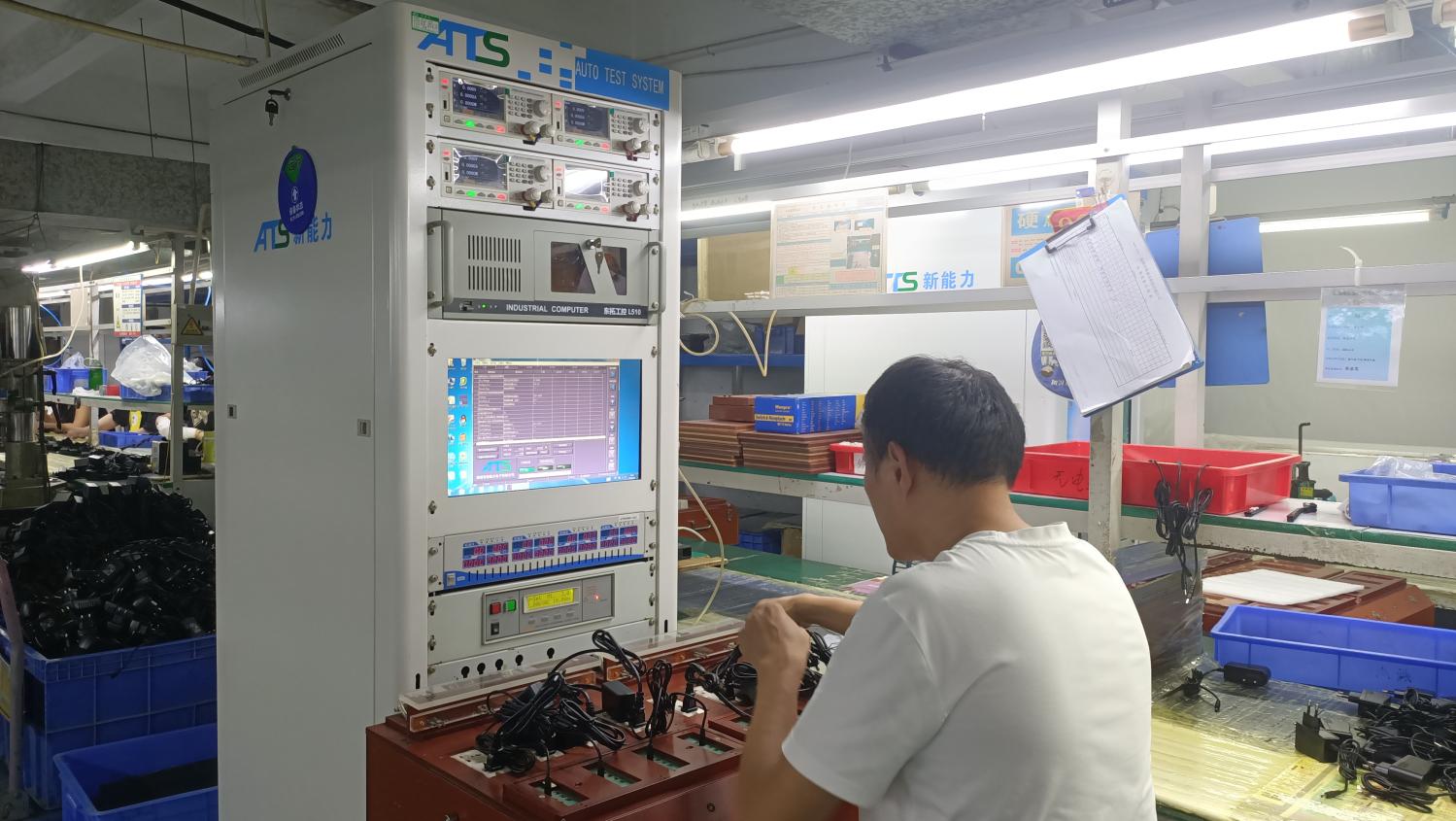
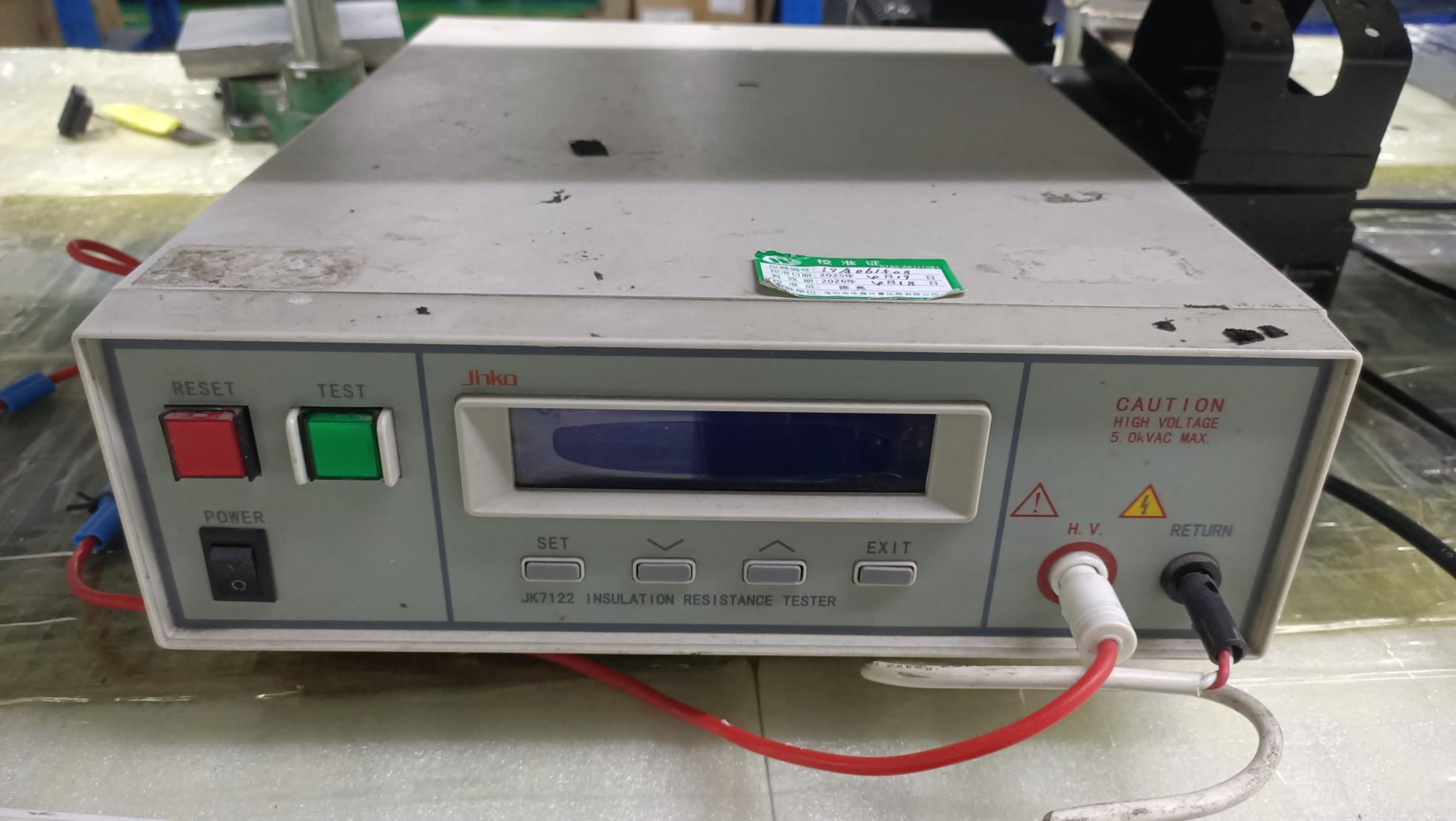
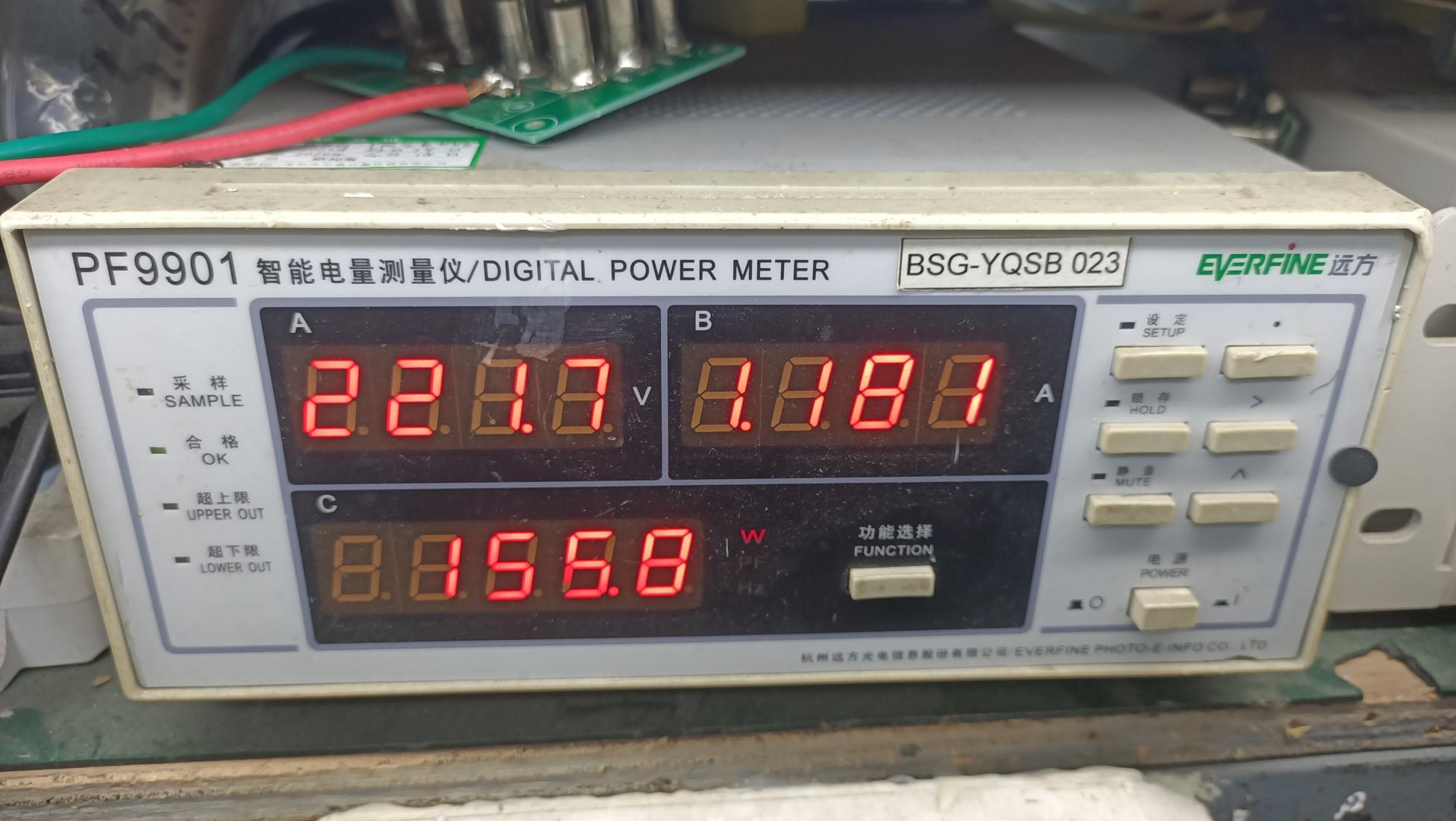
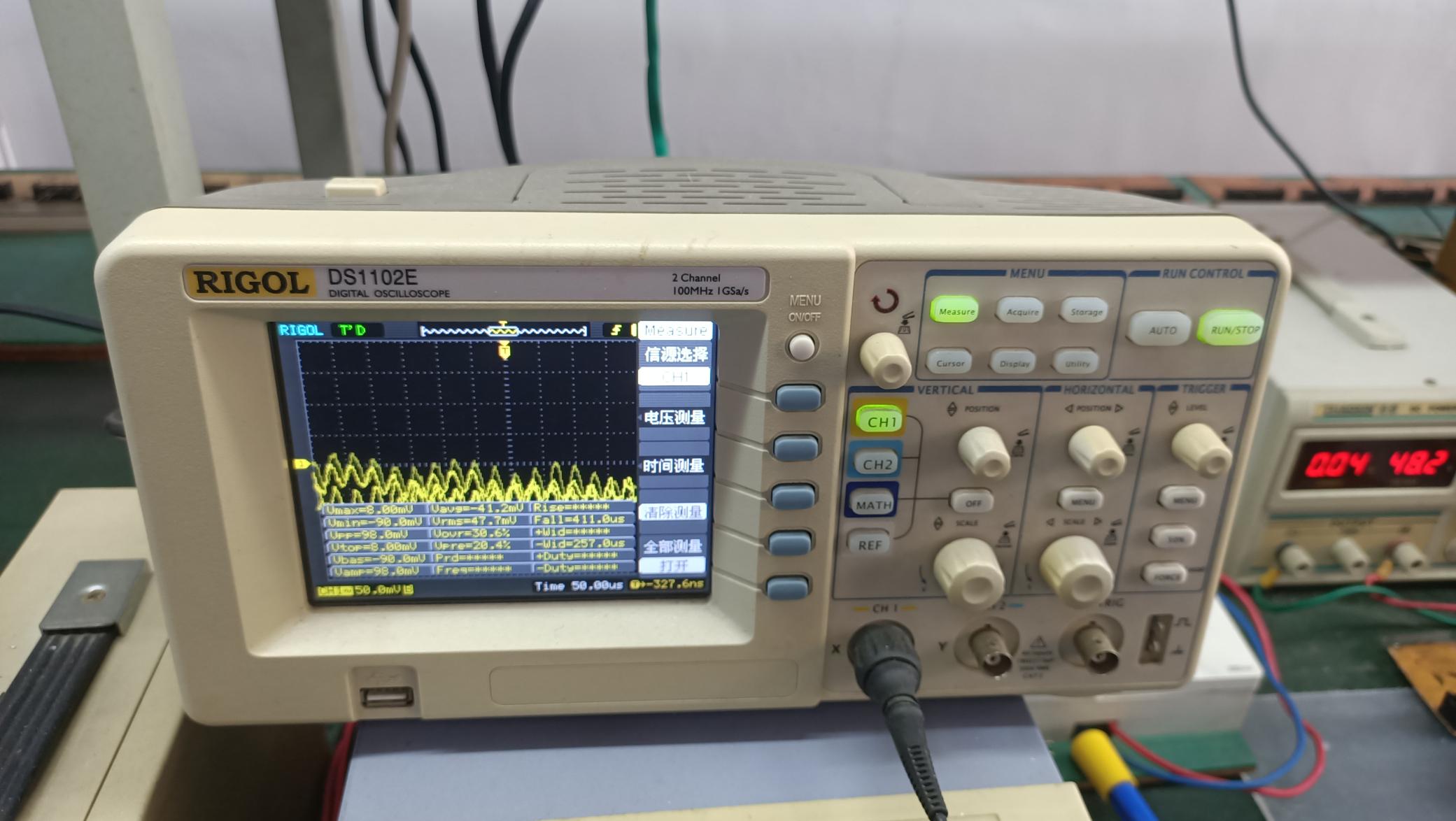
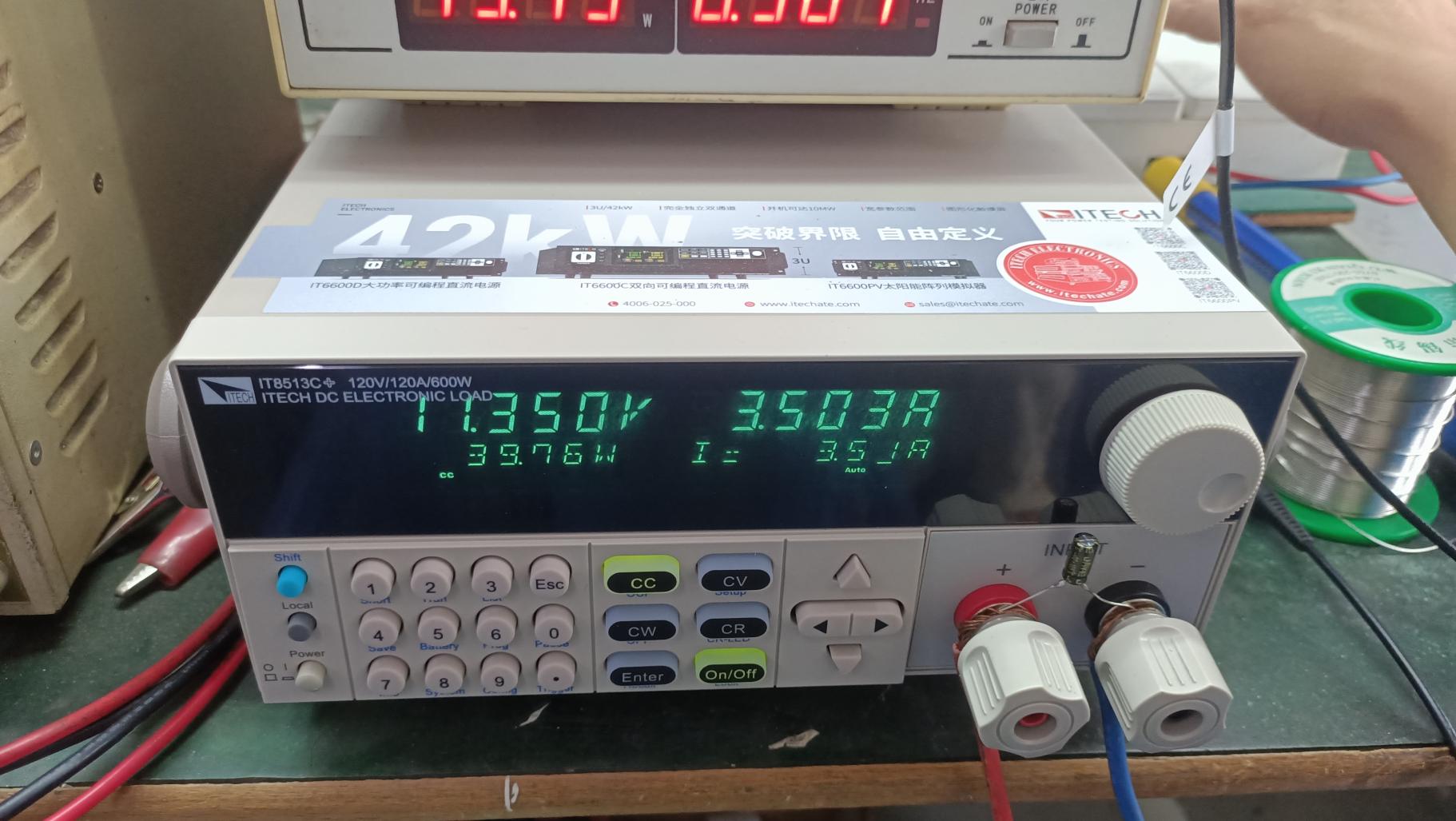
Our manufacturing and quality assurance lines utilize the highest industry standards. Below are the authentic processes and machinery deployed inside our Shenzhen production facility:
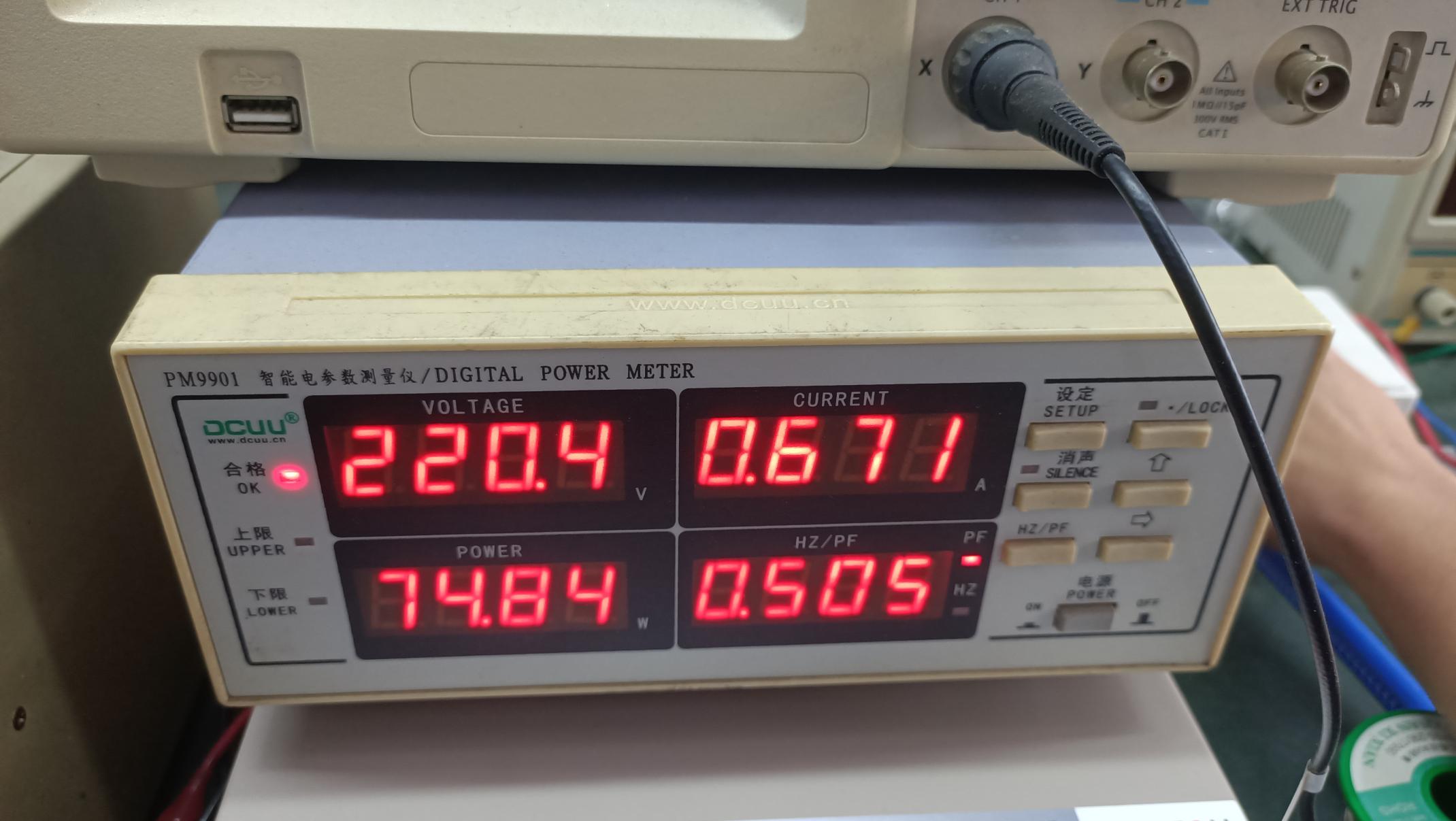
Procuring DC/DC-boost converters for critical hardware projects goes beyond simple catalog choices. To guarantee high reliability (Mean Time Between Failures - MTBF >300,000 hours), design engineers must evaluate three core variables: wide bandgap semiconductor integration, high-frequency synchronous rectification, and advanced PCB thermal paths.
Traditional silicon MOSFETs encounter inherent switching loss limitations. By moving to Gallium Nitride (GaN) and Silicon Carbide (SiC) switches, next-generation converters achieve faster switching speeds, significantly smaller magnetic cores, and decreased thermal dissipation. This design modification yields space savings of up to 40% in standard DIN-rail setups, allowing engineers to cram higher wattage (e.g., 480W and above) into small industrial cabinets.
In mid-to-high power modules (above 120W), an active PFC stage is crucial to prevent electrical grid harmonic distortion. High-end topologies leverage a boost-converter-based active PFC circuit that adjusts the phase of current to align with input voltage. This keeps the Total Harmonic Distortion (THD) under 10% and ensures compliance with strict European regulations like EN61000-3-2.
High altitude environments, particularly those up to 5000 meters, suffer from lower air density. This directly diminishes convective cooling capabilities and lowers the breakdown voltage threshold of air. Industrial-grade power modules must employ greater clearance and creepage distances alongside premium thermal interface materials (TIM). This ensures safe continuous operation at full load without risk of dielectric breakdown.
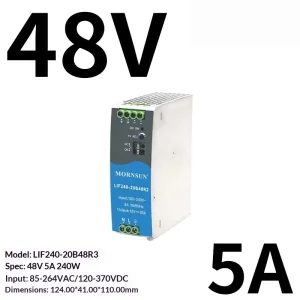
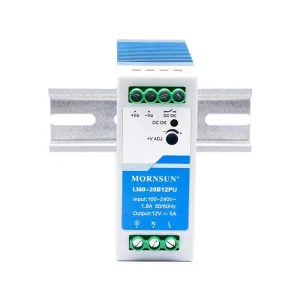
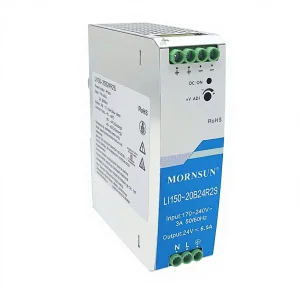
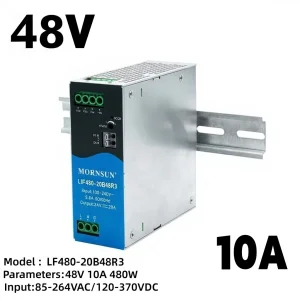
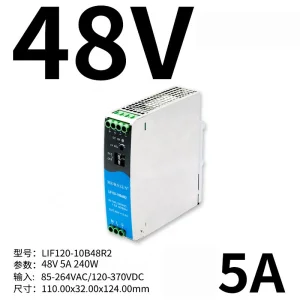
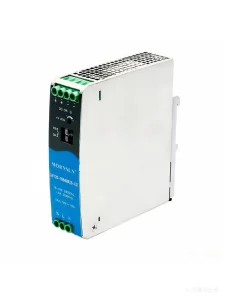
Browse our second segment of highly specialized converters and power rectifiers designed for industrial automation, open frame cabinets, and hazardous installations.
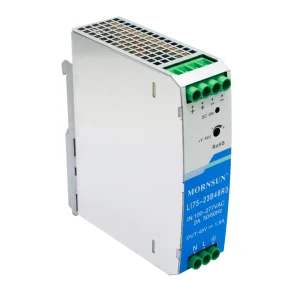
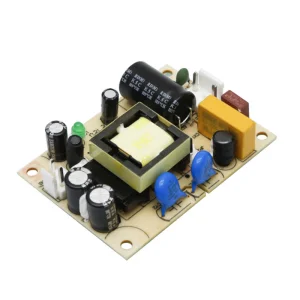
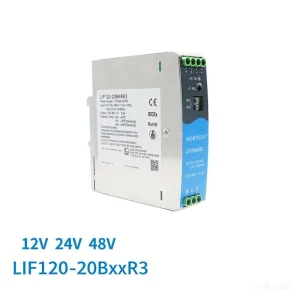
For international supply chain managers and systems integrators in North America, Europe, and the Asia-Pacific region, navigating regulatory landscapes is a fundamental priority. Sourcing components that lack legitimate CE, FCC, or UL listings introduces substantial operational and legal liabilities. Premium Chinese suppliers manage this by maintaining transparent compliance tracking, rigorous verification protocols, and dedicated local Field Application Engineering (FAE) resources.
Every product undergoes testing to secure UL62368, UL508, IEC60601-1, and ATEX Zone 2 certifications. This guarantees frictionless integration into systems globally.
By securing dual-sourcing channels for magnetic cores, controller ICs, and capacitor banks, we insulate our customers from sudden microchip or raw material shortages.
Our Field Application Engineers offer remote or on-site support to resolve design bugs, thermal management challenges, and custom circuit design-in parameters.
Find technical answers to frequently asked engineering and procurement questions regarding converters, certifications, and high-altitude limits.