CN Electronics
CN Electronics
CN Electronics
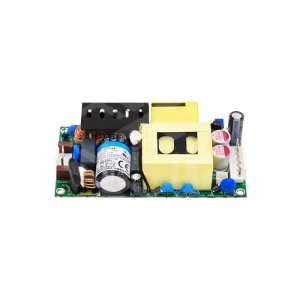
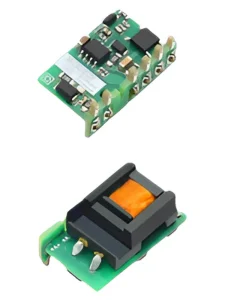
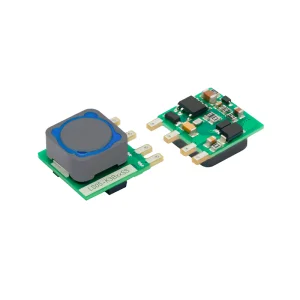
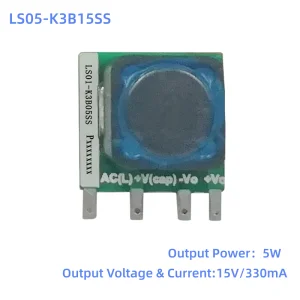
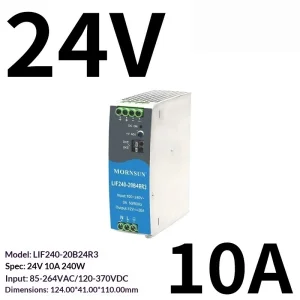
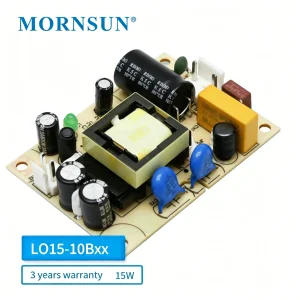
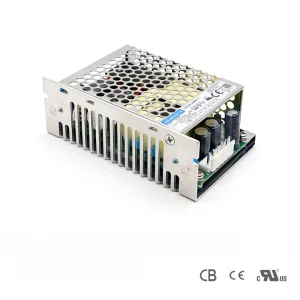
In modern industrial applications, the demands placed on electronic testing systems and automated assembly lines have shifted dramatically. The industry is transitioning from legacy fixed-voltage architectures to highly dynamic, programmable power systems. This change is driven by the rapid growth of electric vehicles (EVs), medical instrumentation, defense systems, and renewable energy technologies. These sectors require precise control over voltage, current, and wave profiles to simulate real-world conditions.
A Programmable Power Supply (PPS) allows operators and automated software programs to dynamically adjust output variables. This flexibility is essential for verifying device performance across a wide range of operational limits, performing accelerated life testing, and ensuring strict compliance with international safety and electromagnetic compatibility (EMC) regulations.
The integration of Gallium Nitride (GaN) and Silicon Carbide (SiC) devices allows modern power supplies to switch at higher frequencies, significantly increasing power density while minimizing heat loss.
By implementing active PFC circuitry, manufacturers achieve power factors close to 0.99, reducing harmonic distortion and satisfying strict CE/UL standards.
Standard interfaces like CAN bus, Ethernet, Modbus, and EtherCAT enable easy integration with SCADA networks and automated hardware-in-the-loop (HIL) simulators.
Selecting the right programmable power supply supplier requires evaluating technical parameters, testing facilities, and customized engineering services. Below is an overview of ten leading manufacturers shaping the power electronics industry today:
| Manufacturer Group | Primary Focus Sector | Key Strengths & Customization Support | Compliance Standards |
|---|---|---|---|
| 1. Keysight Technologies | Aerospace, R&D Labs, Semiconductor Testing | Ultra-fast transient recovery times, precise low-current measurements, robust software support. | CE, UL, CSA, IEC 61010 |
| 2. Chroma ATE | EV Battery Testing, Renewable Energy | Regenerative grid simulators, high-power bidirectional DC testing equipment. | ISO9001, CE, TÜV |
| 3. EA Elektro-Automatik | High-Power Density Industrial Applications | Autoranging power supplies, regenerative energy feedback, touchscreen control systems. | CE, RoHS, UL, REACH |
| 4. TDK-Lambda | Industrial Systems, Medical Imaging | High reliability, compact forms, active PFC, medical insulation barriers. | IEC60601-1 BF, EN 55032 |
| 5. Mean Well Enterprise | General Industrial, LED, Automation | Large product catalog, cost-effective distribution networks, DIN Rail solutions. | UL62368, CE, CB, EAC |
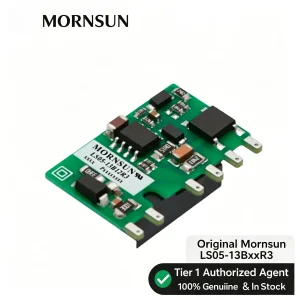
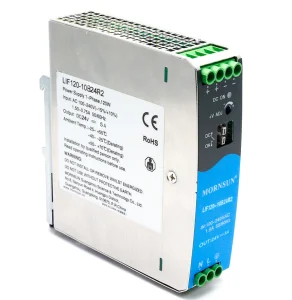
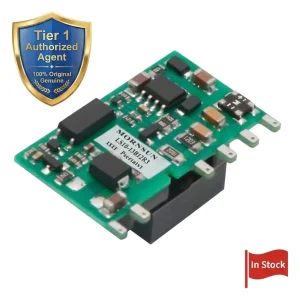
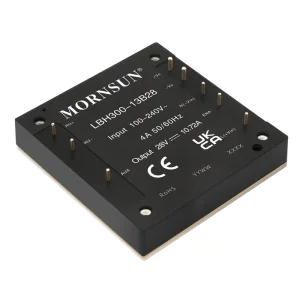
| 6. Mornsun Power | Industrial, Medical, Smart Grid, IoT | Wide input range AC-DC modules, medical open frame PSUs, active PFC, 5000m operating altitude. | IEC60601-1, UL61010, CE, CB |
| 7. GW Instek | Educational Labs, Electronics Manufacturing | Dual-range/multi-range output capabilities, programmable sweep testing functions. | ISO9001, CE, LVD |
| 8. Sorensen (AMETEK) | Defense, Aerospace, Automotive Sim | Modular high-power rack systems, analog control interfaces. | MIL-STD, CE, UL |
| 9. Delta Electronics | Data Centers, Telecom, EV Charging | Very high efficiency topologies, custom OEM power architectures. | ISO14001, ISO9001, CE |
| 10. CN Electronics | High-Precision Electronics, OEM/ODM Custom Design | Rapid PCB prototyping, automated SMT/DIP lines, end-to-end integration. | ISO9001, CE, FCC |
Founded in 2006 and headquartered in Shenzhen, China, CN Electronics is a leading, technology-driven manufacturer specializing in high-precision electronics, custom circuitry, and comprehensive OEM/ODM solutions. We bridge the gap between complex hardware blueprints and market-ready products for tech innovators worldwide.
With a state-of-the-art production facility spanning over 10000 square meters, we integrate advanced automated assembly lines with rigorous quality control protocols. Our core capabilities cover the entire product lifecycle—including rapid PCB prototyping, component sourcing, high-volume SMT placement, and final system integration.
We understand that in the fast-paced hardware industry, agility and reliability are everything. That is why we have optimized our supply chain to offer seamless communication, transparent project tracking, and uncompromising quality standards (certified under [ISO9001/CE/FCC etc.]).
Whether you are scaling a smart infrastructure project, developing next-gen consumer hardware, or sourcing robust industrial components, CN Electronics is your trusted engineering and manufacturing partner. We don’t just assemble parts; we power your growth.
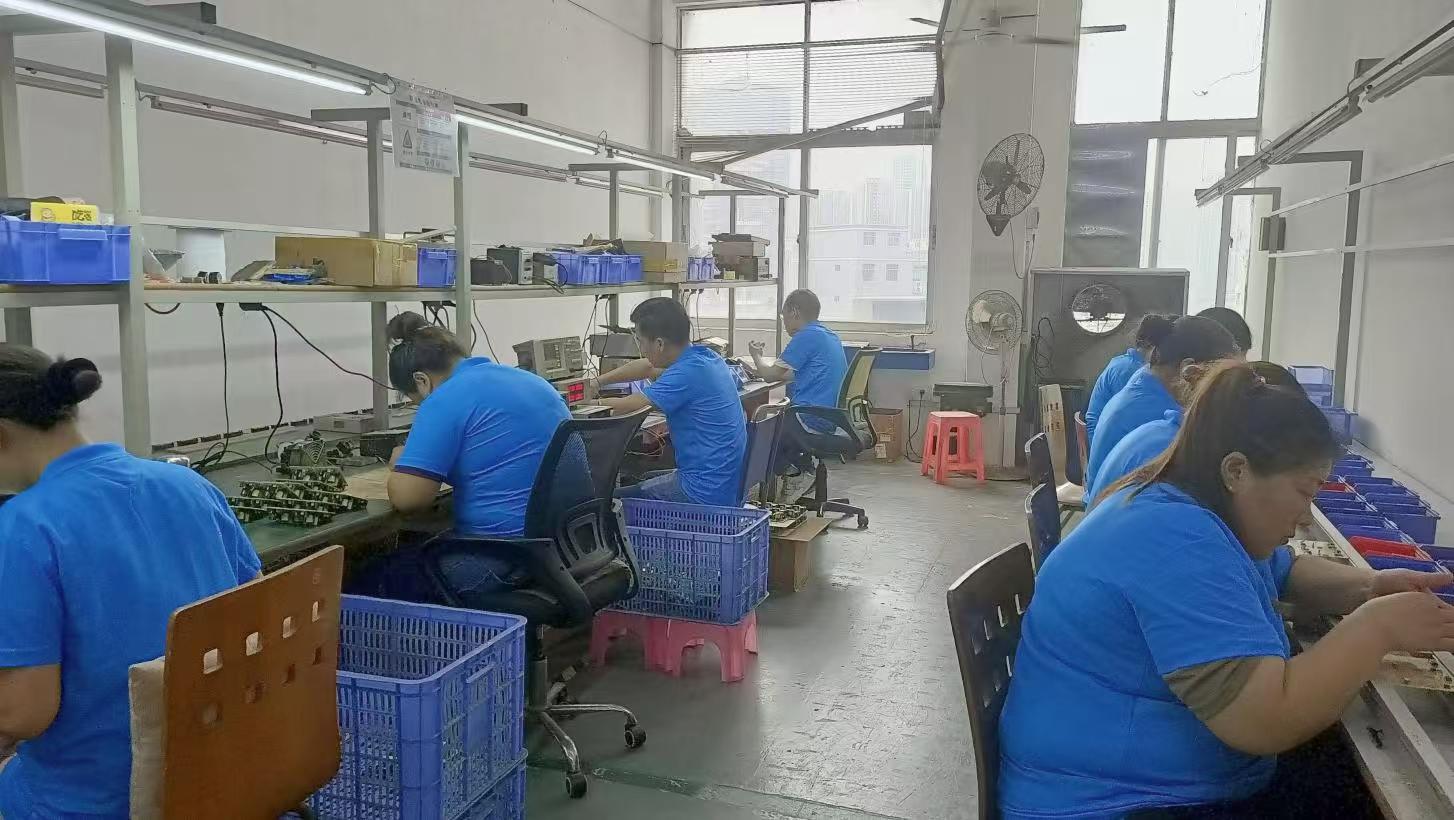
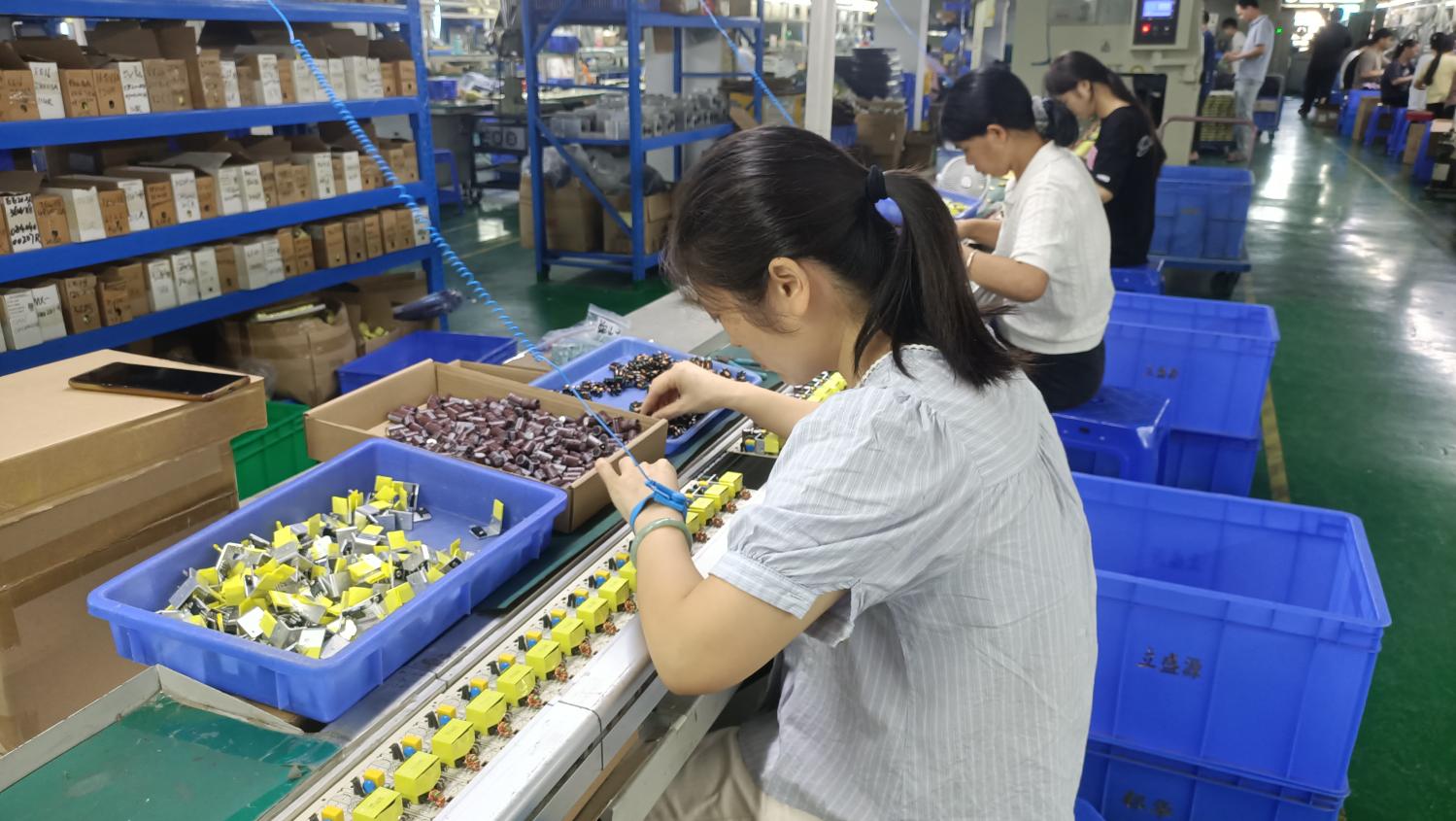 DIP
DIP
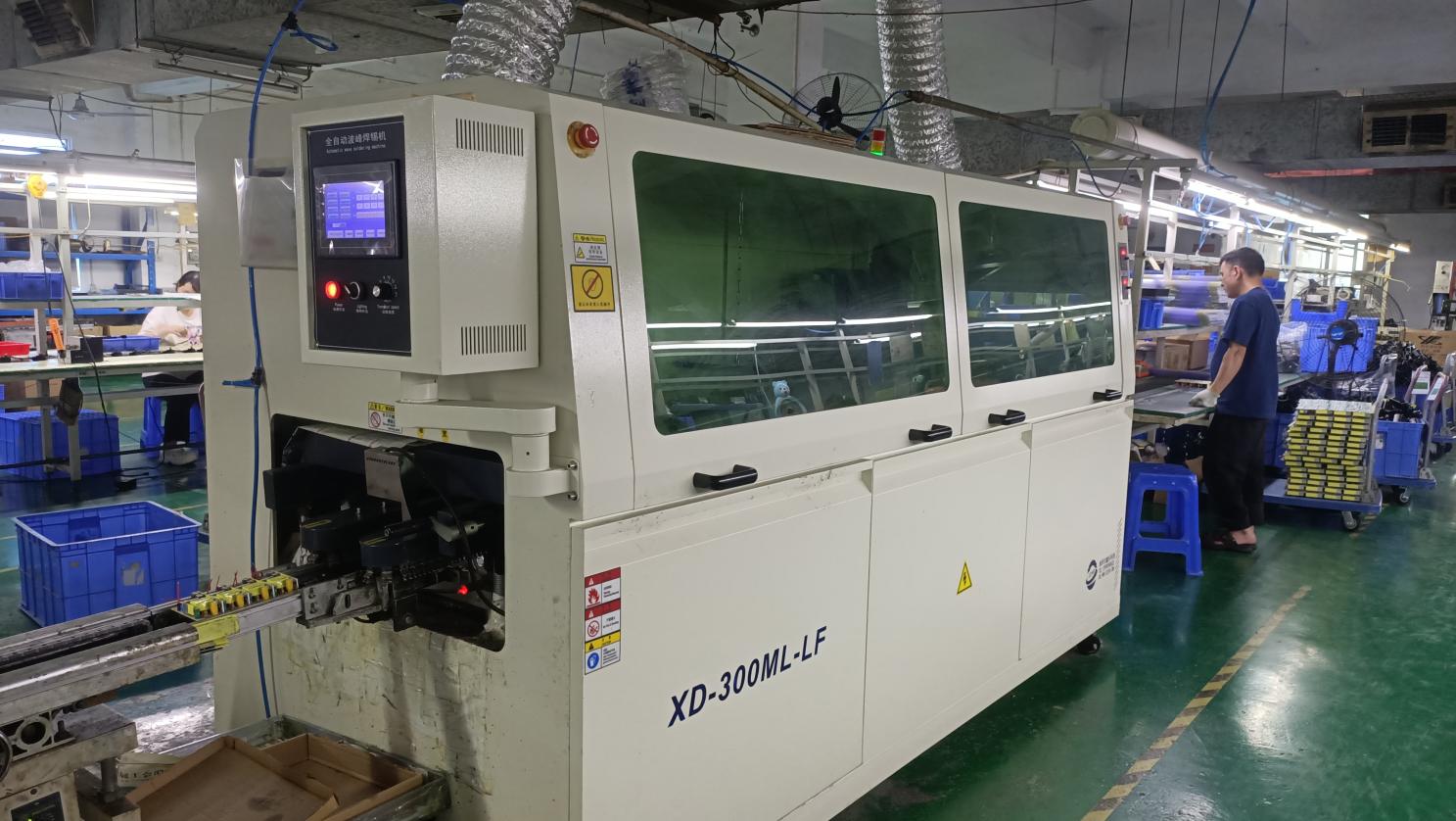 Wave Soldering
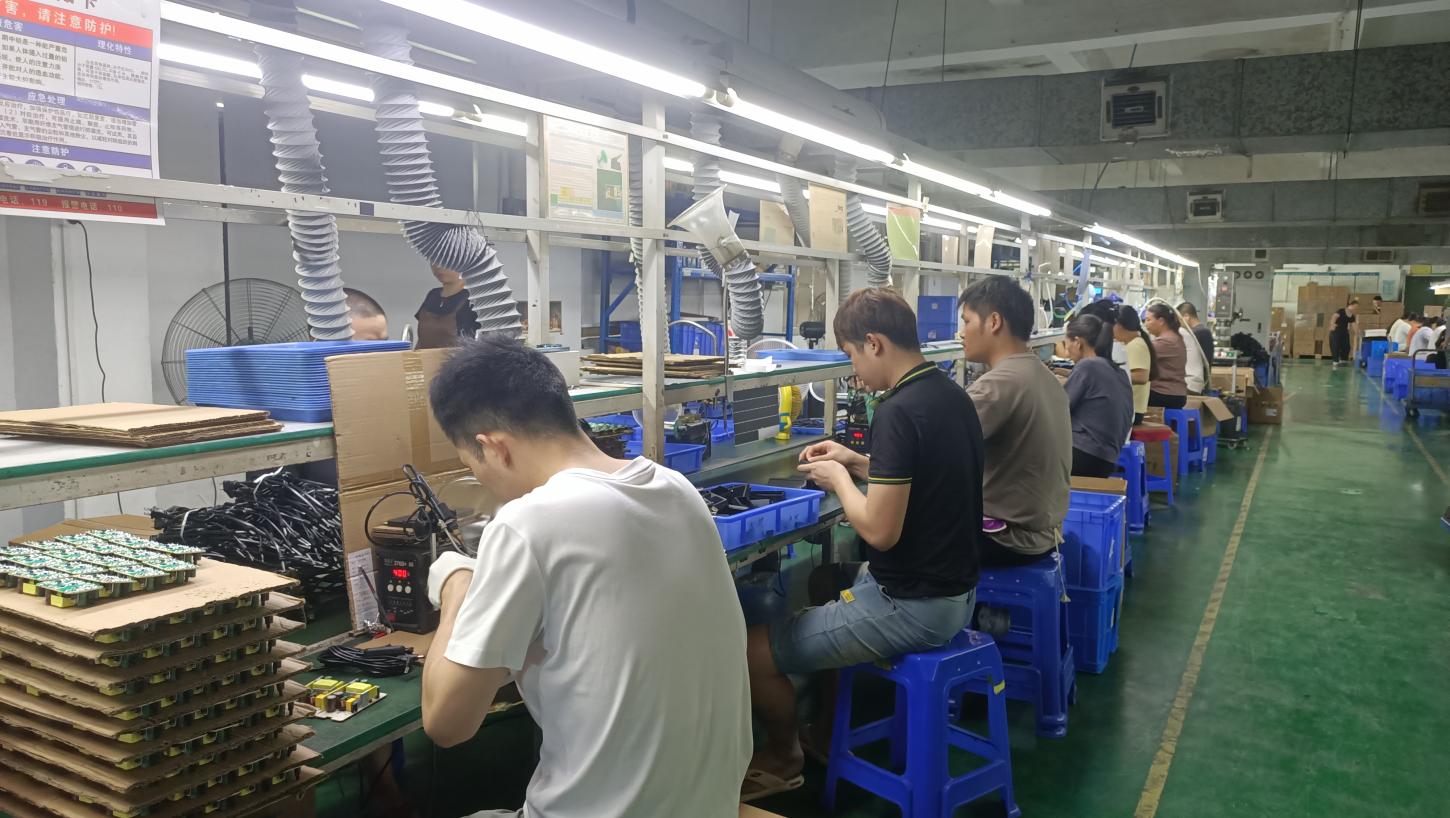 Assembling
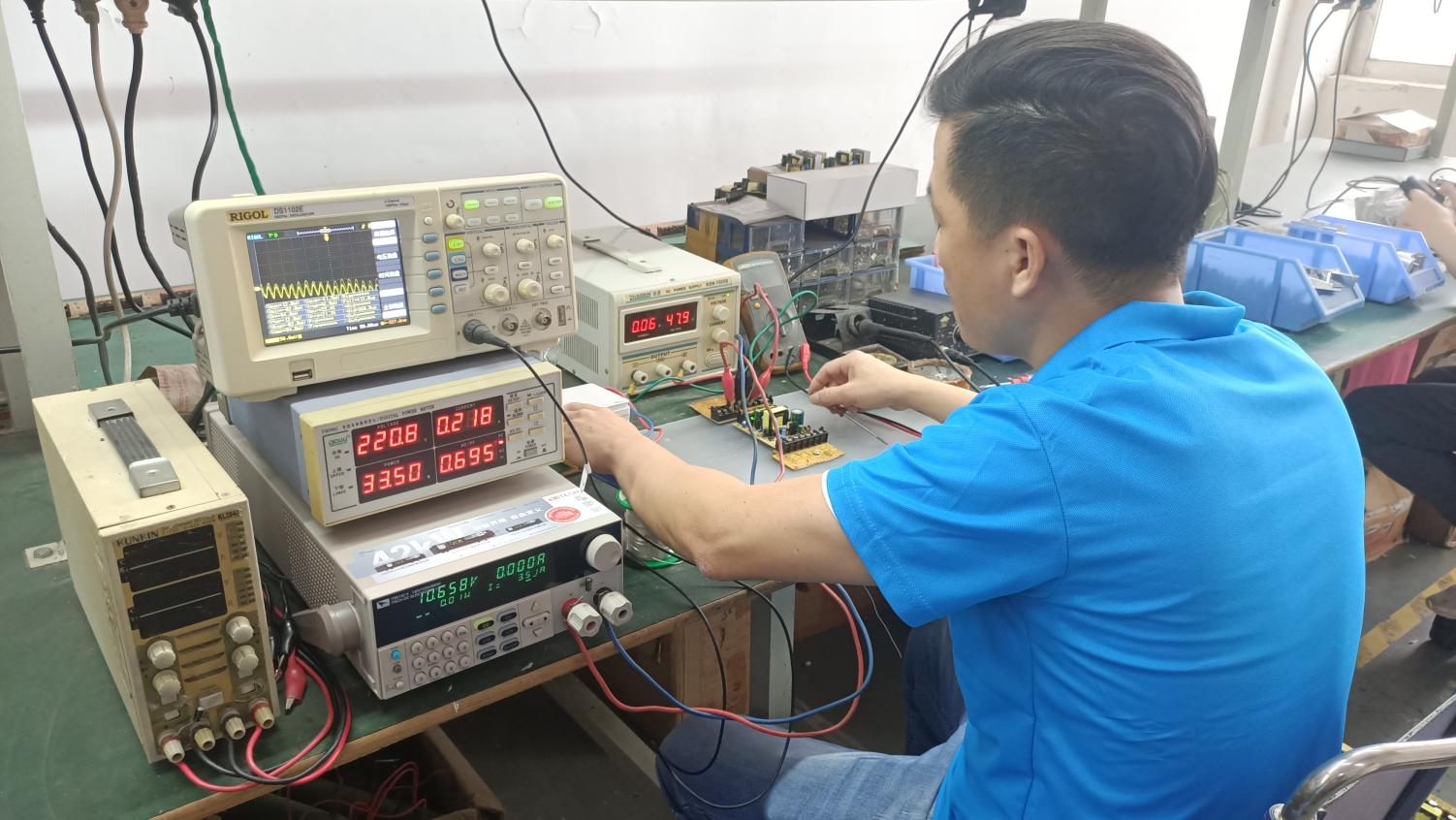
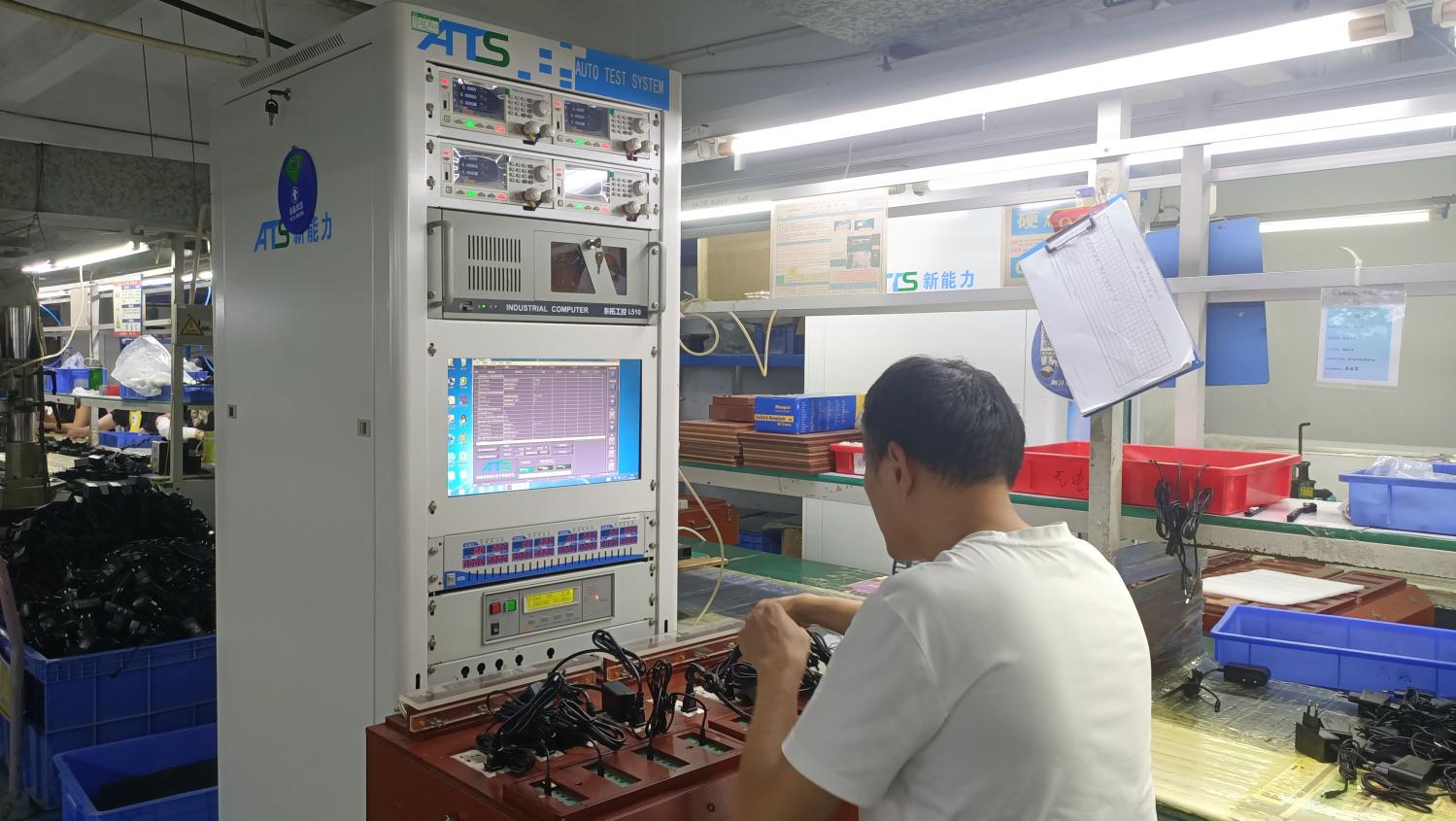 Testing
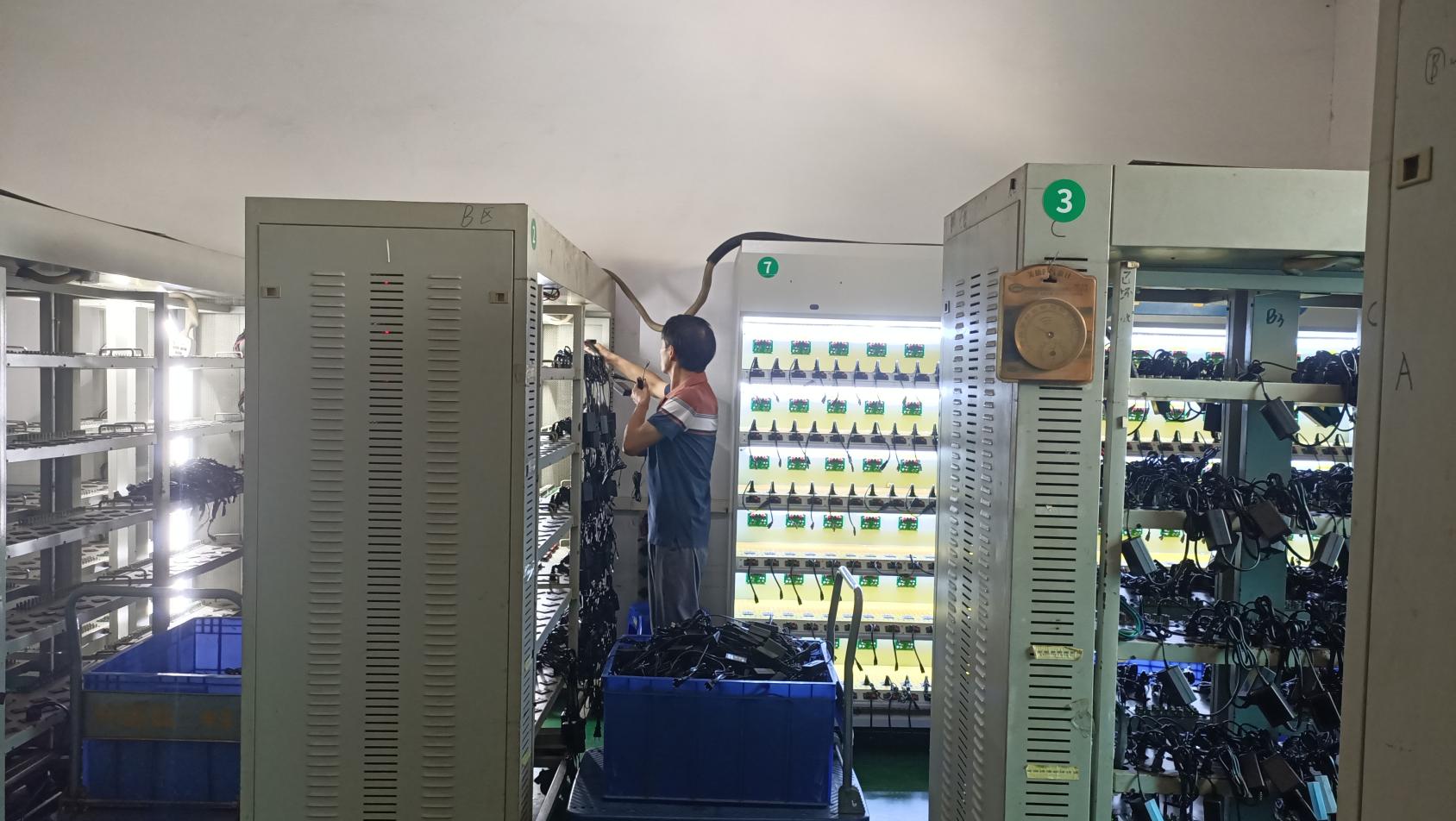 Aging
Aging
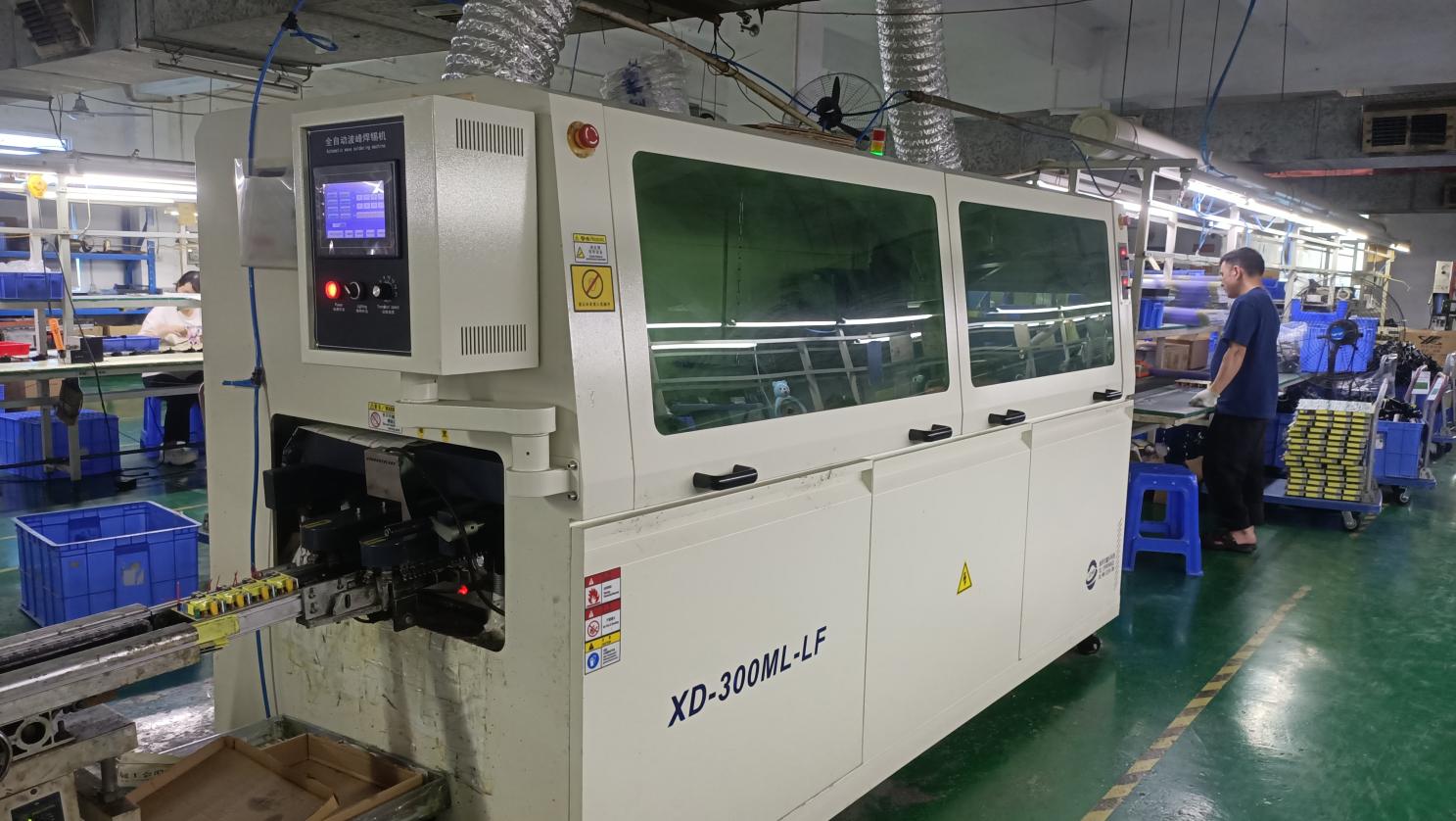 Wave Soldering Machine
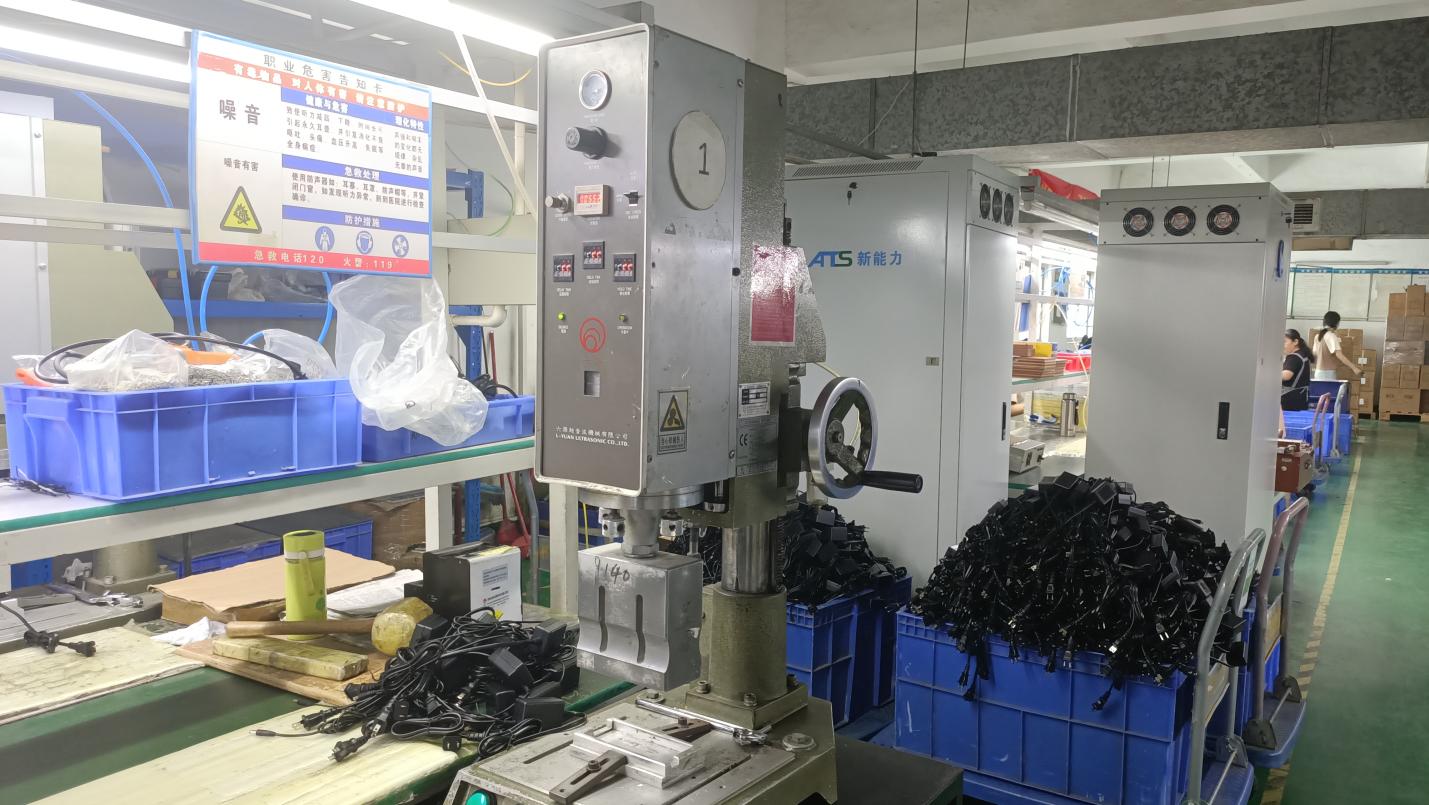 Ultrasonic Welding Machine
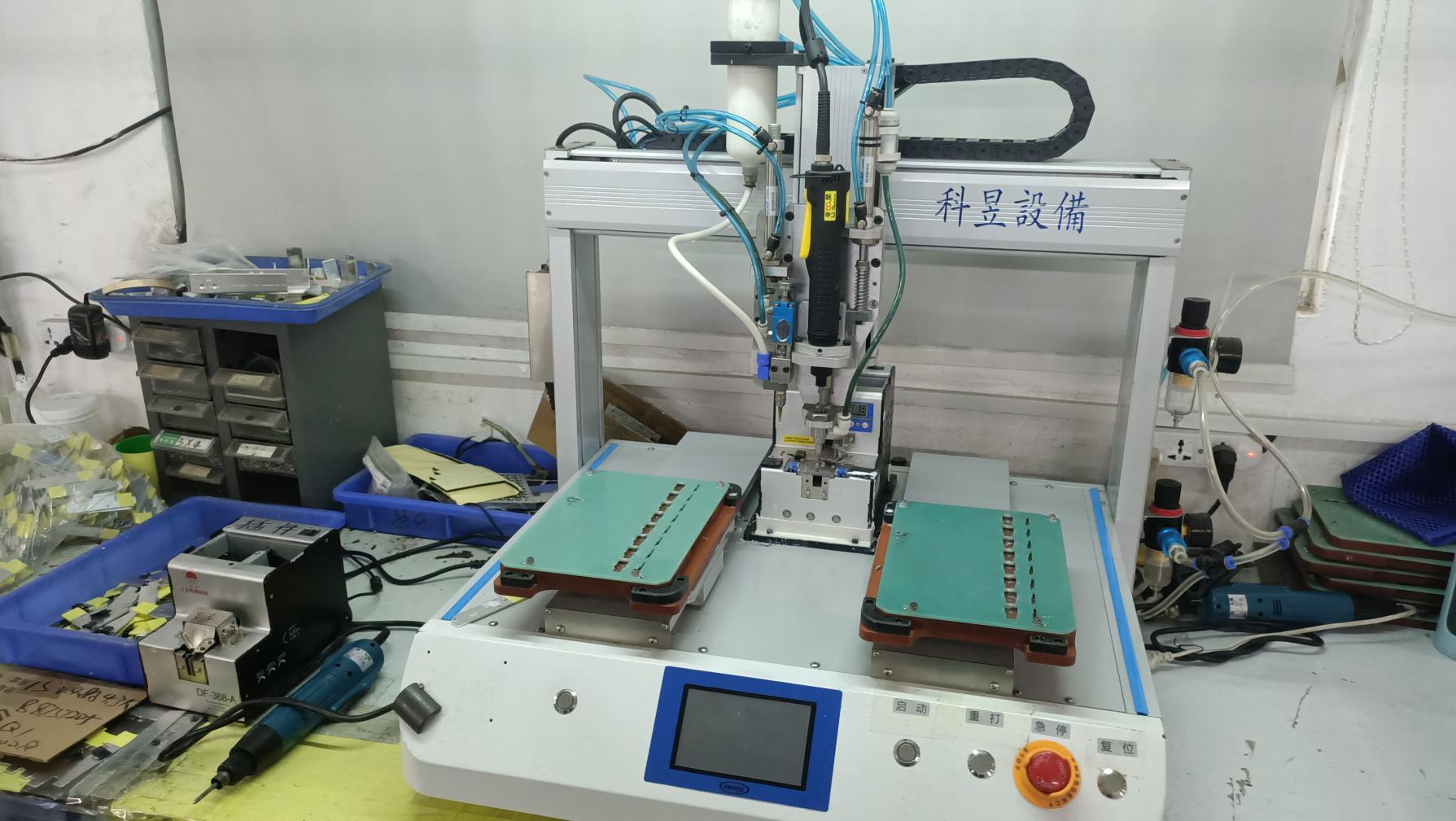 Automatic Screwing Machine
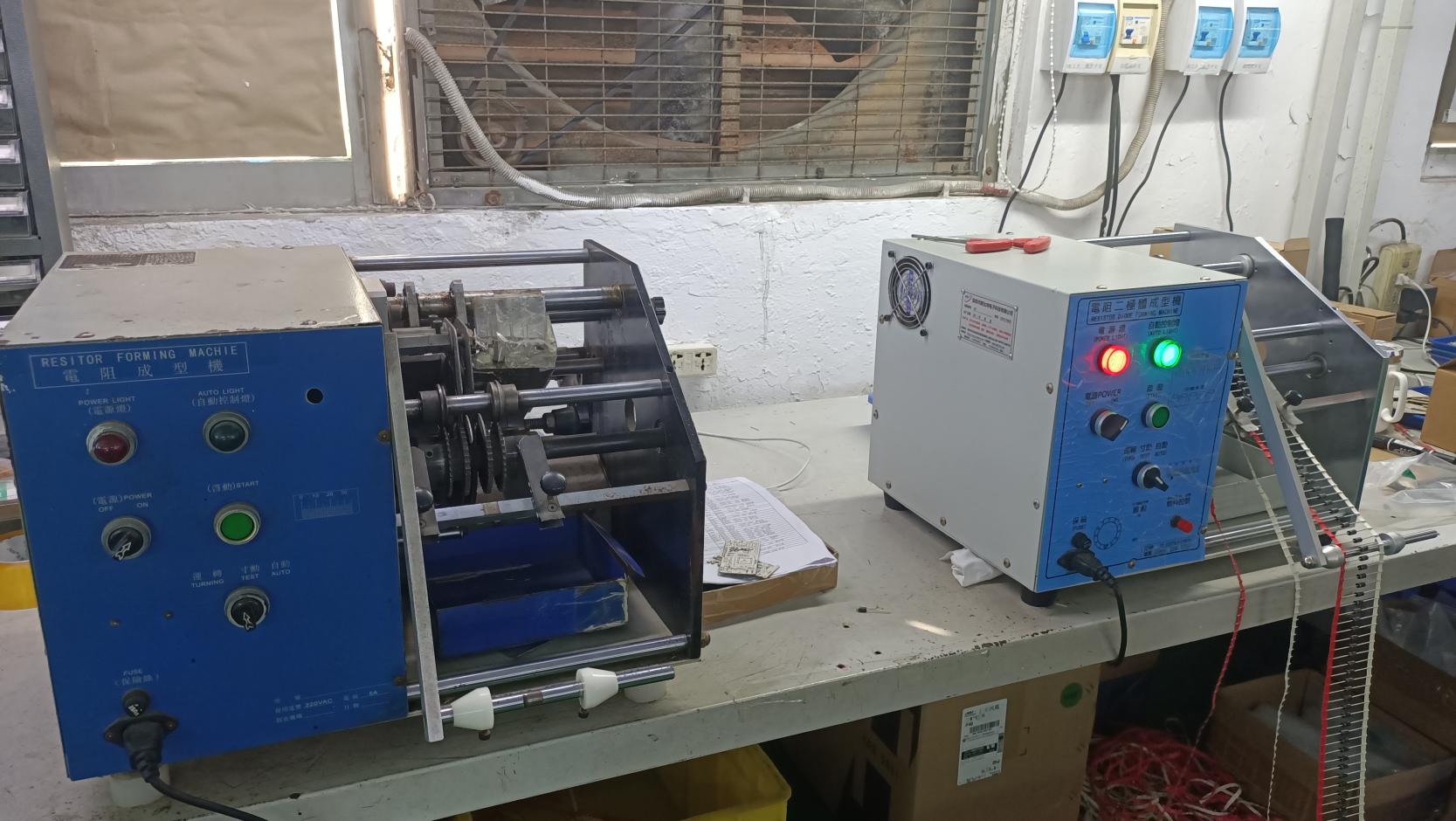 Resistance Molding Machine
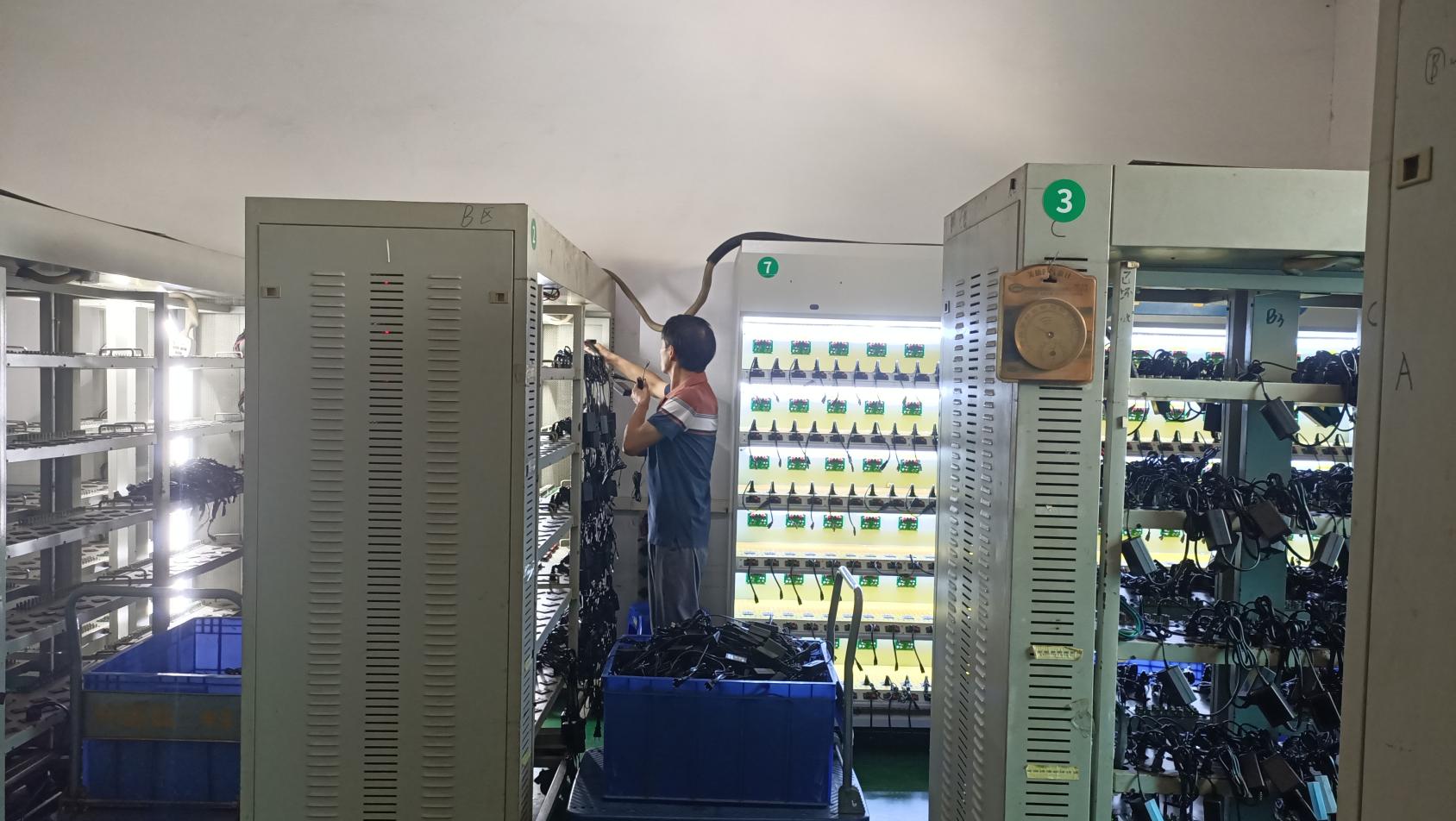 Aging
Aging
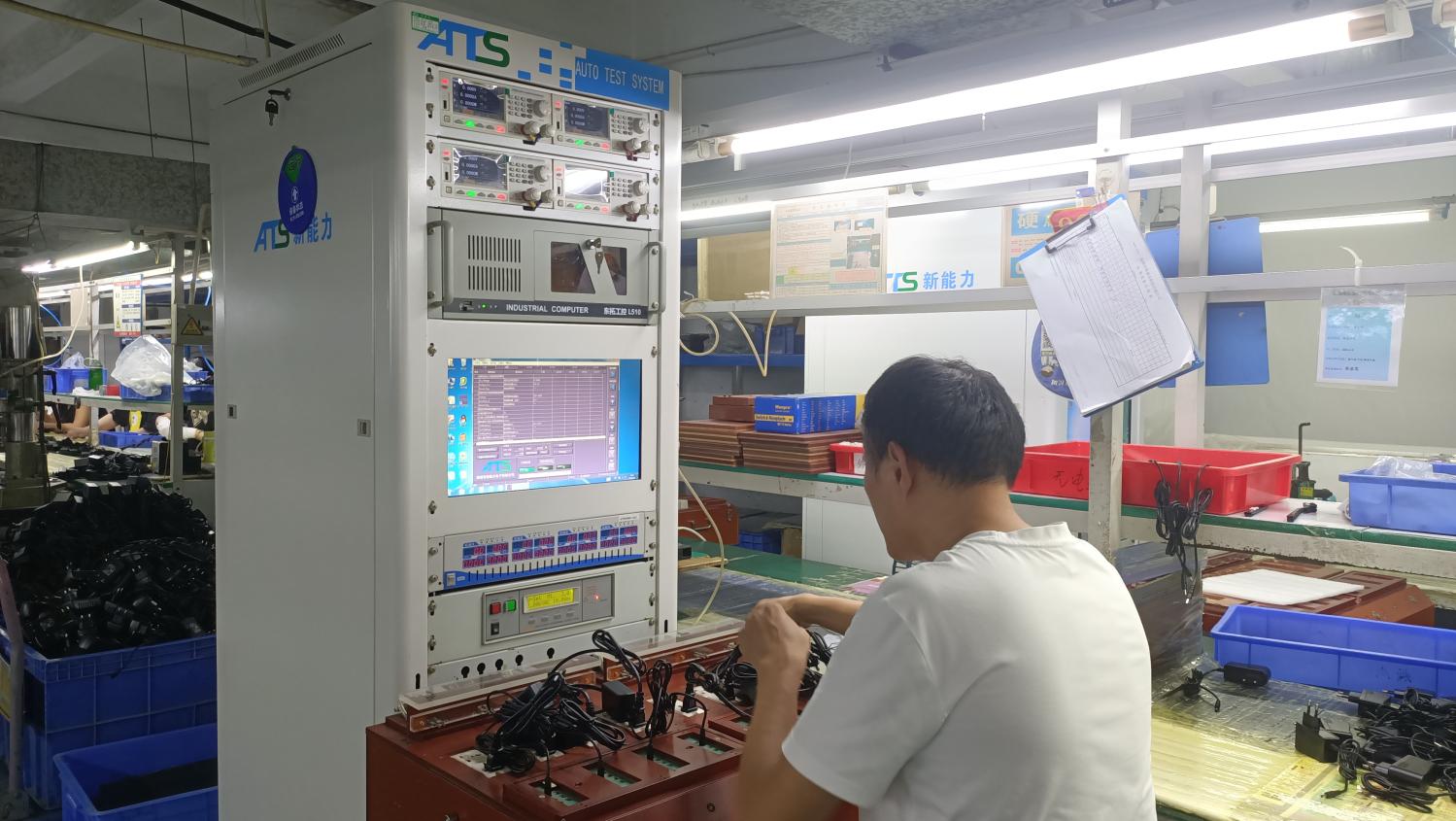 Testing
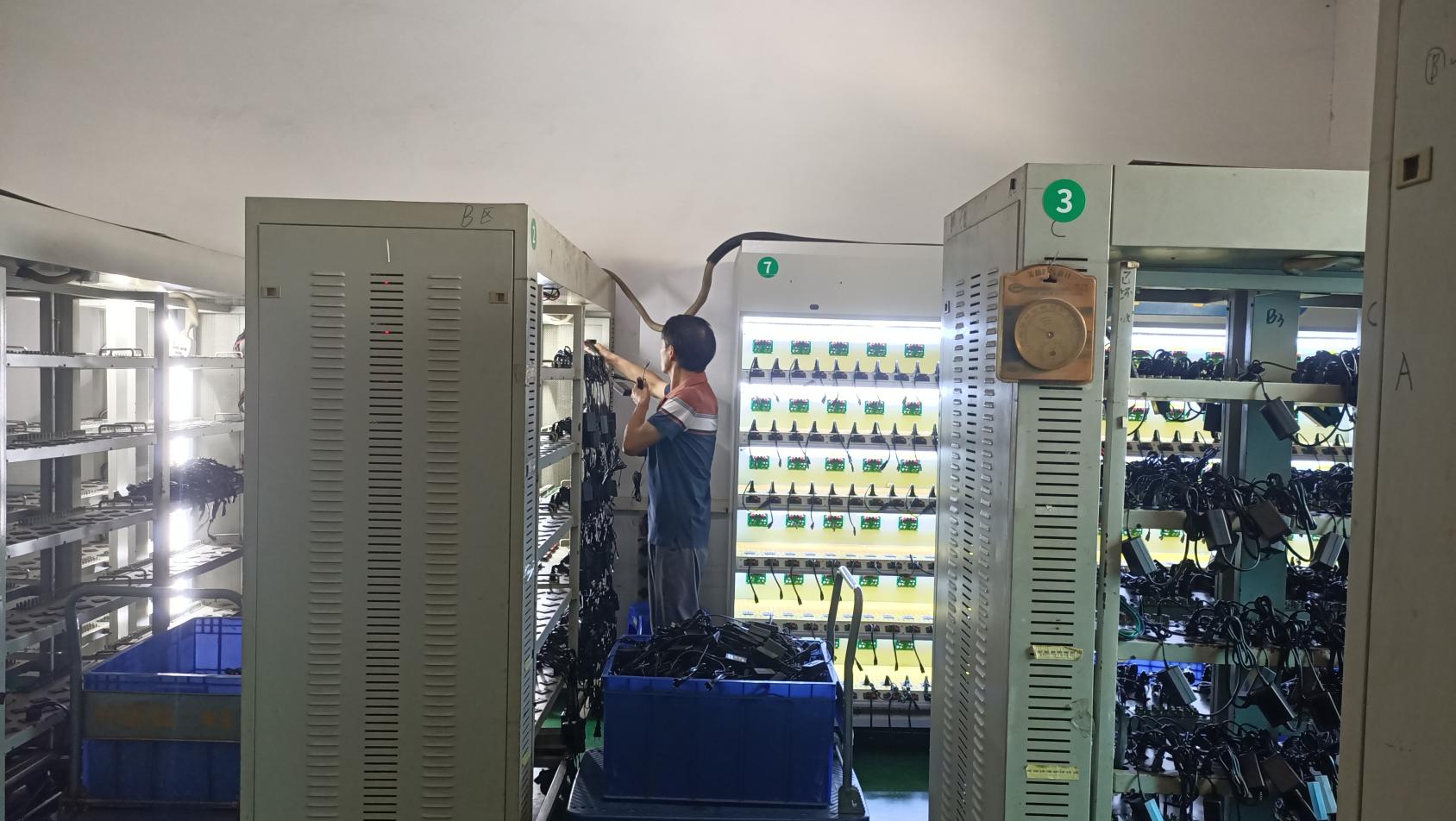 Aging Rack
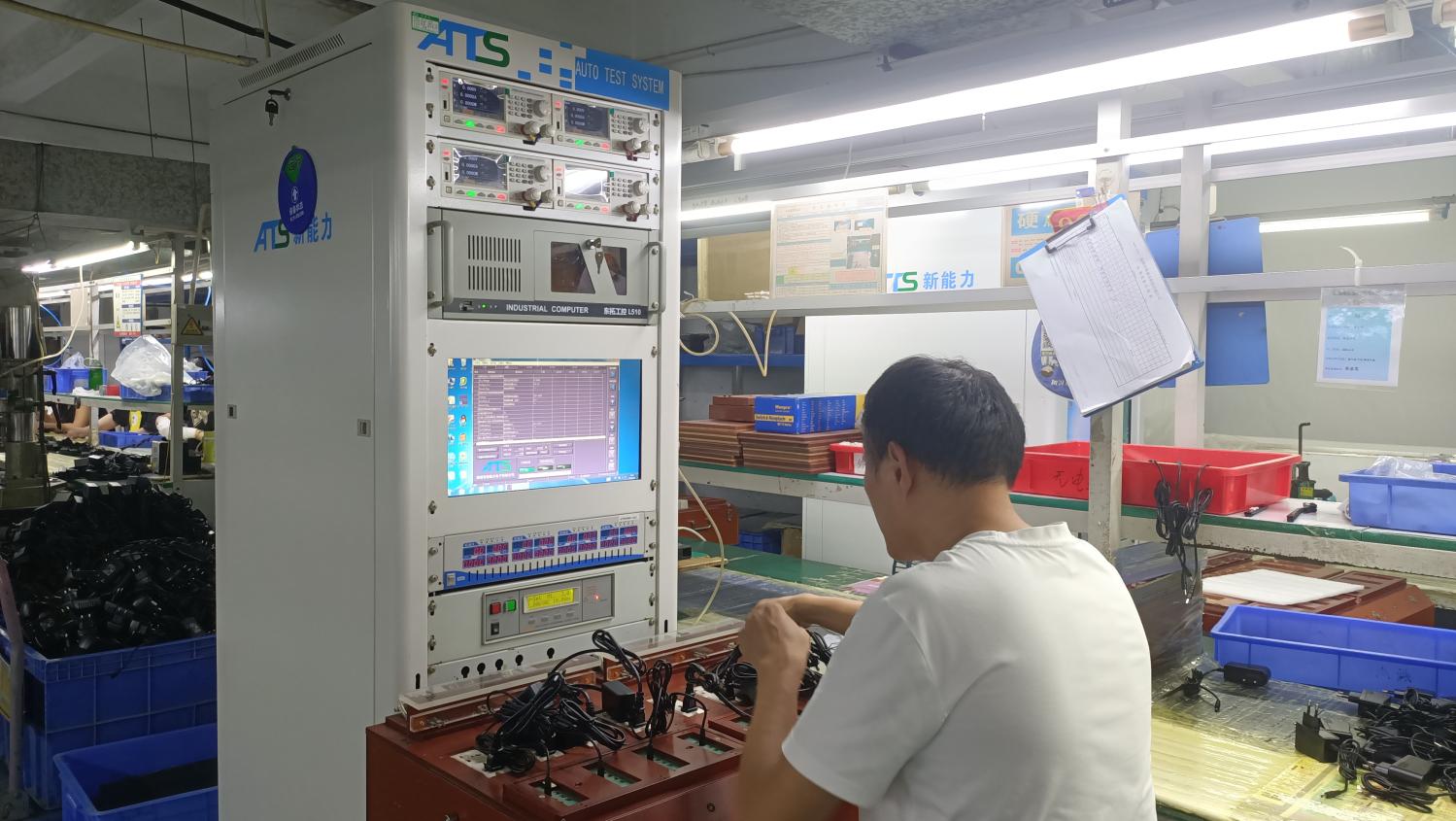 Automatic Testing Machine
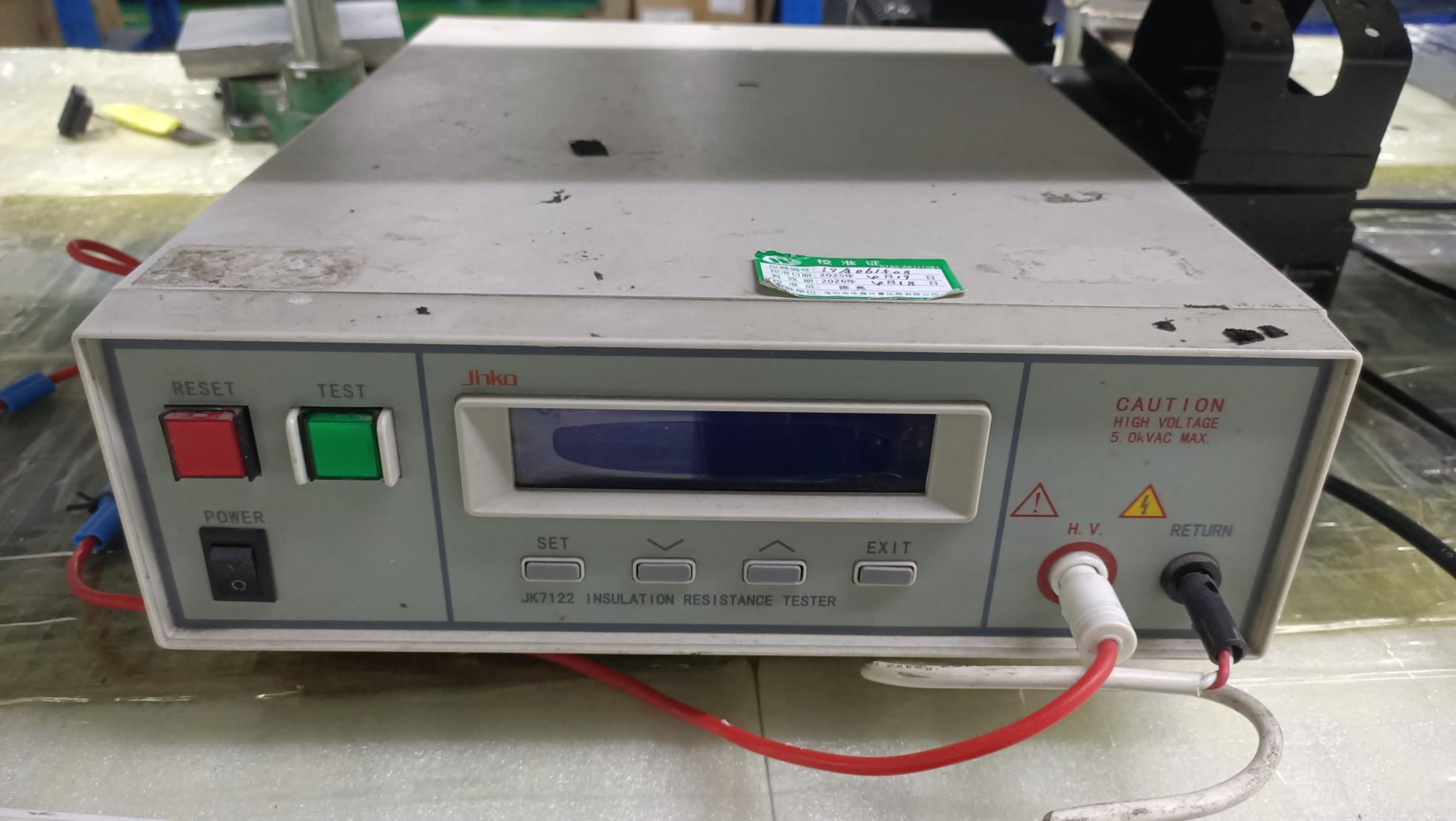 Insulation Resistance Tester
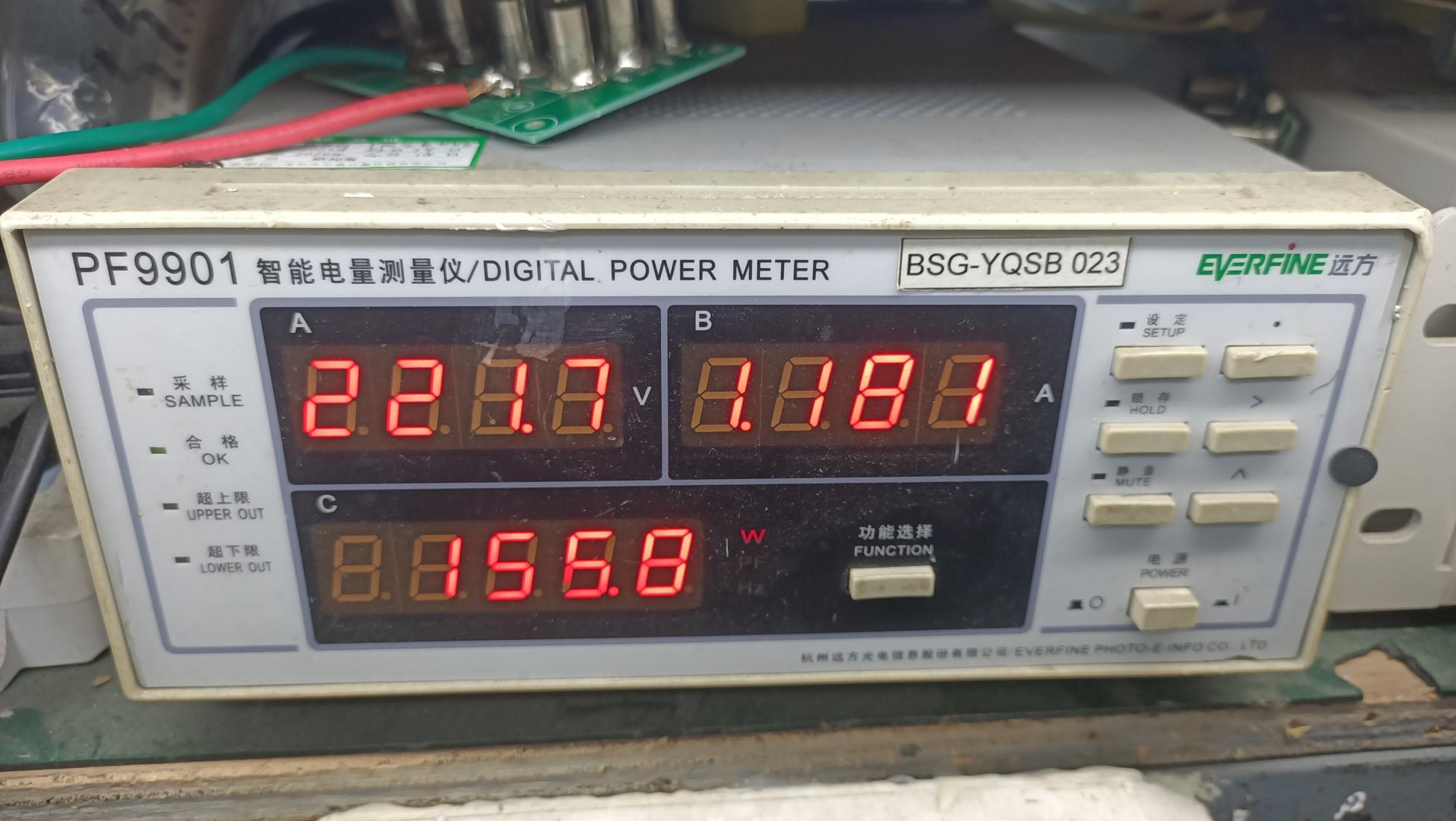 Digital Power Meter
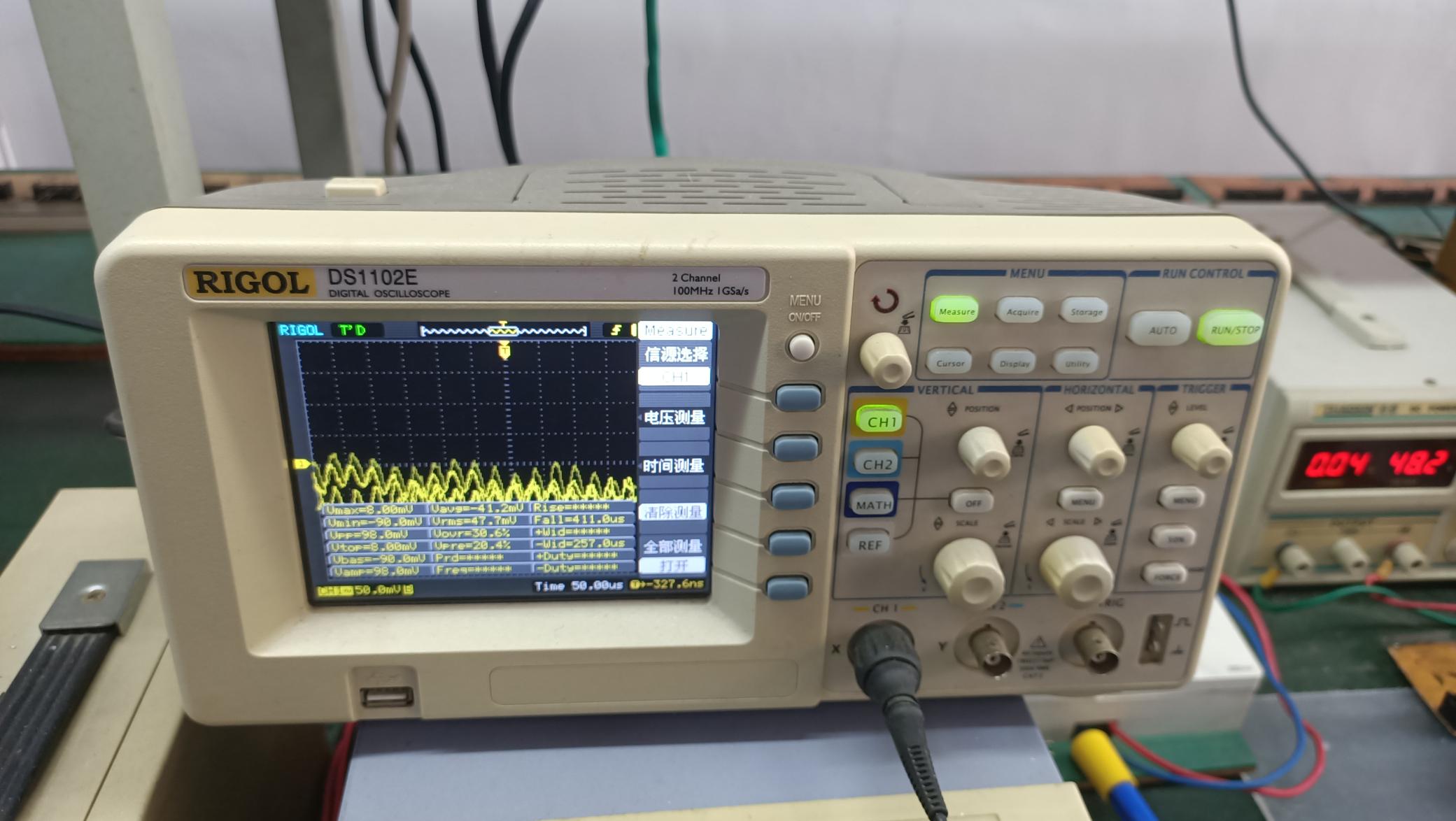 Digital Oscilloscope
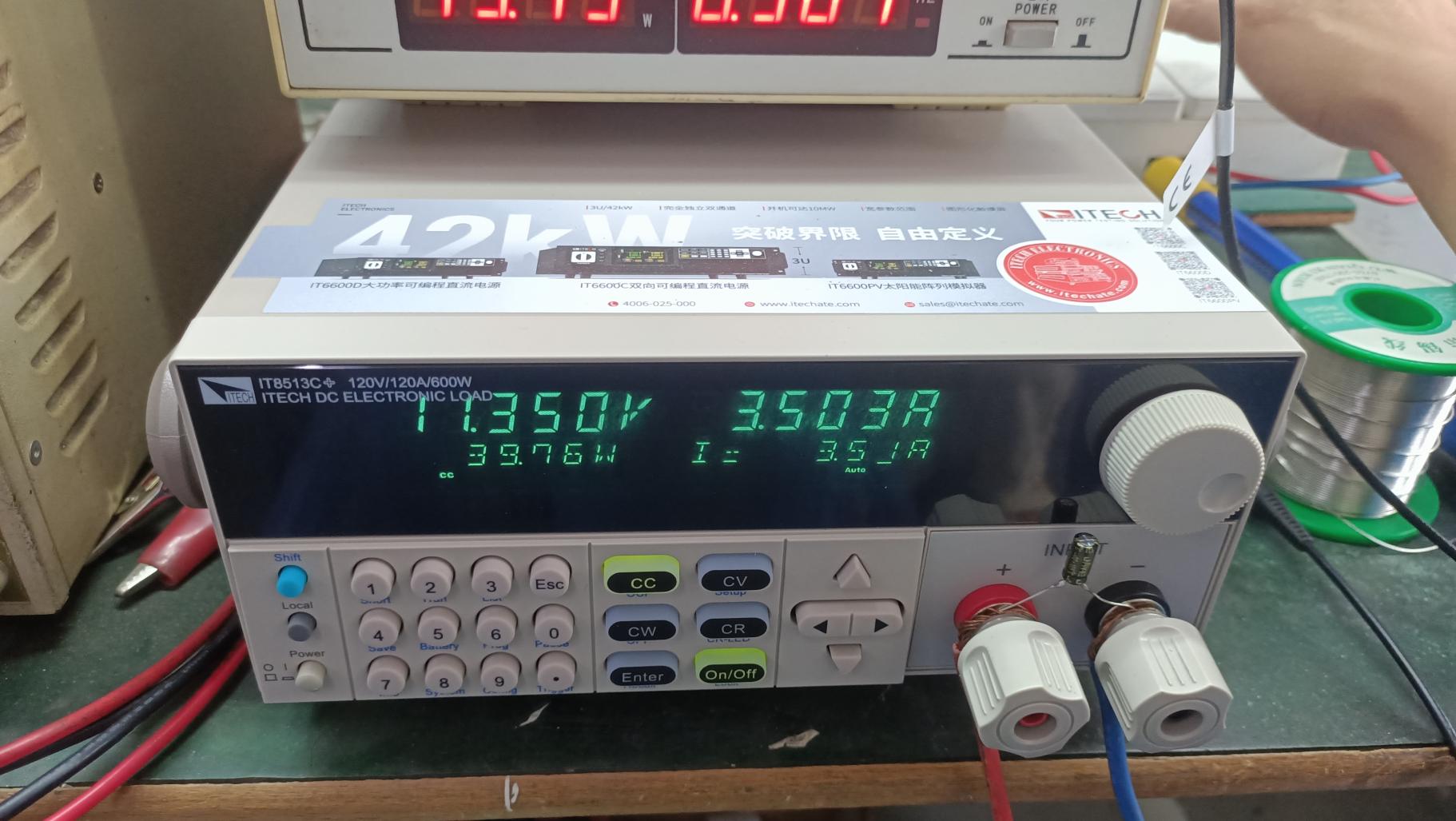 DC Electronic Load
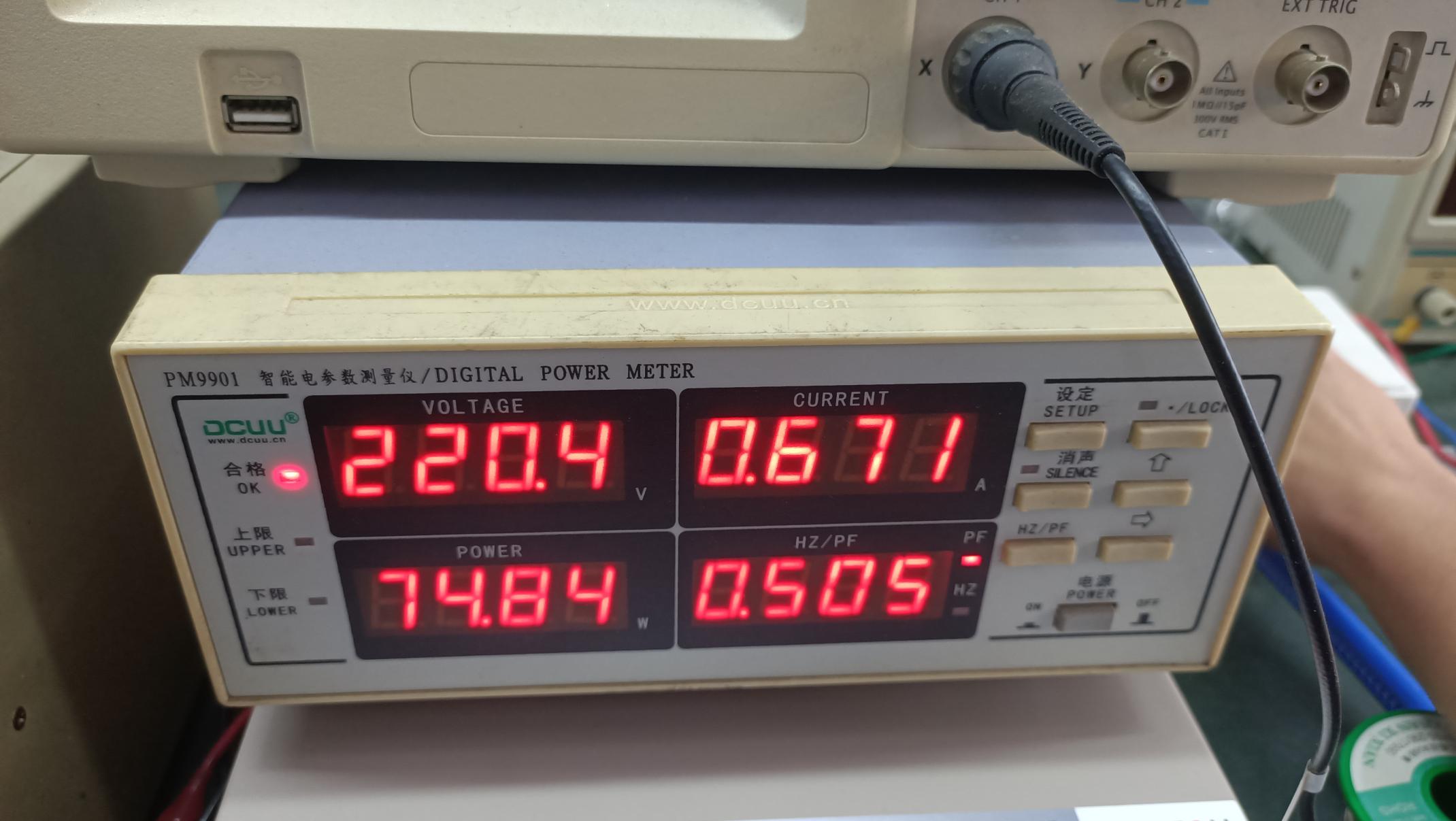 Digital Power Meter
Procuring programmable power units for critical systems involves more than comparing pricing sheets. Engineers must review key performance indicators to ensure long-term stability and system integration compatibility:
Medical devices require high electrical isolation. Power modules must comply with IEC 60601-1 BF Type classifications, featuring leakage currents of less than 100 microamps and robust safety insulation barriers.
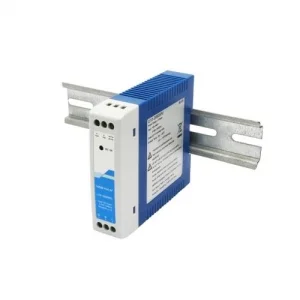
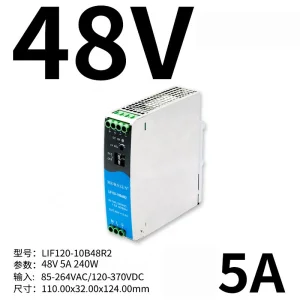
Factories demand robust DIN rail supplies that operate in temperatures ranging from -40°C to +85°C. Built-in active PFC ensures stable power delivery at high altitudes, up to 5000 meters.
Compact Common Redundant Power Supply (CRPS) modules achieve over 92% efficiency, supporting hot-swap capabilities and PMBus digital control interfaces for data centers.
The next decade of power supply design focuses on integration and automation. Key trends include: