CN Electronics
CN Electronics
CN Electronics
High-efficiency switching regulators and AC/DC converter architectures designed for harsh environment stability.
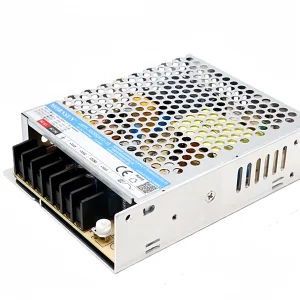
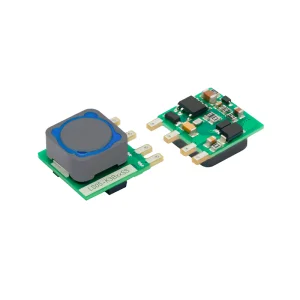
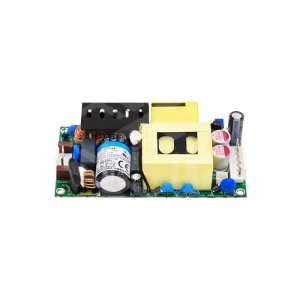
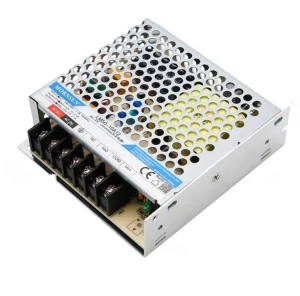
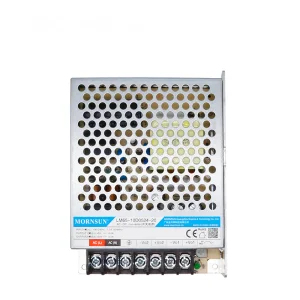
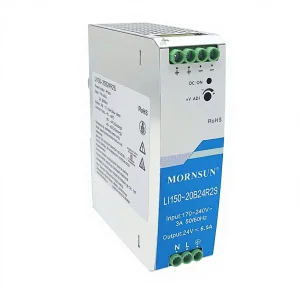
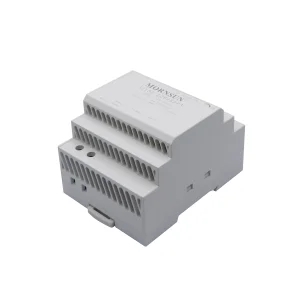
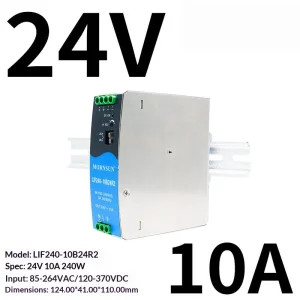
In modern industrial design, galvanic isolation is not merely a safety compliance metric; it is the cornerstone of system reliability, noise prevention, and equipment protection. An isolated power supply physically and electrically separates the input and output circuits using transformer couplings, optocouplers, or capacitive barrier technologies. This prevents direct current flow between input and output, thereby mitigating high-voltage surges that could otherwise decimate downstream microprocessors, sensitive programmable logic controllers (PLCs), or patient-connected medical sensors.
The distinction between isolated and non-isolated architectures lies in their protection mechanisms. Non-isolated topologies (such as buck, boost, or buck-boost regulators) share a common ground. While offering high efficiency and small footprint parameters, they lack security against input overvoltage surges. Conversely, isolated power topologies—including flyback, forward, half-bridge, and full-bridge LLC resonant converters—utilize dedicated transformer wind isolation barriers. This design prevents ground loops, reduces electromagnetic interference (EMI) backflow, and permits custom output configurations such as triple or dual outputs with positive/negative polarities.
When engineering teams evaluate the world's top 10 isolated power supply manufacturers, standard parameters like cost and lead times are insufficient. Technical assessment must prioritize the following quantitative criteria:
Inferior isolation barriers can degrade over time due to thermal stress or high voltage transients, leading to barrier breakdown. A breakdown can bridge line-voltage AC directly to your low-voltage logic circuits, causing catastrophic hardware destruction, system downtime, and potential risk of fire or electric shock. Selecting certified manufacturing partners prevents these liabilities.
For decades, China has served as the hardware core of the global electronics industry. However, the paradigm has shifted from low-cost assembly to advanced, high-tech process engineering. China's top isolated power supply factories, particularly in regions like Shenzhen, offer significant advantages:
1. Vertically Integrated Supply Chains: From magnetic core winding and transformer customization to high-density SMT (Surface Mount Technology) components and injection-molded casings, every link in the supply chain is co-located. This shortens the development cycle of custom OEM/ODM designs from months to weeks.
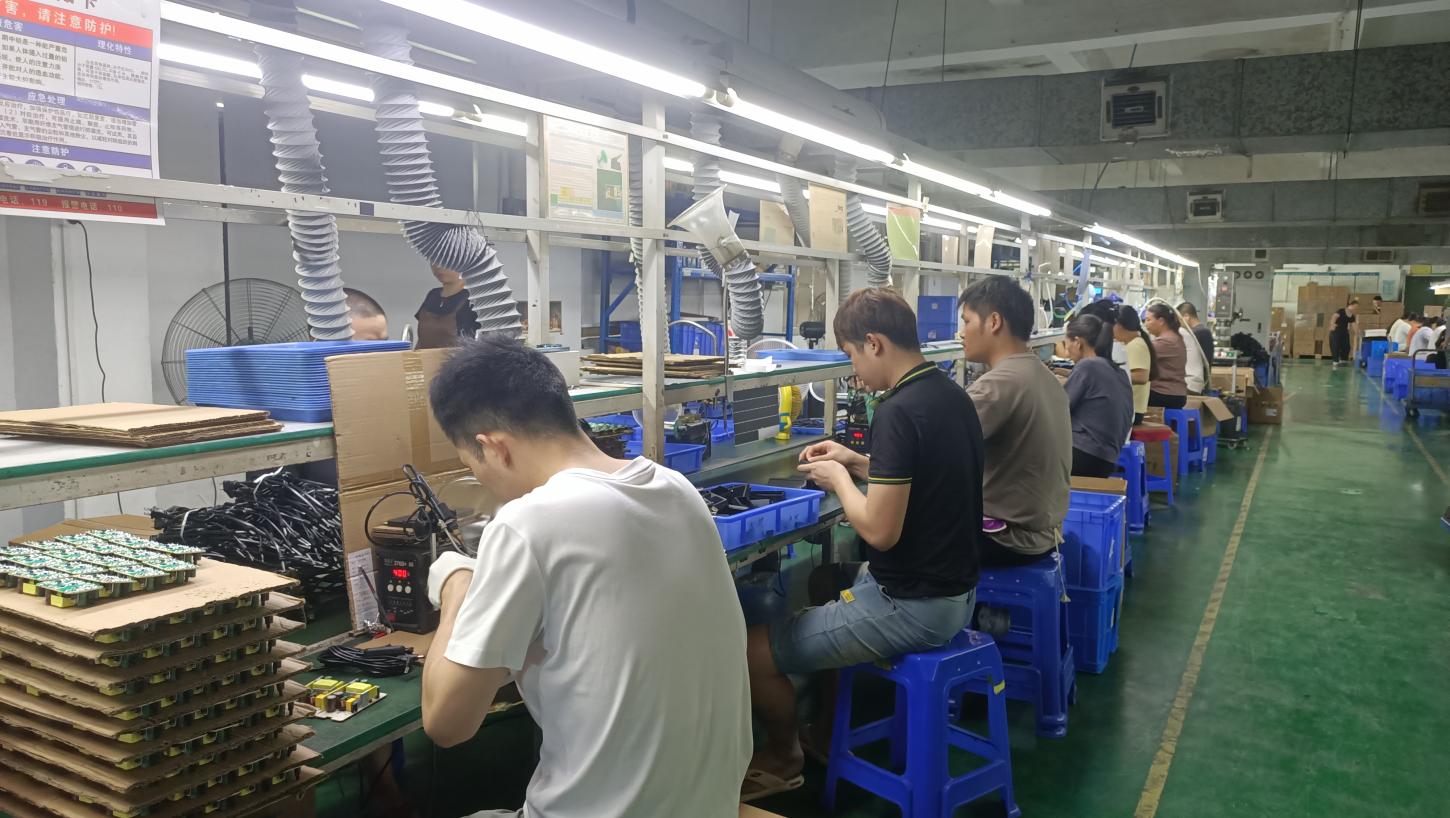
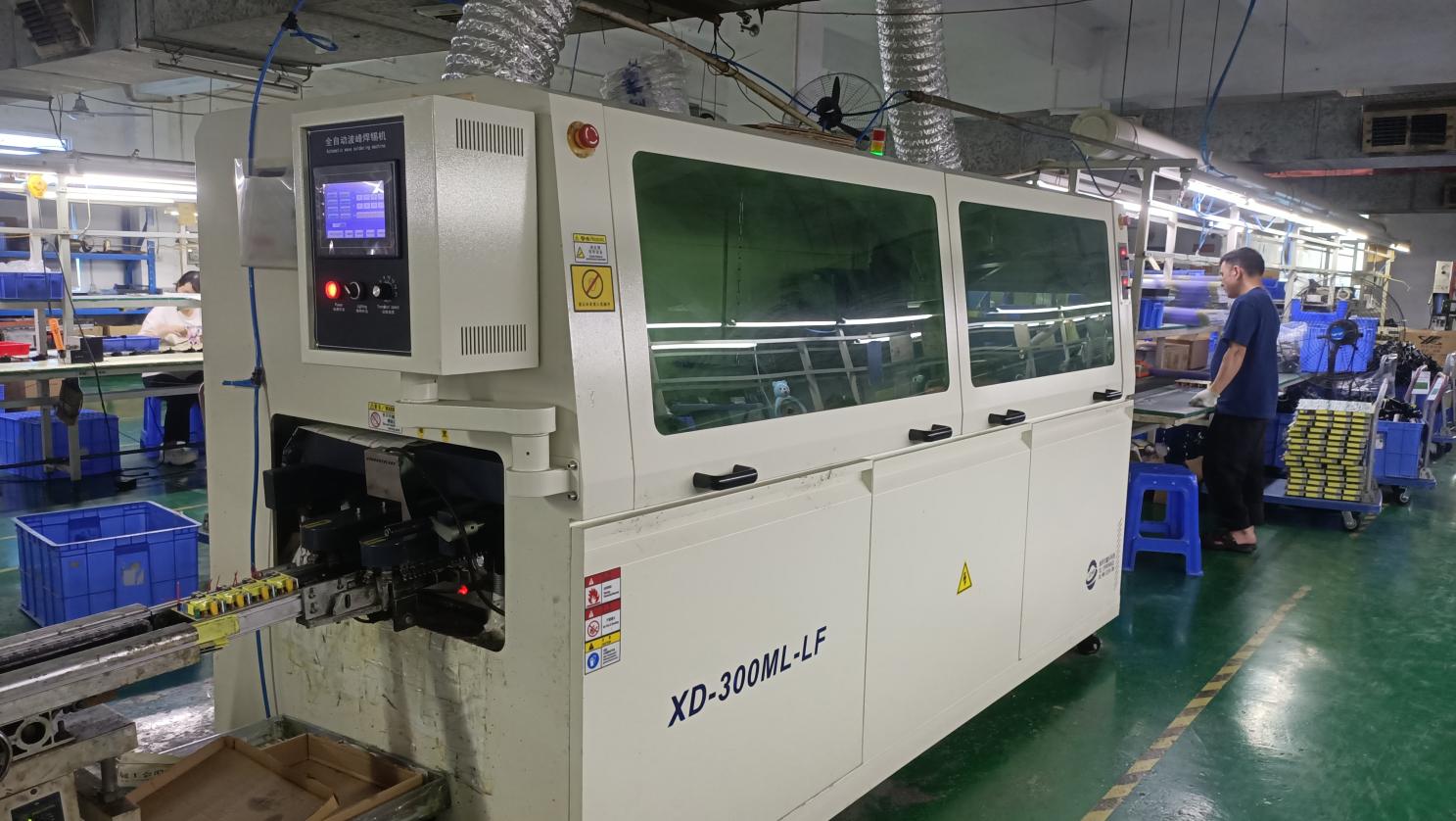
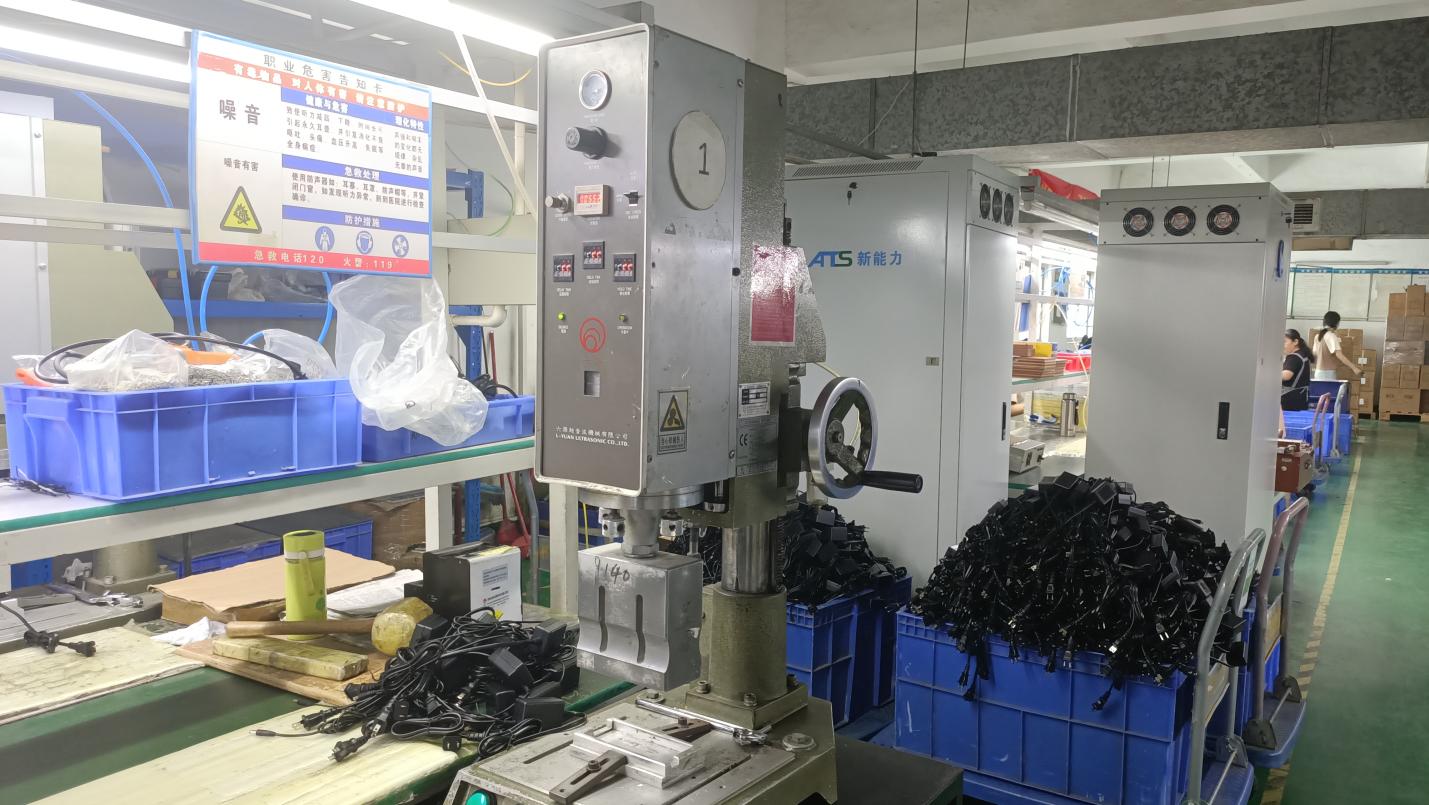
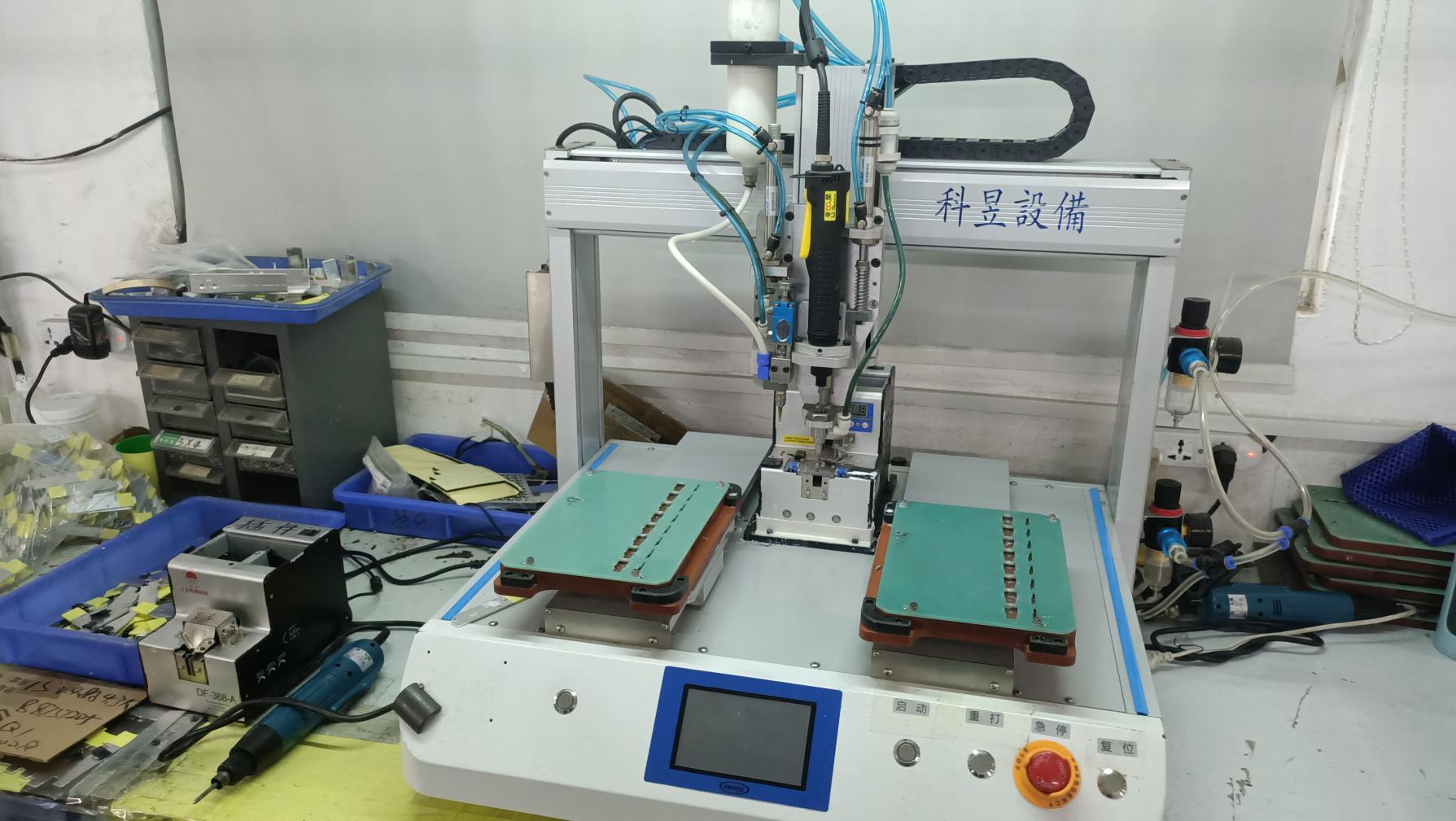
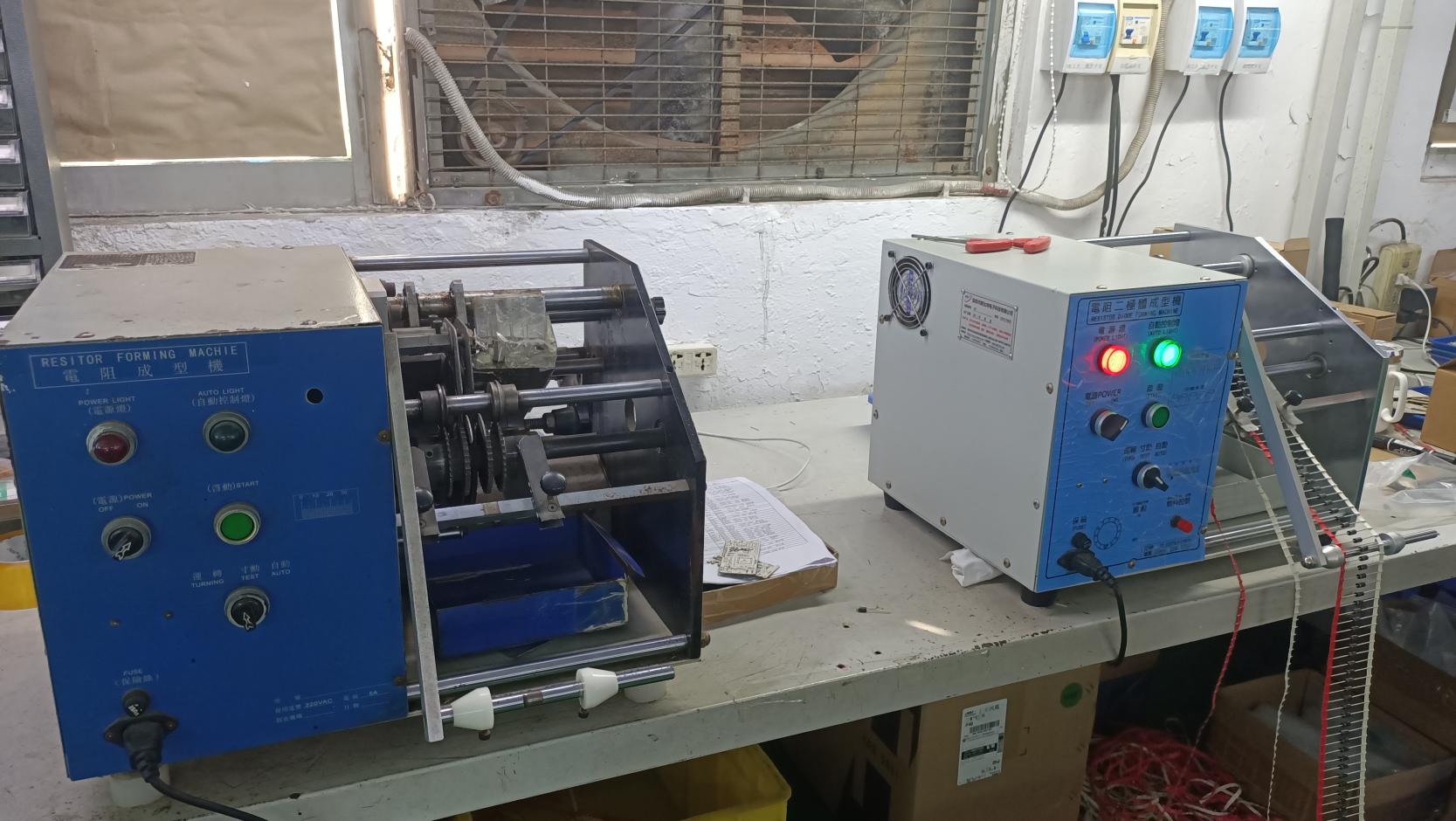
2. Advanced Process Engineering & Automated Assembly: The integration of automated DIP insertion, multi-zone reflow ovens, and wave soldering machines ensures consistent soldering quality and reduces human error. Precision automation guarantees that high-volume orders match prototype performance profiles exactly.
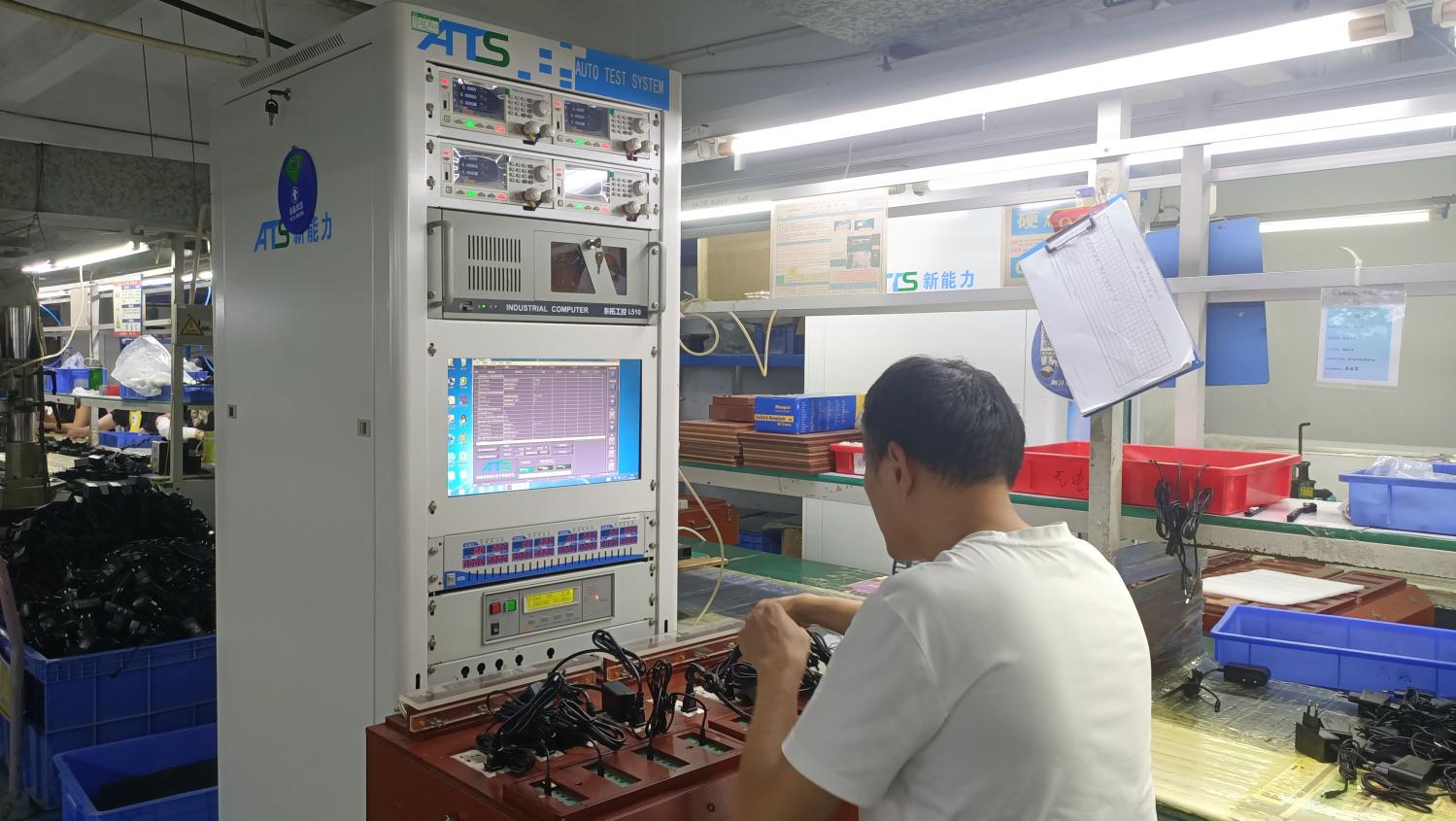
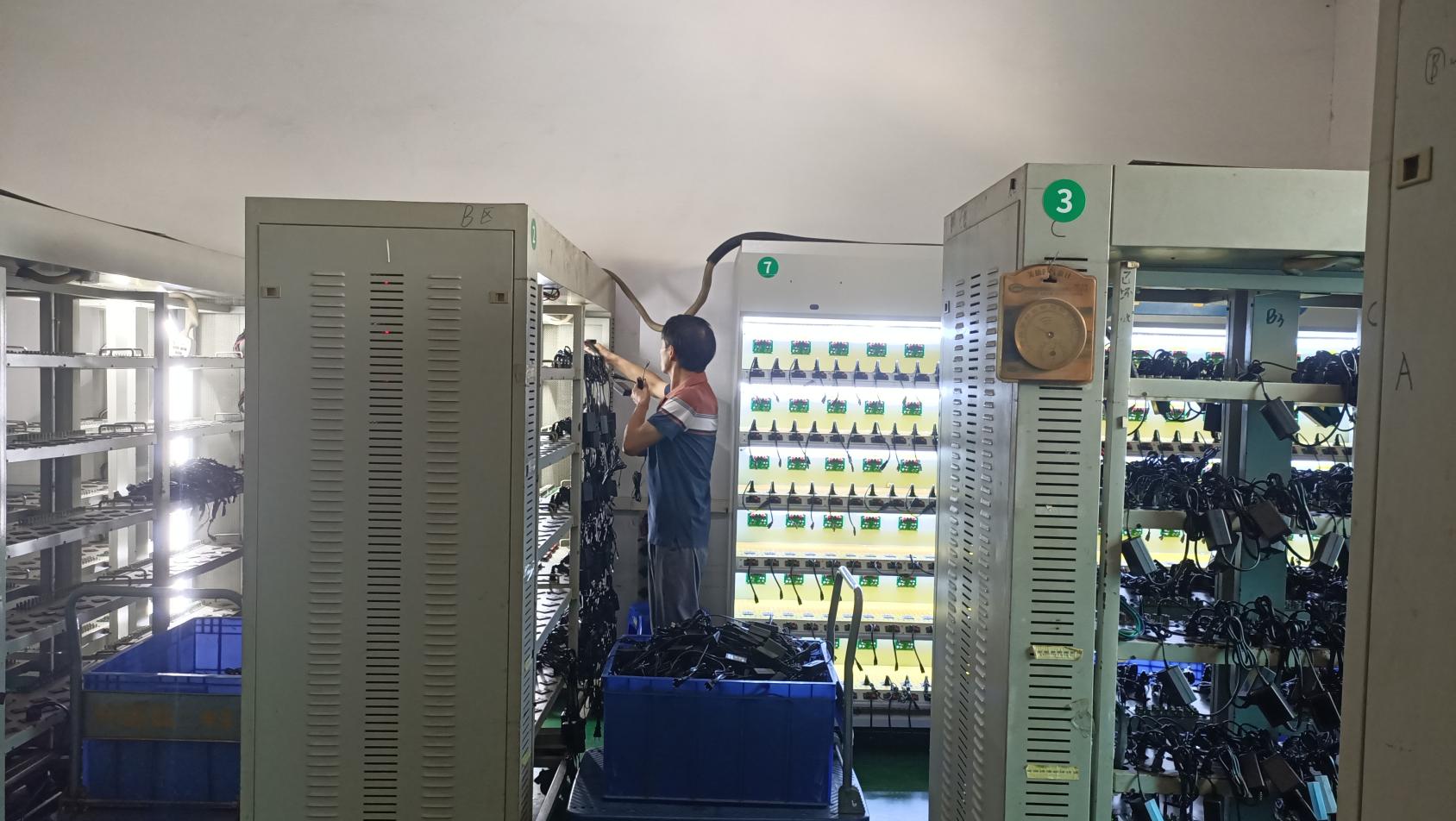
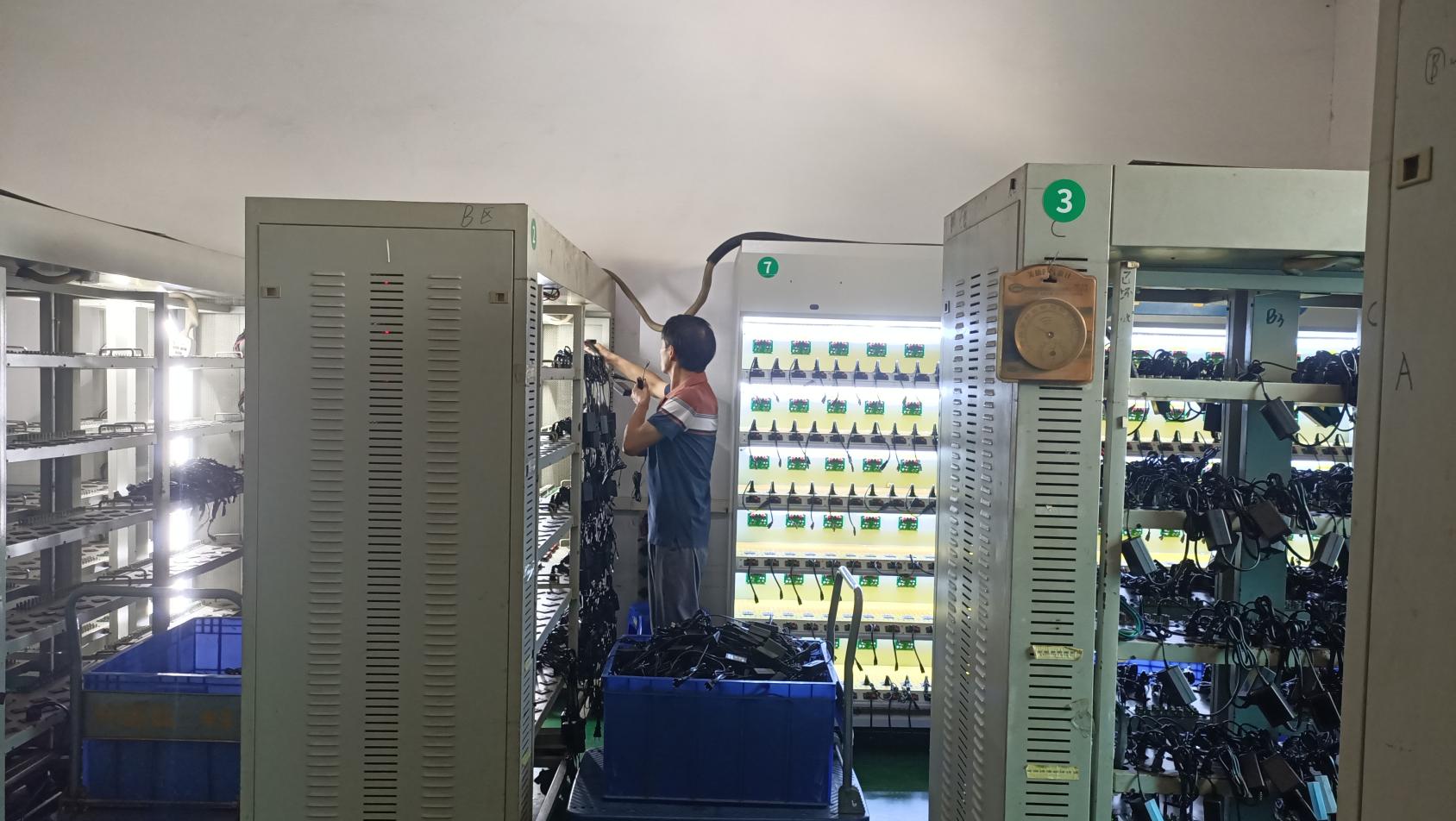
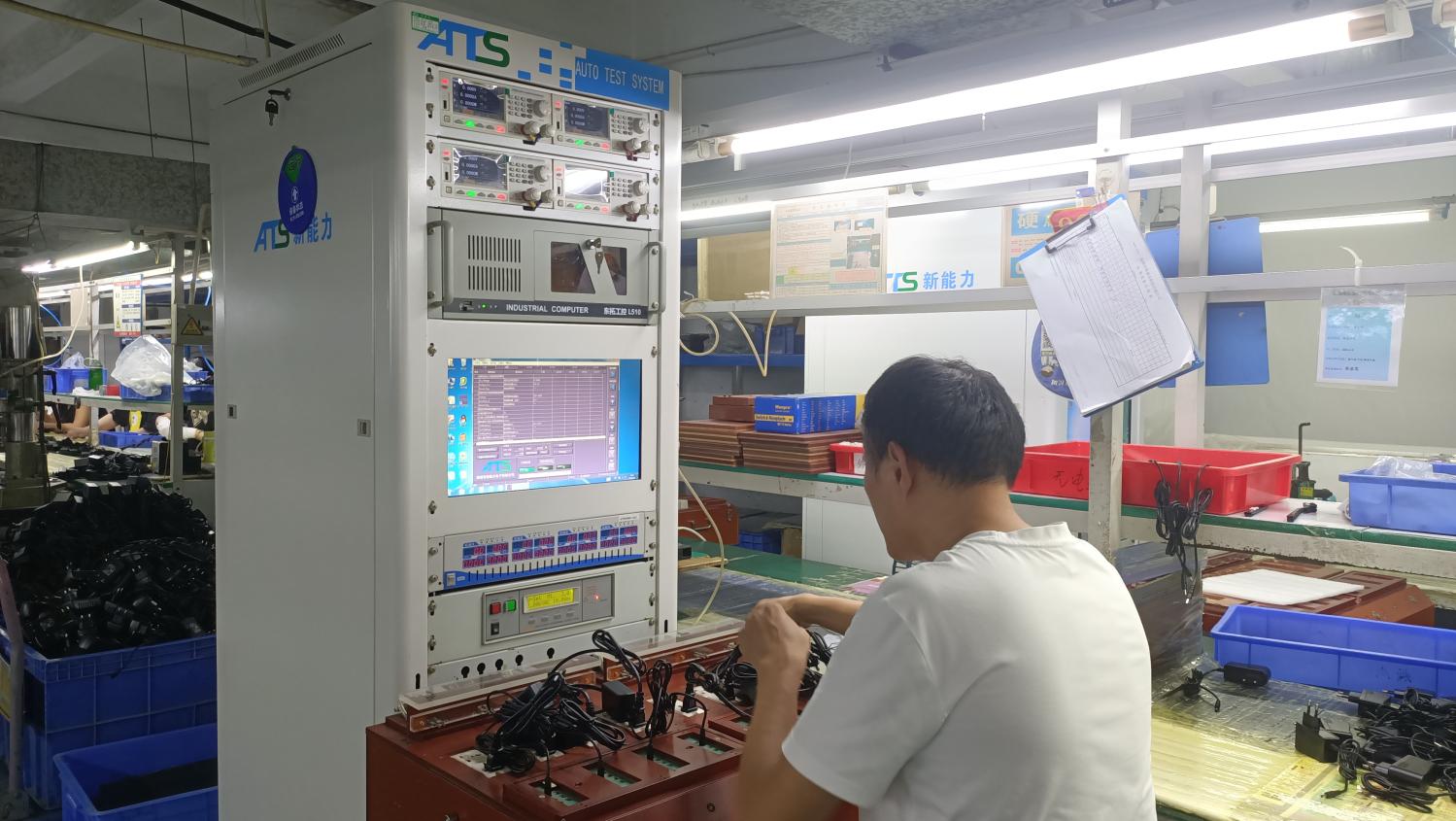
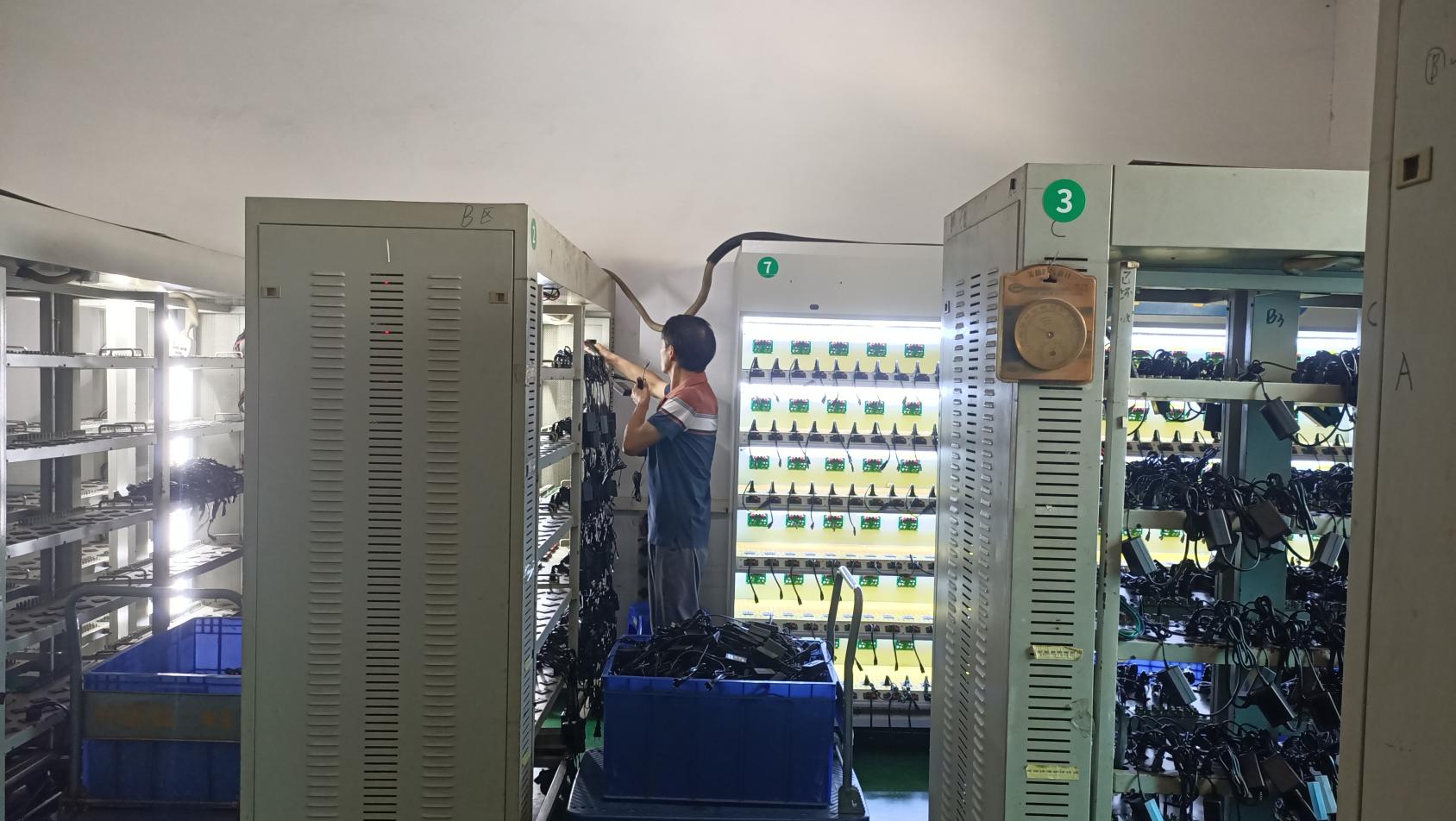
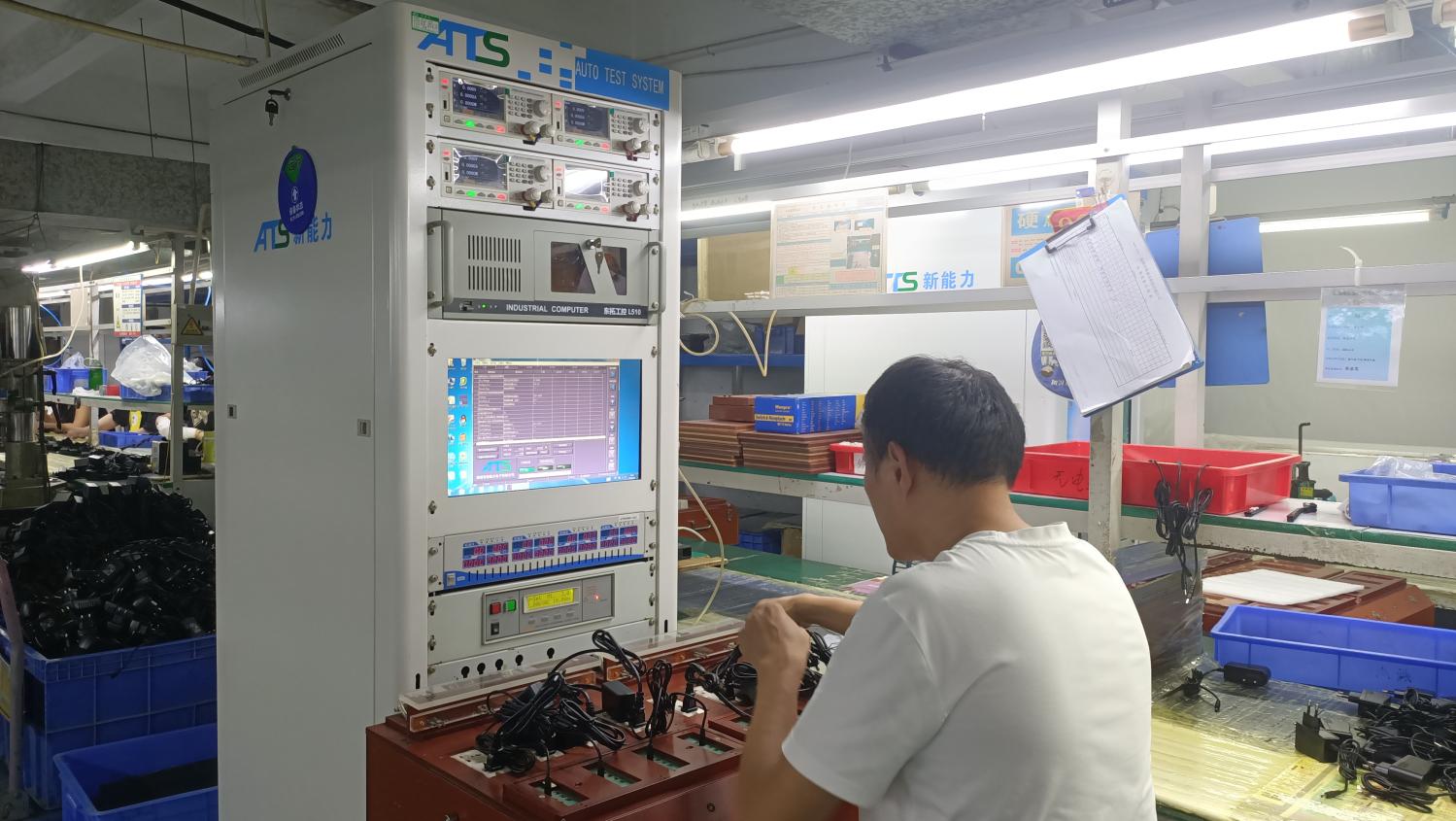
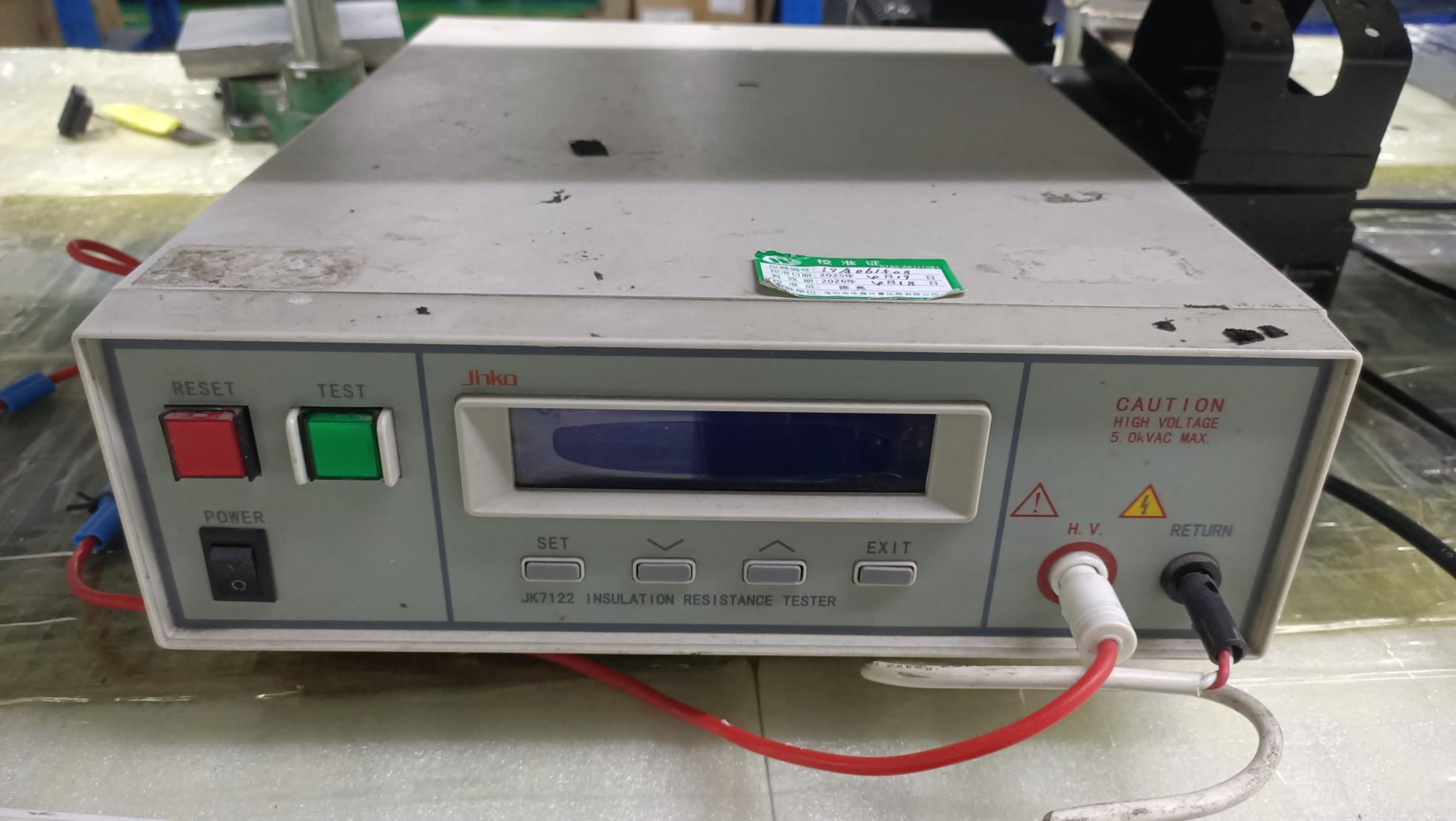
3. Rigorous Quality Inspection Frameworks: Leading factories implement closed-loop quality monitoring. In-circuit testing (ICT), automated optical inspection (AOI), insulation resistance testing, and dynamic burn-in/aging racks are applied to 100% of manufactured units to eliminate infant mortality rates before shipment.
Founded in 2006, we specialize in high-precision electronics, custom circuitry, and OEM/ODM solutions.
Founded in 2006 and headquartered in Shenzhen, China, CN Electronics is a leading, technology-driven manufacturer specializing in high-precision electronics, custom circuitry, and comprehensive OEM/ODM solutions. We bridge the gap between complex hardware blueprints and market-ready products for tech innovators worldwide.
With a state-of-the-art production facility spanning over 10000 square meters, we integrate advanced automated assembly lines with rigorous quality control protocols. Our core capabilities cover the entire product lifecycle—including rapid PCB prototyping, component sourcing, high-volume SMT placement, and final system integration.
We understand that in the fast-paced hardware industry, agility and reliability are everything. That is why we have optimized our supply chain to offer seamless communication, transparent project tracking, and uncompromising quality standards (certified under [ISO9001/CE/FCC etc.]).
Whether you are scaling a smart infrastructure project, developing next-gen consumer hardware, or sourcing robust industrial components, CN Electronics is your trusted engineering and manufacturing partner. We don’t just assemble parts; we power your growth.
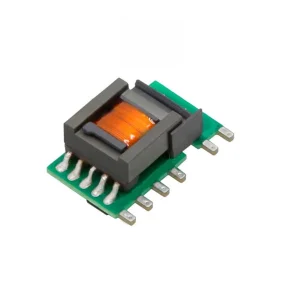
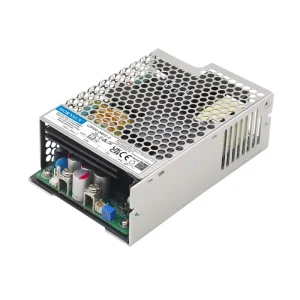
The implementation of Gallium Nitride (GaN) and Silicon Carbide (SiC) switching transistors has revolutionized isolated power density. These materials exhibit higher electron mobility and breakdown field strengths compared to traditional silicon. Consequently, GaN-based power stages operate at megahertz-range switching frequencies. This reduces the volumetric footprint of isolation transformers and output filter capacitors, facilitating the engineering of ultra-compact open-frame (like the Mornsun LOF series) and DIN-rail power modules with conversion efficiencies exceeding 94%.
Analog controllers rely on passive RC feedback networks that are susceptible to component aging and temperature drift. Modern isolated topologies increasingly utilize Digital Signal Controllers (DSCs) to drive feedback loops. Digital power loop management allows for real-time adjustments of dead-time control and active soft-switching optimization. Combined with Active Power Factor Correction (PFC), these systems achieve power factor values of up to 0.98, suppressing harmonic disturbances on global electrical grids and complying with stringent European EN61000-3-2 regulations.
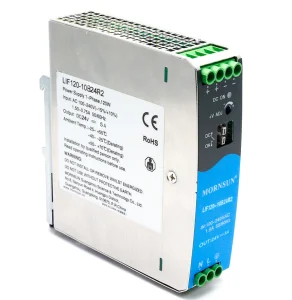
Modern applications require power supplies to operate without forced-air cooling in challenging environments. The latest generation of DIN-rail and enclosed power modules from top factories is engineered for fanless operation in ambient temperatures ranging from -40°C to +85°C. Features like high-altitude certification (up to 5,000m) and conformal coating options protect assemblies against chemical corrosion, airborne moisture, and high vibration loads.
Power conversion systems do not exist in isolation; they are integral parts of complex industrial and infrastructure ecosystems. Below, we examine the primary deployment scenarios for isolated power supplies:
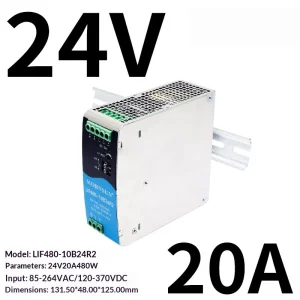
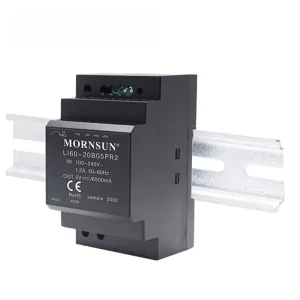
PLC units, factory sensors, and robotic arms generate significant back-EMF and inductive surges. High EMC immunity DIN-rail isolated power modules (60W to 480W) shield sensitive microcontrollers from high-voltage transients on the DC distribution bus, maintaining uninterrupted factory floor operations.
Compliance with IEC 60601-1 (2xMOPP - Means of Patient Protection) requires specialized isolation designs. By incorporating medical-grade open-frame units with reinforced isolation barriers, developers ensure that therapeutic devices, diagnostic scanners, and clinical monitors are safe for direct patient contact.
Grid-connected outdoor systems, such as smart streetlights and EV charging columns, are exposed to severe atmospheric surges. Triple or single isolated converters featuring wide input voltage capabilities (up to 305VAC) ensure system survival during grid instability and localized lightning transients.
Photovoltaic inverters and battery energy storage systems (BESS) require high-voltage isolated sensing and control power. Ultra-wide input DC-DC converters manage high common-mode transient immunity (CMTI), allowing accurate control circuits to operate reliably at elevated system voltages.
Undergoing rigorous verification audits to guarantee zero-defect manufacturing outcomes.
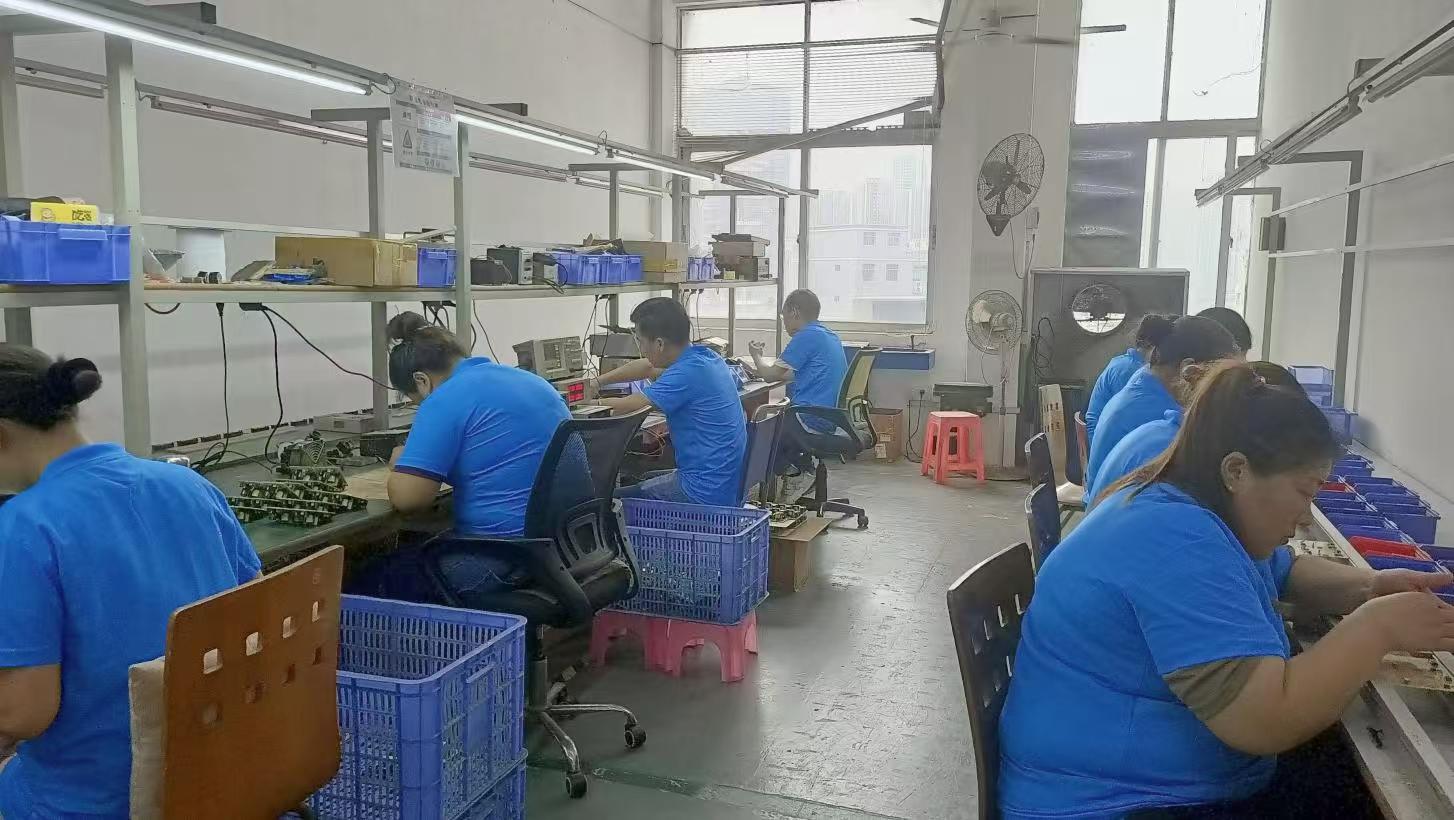
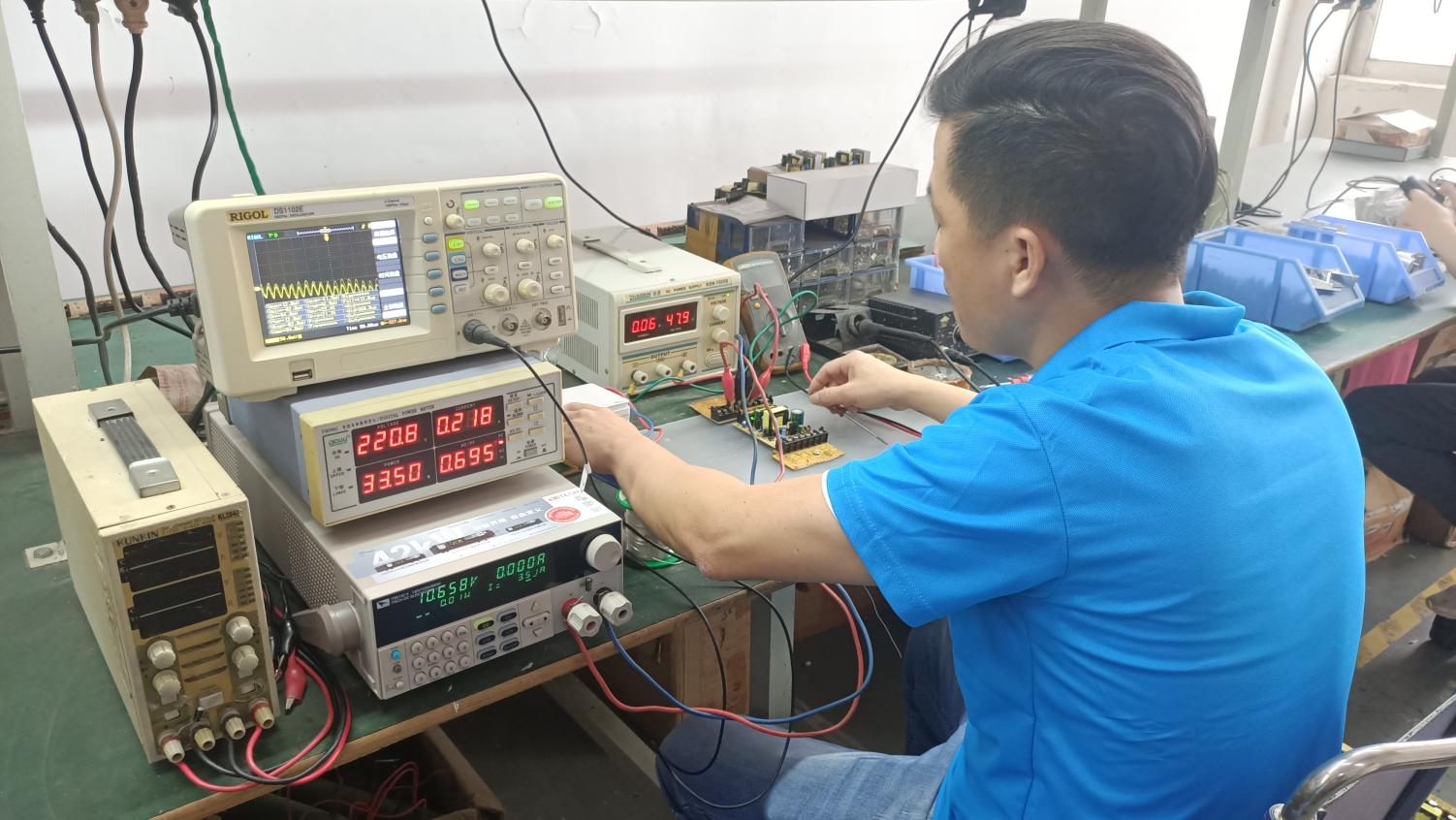
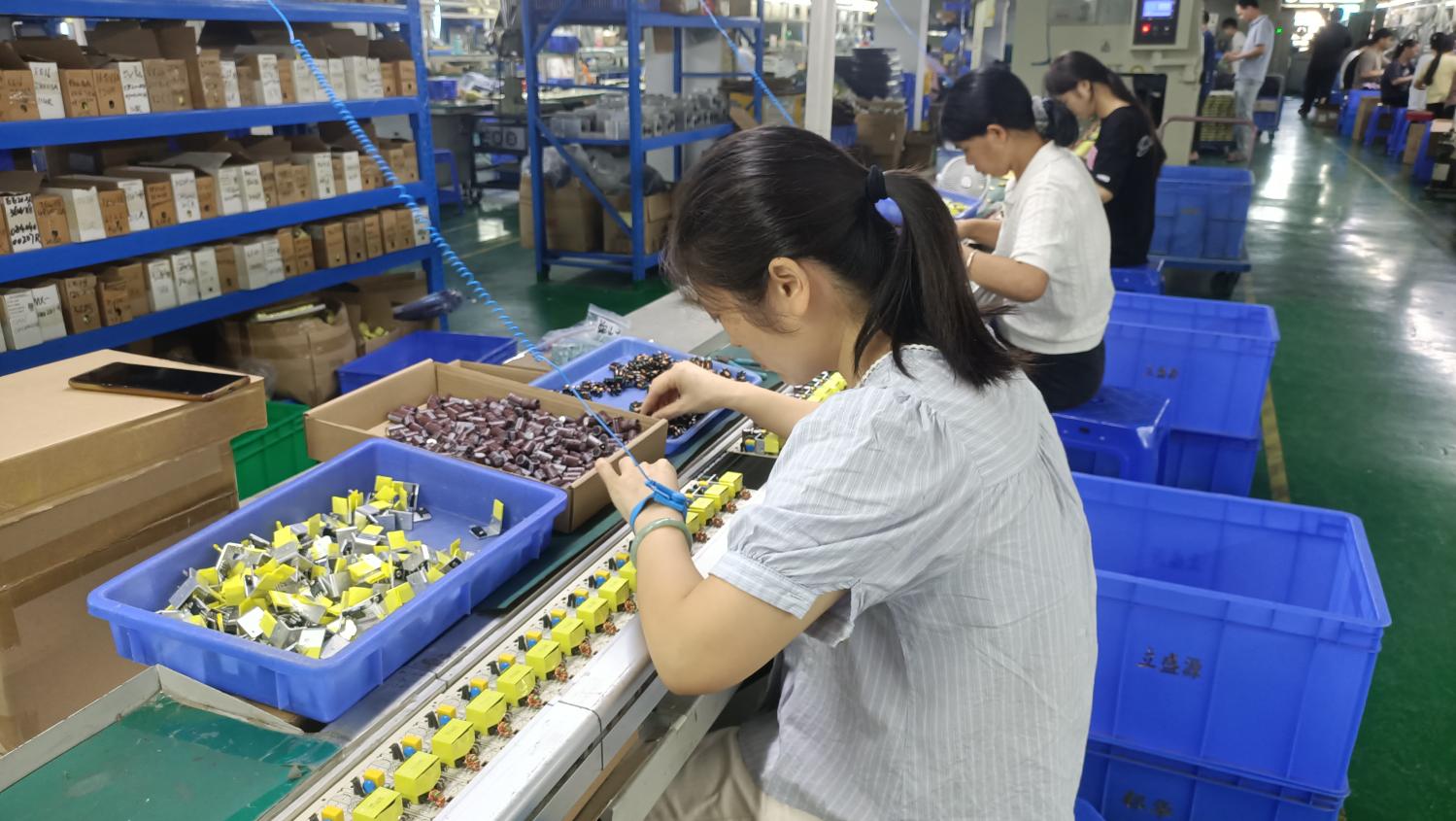
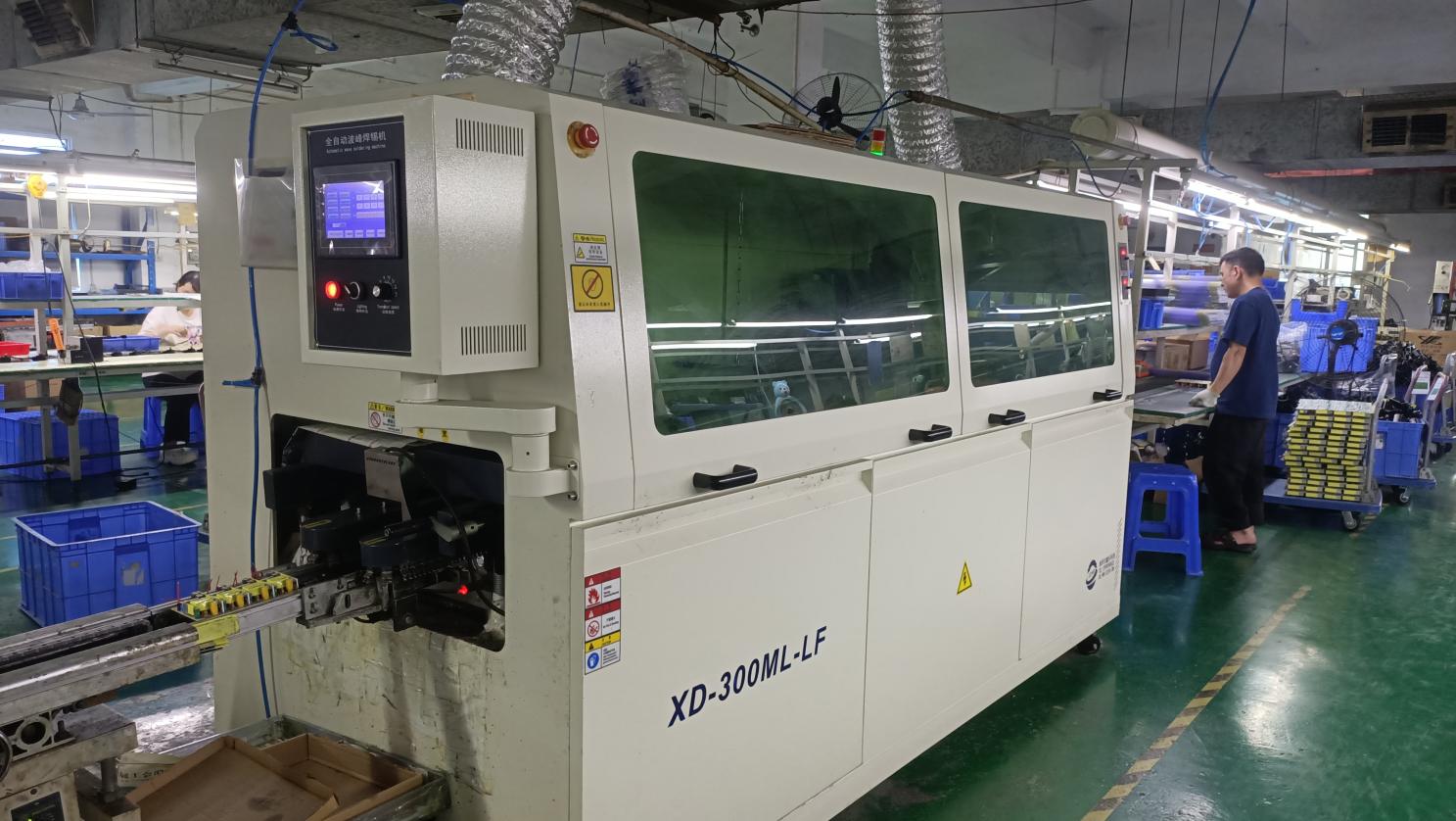
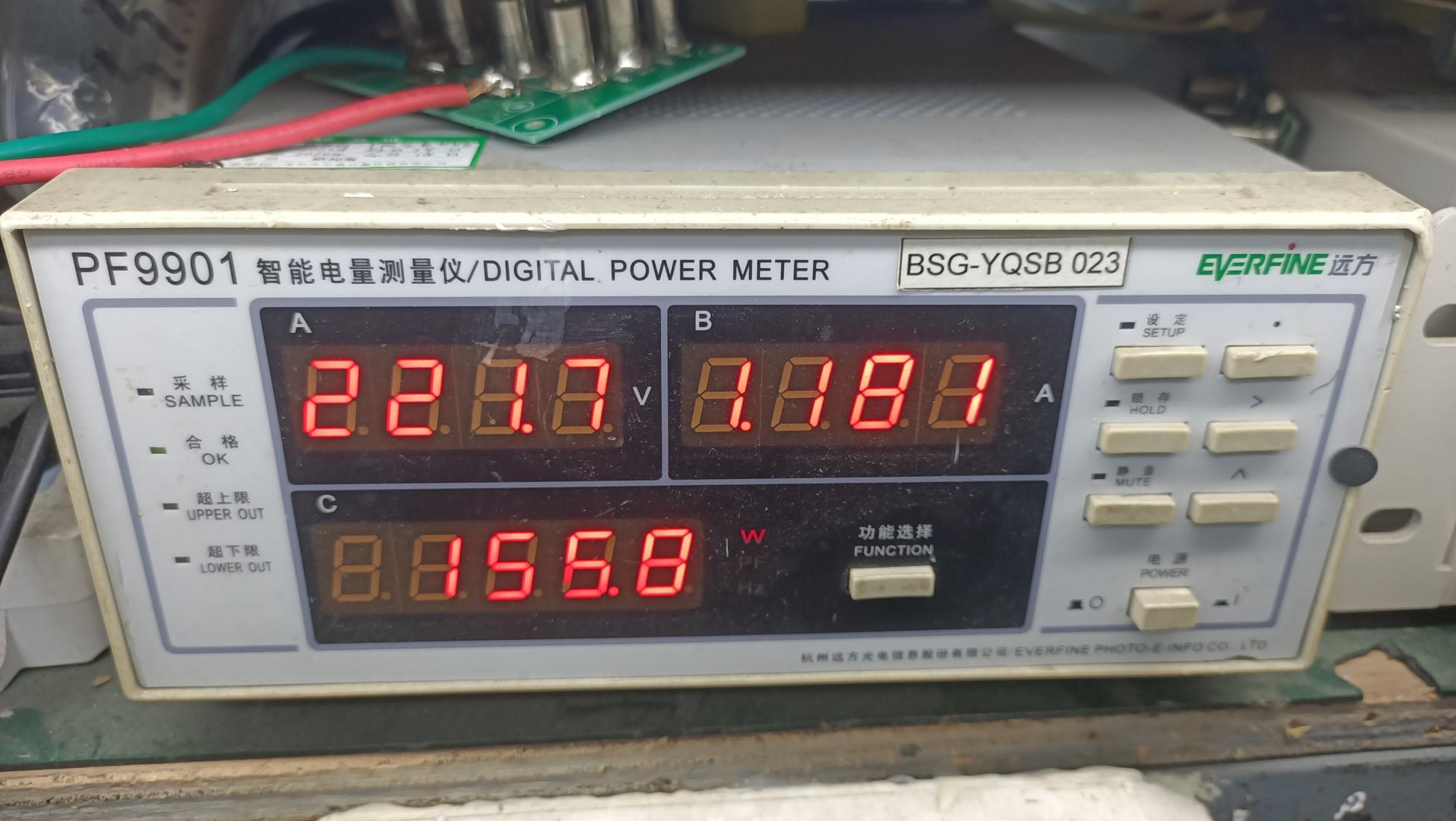
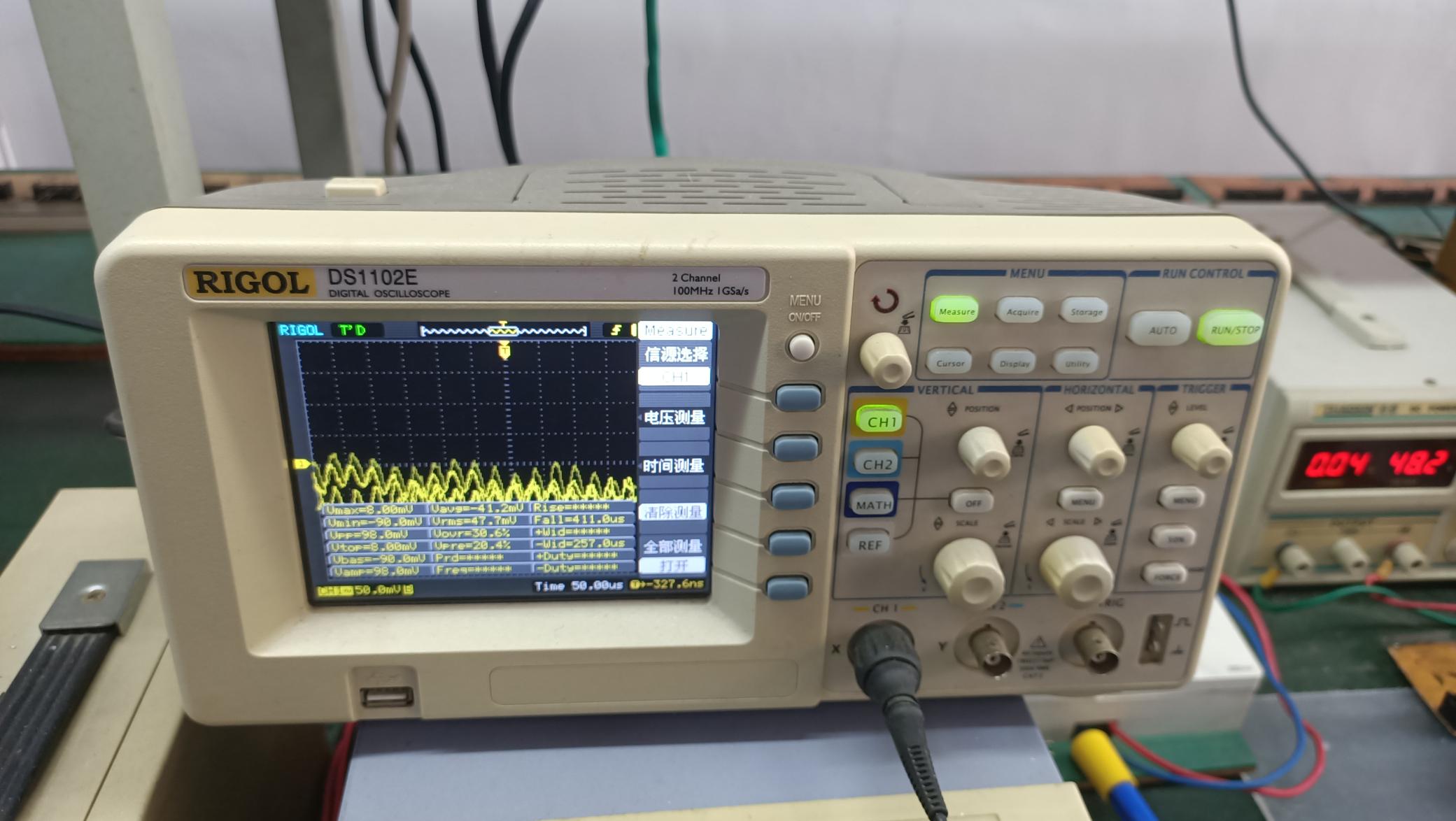
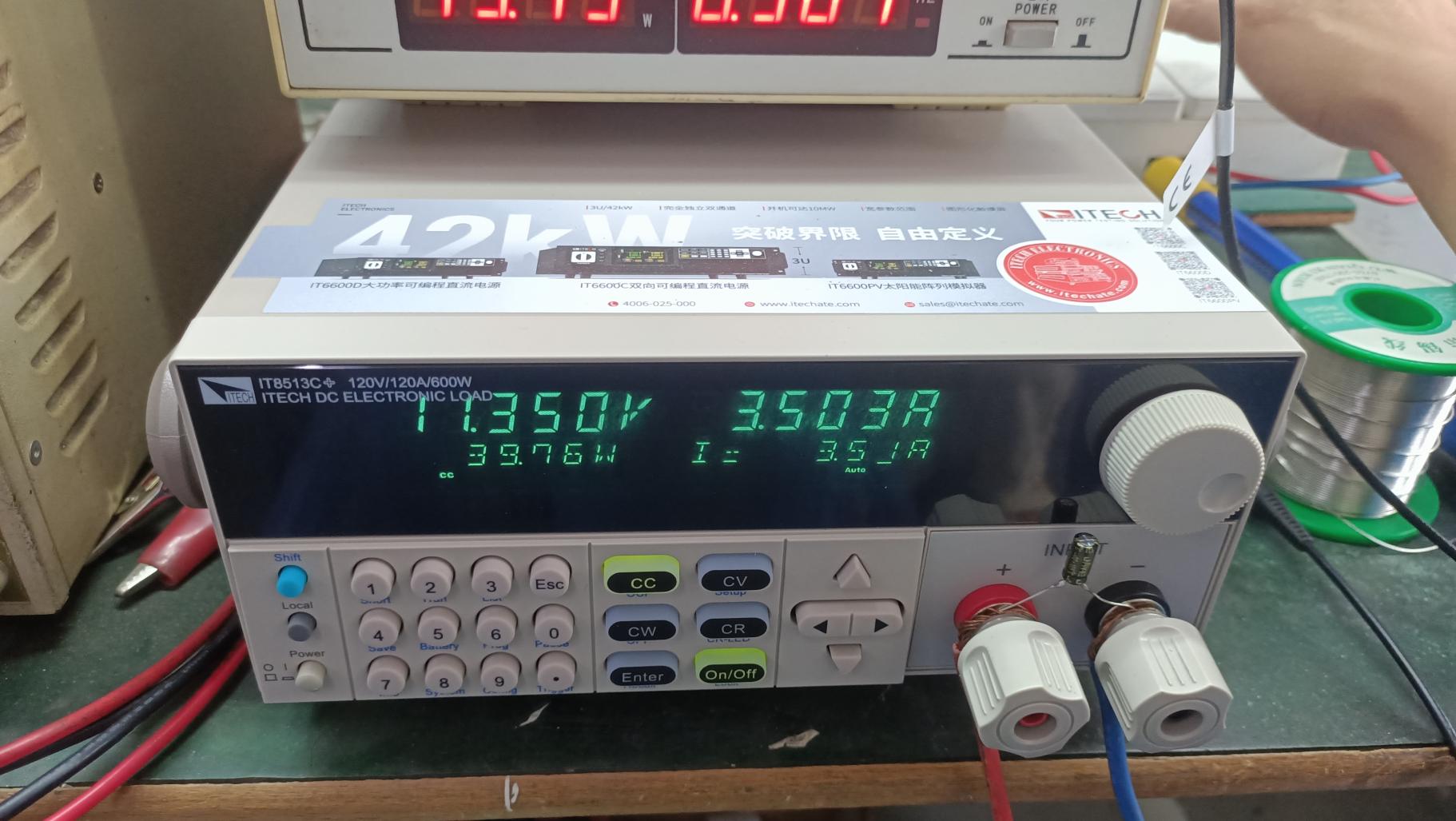
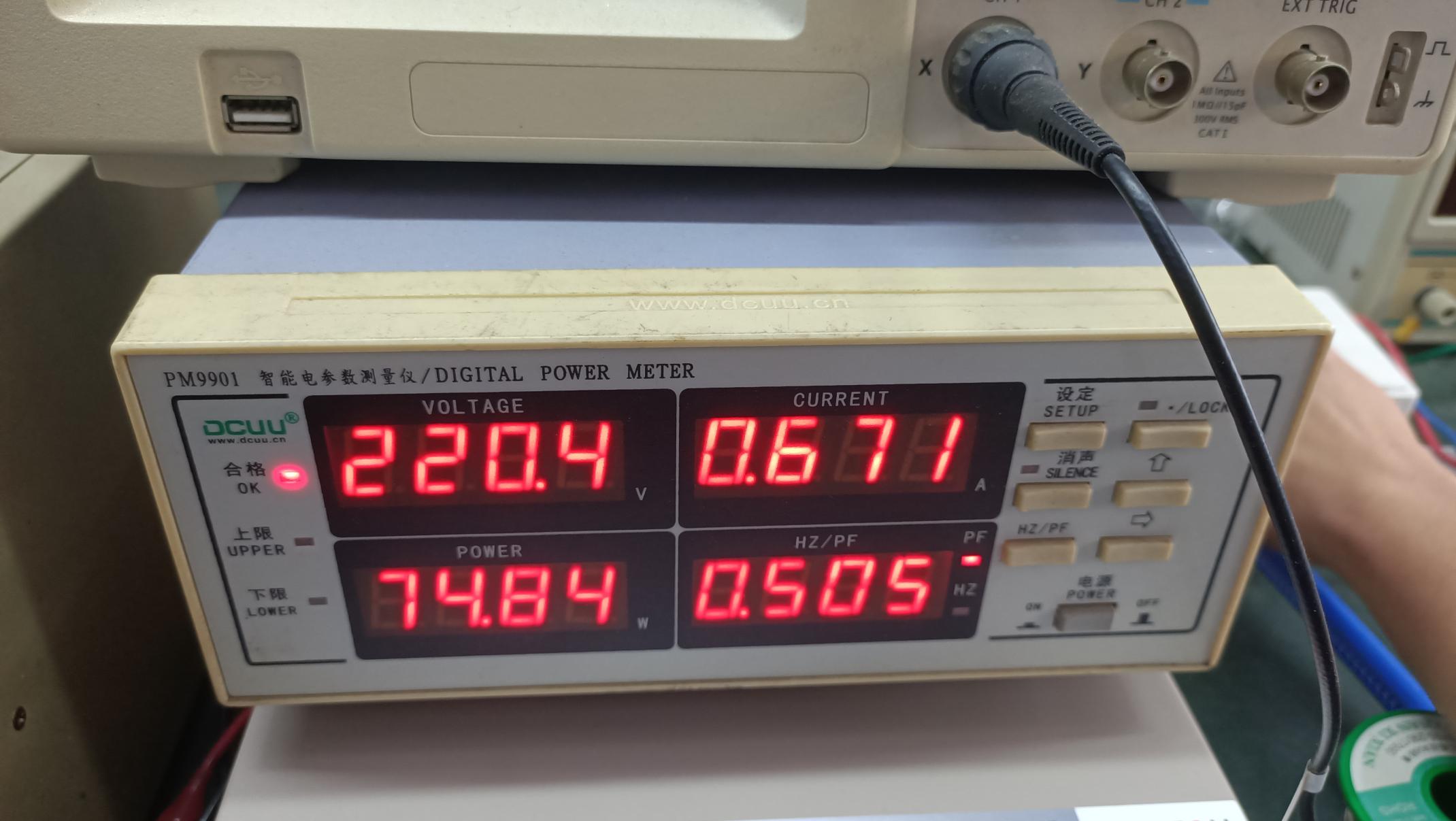
When selecting a supplier for high-reliability isolated power solutions, engineering and procurement teams should follow a structured verification process:
Technical answers to common design, compliance, and sourcing challenges in isolated power applications.
High-efficiency switching regulators and AC/DC converter architectures designed for harsh environment stability.