CN Electronics
CN Electronics
CN Electronics
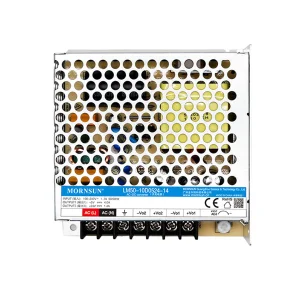
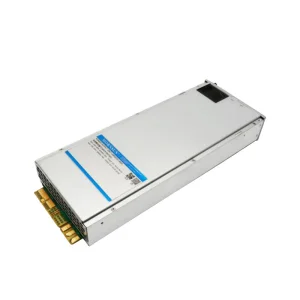
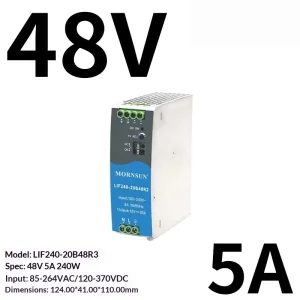
High-performance digital rectifiers, DIN-rail modules, and board-mounted switching power supplies.
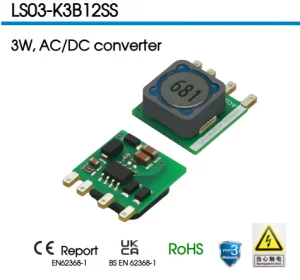
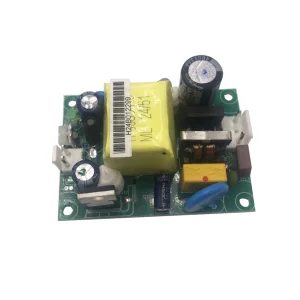
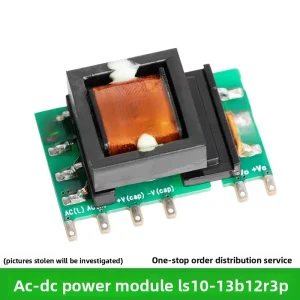
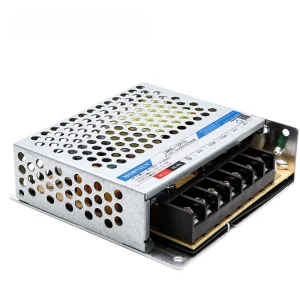
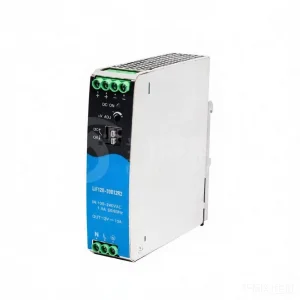
Founded in 2006 and headquartered in Shenzhen, China, CN Electronics is a leading, technology-driven manufacturer specializing in high-precision electronics, custom circuitry, and comprehensive OEM/ODM power solutions. We bridge the gap between complex hardware blueprints and market-ready products for tech innovators worldwide.
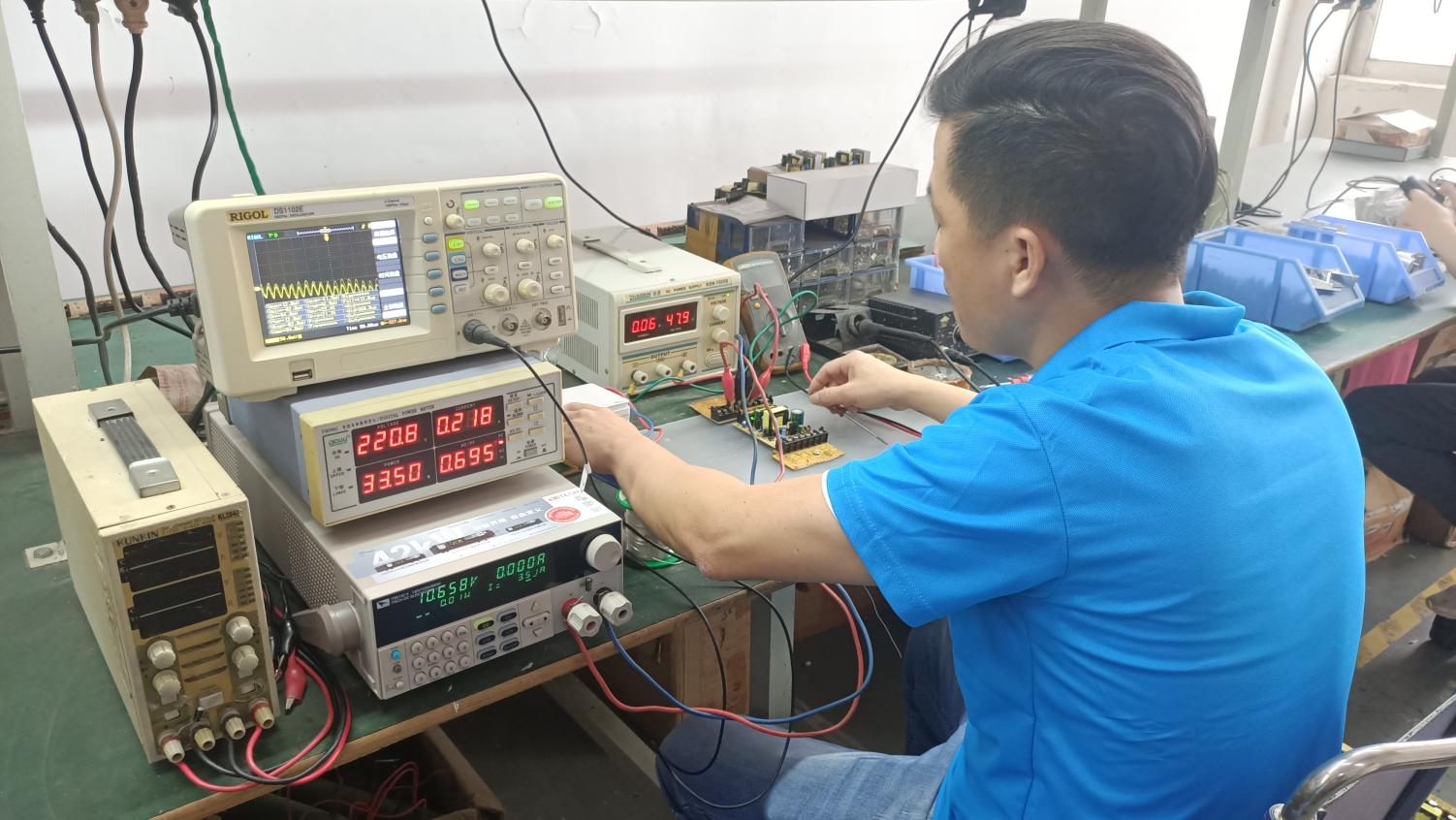
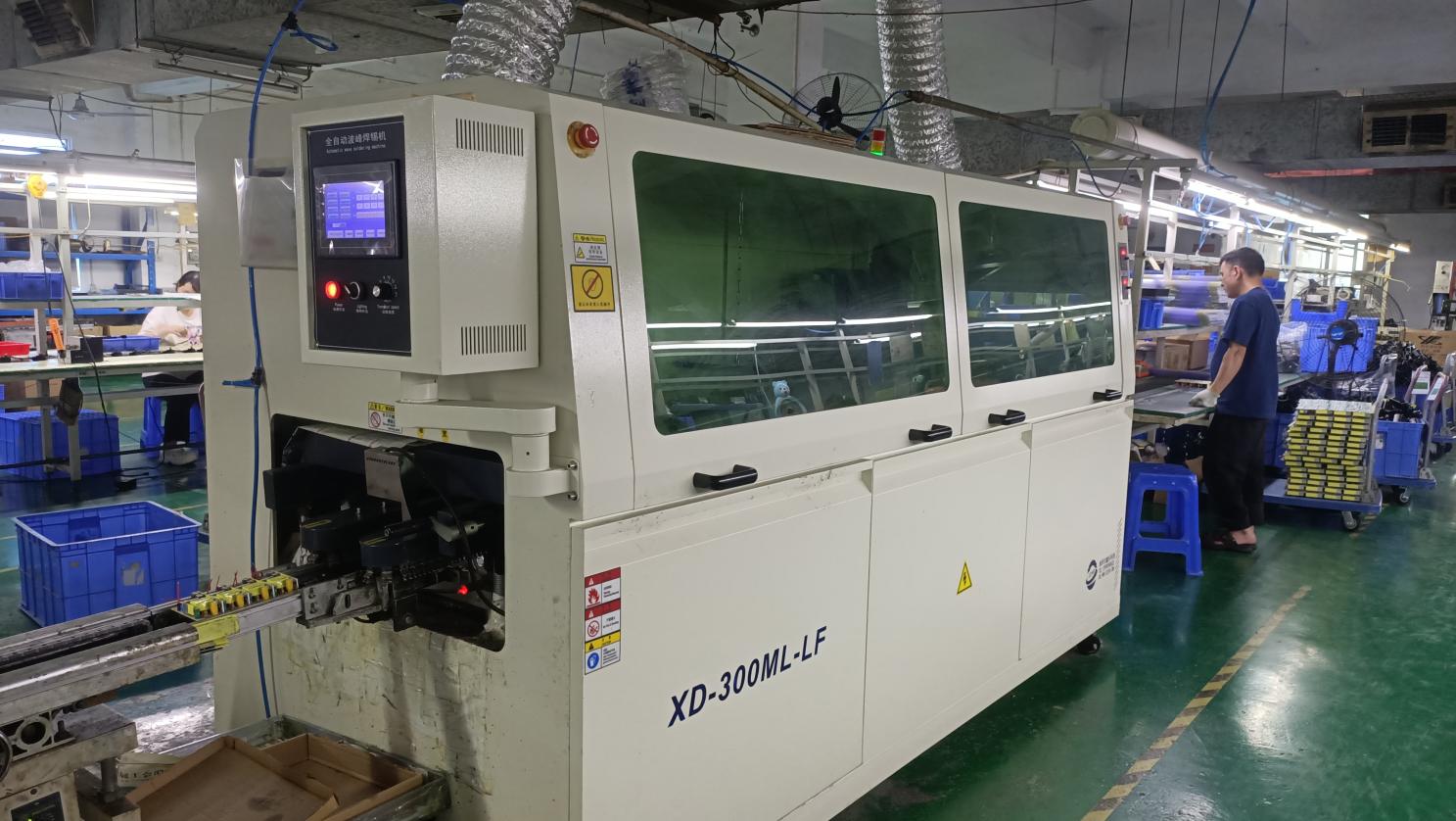
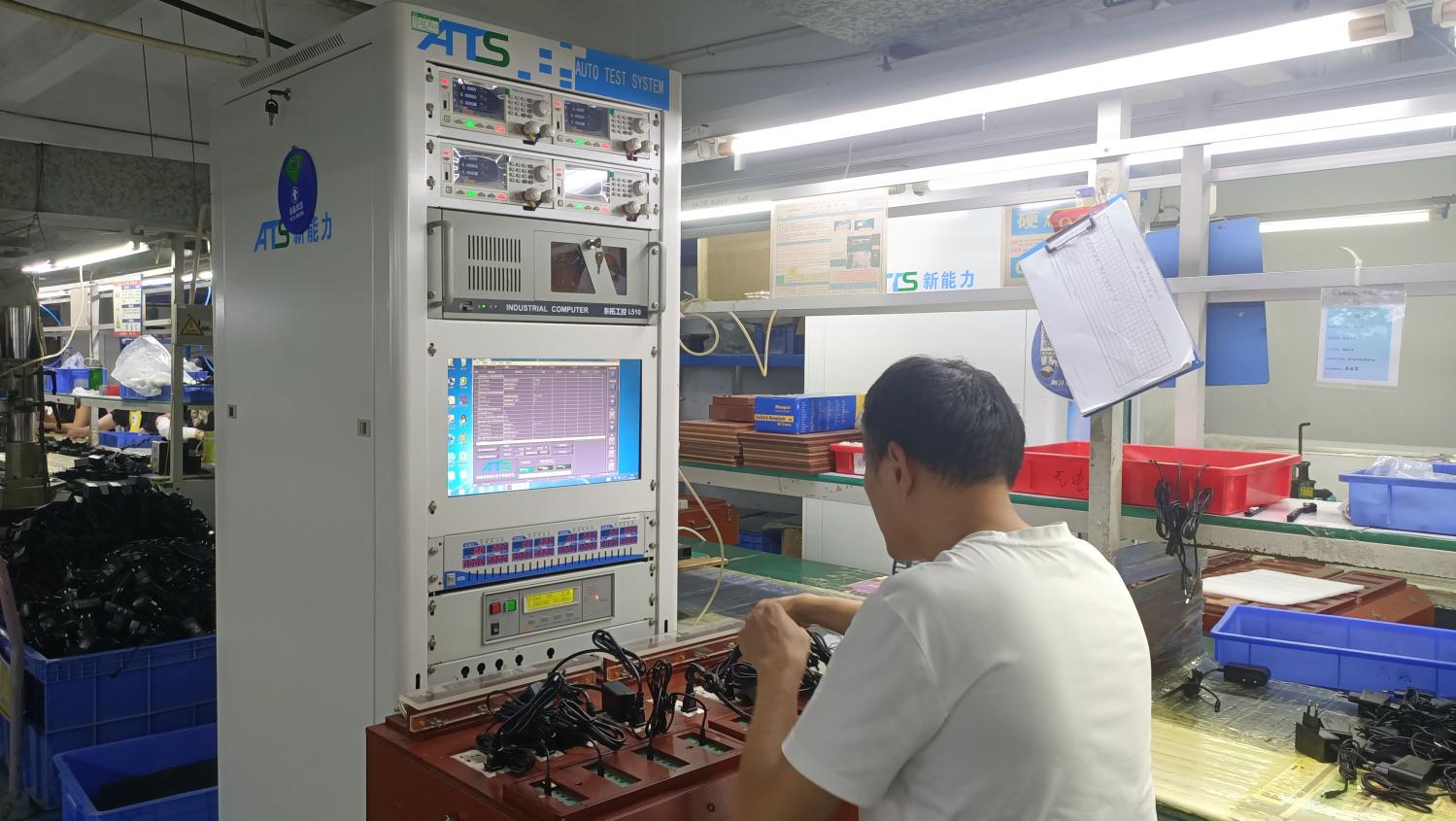
Our state-of-the-art facility integrates automated high-speed SMT lines, precise wave soldering systems, and comprehensive post-assembly testing chambers designed to scale production seamlessly while maintaining strict geometric tolerances.
From rapid double-sided PCB layout prototyping to multi-stage simulation of thermal performance under peak loads, we support developers through the entire lifecycle—eliminating layout bottlenecks prior to tooling.
Our operations and supply chain comply with ISO9001, CE, FCC, UL, and RoHS. Every power supply topology is tested for EMI/EMC compliance, creepage, and galvanic isolation limits before final dispatch.
Global sourcing and system engineering teams face a mounting trilemma in power system selection: optimizing efficiency, managing rising thermal densities, and reducing unit manufacturing costs. Industrial networks operate in harsh electrical and atmospheric conditions, requiring converters to manage input line surges and sustained temperature fluctuations.
CN Electronics resolves these pain points. We partner with procurement agencies to secure high-tier silicon components and passive elements, protecting production batches from component obsolescence. By aligning design constraints with certified manufacturing tolerances, we deliver customized power supplies optimized for cost and longevity.
Designs configured with specialized thermal topologies to exceed 300,000 hours of continuous operation.
Direct compliance paths to IEC/EN/UL62368, IEC60601-1 BF Type, and ATEX explosion-proof zones.
Standard products can leave system architectures sub-optimized. We engineer bespoke power topologies customized for specific industry frameworks.
Integrating active CAN 2.0B bus and PMBus protocols to enable real-time telemetry of voltage, current, and internal thermistor parameters. Configured for high-efficiency rectifying modules (96% efficiency) to optimize power usage effectiveness (PUE).
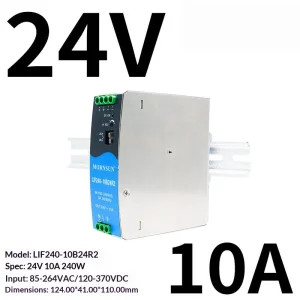
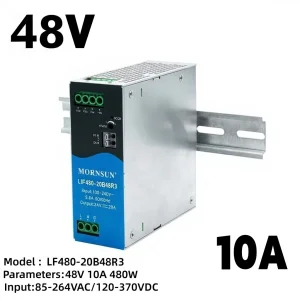
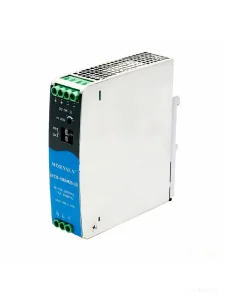
Designed for mounting on standard TS-35 rails, providing stable DC outputs under mechanical shock and high-vibration conditions. Equipped with 150% peak load capacity to handle inductive motor startup spikes without triggering overcurrent shutdown.
Meeting IEC60601-1 safety margins with dual Means of Patient Protection (2xMOPP). Designed for ultra-low leakage currents (<100µA) to prevent microshock hazards in clinical diagnostics and point-of-care patient monitors.
As power densities climb and global efficiency regulations tighten, CN Electronics is advancing power electronics design toward next-generation topologies.
Replacing legacy silicon MOSFETs with Gallium Nitride (GaN) and Silicon Carbide (SiC) semiconductors, allowing switching frequencies up to 500kHz. This shrinks planar magnetic components and yields power densities exceeding 30W/in³.
Utilizing soft-switching techniques (Zero Voltage Switching - ZVS) to limit heat generation in high-power converters. These topologies help achieve 80 Plus Titanium equivalent efficiency levels across wide input voltage ranges.
Replacing traditional analog control loops with high-speed DSPs (Digital Signal Processors). This enables adaptive control parameters, dynamic voltage adjustment, and programmable fault responses via microcode updates.
Aligning product design with the ErP Directive. We minimize standby power consumption to under 0.15W and design modular mechanical assemblies that simplify component reclamation and support circular supply chains.
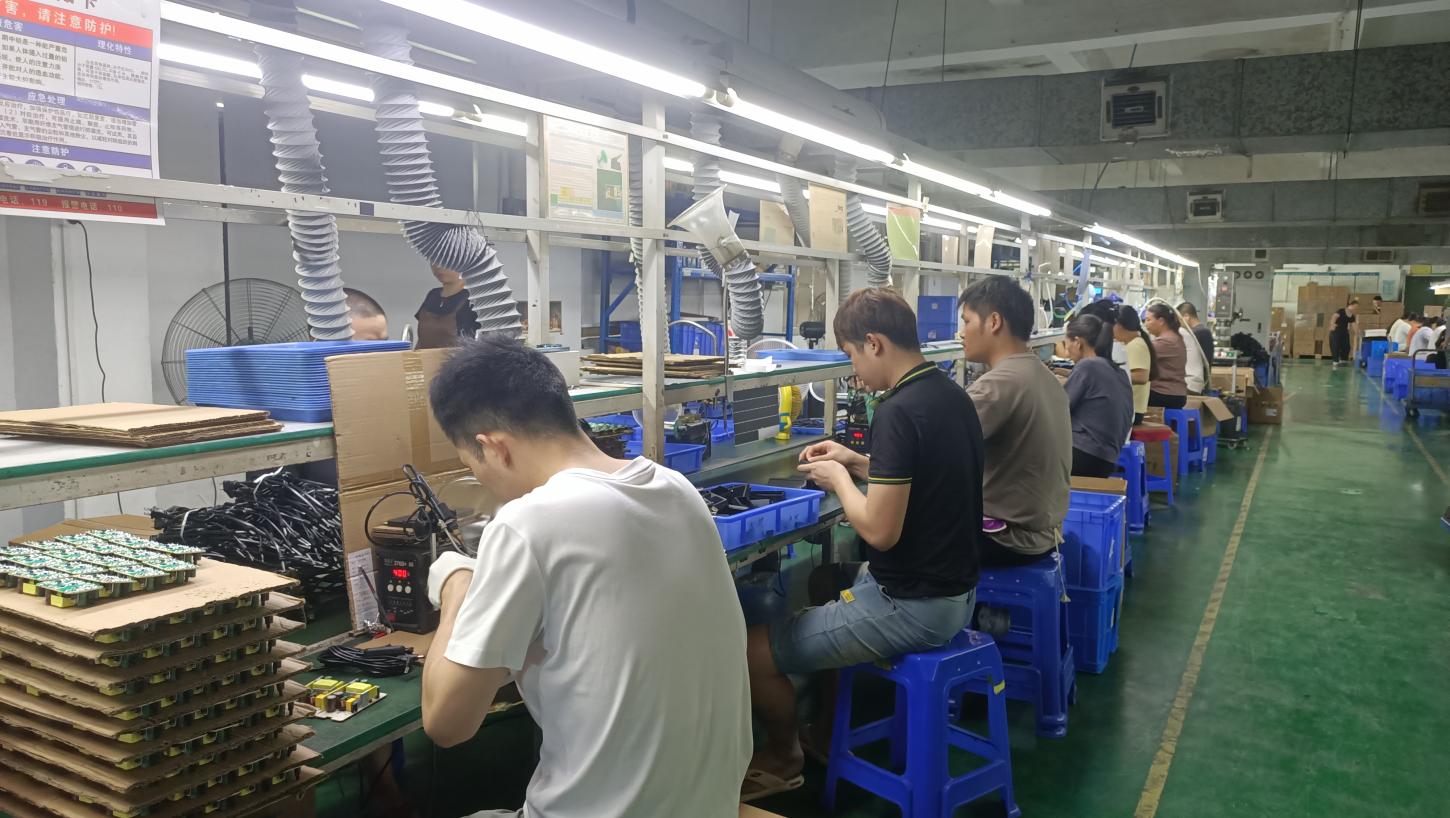
CN Electronics leverages Shenzhen's manufacturing ecosystem to build a fast, reliable supply chain. Our facility features advanced component placement machines, computerized optical inspection systems, and automated testing rigs.
Rigorous quality control executed at every node of our production assembly line.

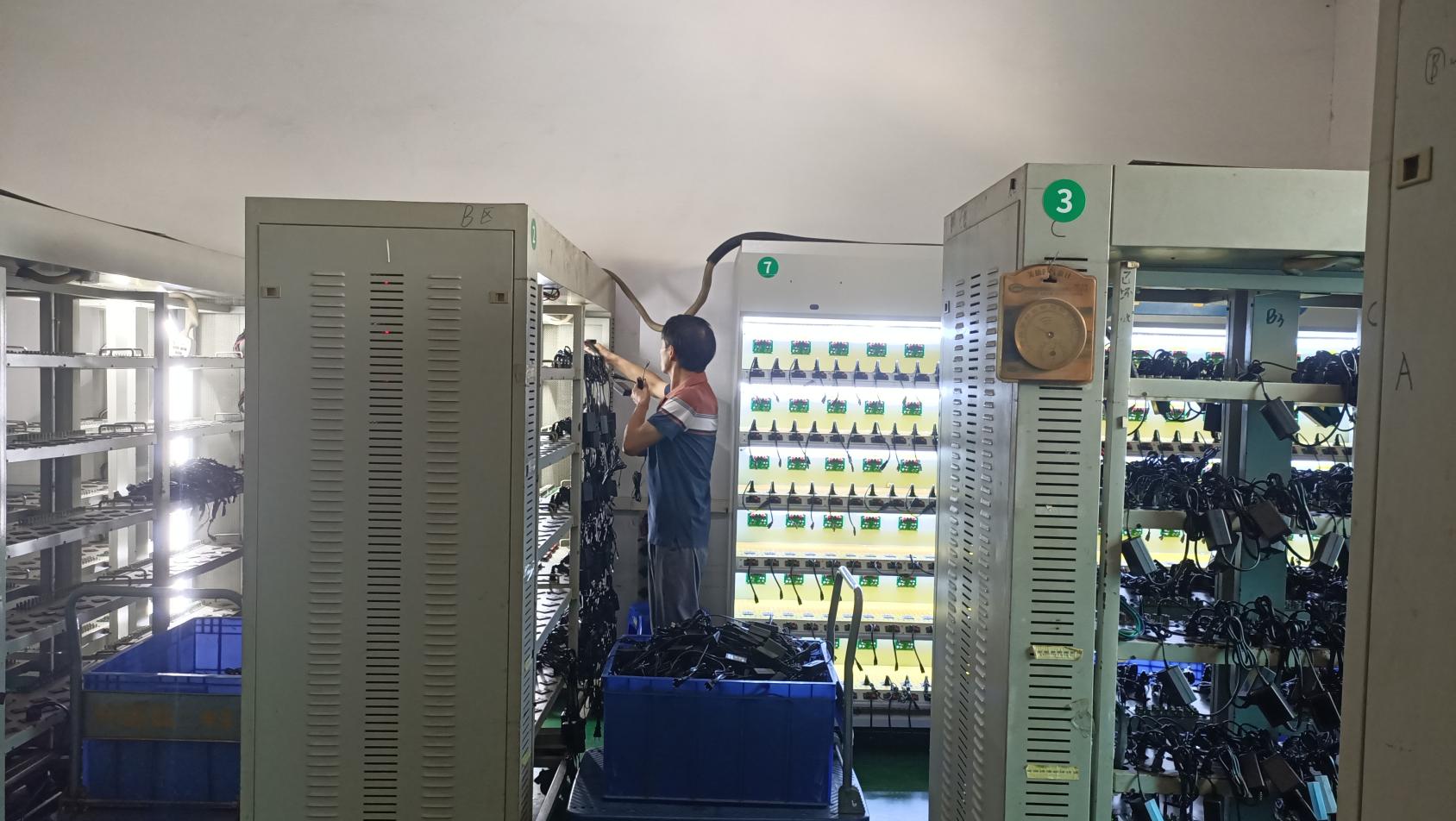
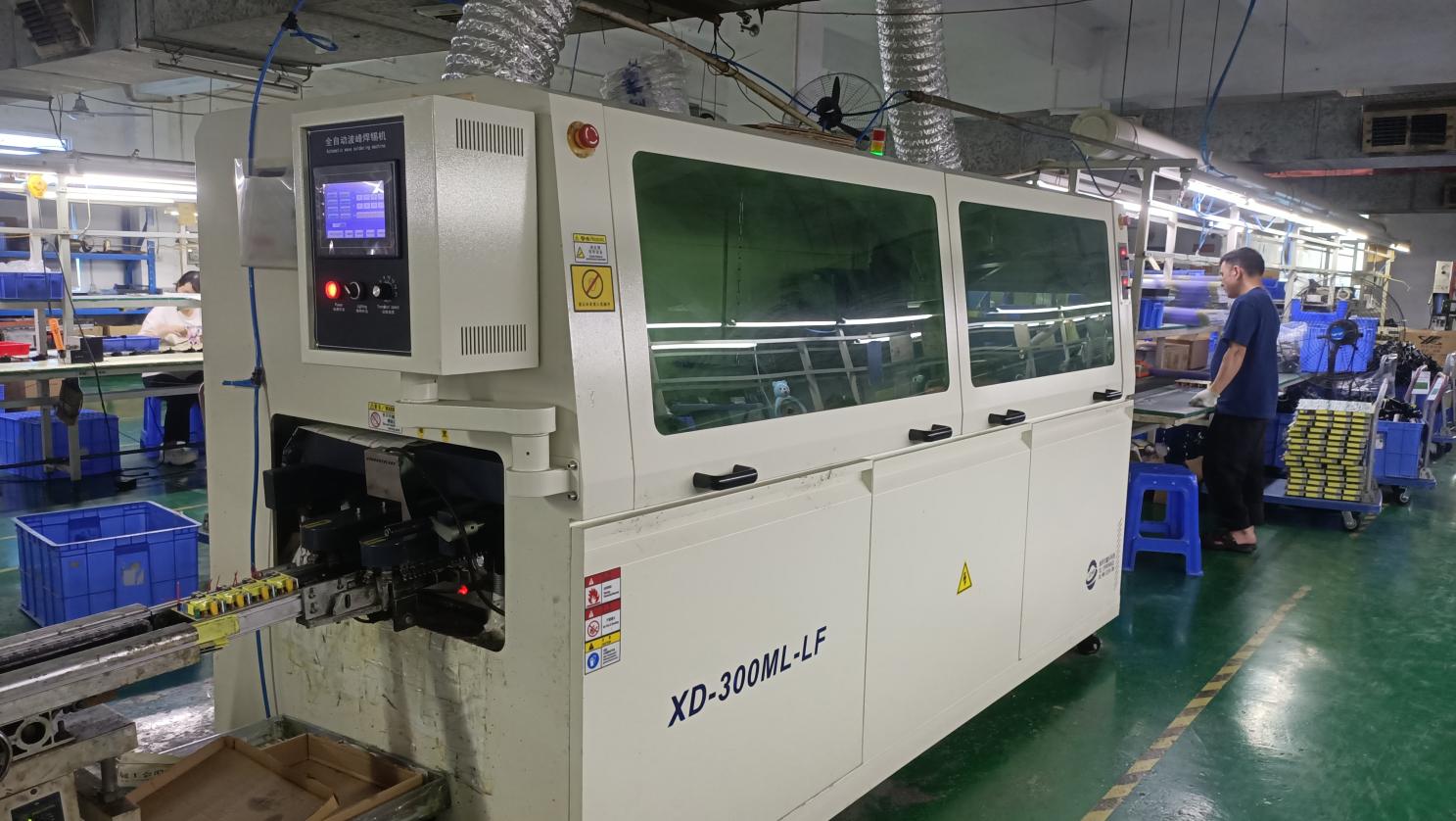
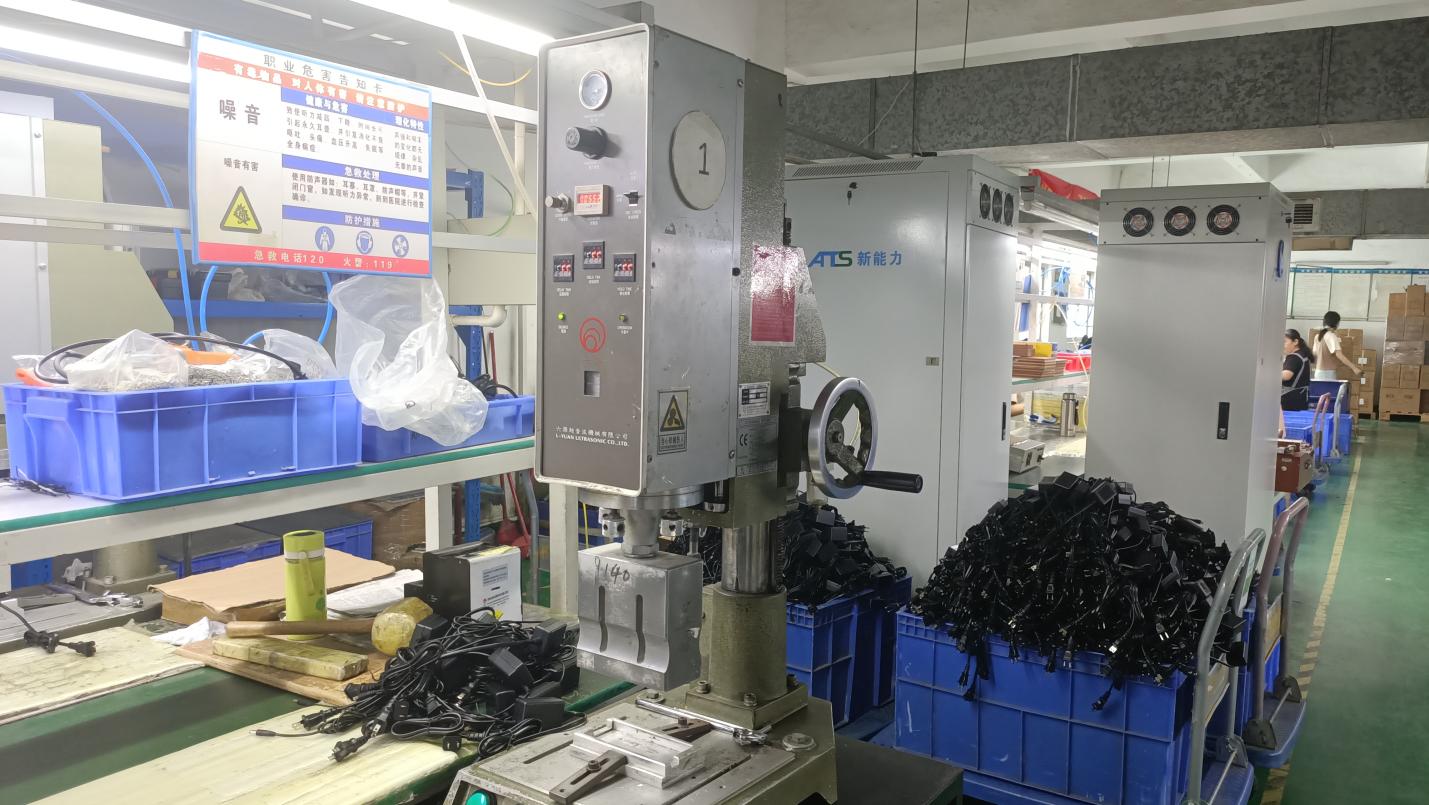
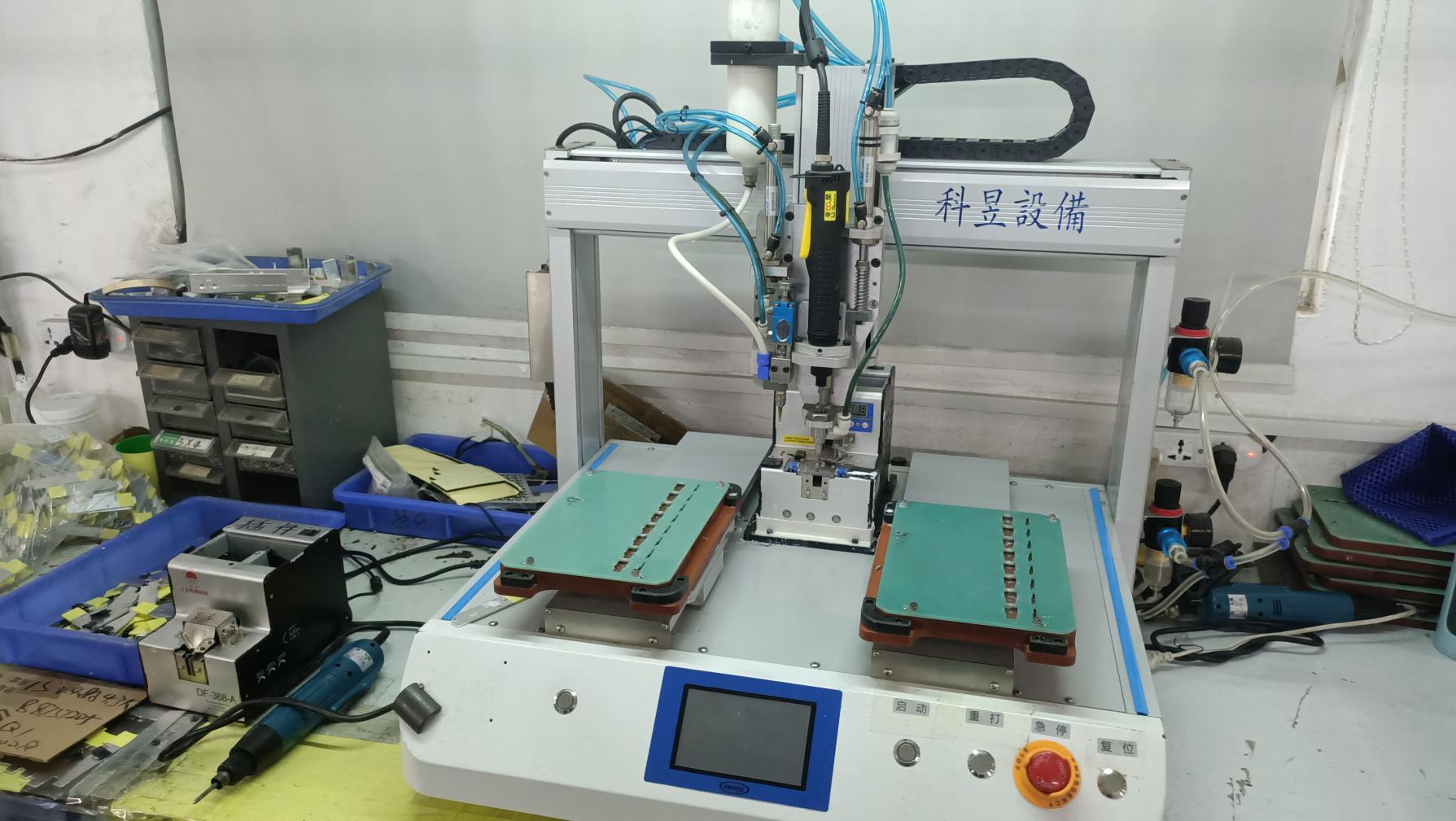
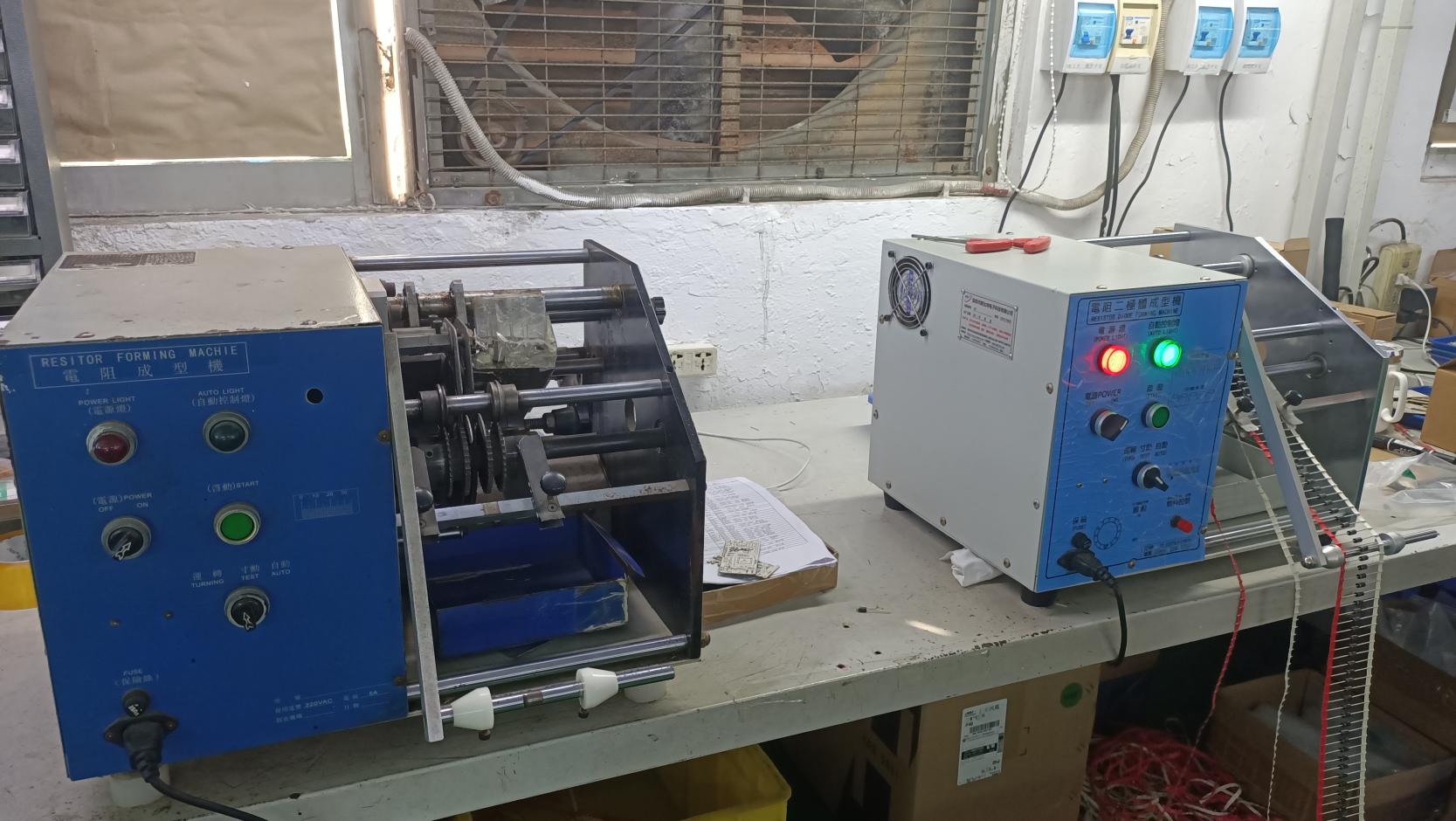
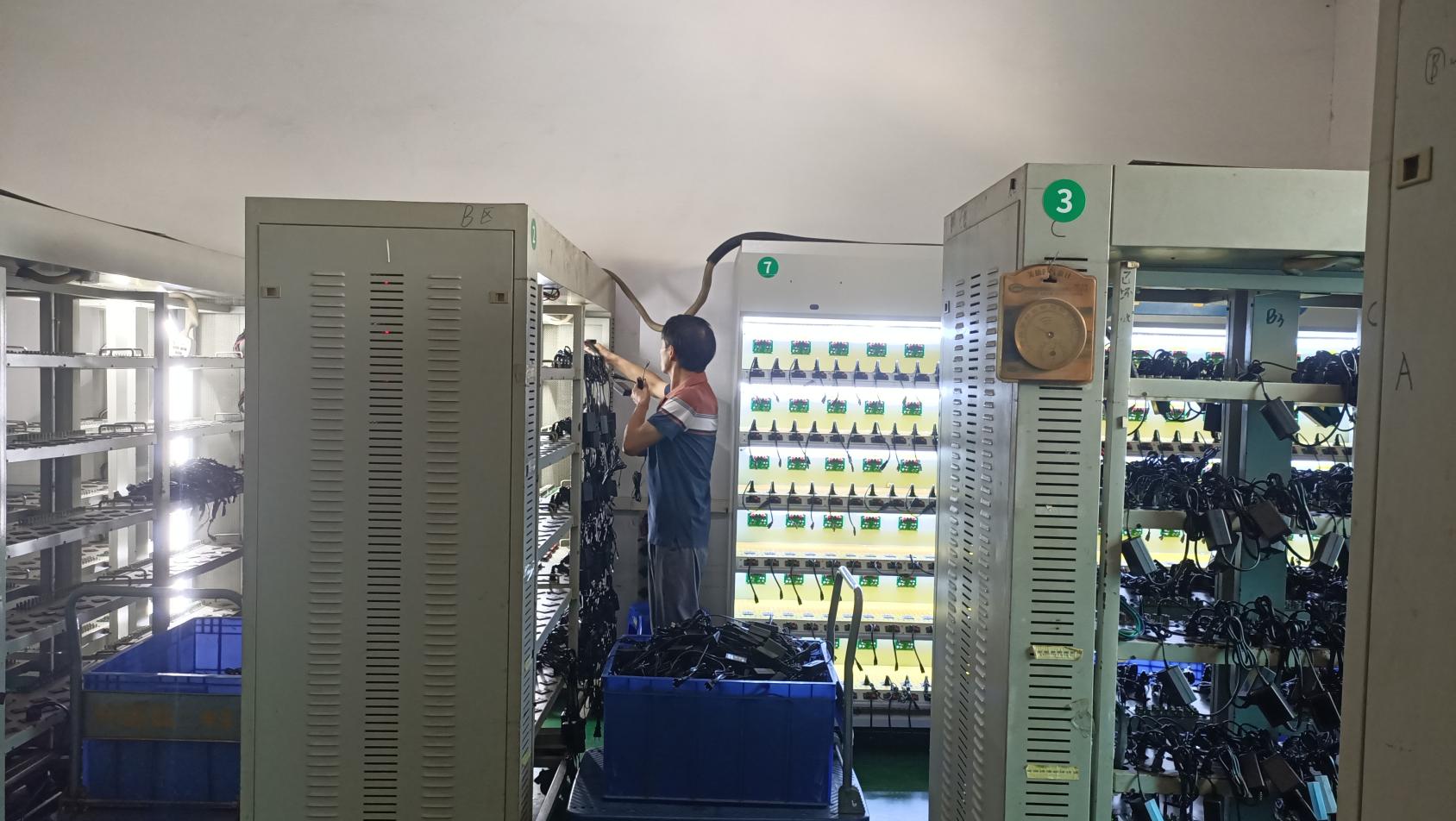
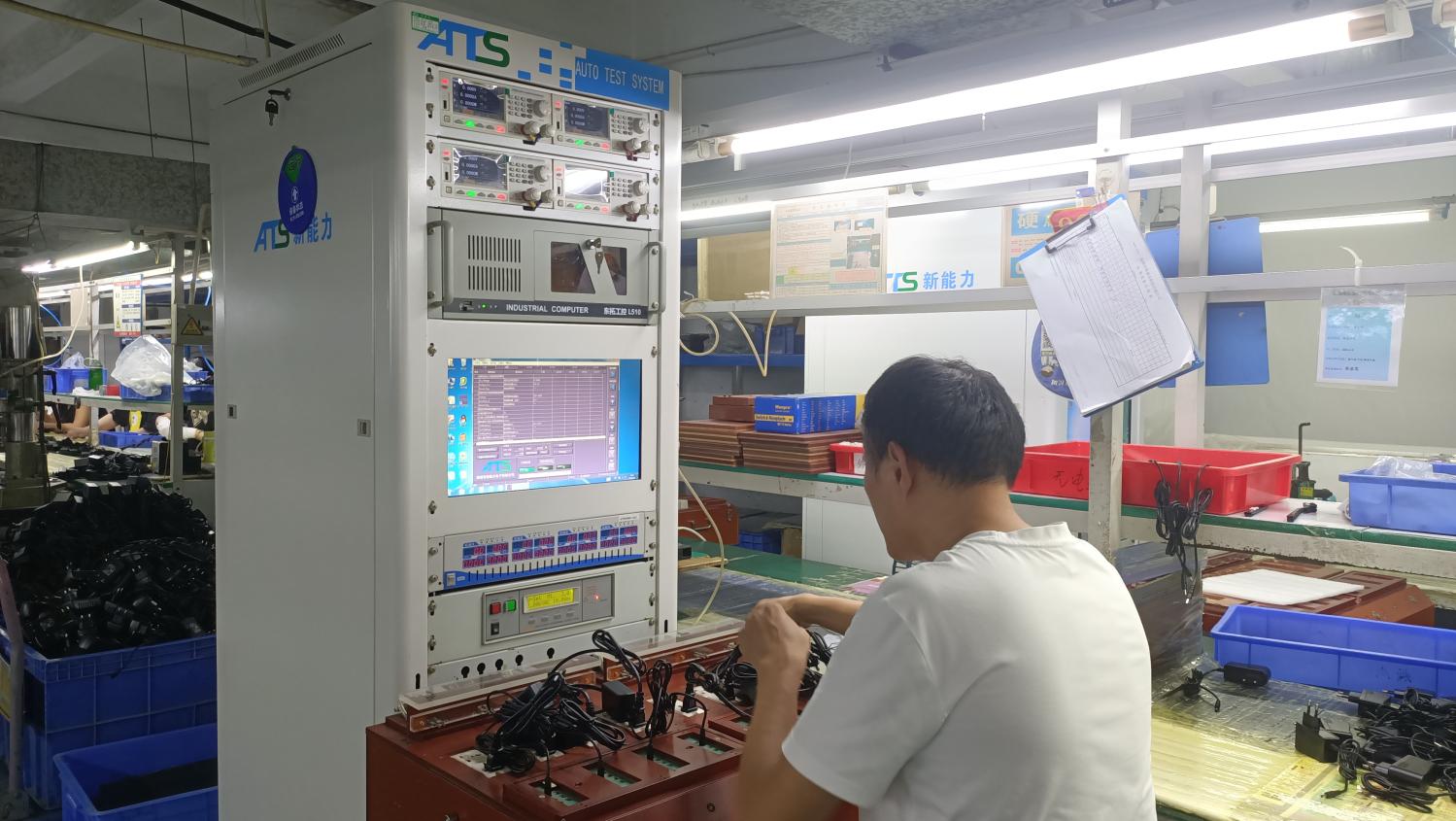
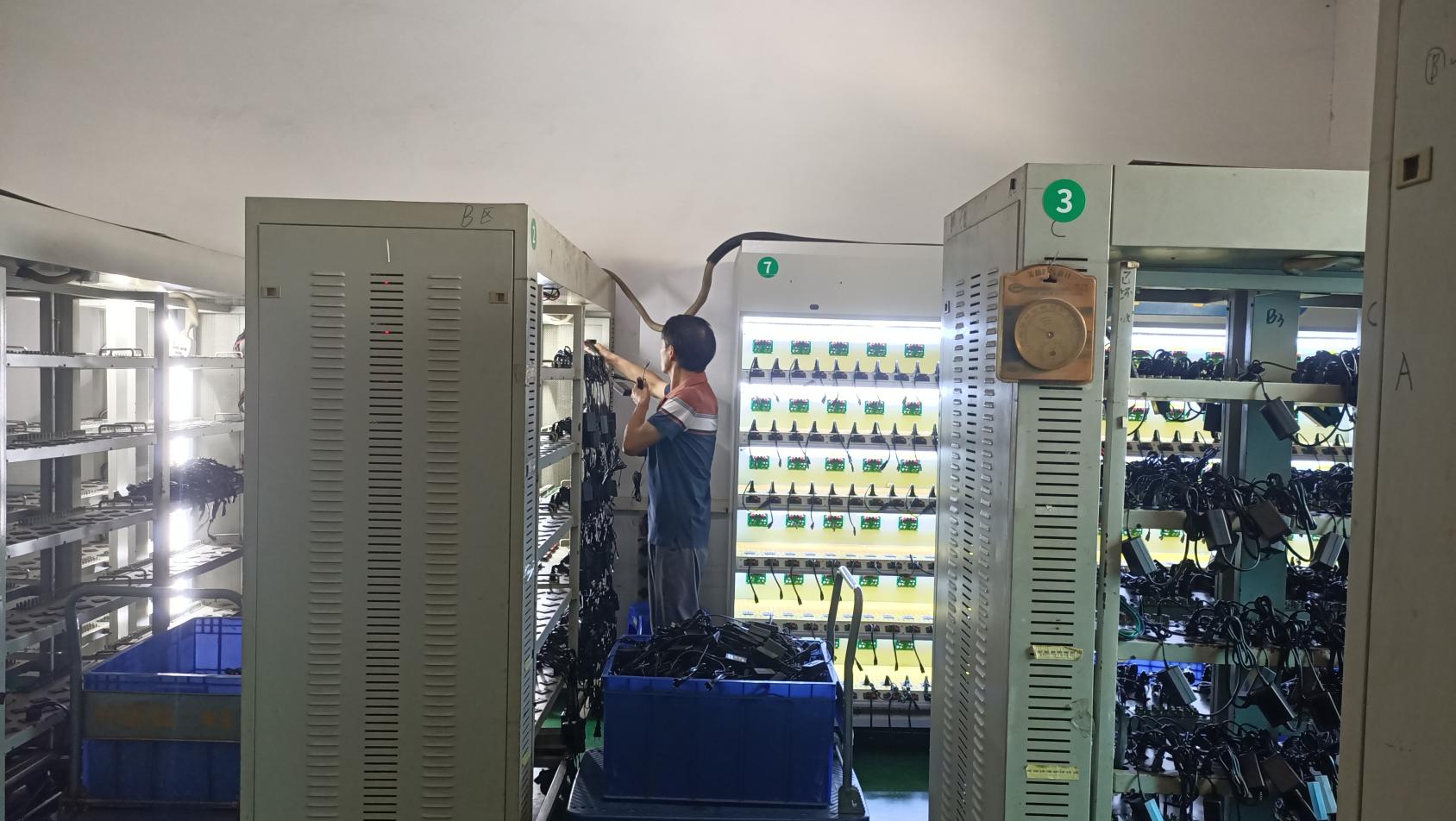
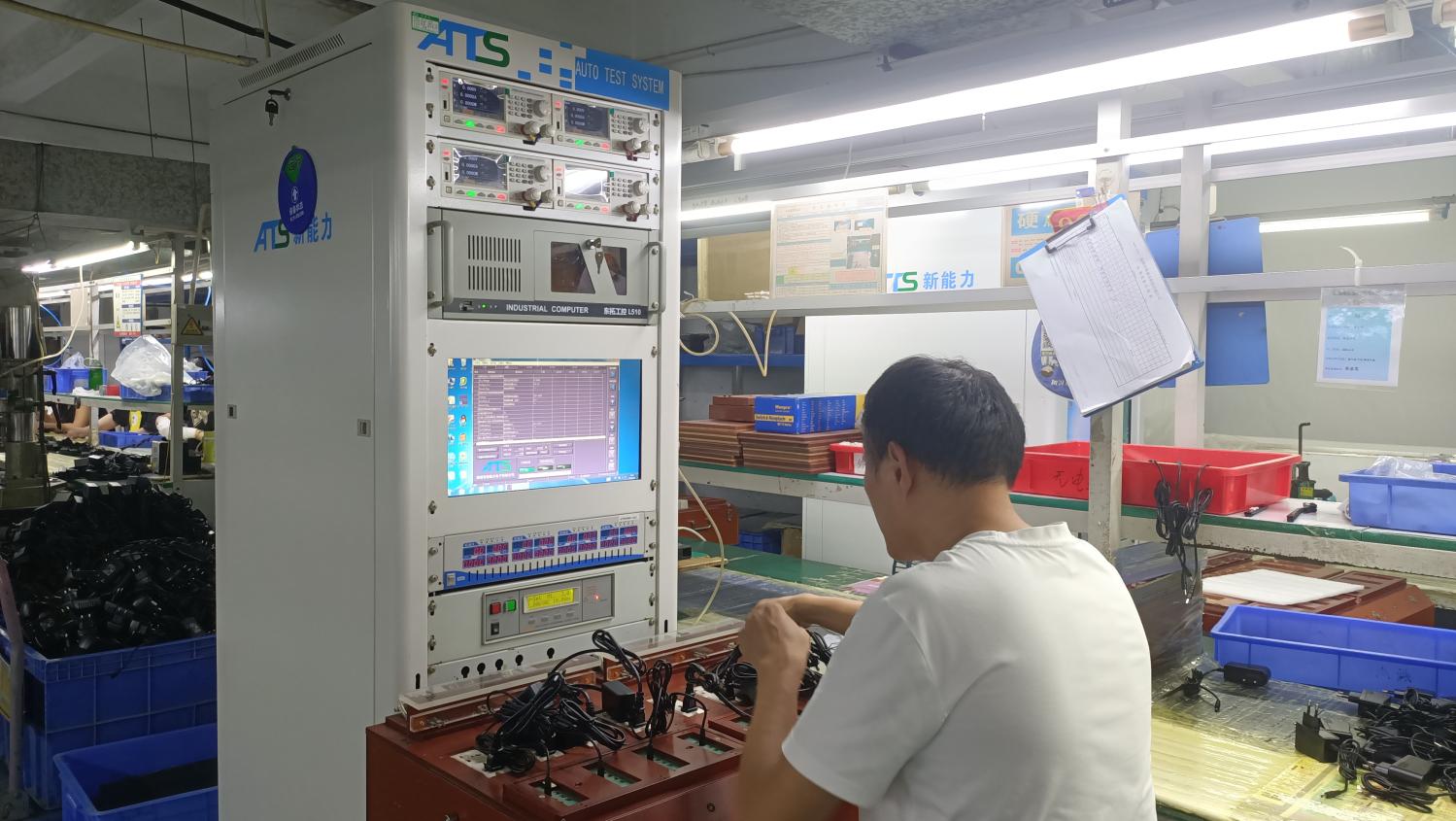
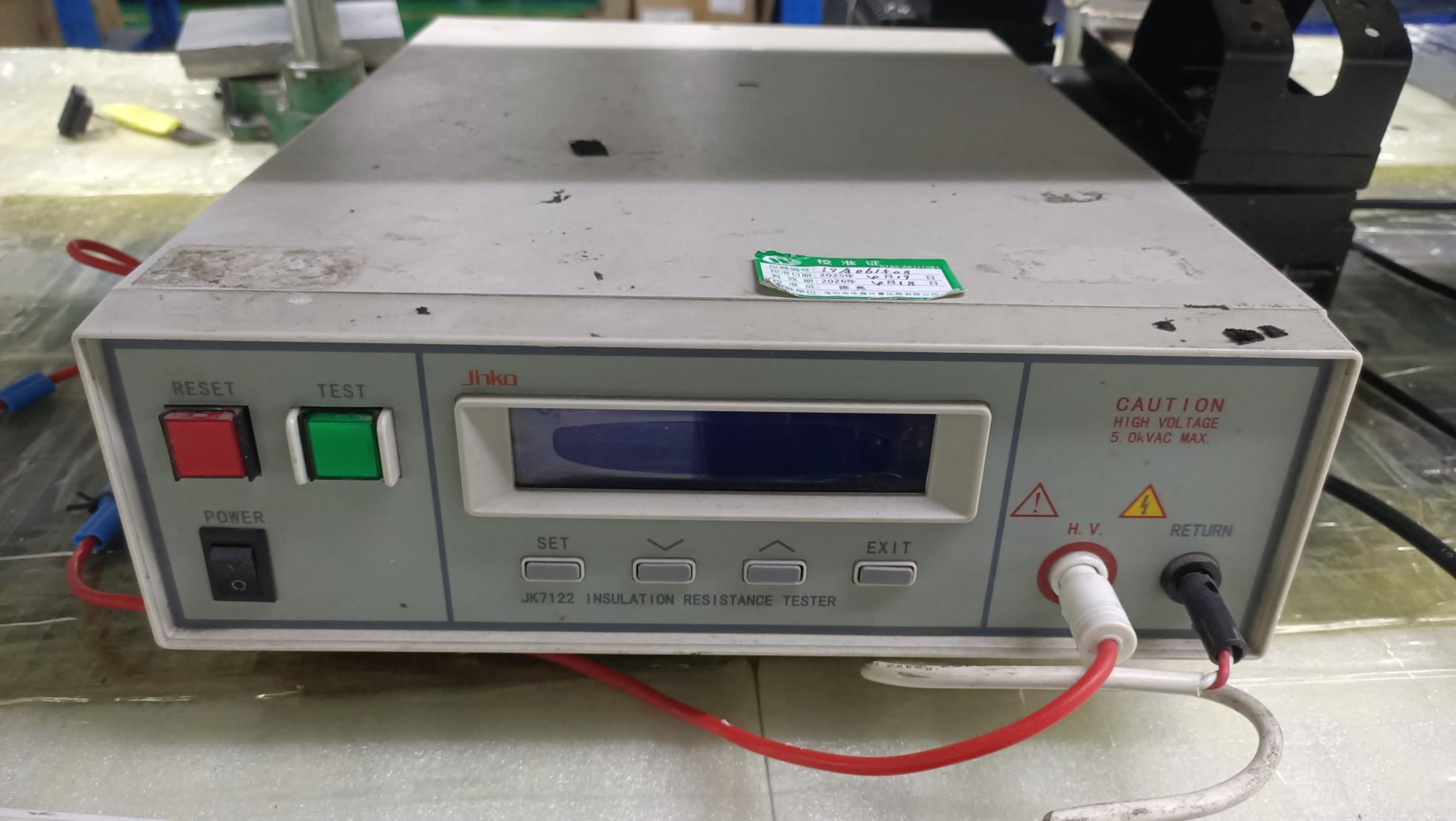
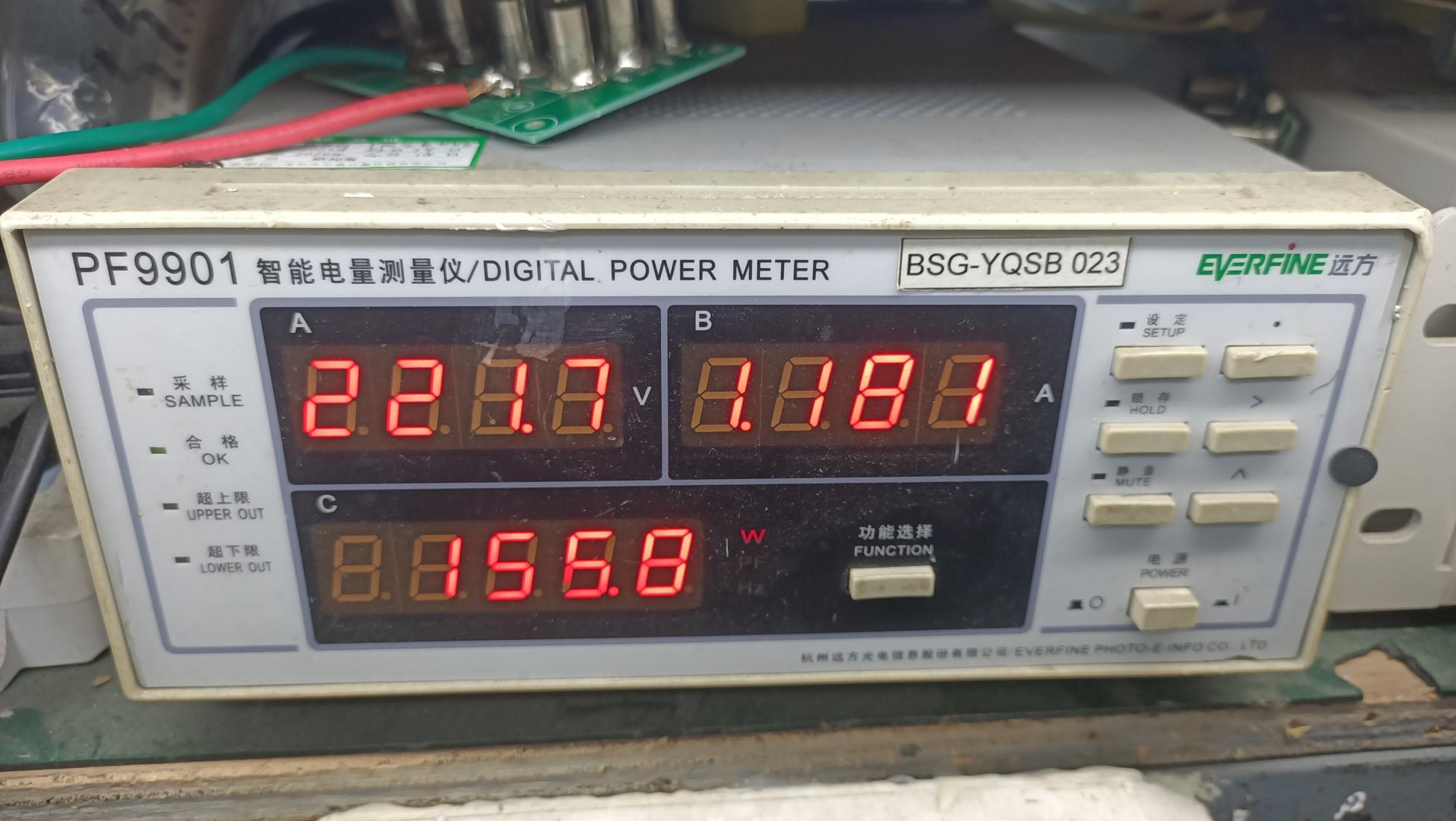
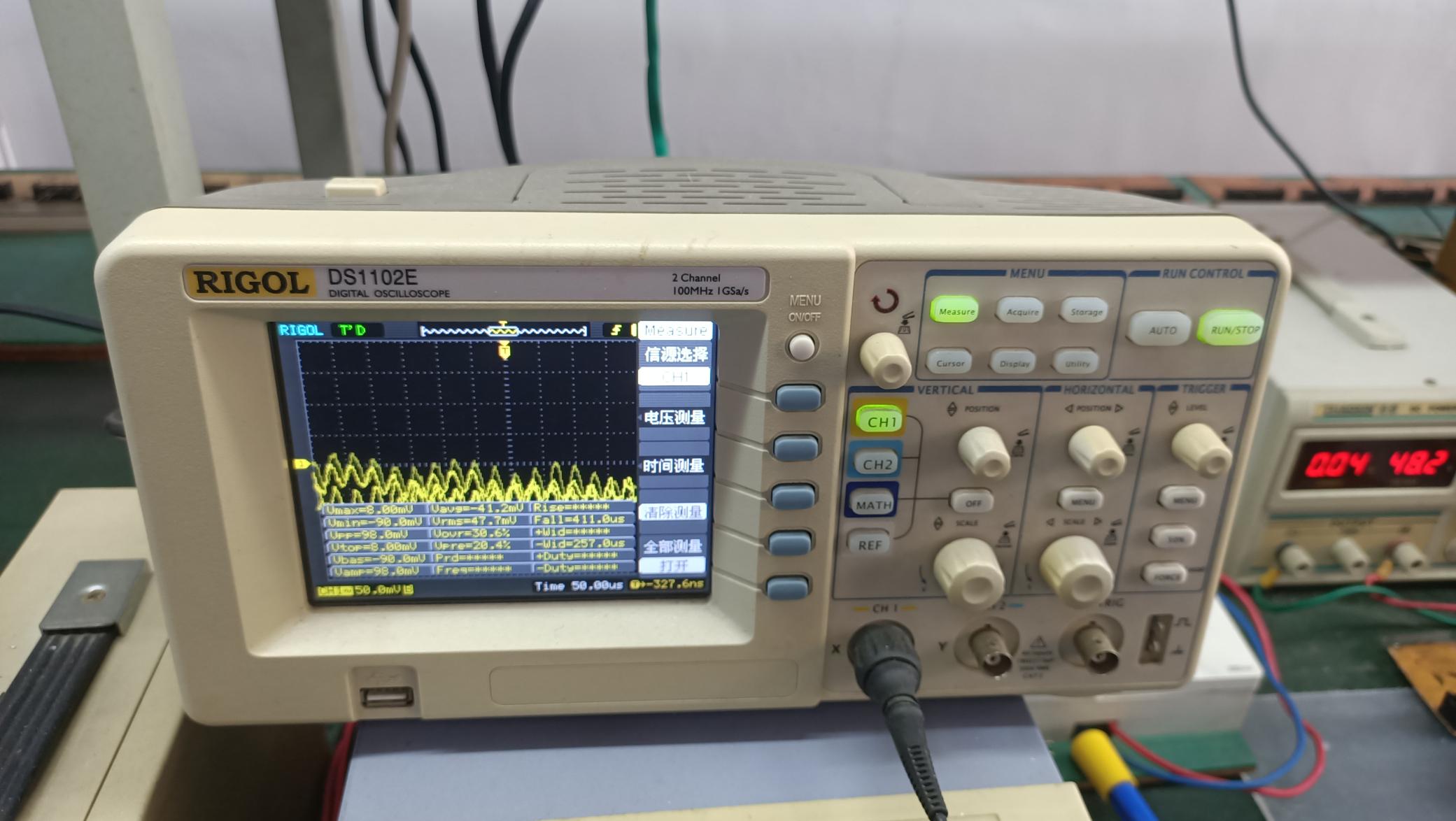
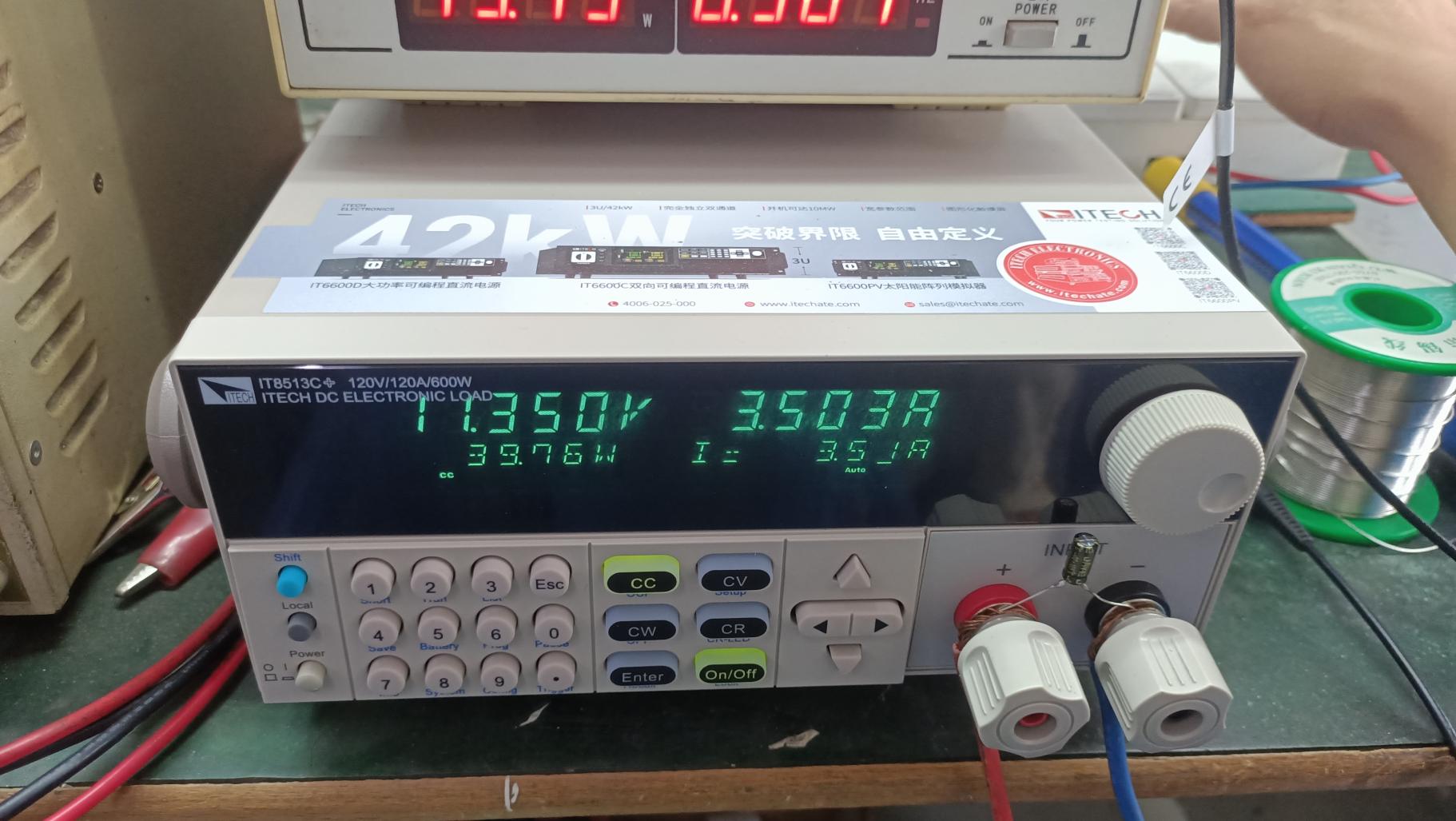
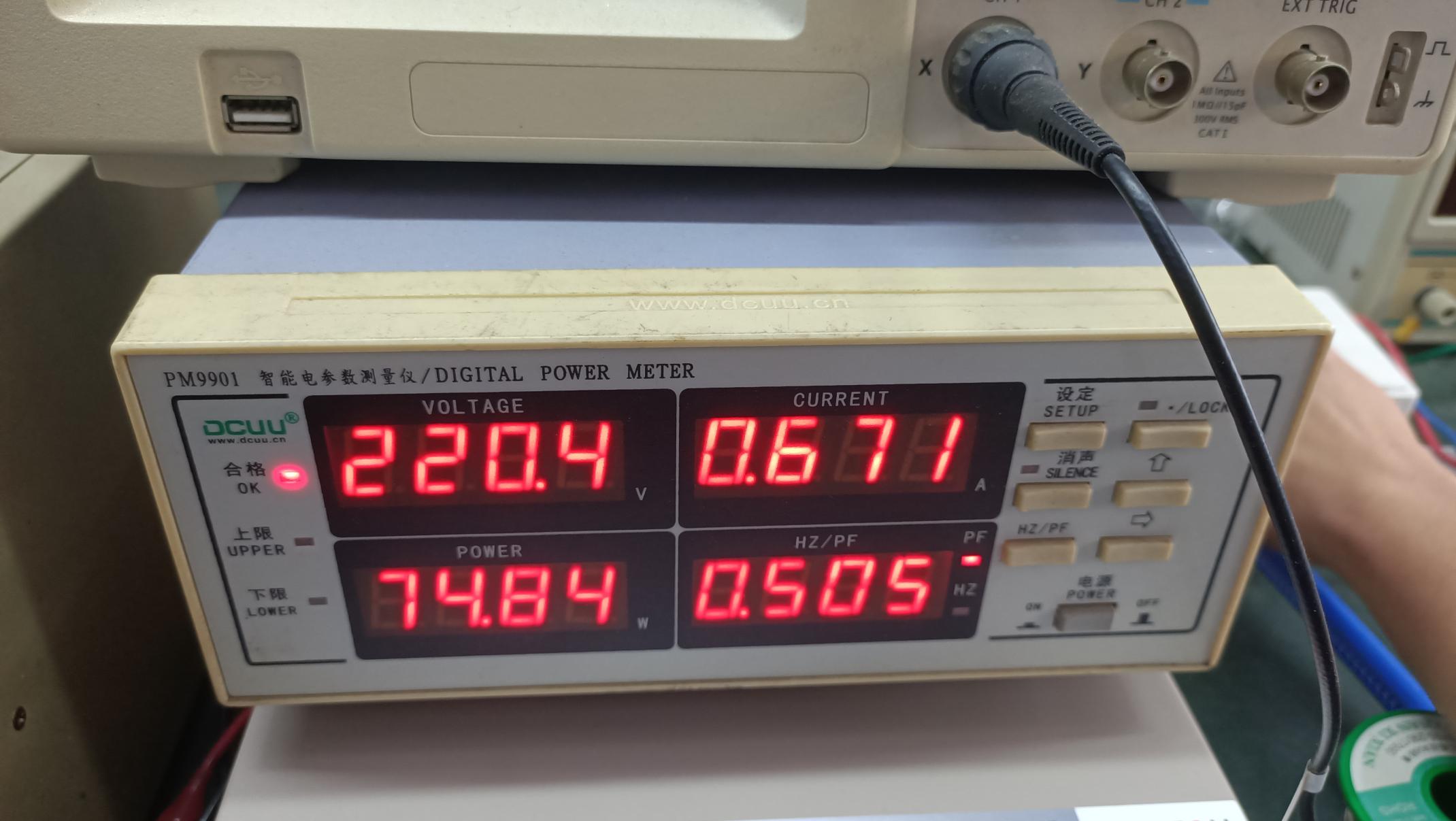
CN Electronics helps global OEMs simplify product certification. Navigating international safety rules can delay deployments. We provide complete technical files, compliance mapping, and test documentation to streamline approvals.
Our engineering teams verify parameters under worst-case operating scenarios. Our localized support assists with region-specific compliance audits, field failures, and design modifications for markets in North America, the European Union, and Asia-Pacific.
In-house anechoic pre-testing to reduce risk during formal FCC and CE certification cycles.
Incoming component inspection (IQC) targeting critical items like capacitors, MOSFETs, and magnetic cores.
Material tracking system records individual component batches down to the specific production line and date code.
Expert answers to complex technical and logistical questions commonly encountered by engineering leads and global buyers.
Active Power Factor Correction (PFC) uses an active switching circuit, typically a boost converter, to shape the input current waveform to match the AC line voltage. This yields a high power factor (typically >0.95) and low total harmonic distortion (THD) across a broad input voltage range (85-264VAC). Passive PFC uses large, heavy passive inductors and capacitors. It only operates over narrow, pre-set input bands and typically reaches a power factor of only 0.70 to 0.80. For high-reliability deployments, Active PFC is preferred because it improves efficiency, reduces line losses, and complies with standard IEC61000-3-2.
In fanless configurations, cooling relies entirely on conduction and natural convection. We optimize thermal paths by mounting power components directly to heavy aluminum chassis walls using high-performance thermal interface materials (TIMs). We also oversized critical components (like magnetic cores and primary MOSFETs) to minimize conduction losses. This allows our fanless modules to deliver full rated power at ambient temperatures up to +50°C before commencing a managed linear derating profile toward +85°C.
High-frequency EMI is managed through a combination of filtering, shielding, and careful PCB layout. We employ multi-stage common-mode and differential-mode filters on the input line, route high-current switching loops to minimize loop area, and place copper shielding around the main power transformer. This design process controls switching node rise/fall times to limit high-frequency harmonics, helping our modules meet class B requirements for CISPR32 and EN55032.
Custom requests begin with a technical review by our design team to evaluate electrical, mechanical, and safety requirements. Our OEM/ODM service adapts mechanical layouts, alters secondary transformer windings for custom voltages, and modifies mounting interfaces to match your housing constraints. We then run physical prototyping, thermal simulations, and compliance testing before commencing full-scale production.
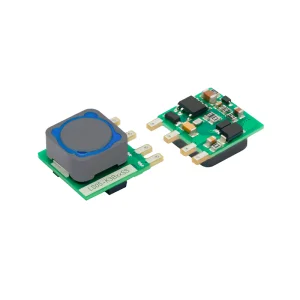
Select from open-frame configurations, enclosed multi-output models, and explosion-proof power units.