CN Electronics
CN Electronics
CN Electronics
Founded in 2006 and headquartered in Shenzhen, China, CN Electronics is a leading, technology-driven manufacturer specializing in high-precision electronics, custom circuitry, and comprehensive OEM/ODM solutions. We bridge the gap between complex hardware blueprints and market-ready products for tech innovators worldwide.
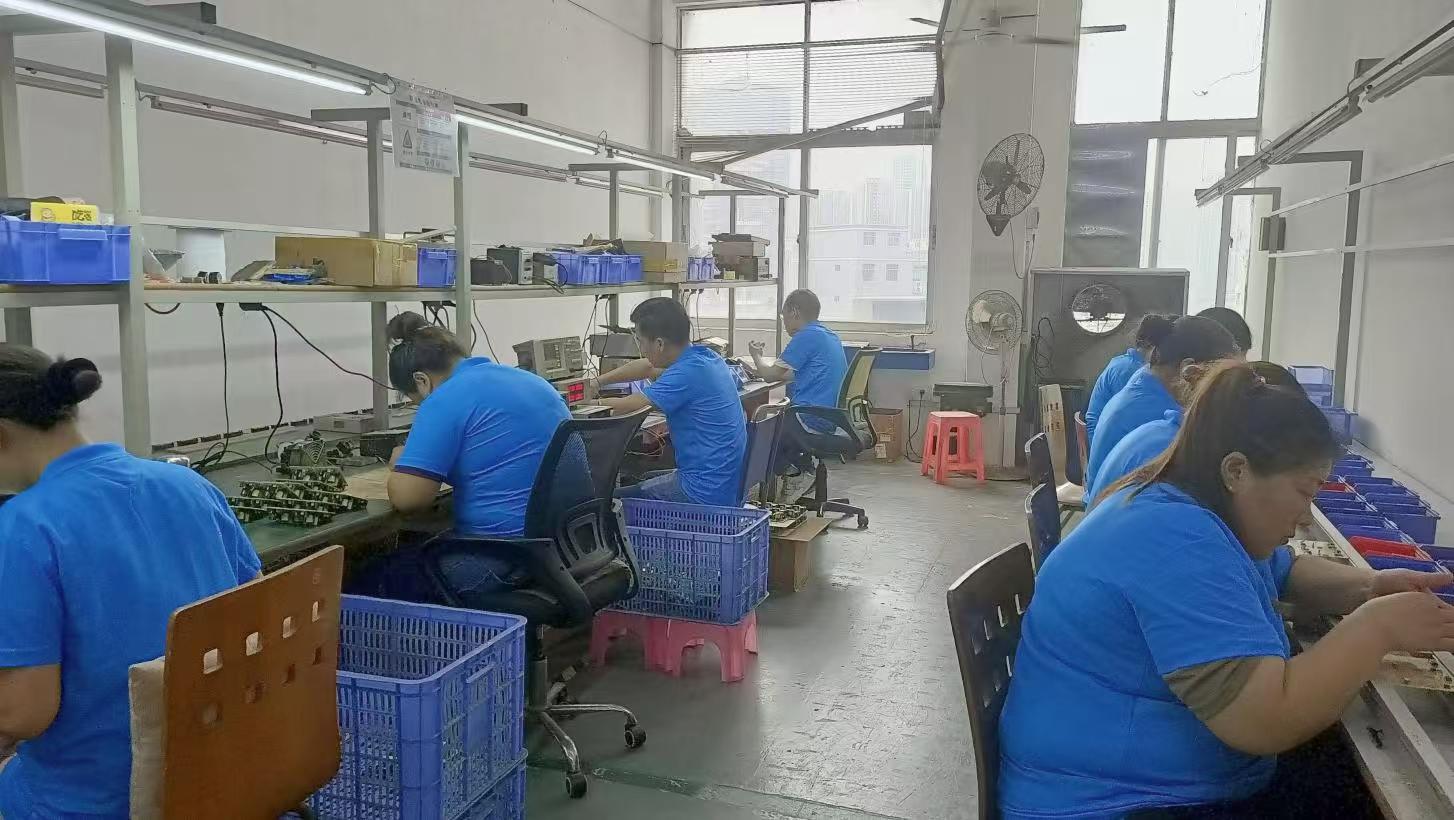
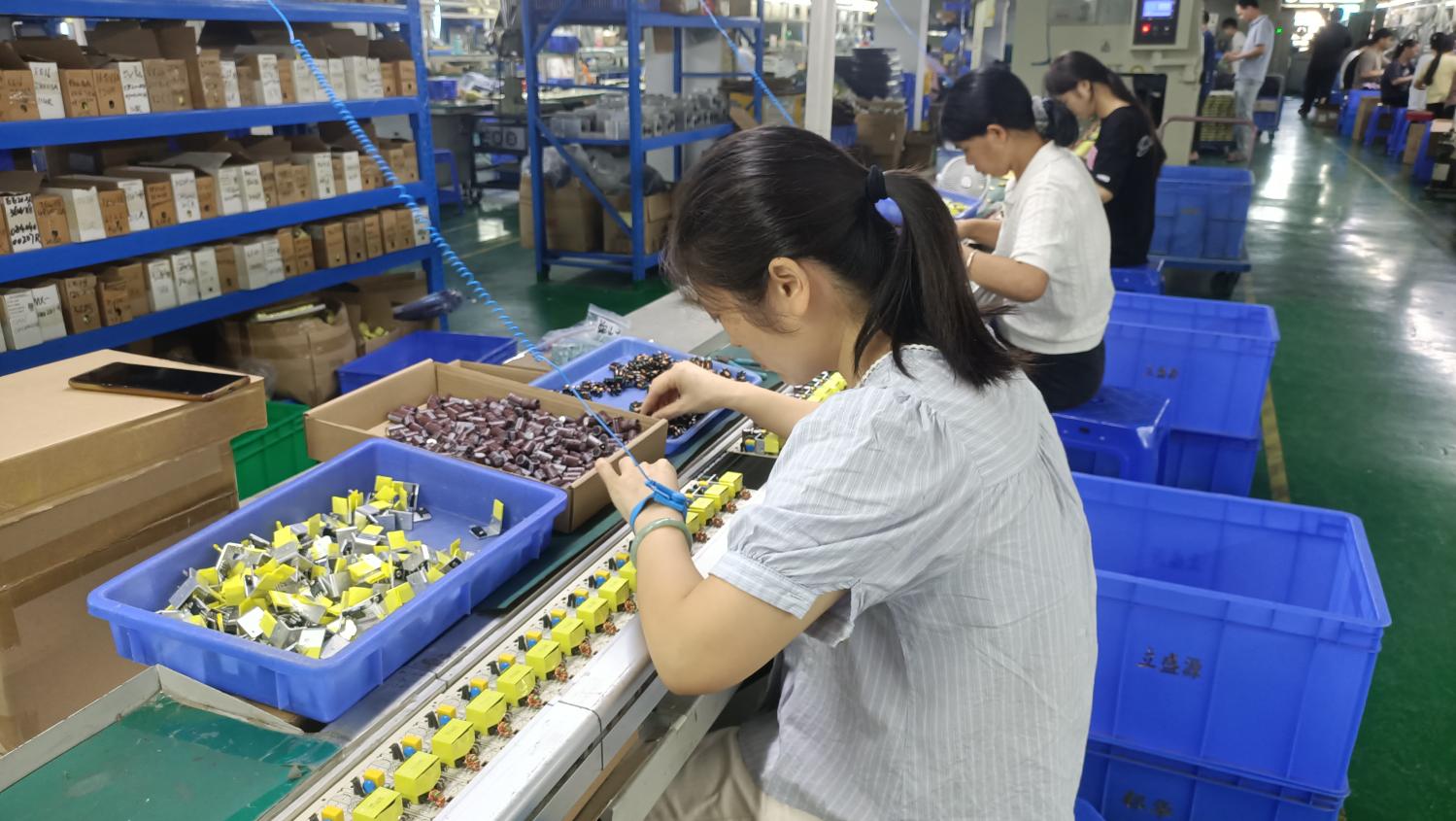
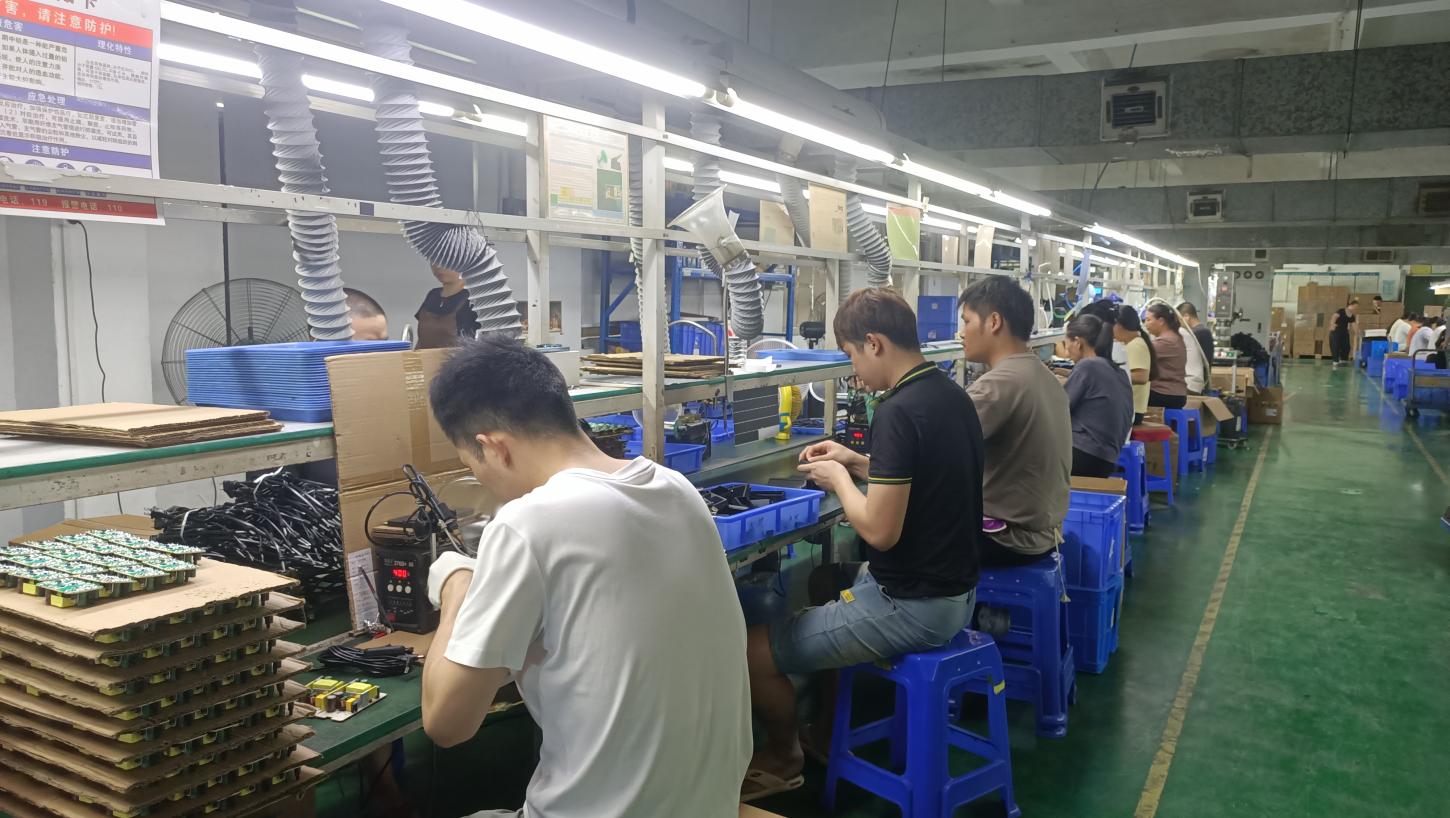
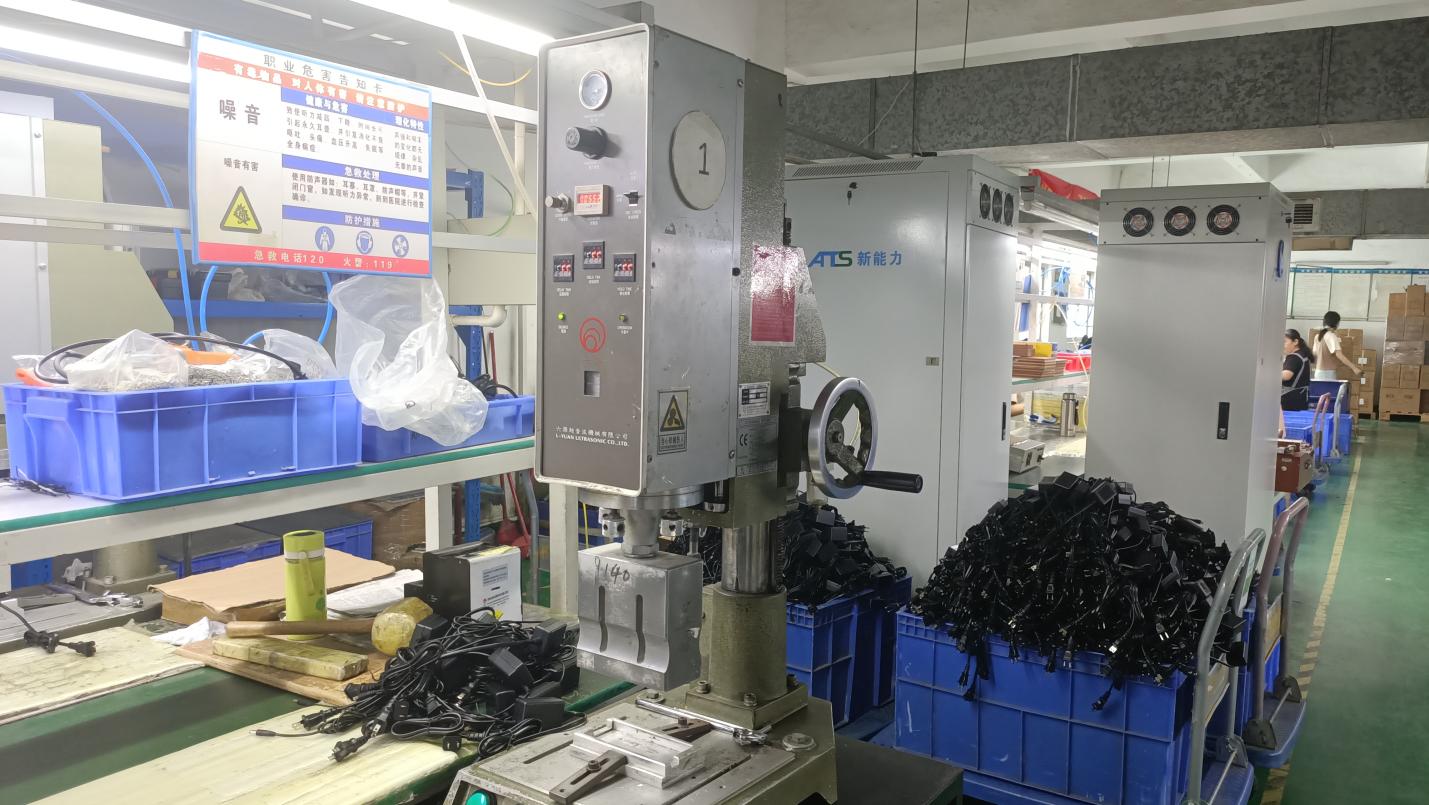
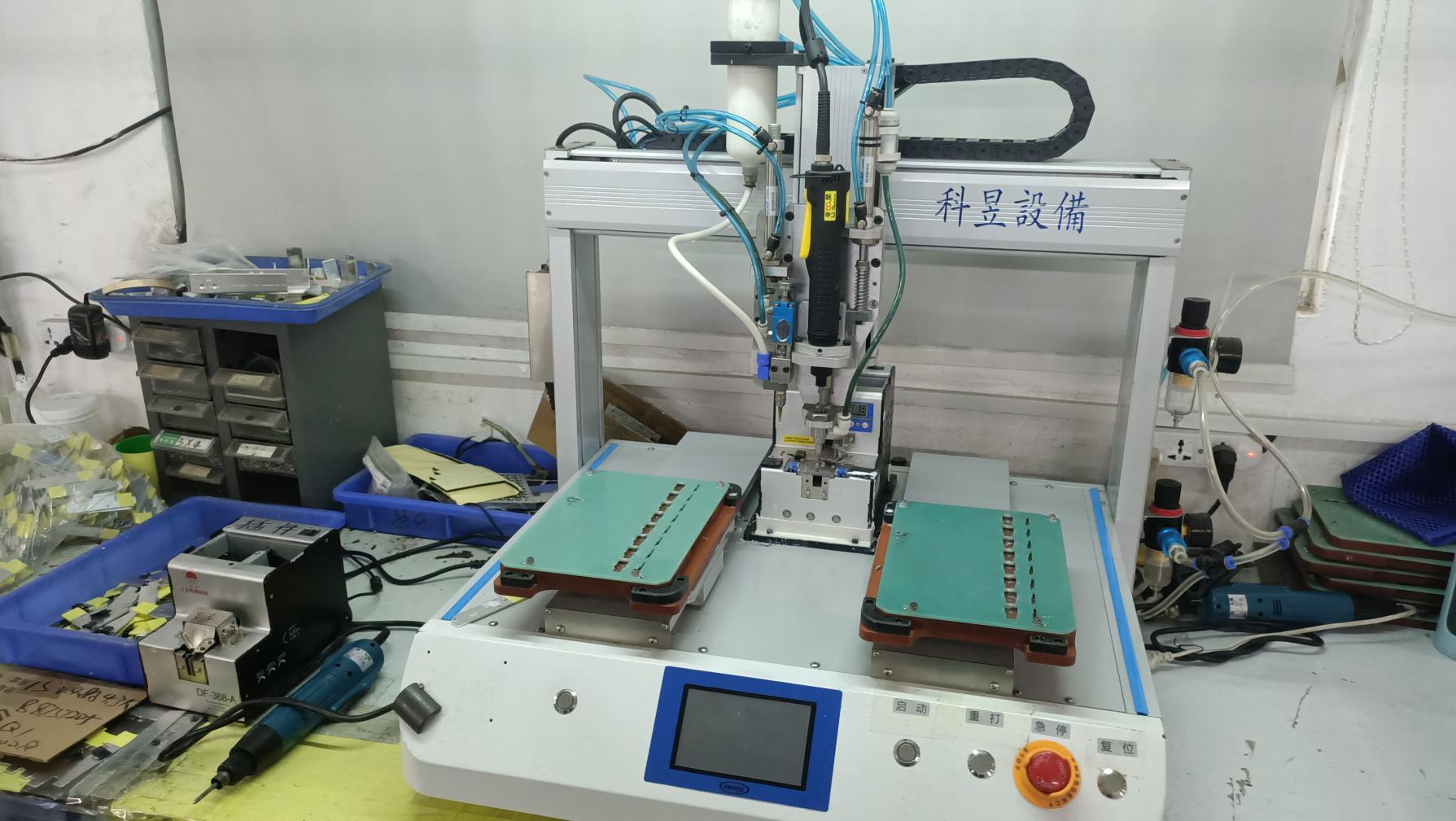
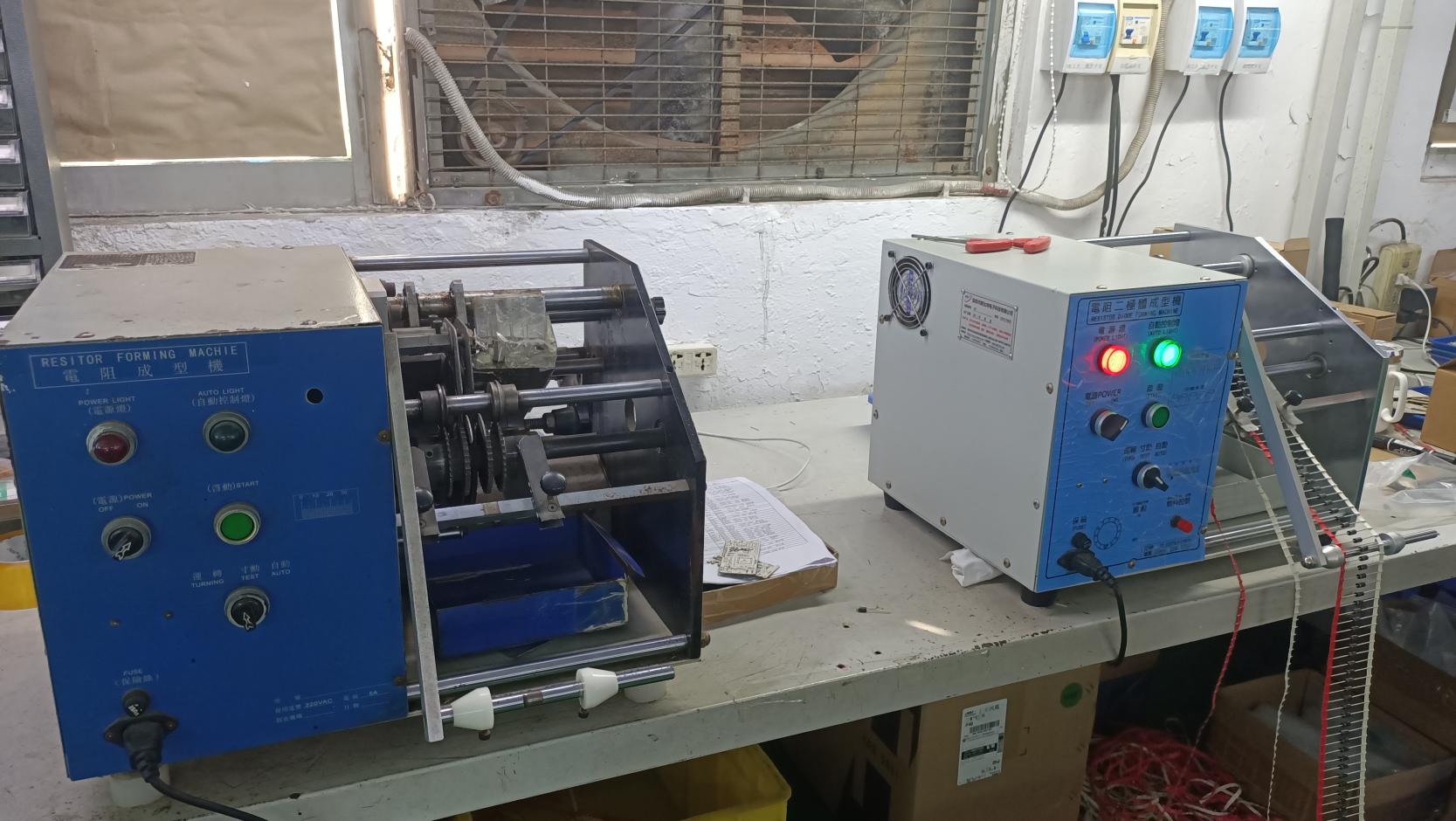
With a state-of-the-art production facility spanning over 10000 square meters, we integrate advanced automated assembly lines with rigorous quality control protocols. Our core capabilities cover the entire product lifecycle—including rapid PCB prototyping, component sourcing, high-volume SMT placement, and final system integration. We understand that in the fast-paced hardware industry, agility and reliability are everything. That is why we have optimized our supply chain to offer seamless communication, transparent project tracking, and uncompromising quality standards certified under [ISO9001/CE/FCC etc.].
Whether you are scaling a smart infrastructure project, developing next-gen consumer hardware, or sourcing robust industrial components, CN Electronics is your trusted engineering and manufacturing partner. We don’t just assemble parts; we power your growth.
Established Year
Modernized Facility
Peak Efficiency Achieved
Quality Inspected Products
In the modern era of high-density industrial design, the requirements for efficient voltage conversion at low power ratings (specifically under 50 Watts down to fractional Watt levels) have experienced exponential growth. Historically, legacy architectures relied on bulky, inefficient linear regulators or poorly integrated discrete switching power modules. Today, the demands of the fourth industrial revolution (Industry 4.0), decentralized renewable systems, telecommunications hardware, and IoT micro-nodes necessitate micro-scale DC/DC low-power converters featuring wide input voltage dynamics, high galvanic isolation barrier capacities, and extreme operational stability.
High-performance systems now mandate that converter topologies deliver exceptional efficiency, often exceeding 90% even in fractional load profiles, to eliminate passive thermal management costs. With constraints rising from ultra-compact Printed Circuit Board (PCB) spatial layouts, designers rely heavily on automated assembly capabilities from leading Chinese factories like CN Electronics to ensure precision SMT placement, robust thermal vias configuration, and reliable EMI mitigation.
Achieving stable power conversion within SIP (Single Inline Package) and DIP (Dual Inline Package) profiles involves complex mechanical and magnetic considerations. The integration of planar transformer windings within multi-layer PCBs has become a mainstream technical route to bypass legacy wire-wound components. This step drastically minimizes leakage inductance and parasitic capacitance, which are primary sources of electromagnetic interference (EMI) and power loss.
As critical exporters, our role extends beyond component assembly. We closely evaluate circuit board topologies—including flyback, buck-boost, resonant LLC, and forward designs—to match the exact thermal limits and performance metrics demanded by critical operations worldwide.
Advanced topologies reduce switching losses, leading to minimal thermal footprints and long-term energy savings.
High-voltage galvanic isolation protects sensitive IC pipelines from dangerous input-side transient voltage spikes.
Standby losses optimized below 0.1W, complying with global eco-design and efficiency directives.
Low-power converter technology must adapt to distinct ambient stresses depending on where it is deployed. In North American and European industrial landscapes, typical scenarios include PLC controllers, distributed field bus networks, and automated sensor suites. Each environment presents distinct operating conditions:
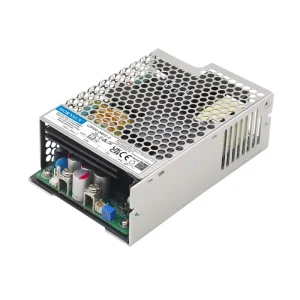
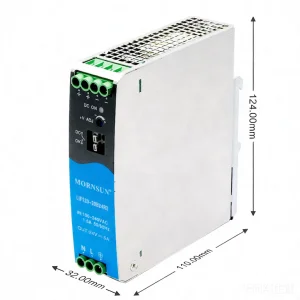
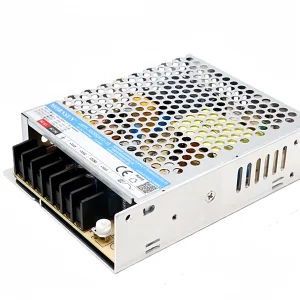
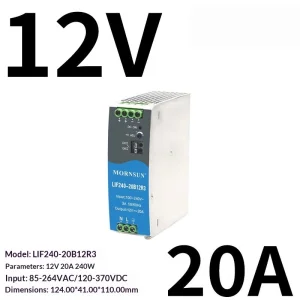
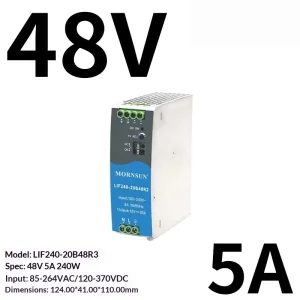
Modern factories run on extensive networks of sensors, PLC units, and DIN rail systems. Fluctuations in supply lines due to high-power motor switching require the auxiliary power converters inside controllers to tolerate wide input ranges (e.g., 2:1 or 4:1 voltage ranges) while maintaining highly regulated outputs. Our industrial SMPS units provide ripple-free control voltage even under harsh industrial conditions.
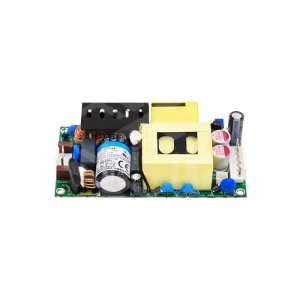
Safety is paramount in patient-contact healthcare equipment. Low-power DC/DC converters deployed in surgical instruments, monitors, or diagnostic devices must feature reinforced insulation. Our specialized medical open-frame and enclosed modules guarantee minimal leakage currents and dual patient isolation barriers (2xMOPP), ensuring reliable operation and strict regulatory compliance.
In electric vehicles and solar array controls, converters operate in environments with wide temperature swings (from -40°C to +85°C) and strong vibration profiles. Here, isolated DC/DC converters power the monitoring circuitry of separate battery cells, translating critical data back to the primary ECU without dangerous high-voltage loops.
Shenzhen's electronic manufacturing ecosystem provides unparalleled structural advantages. By integrating raw semiconductor procurement, automated PCB fabrication, magnetic component winding, and quality verification in one region, CN Electronics shortens production cycles significantly.
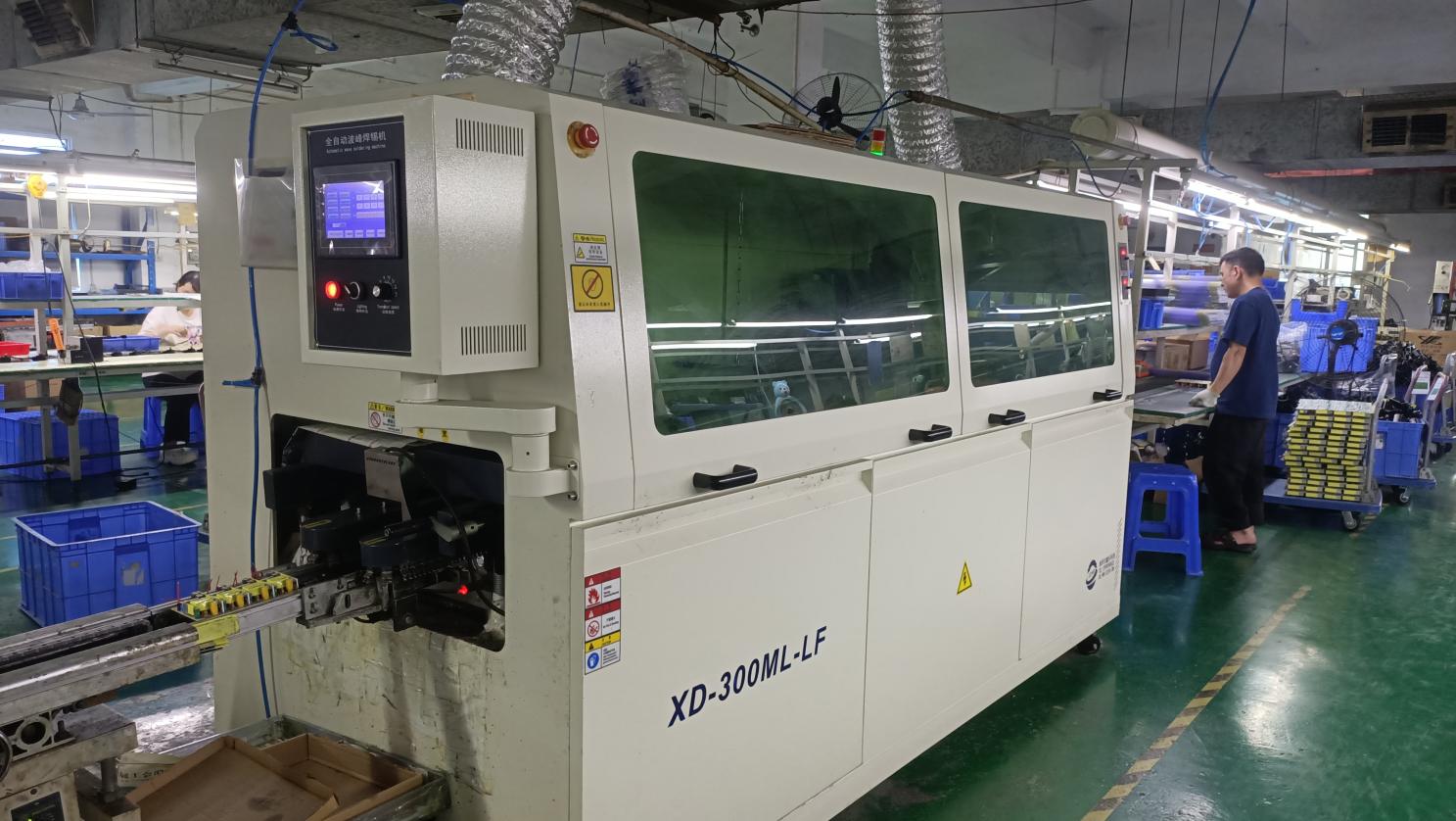
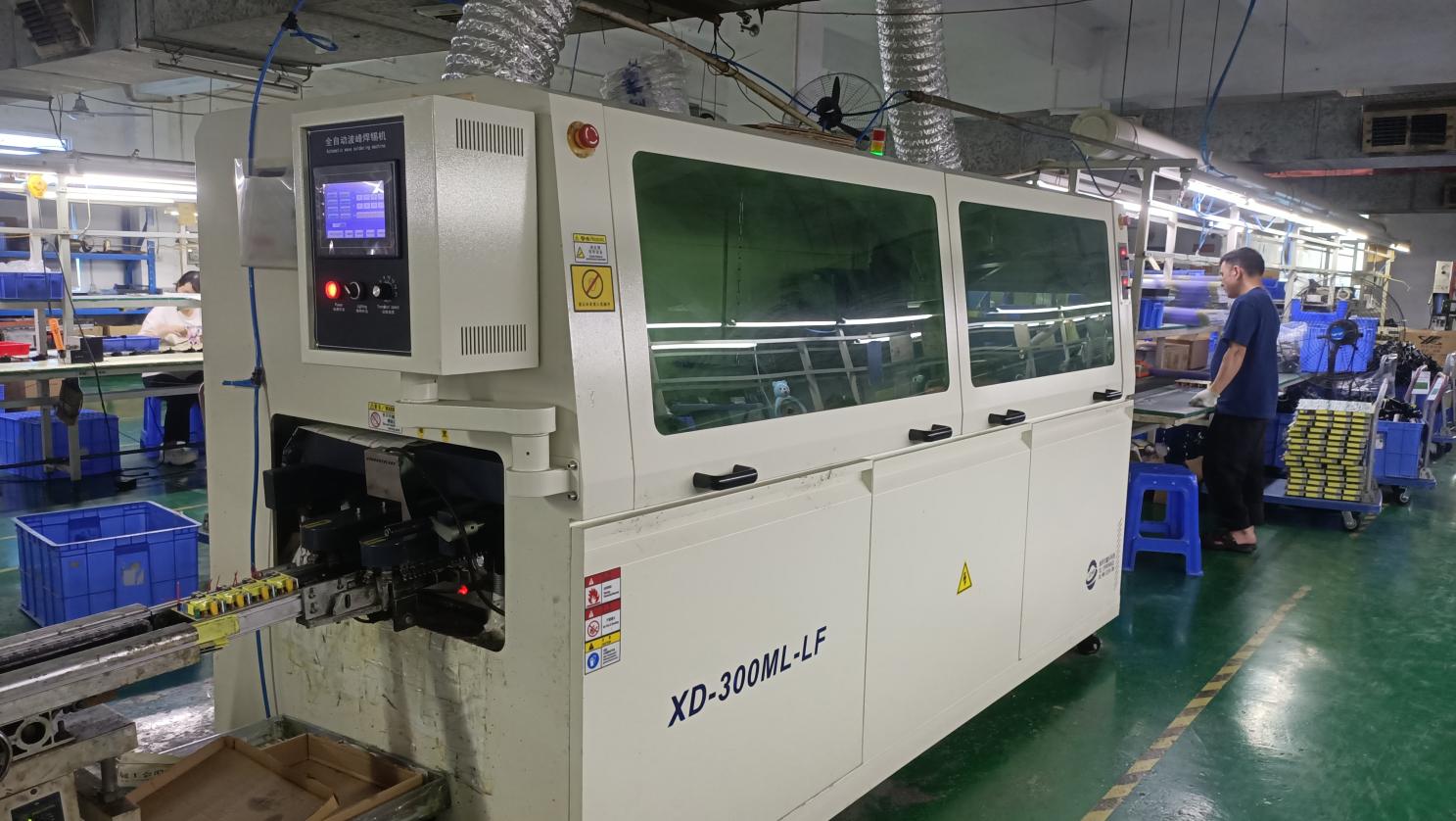
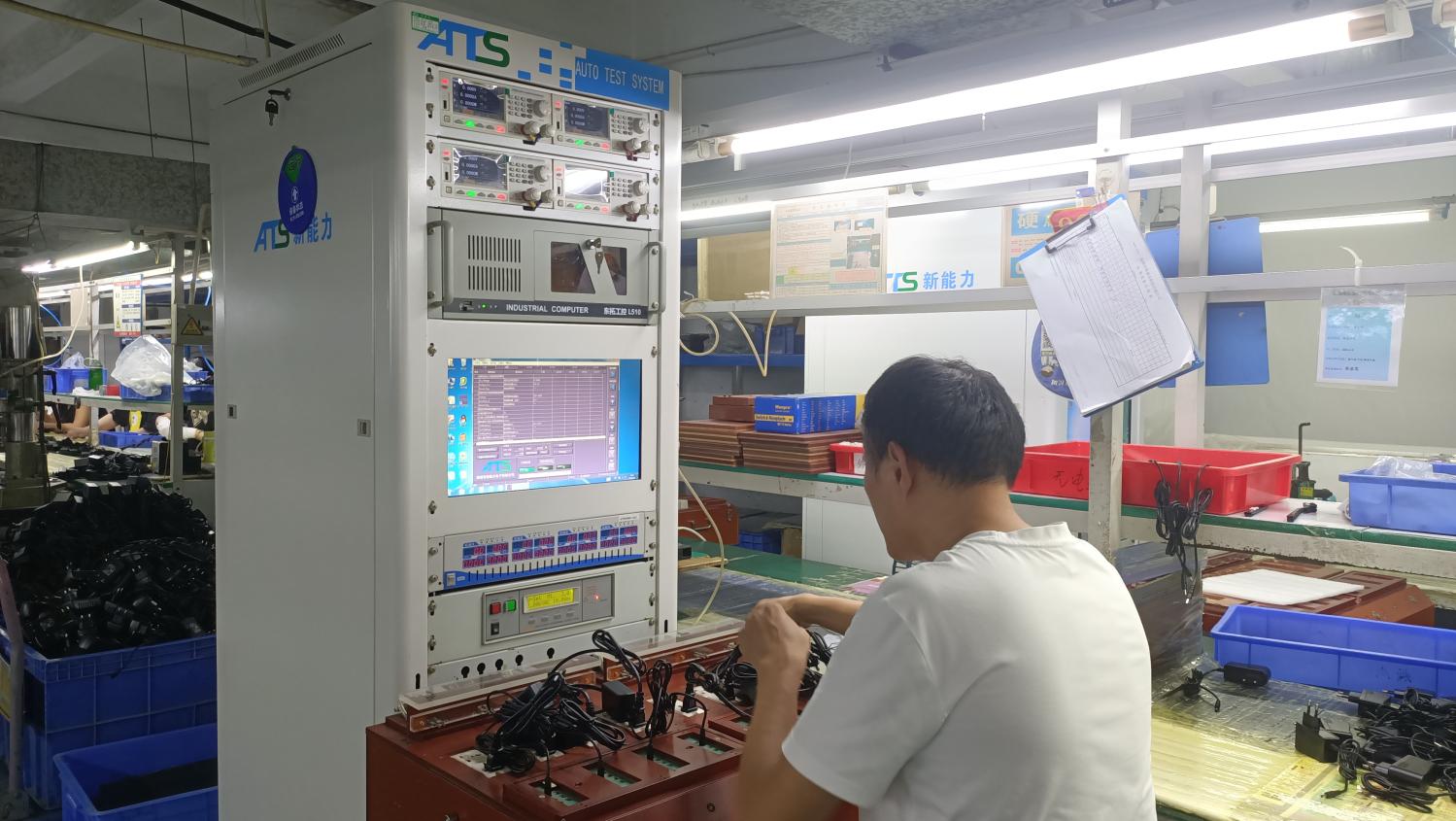
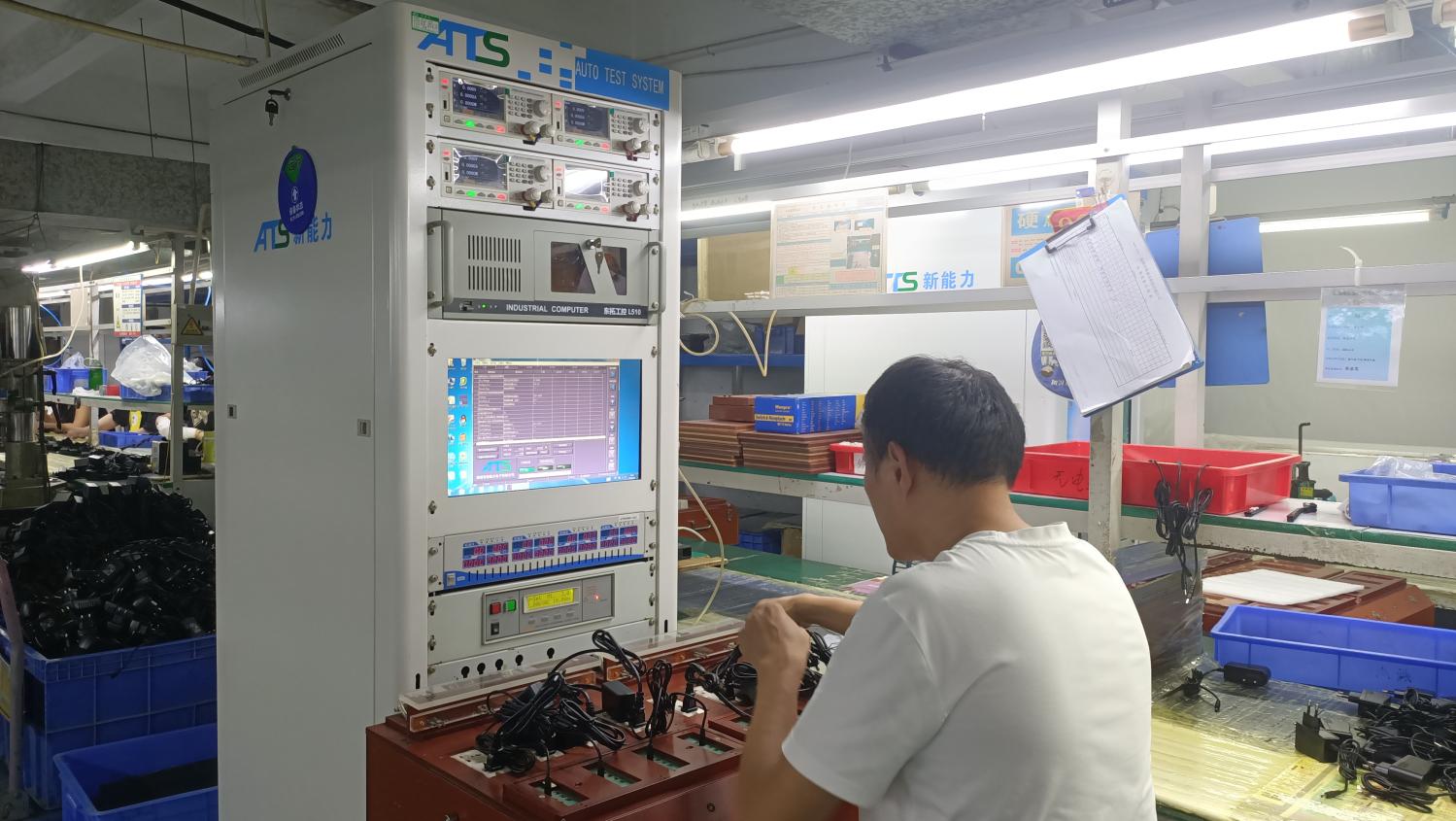
Our 10,000+ square meter factory utilizes automated Surface Mount Technology (SMT) lines to guarantee consistent solder joint quality, eliminating human error on dense PCB layouts. Through optimized component positioning and automated solder paste inspection, we achieve excellent yield rates, allowing us to pass cost advantages directly to global buyers.
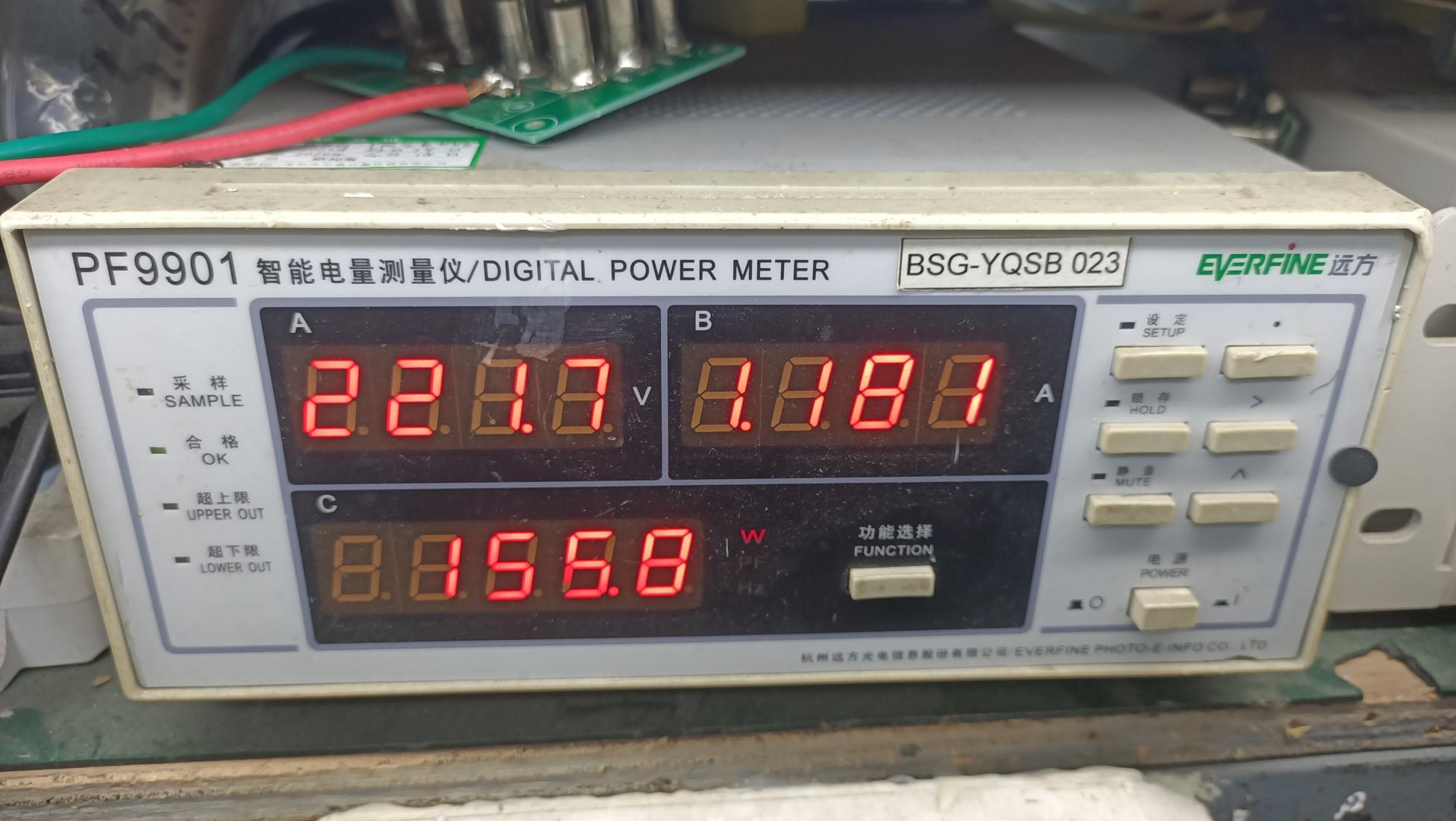
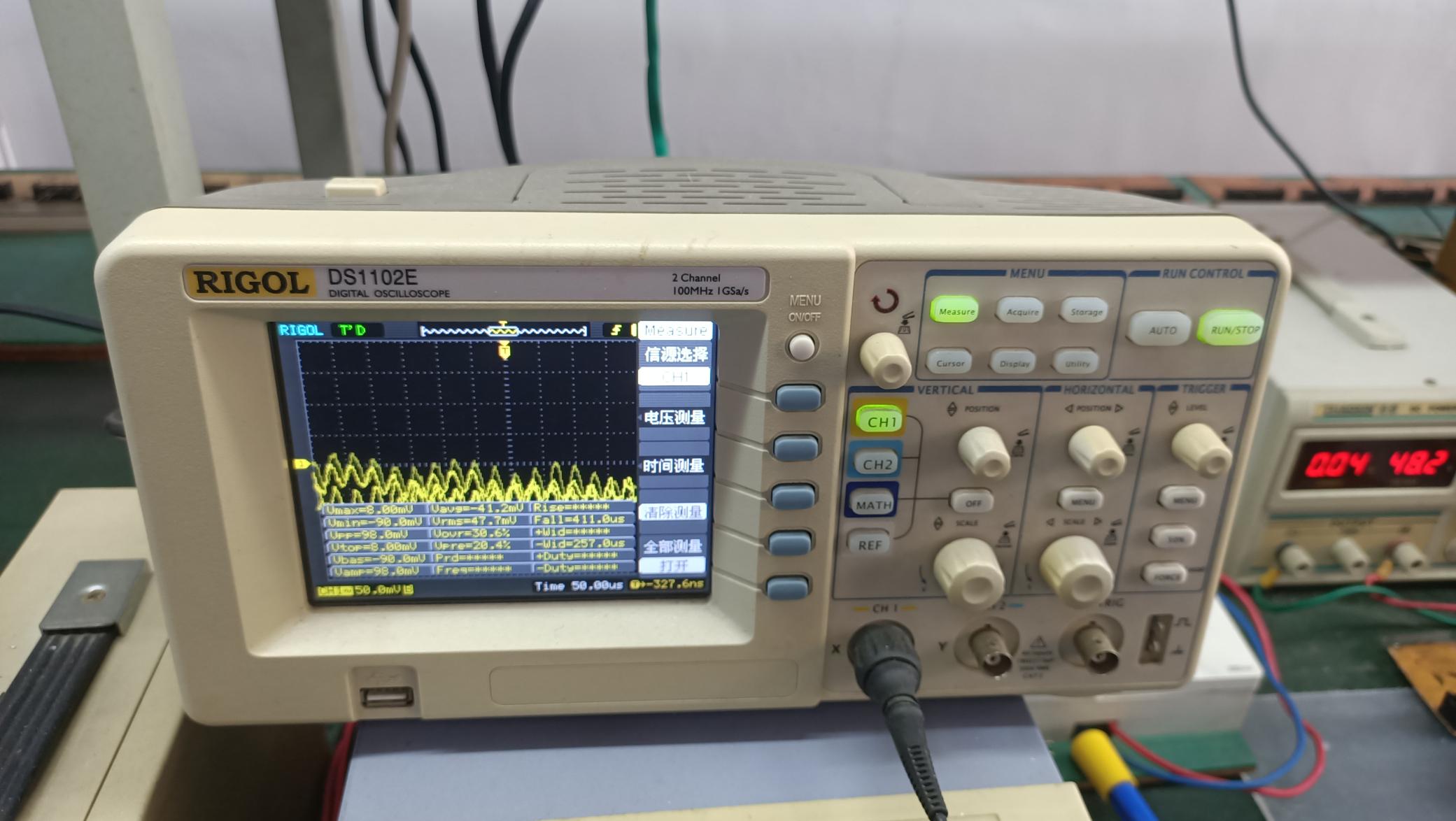
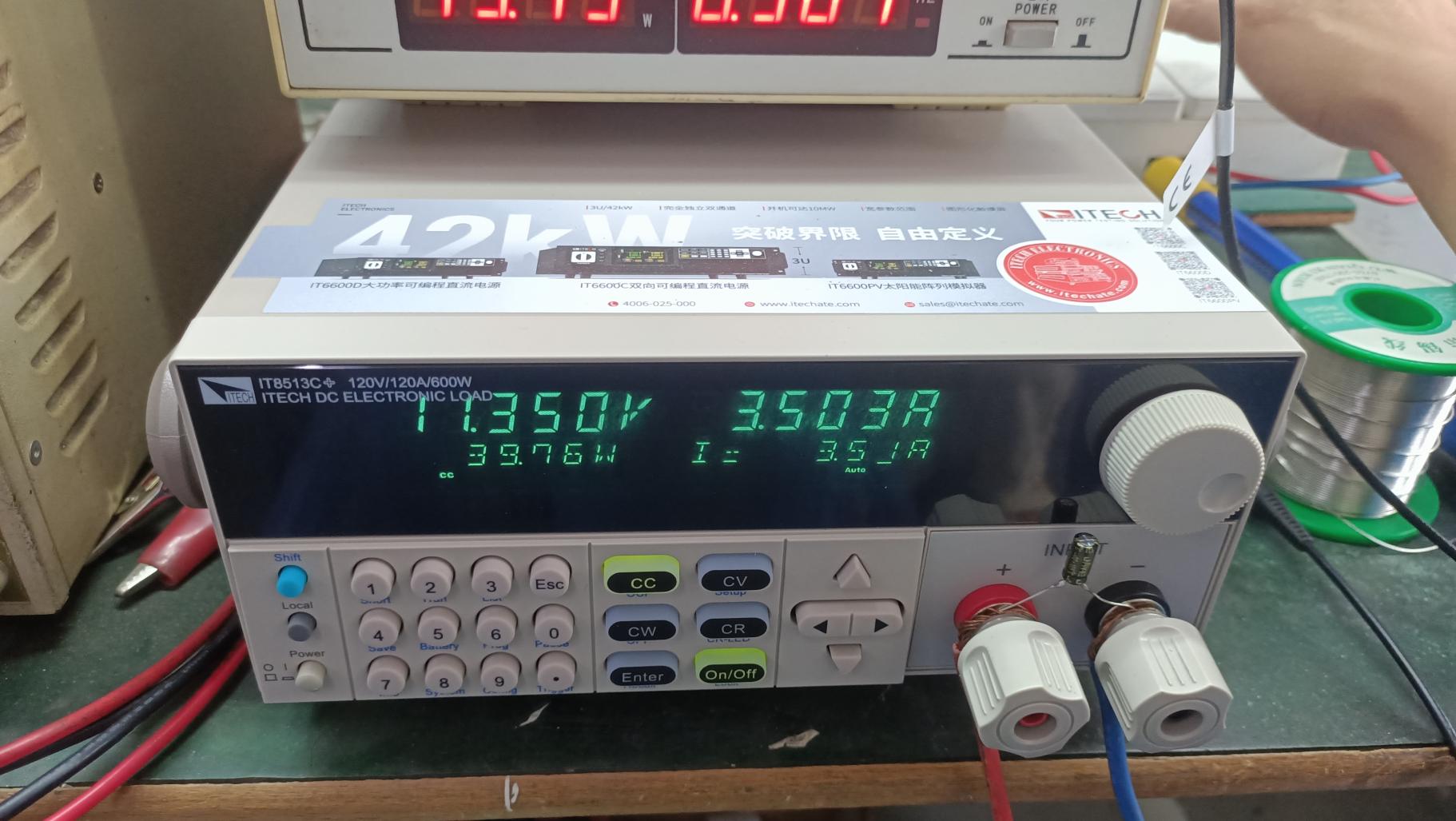
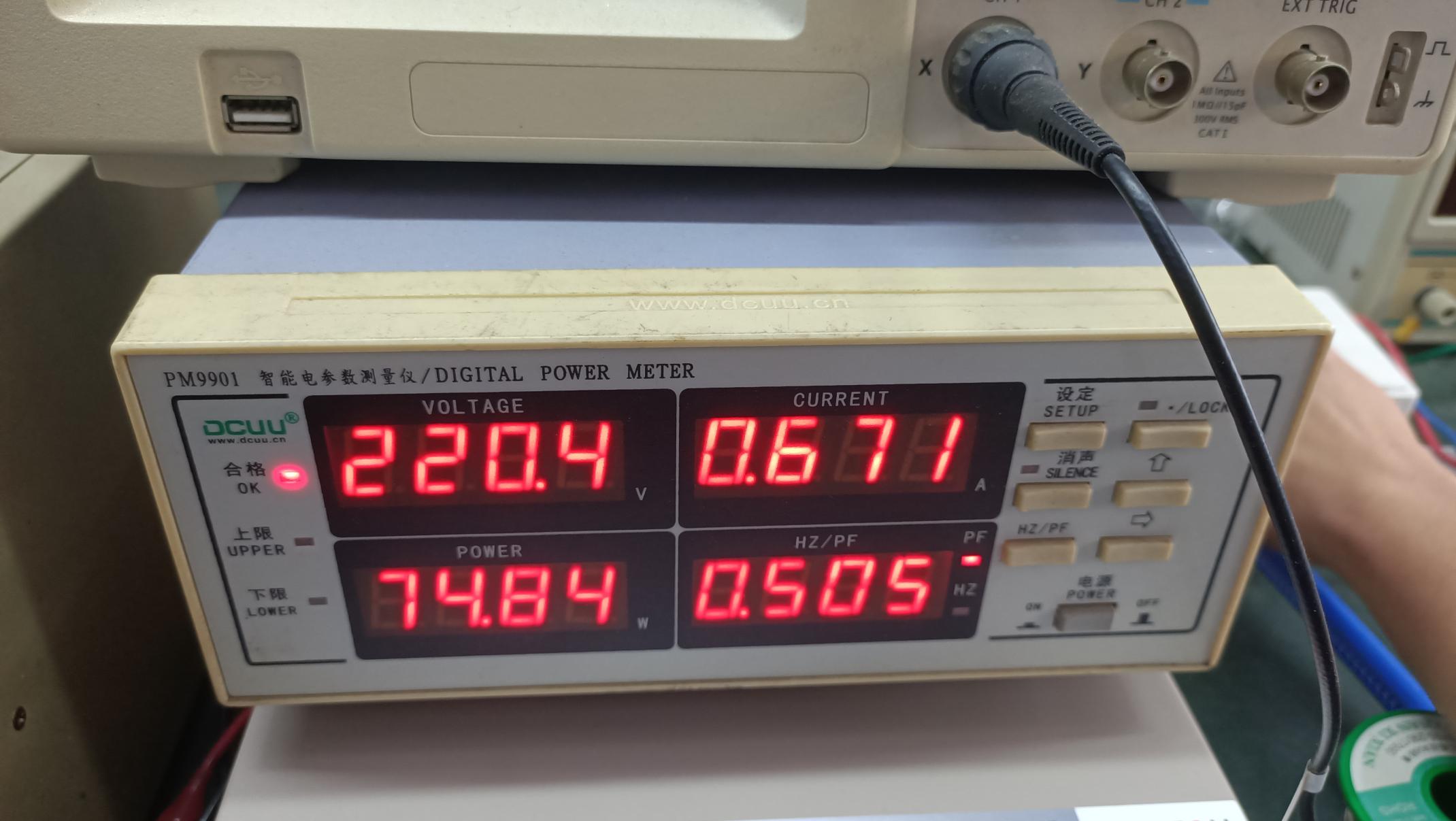
The low-power DC/DC converter market is undergoing a transition driven by high-frequency designs, integration, and wide bandgap semiconductors. As we look toward 2030, our engineering roadmap focuses on three main developments:
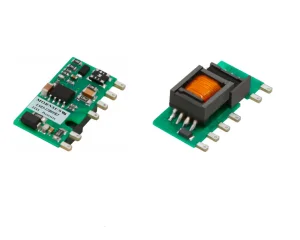
While GaN switches initially targeted high-power chargers, they are moving into low-power DC/DC converters. GaN's high switching speeds allow for smaller inductors and capacitors, shrinking converter dimensions. This helps engineers pack isolated converters into compact SIP-4 or SMD footprints without overheating.
Modern setups demand converters that handle wide input fluctuations, such as 8:1 or 12:1 ranges. This allows a single model to support 12V, 24V, and 48V system inputs, simplifying bill-of-materials (BOM) management. Concurrently, 3D magnetics and co-fired ceramic packaging are enabling highly integrated converter modules.
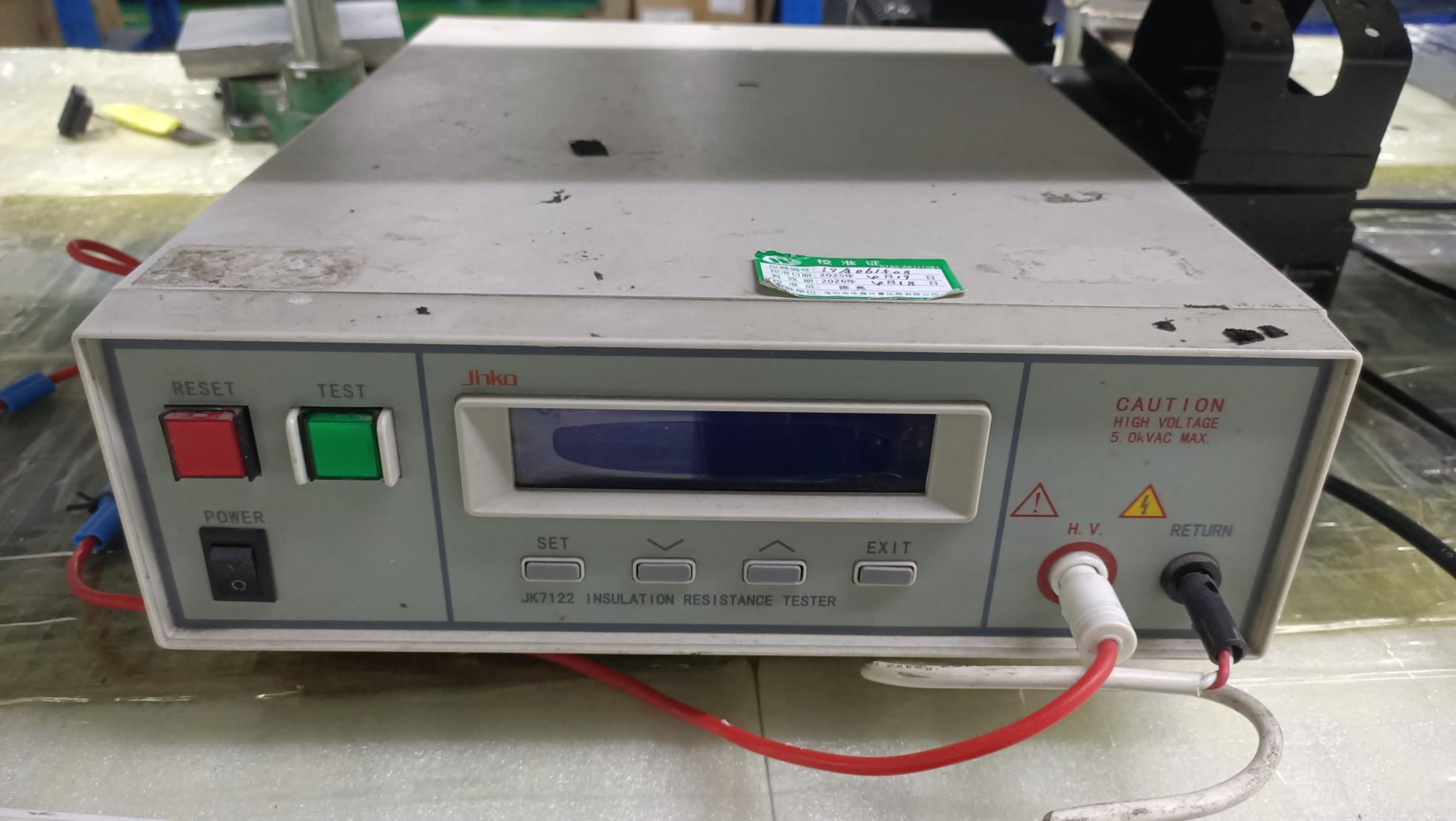
Global markets demand compliance with safety standards such as UL/IEC62368-1 for ICT devices and IEC60601-1 for medical equipment. To meet these needs, exporters must design products with sufficient creepage and clearance distances, high-isolation barrier materials, and EMI performance that passes EN55032 Class B without requiring external filters.
Successfully exporting high-reliability power modules requires strict adherence to international regulatory frameworks. To support import compliance for buyers in North America, Europe, and Asia-Pacific, our components undergo rigorous certification processes:
Through technical partnerships and localized distributors, we provide prompt engineering support. Our teams assist client engineers with layout optimization, EMI debugging, and custom voltage profiles, ensuring rapid development and deployment.
Isolated DC/DC converters contain an internal transformer that physically and electrically separates the input from the output, providing high galvanic isolation (typically 1500VDC to 6000VDC). This setup protects personnel and downstream ICs from input transients and breaks up ground loops. Non-isolated converters (such as buck or boost regulators) omit the transformer. While they offer slightly higher efficiency and smaller footprints, they do not provide electrical isolation.
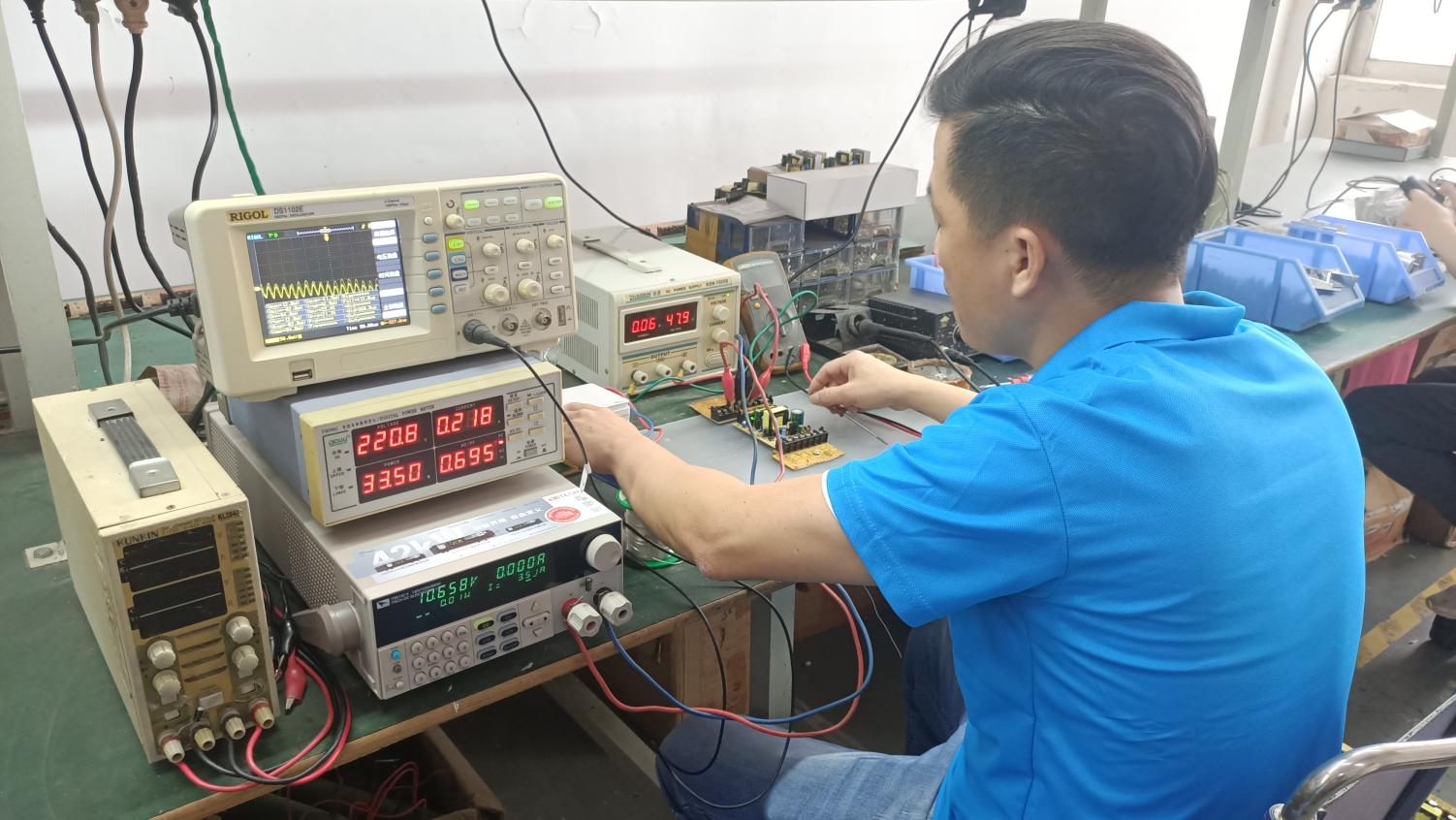
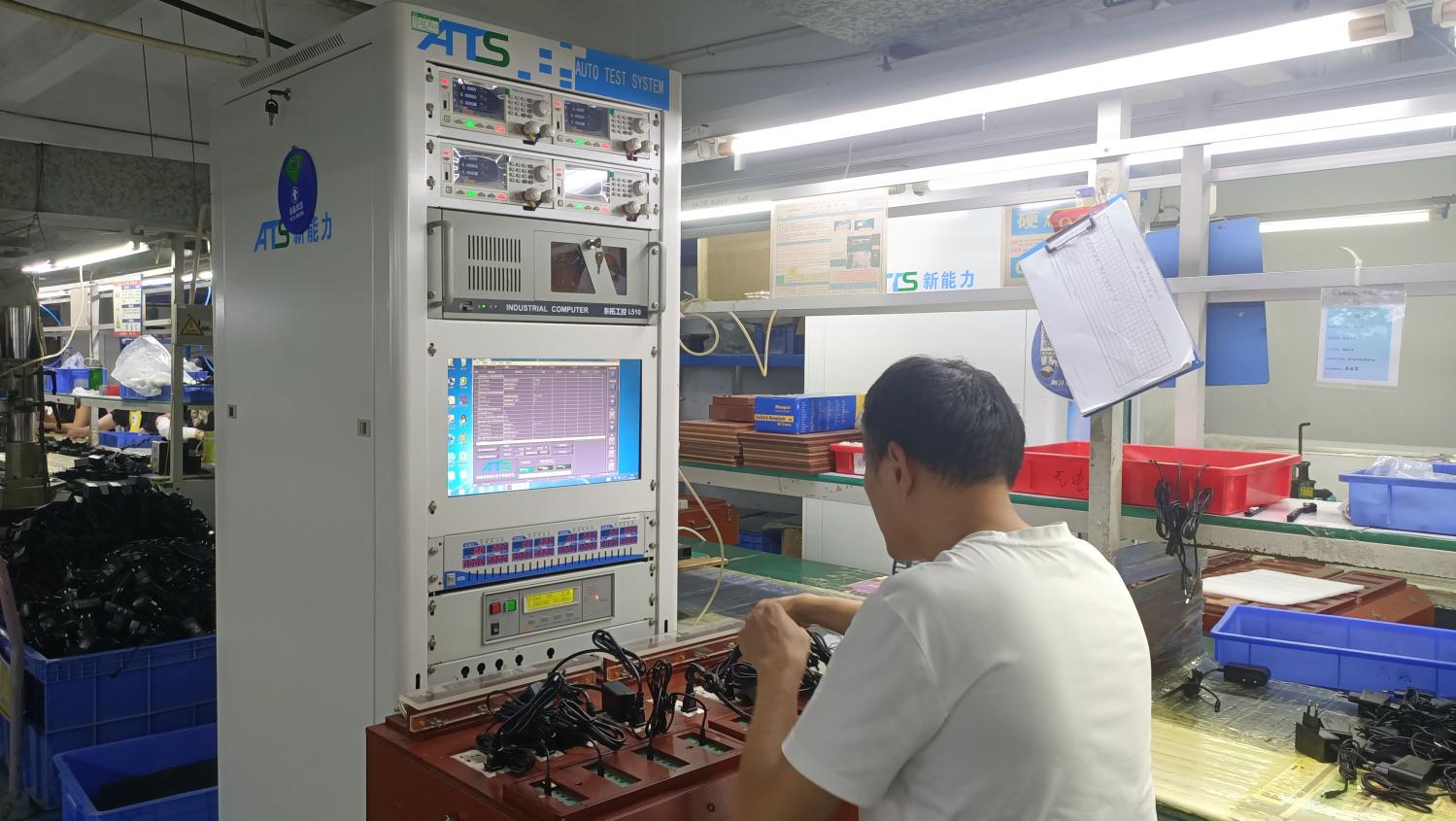
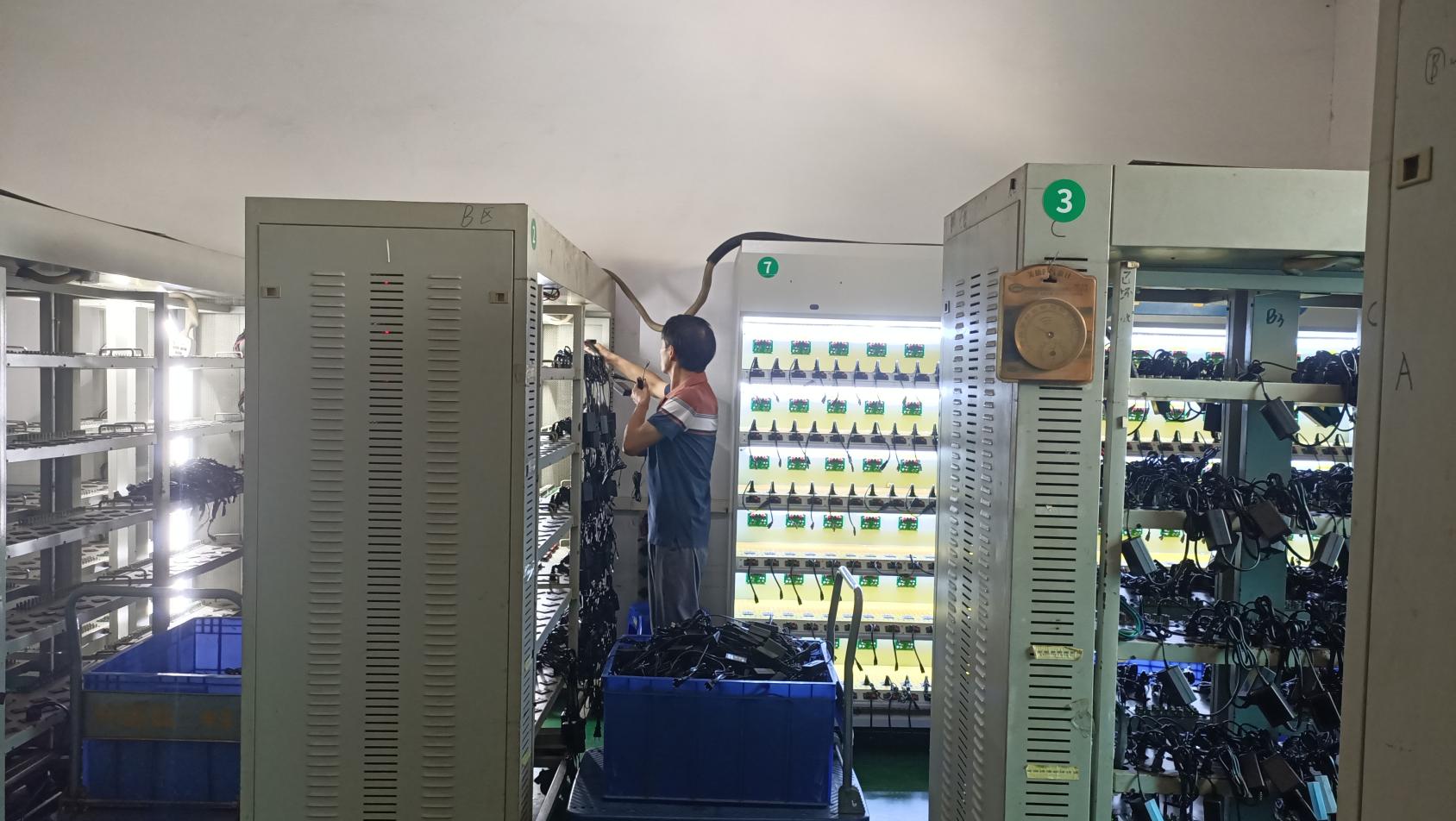
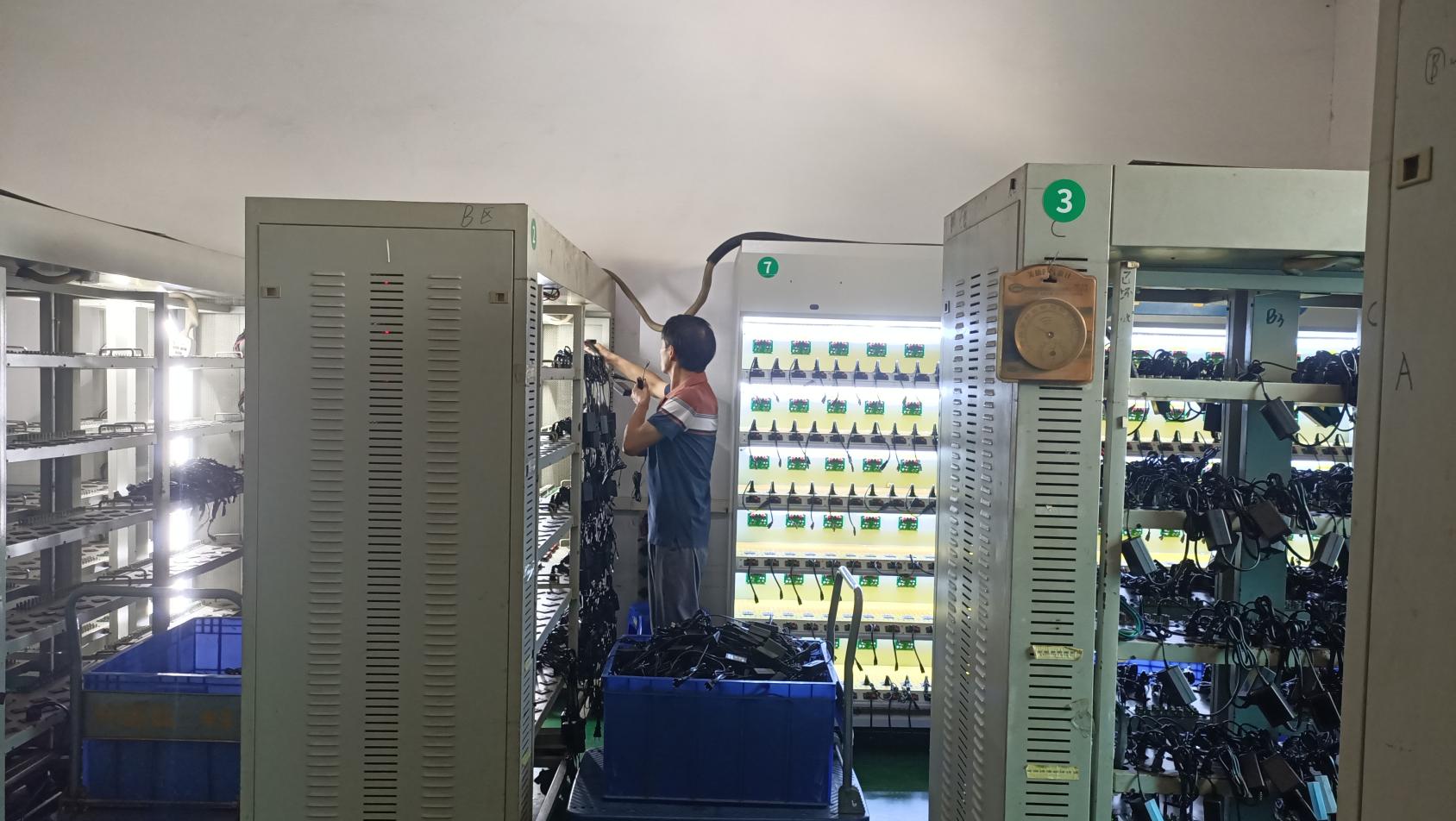
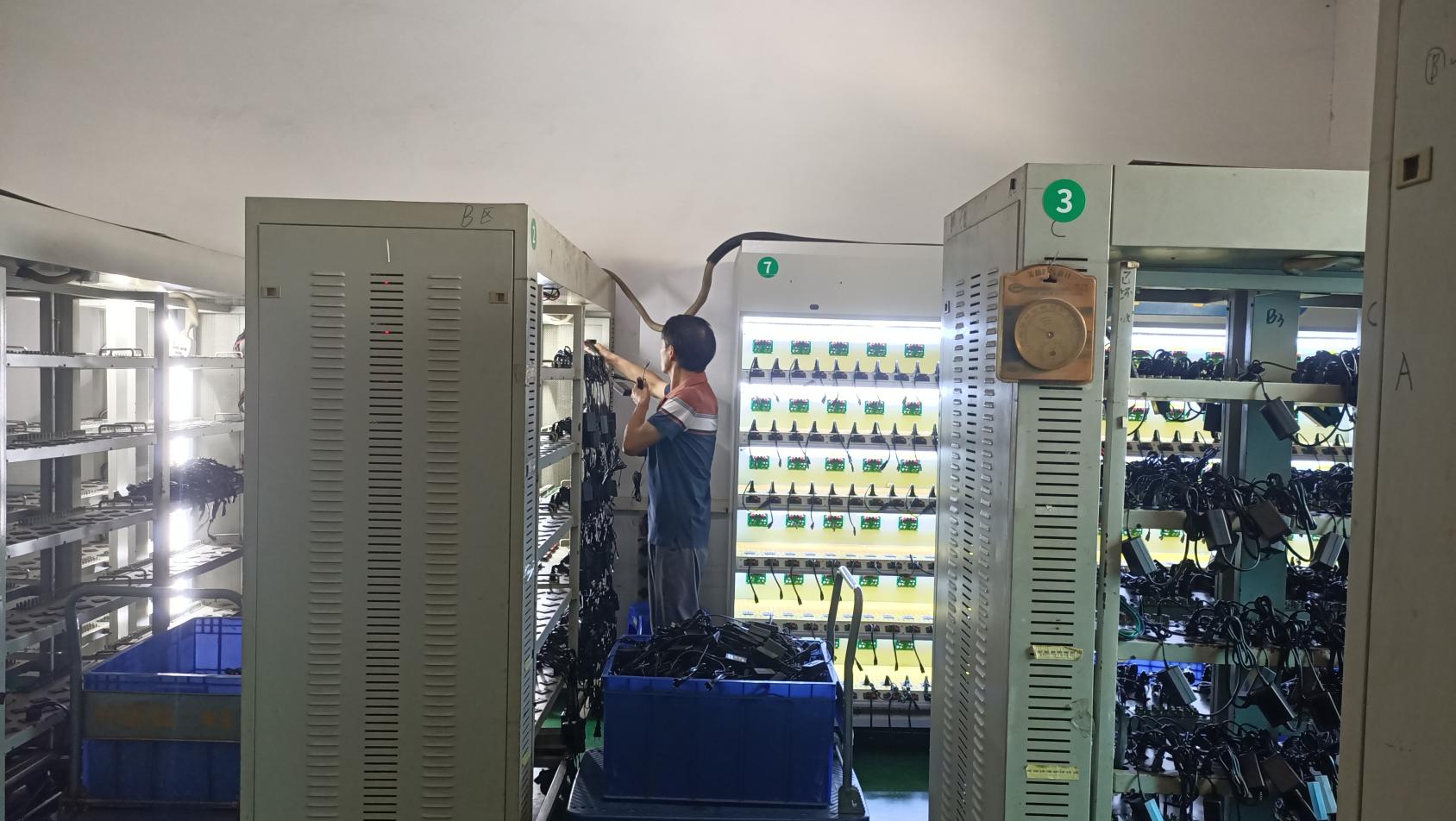
We calculate Mean Time Between Failures (MTBF) using MIL-HDBK-217F standards. We ensure reliability by using high-grade multi-layer PCBs, quality ceramic capacitors with low ESR, and optimized magnetic cores. Additionally, our automated factory runs dedicated burn-in and aging tests (using ATE and electronic loads) to catch early component failures before shipping.
We design our circuits using internal shielding, strategic component layout, and optimized magnetic pathways to control noise. Most of our converters meet EN55032/CISPR32 Class B limits for conducted and radiated emissions with minimal or no external filtering, simplifying product certification for our clients.
By sourcing materials locally and using automated SMT and assembly lines, we complete standard production runs in 4 to 6 weeks. For custom ODM requirements—such as specialized voltage configurations, custom pinouts, or modified enclosures—our R&D team provides rapid prototyping and validation to match your system specs.