CN Electronics
CN Electronics
CN Electronics
Explore our premium range of AC/DC converters engineered for maximum reliability, thermal control, and high EMC immunity.
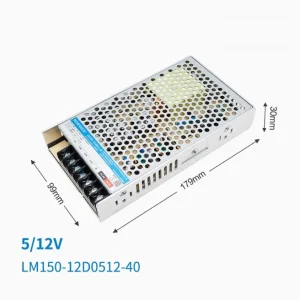
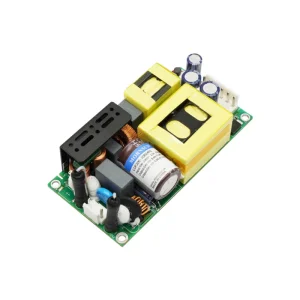
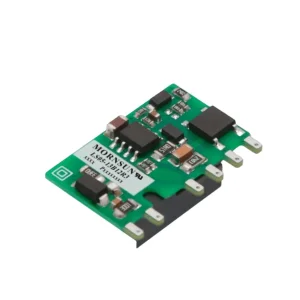
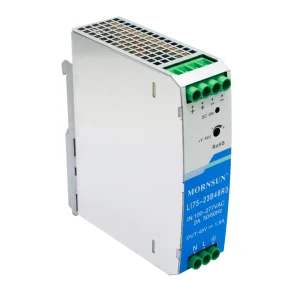
Founded in 2006 and headquartered in Shenzhen, China, CN Electronics is a leading, technology-driven manufacturer specializing in high-precision electronics, custom circuitry, and comprehensive OEM/ODM solutions. We bridge the gap between complex hardware blueprints and market-ready products for tech innovators worldwide.
With a state-of-the-art production facility spanning over 10000 square meters, we integrate advanced automated assembly lines with rigorous quality control protocols. Our core capabilities cover the entire product lifecycle—including rapid PCB prototyping, component sourcing, high-volume SMT placement, and final system integration.
We understand that in the fast-paced hardware industry, agility and reliability are everything. That is why we have optimized our supply chain to offer seamless communication, transparent project tracking, and uncompromising quality standards (certified under [ISO9001/CE/FCC etc.]).
Whether you are scaling a smart infrastructure project, developing next-gen consumer hardware, or sourcing robust industrial components, CN Electronics is your trusted engineering and manufacturing partner. We don’t just assemble parts; we power your growth.
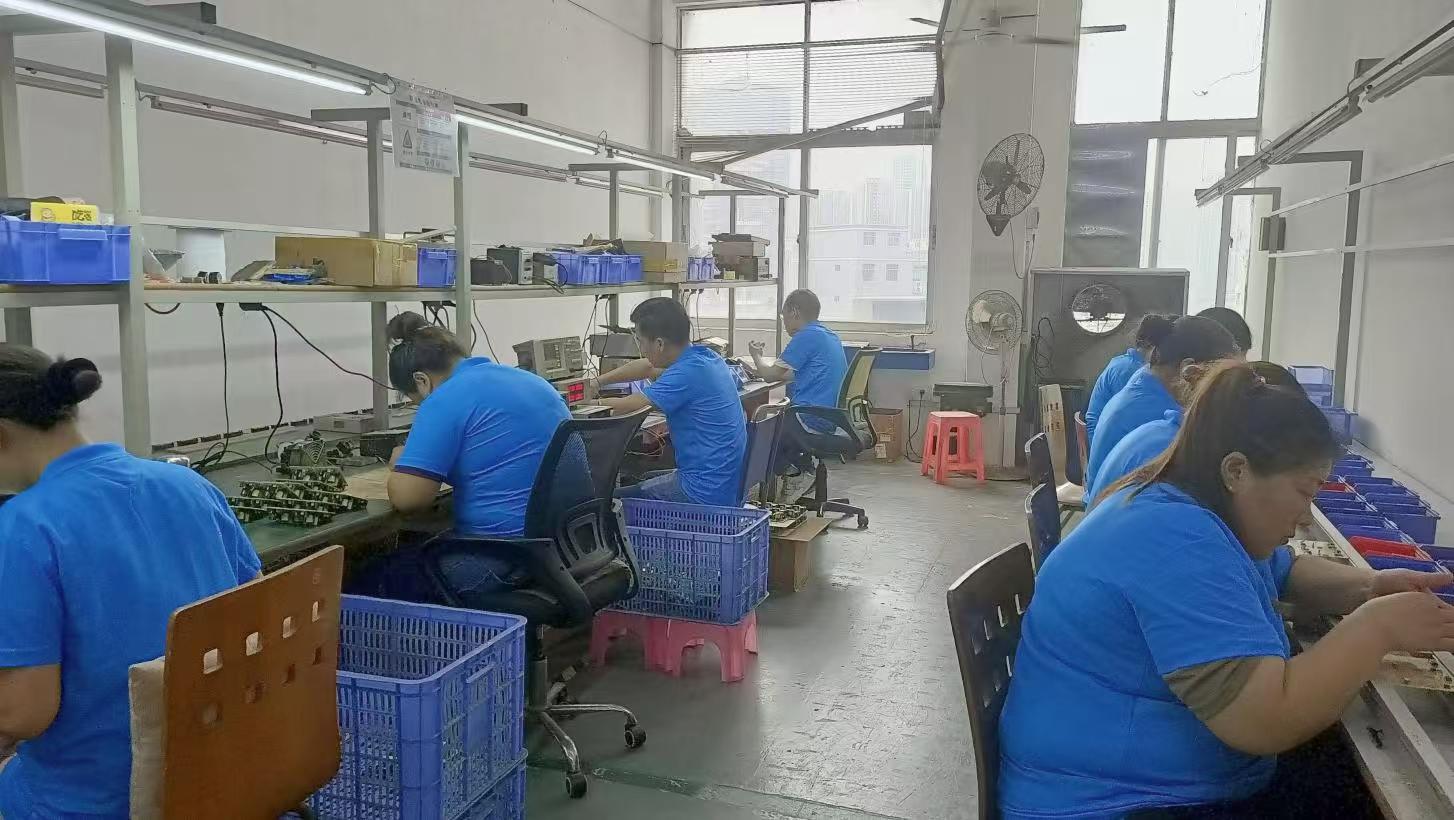
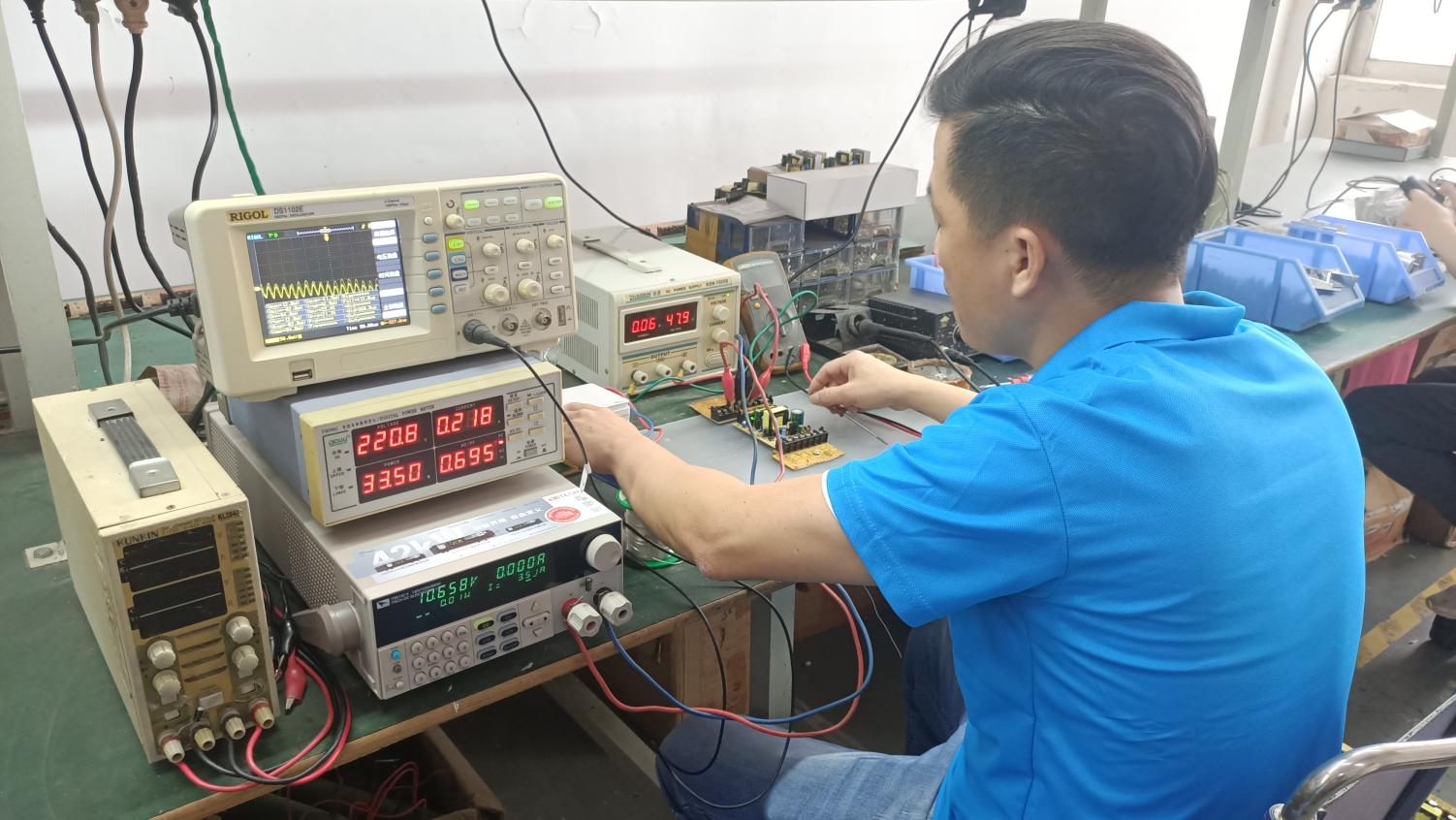
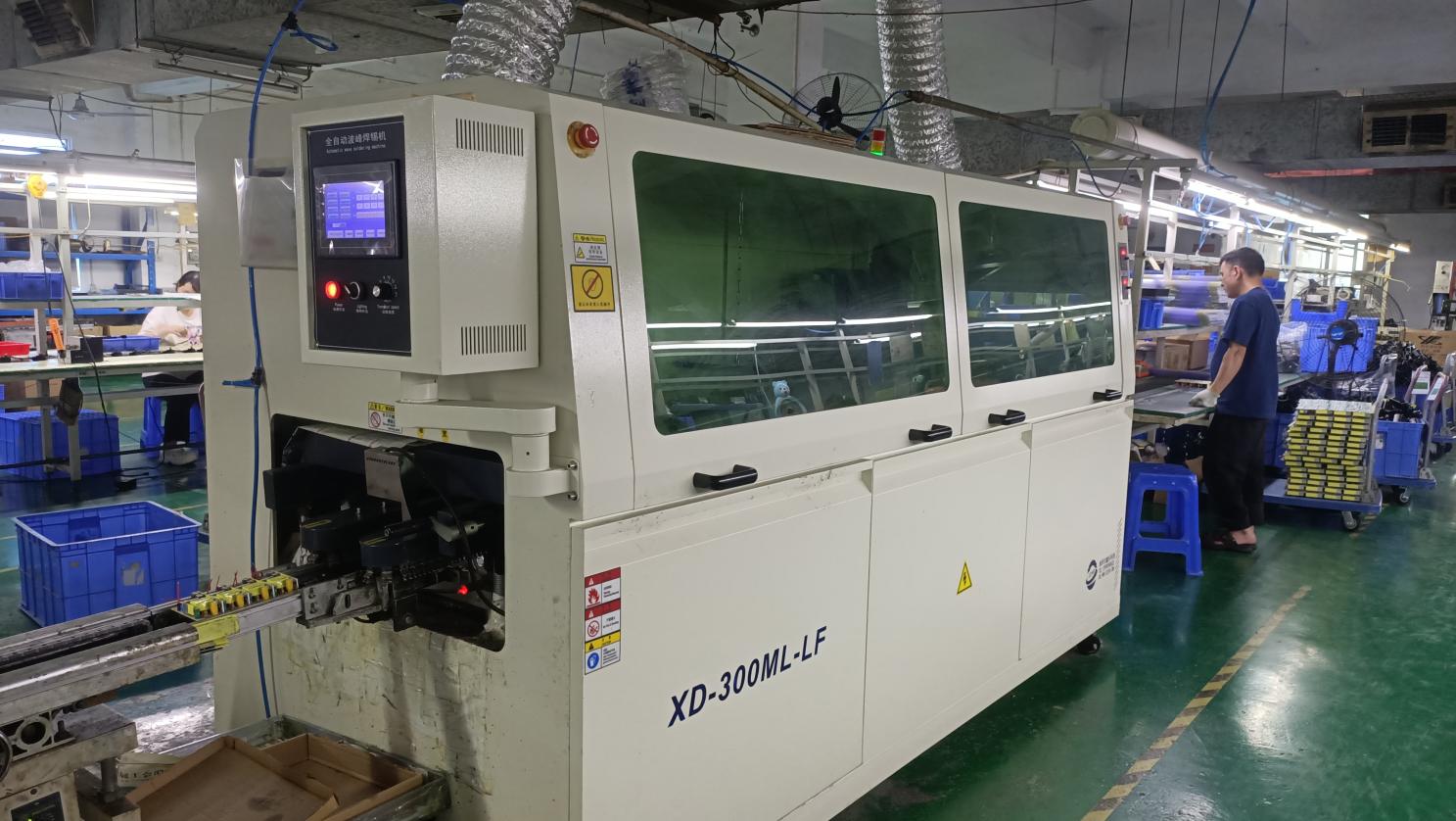
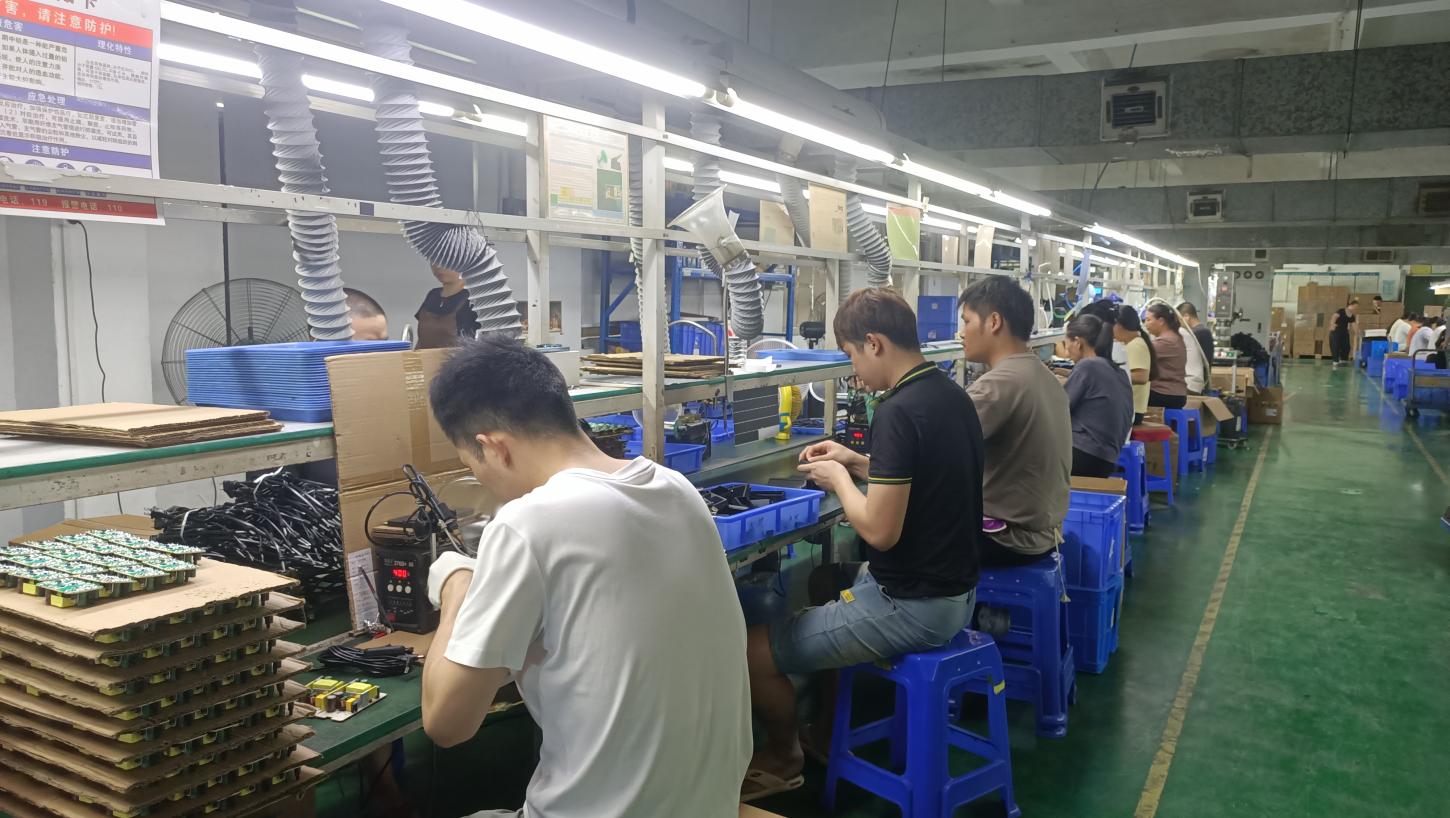
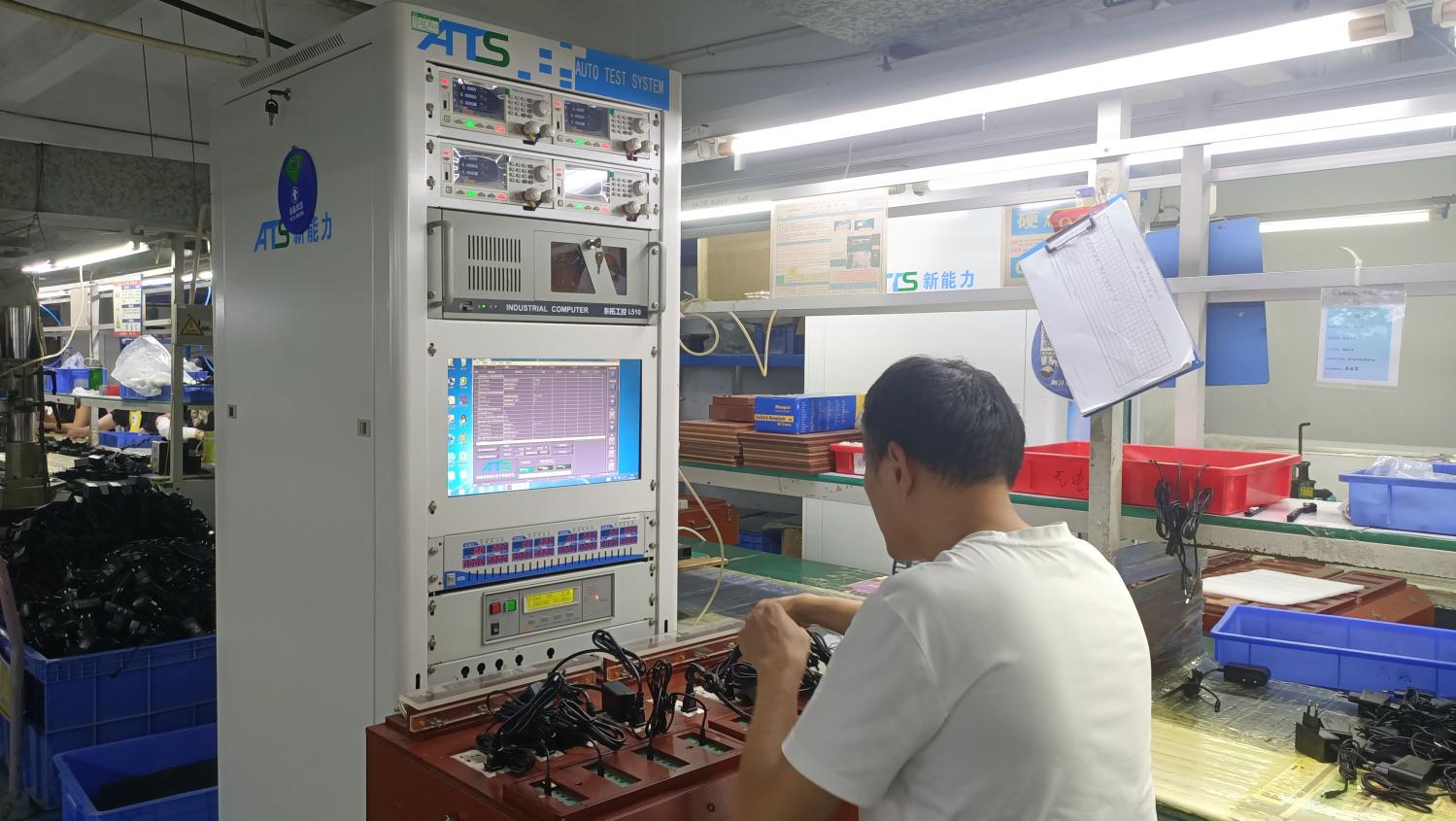
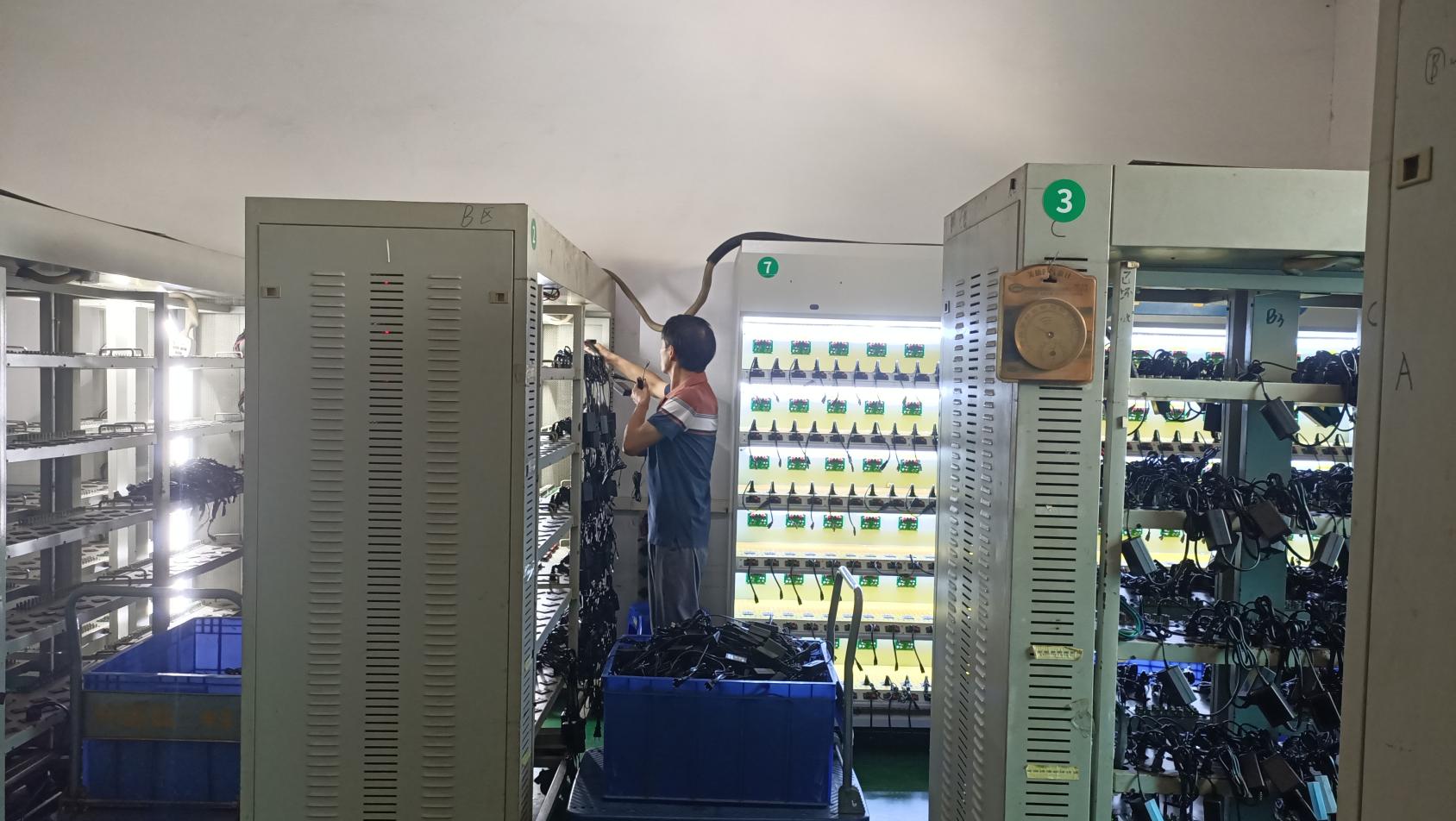
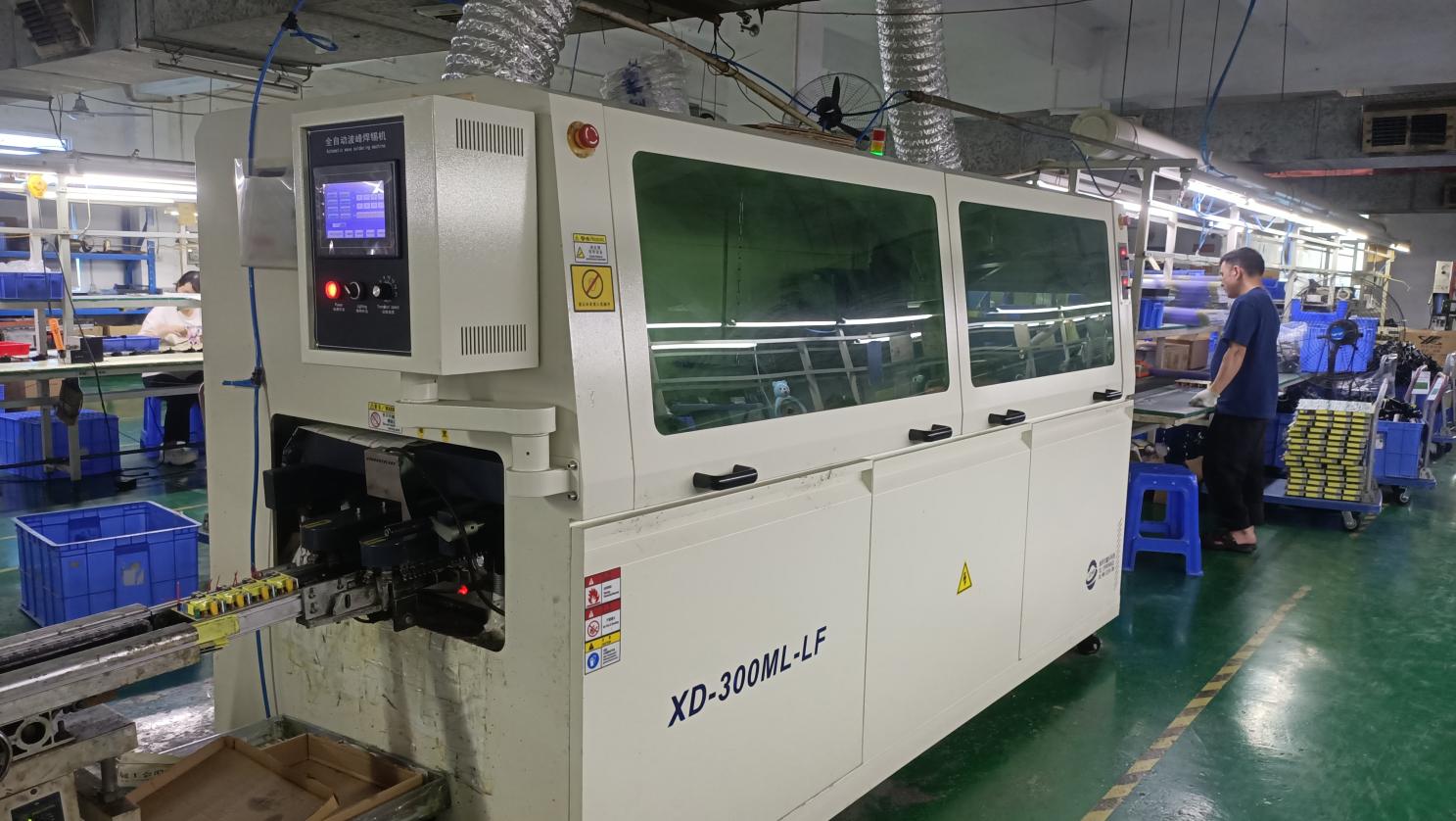
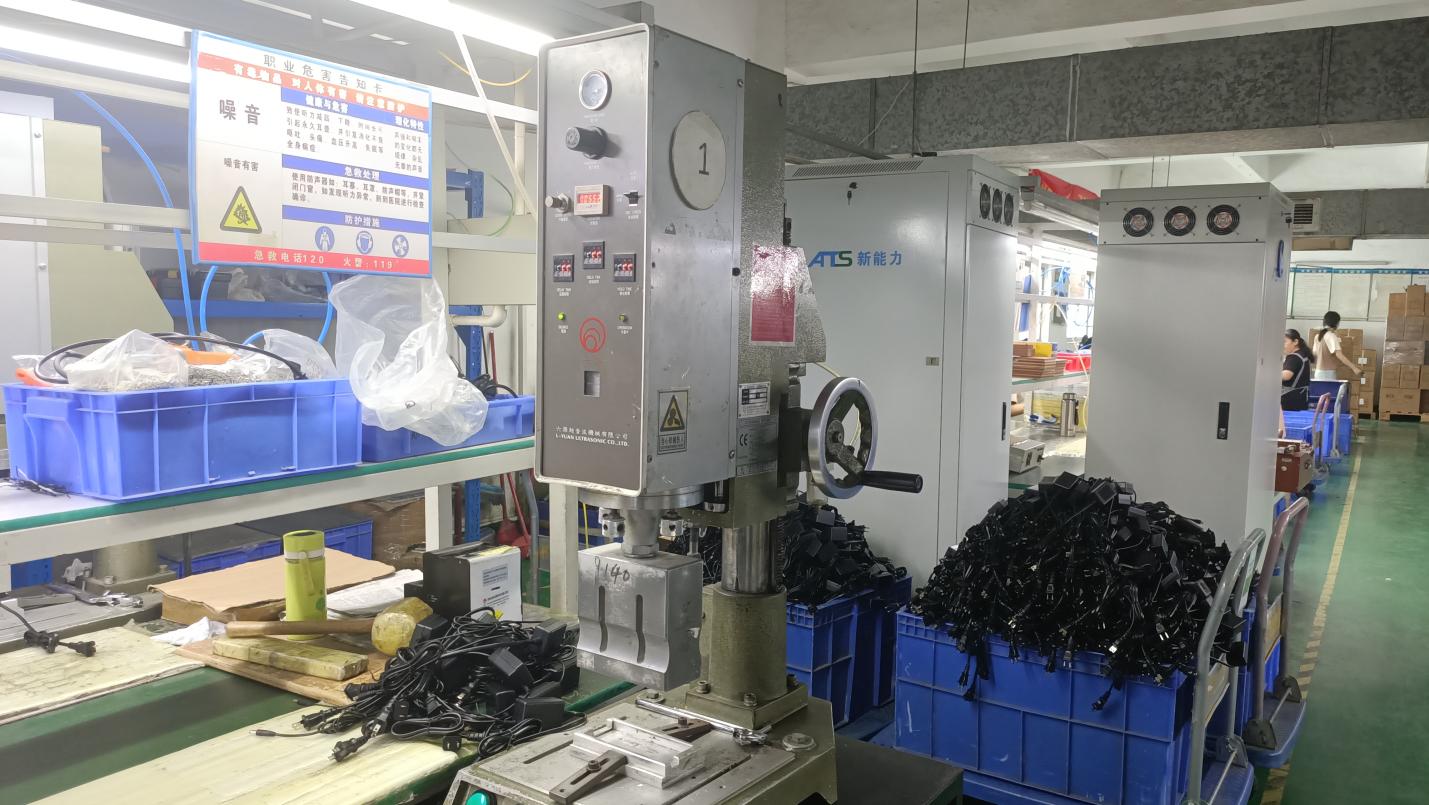
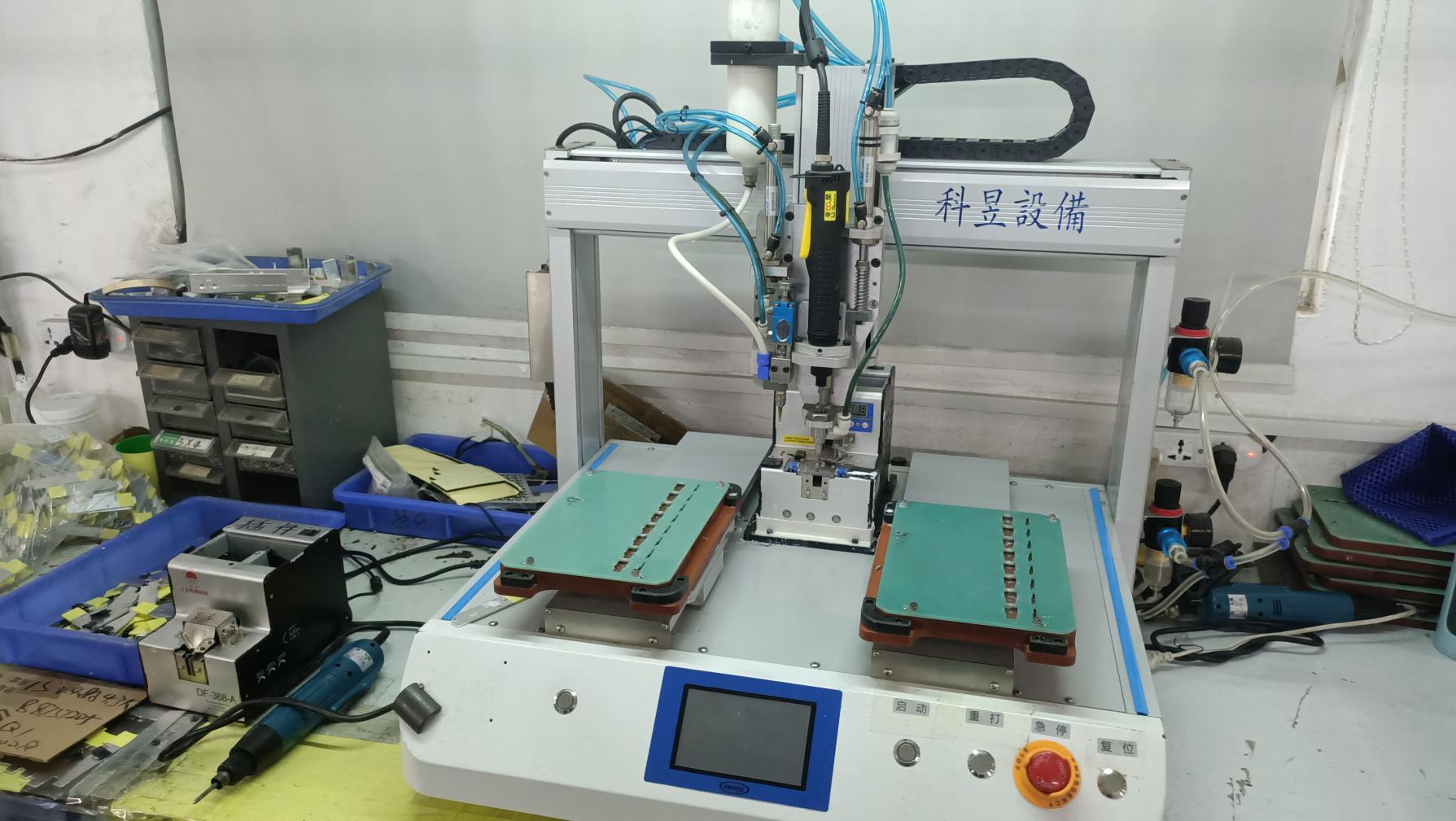
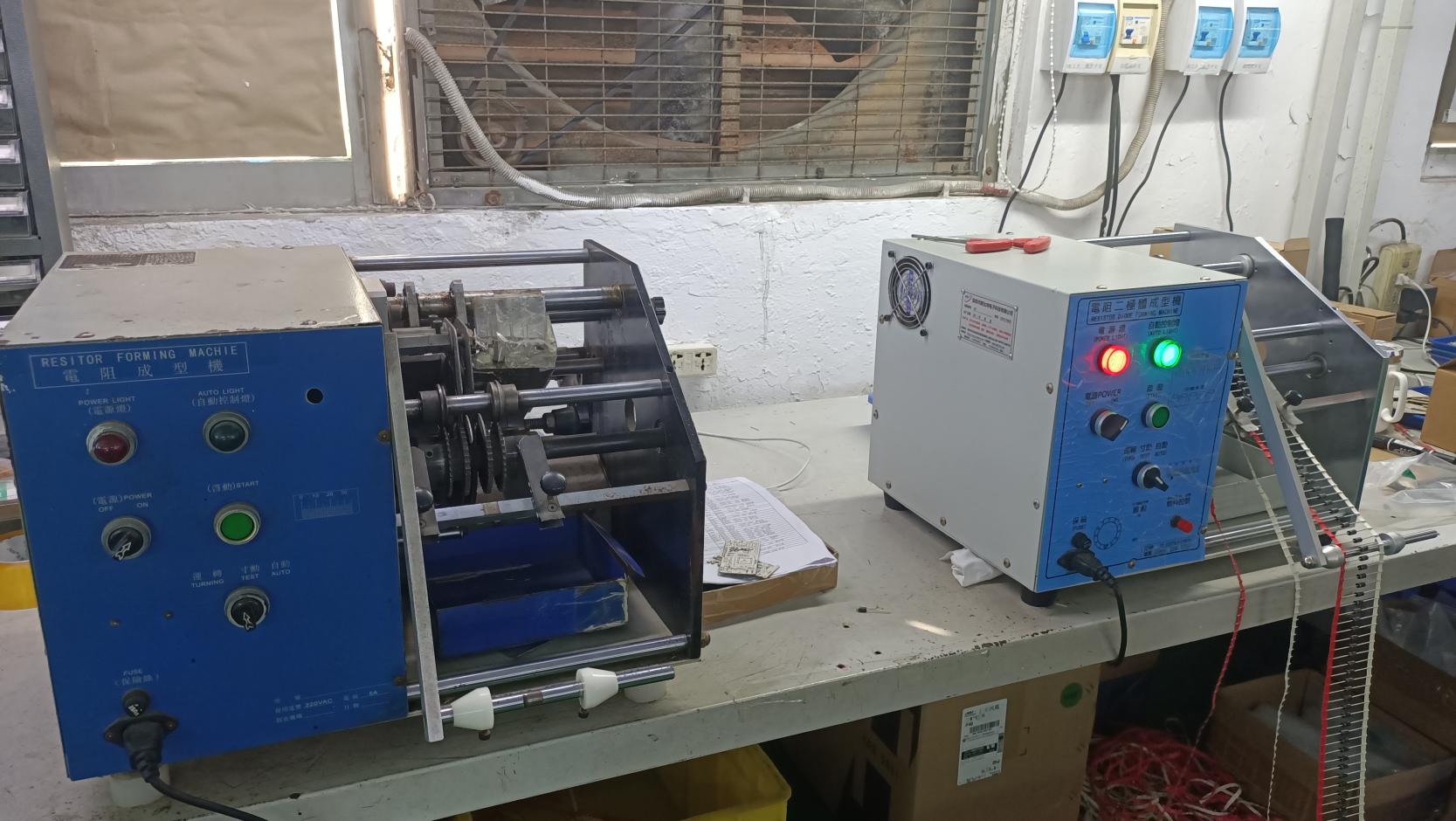
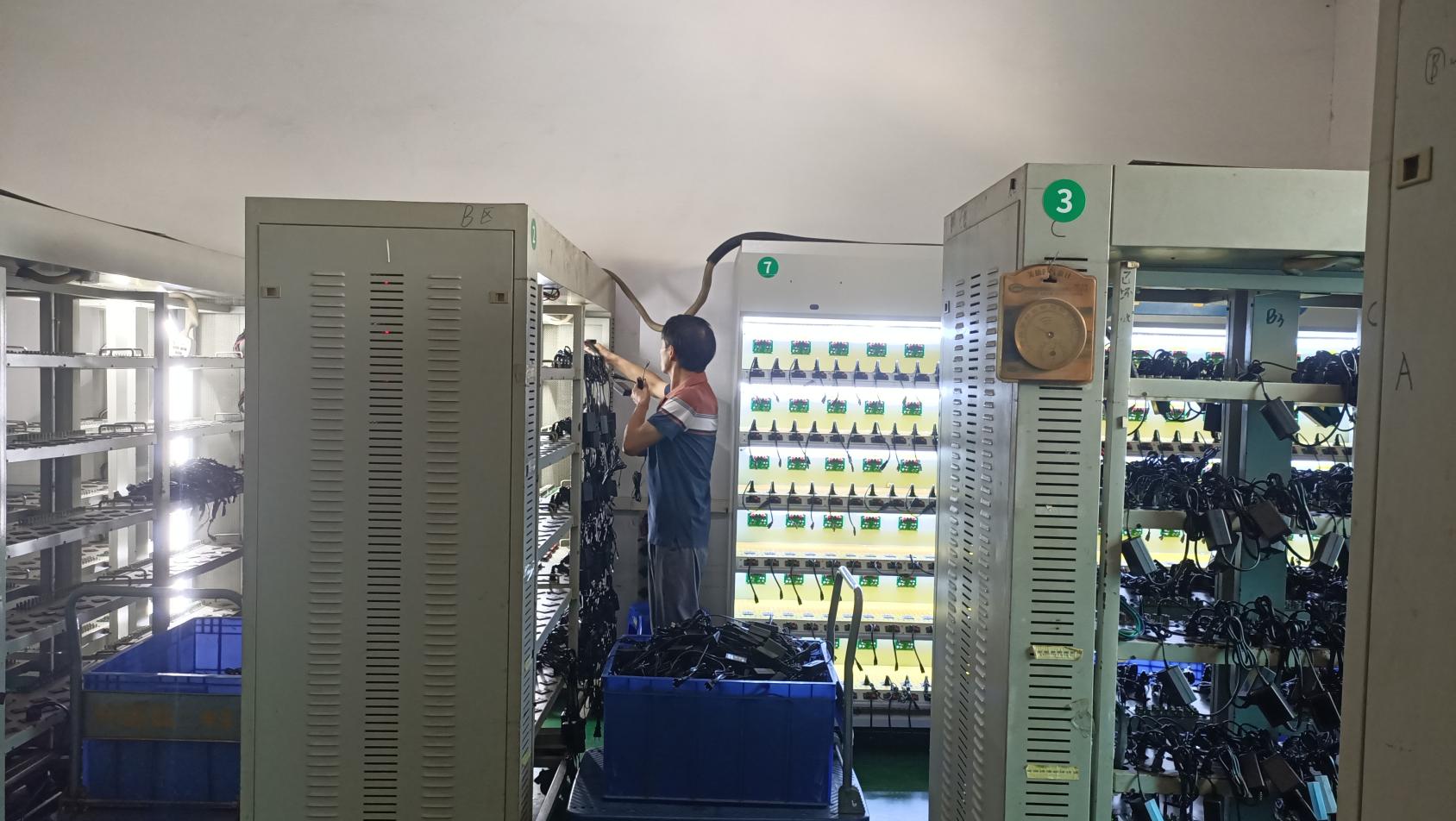
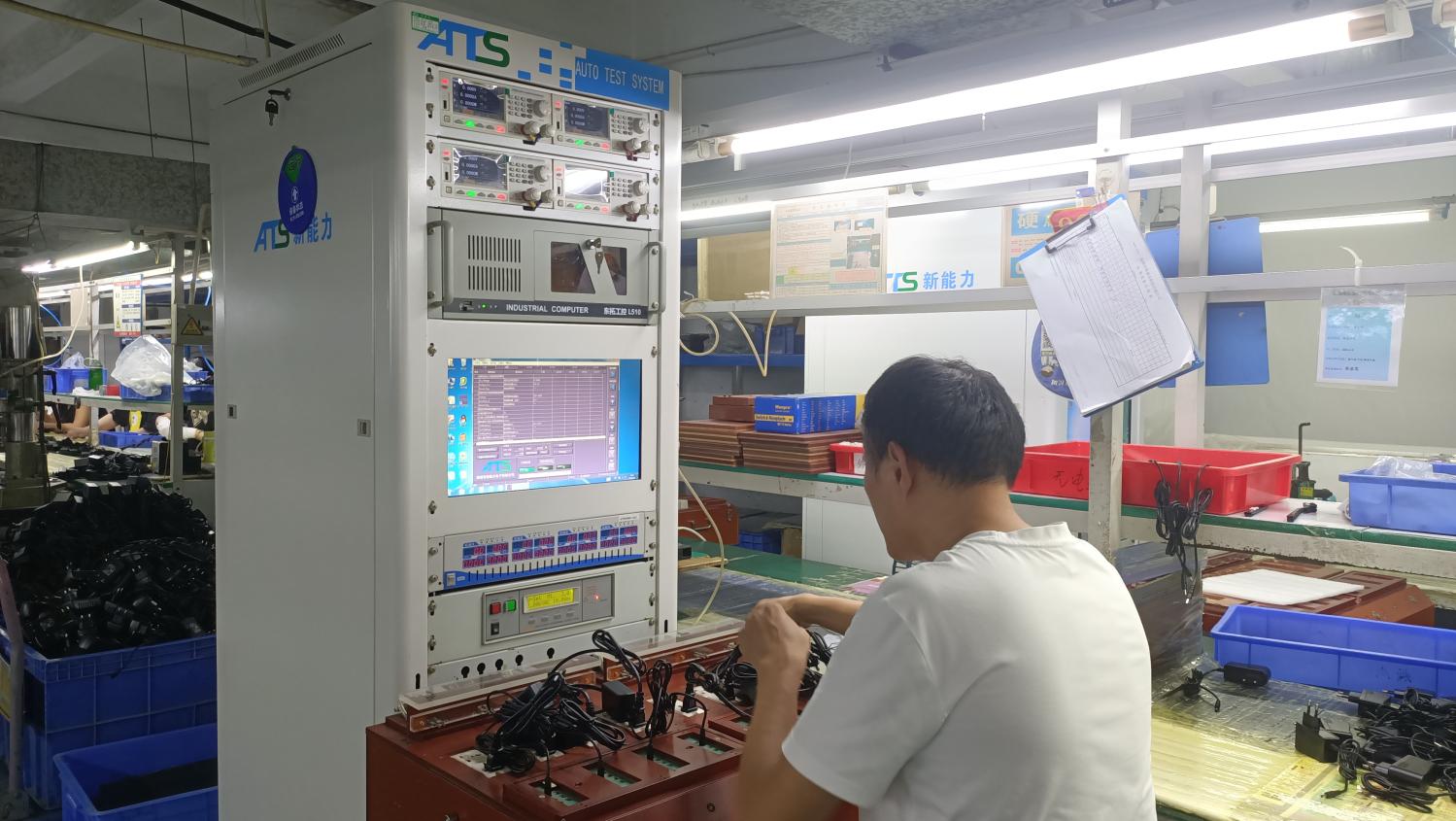
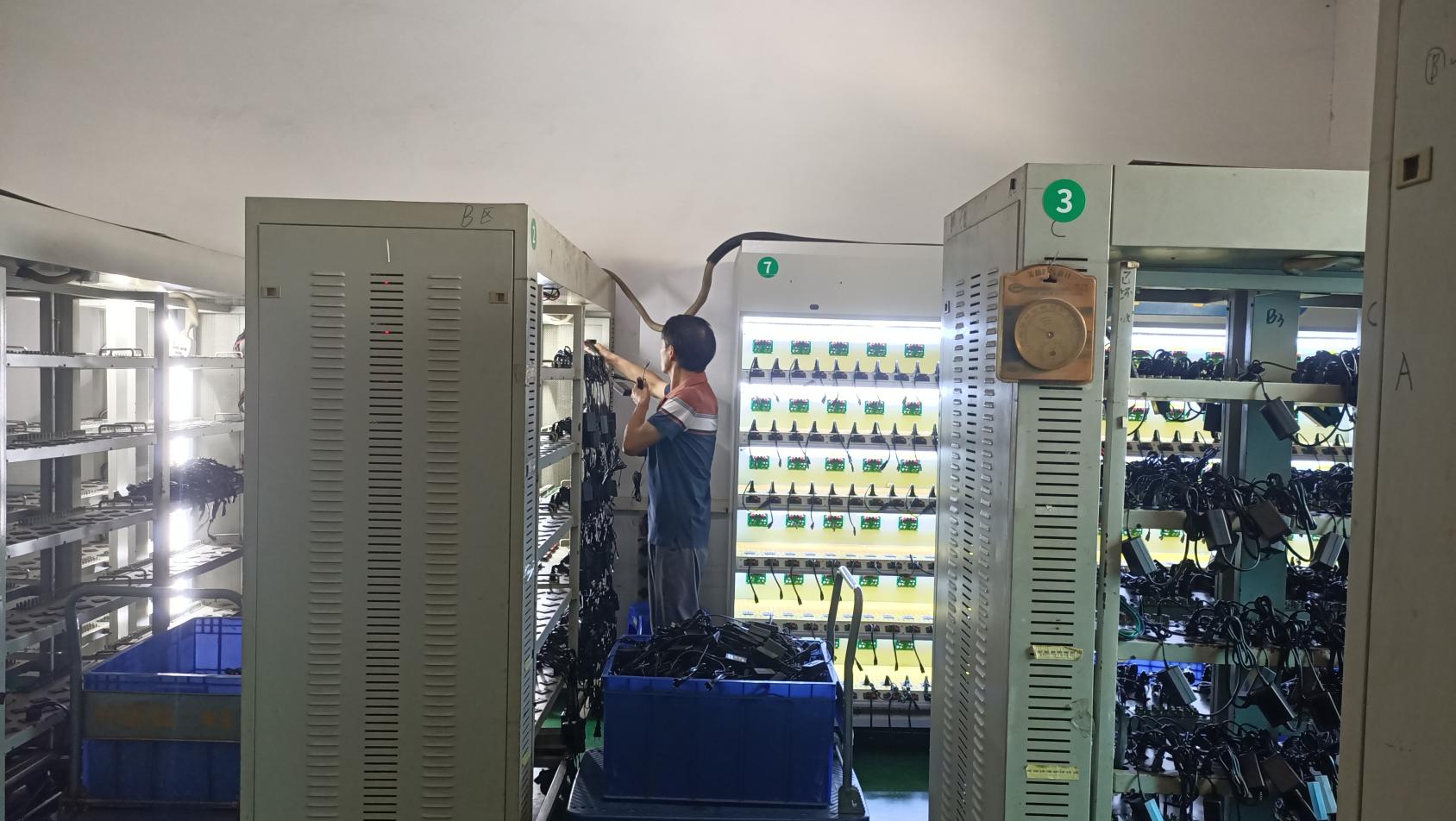
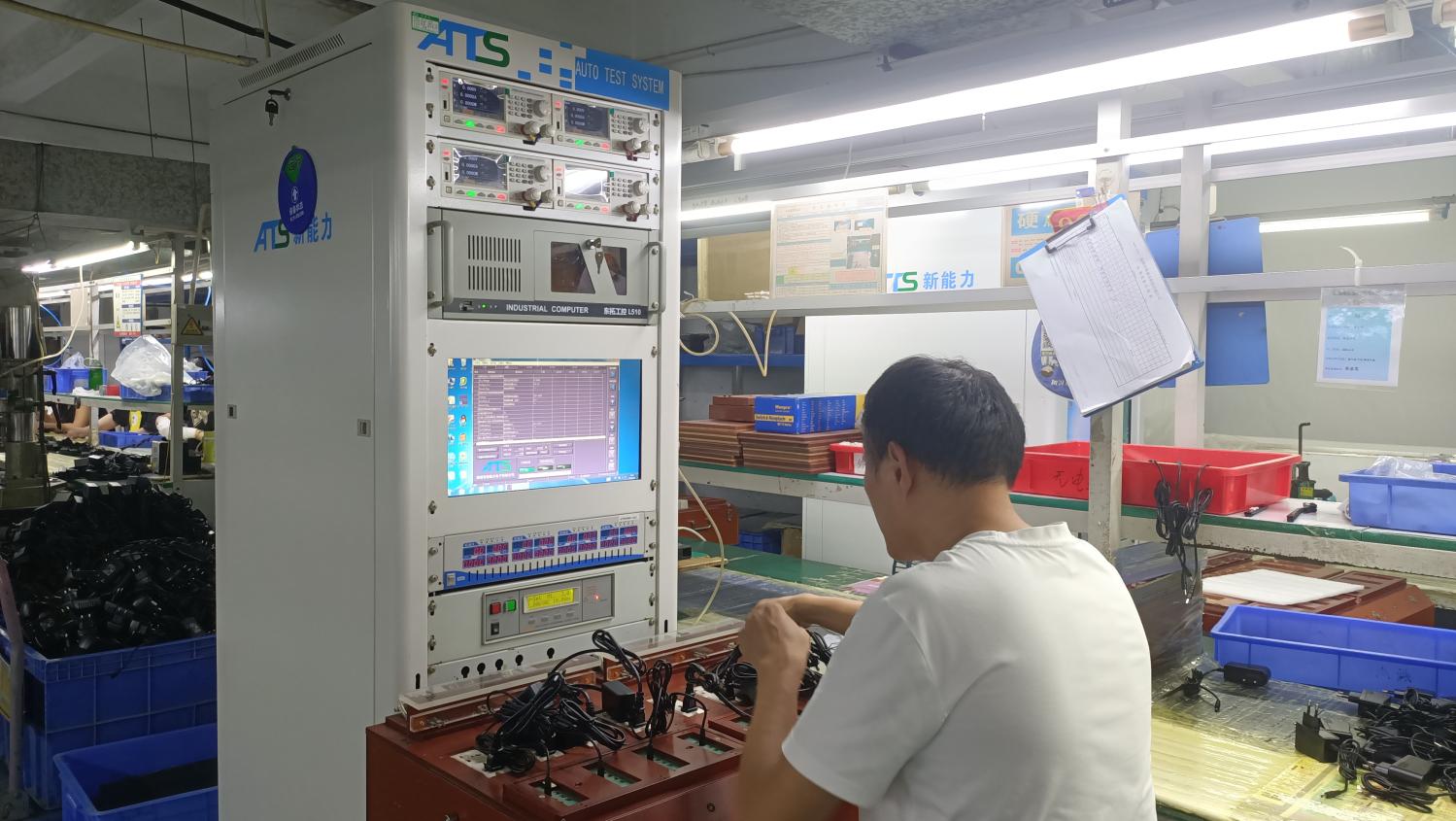
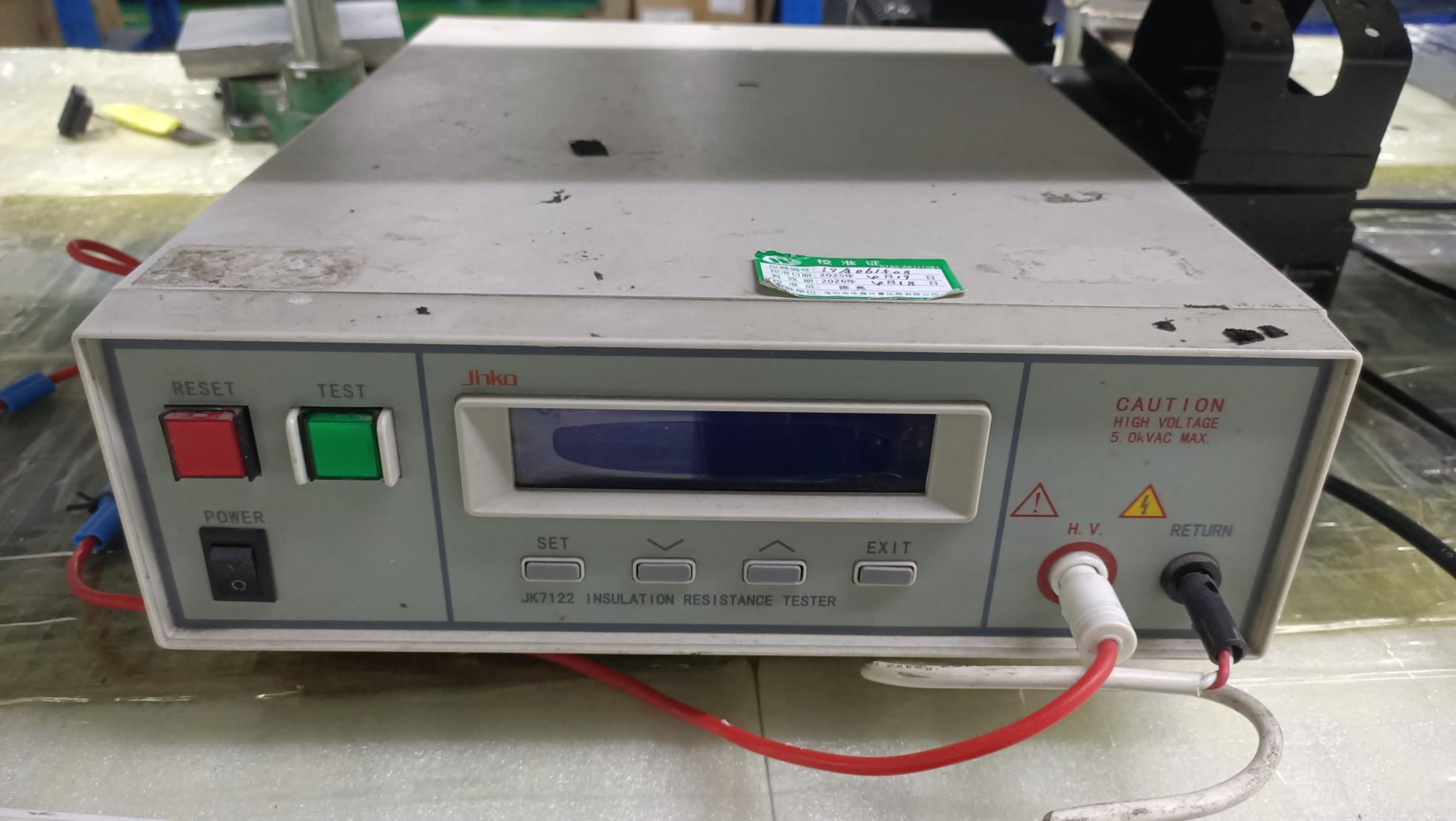
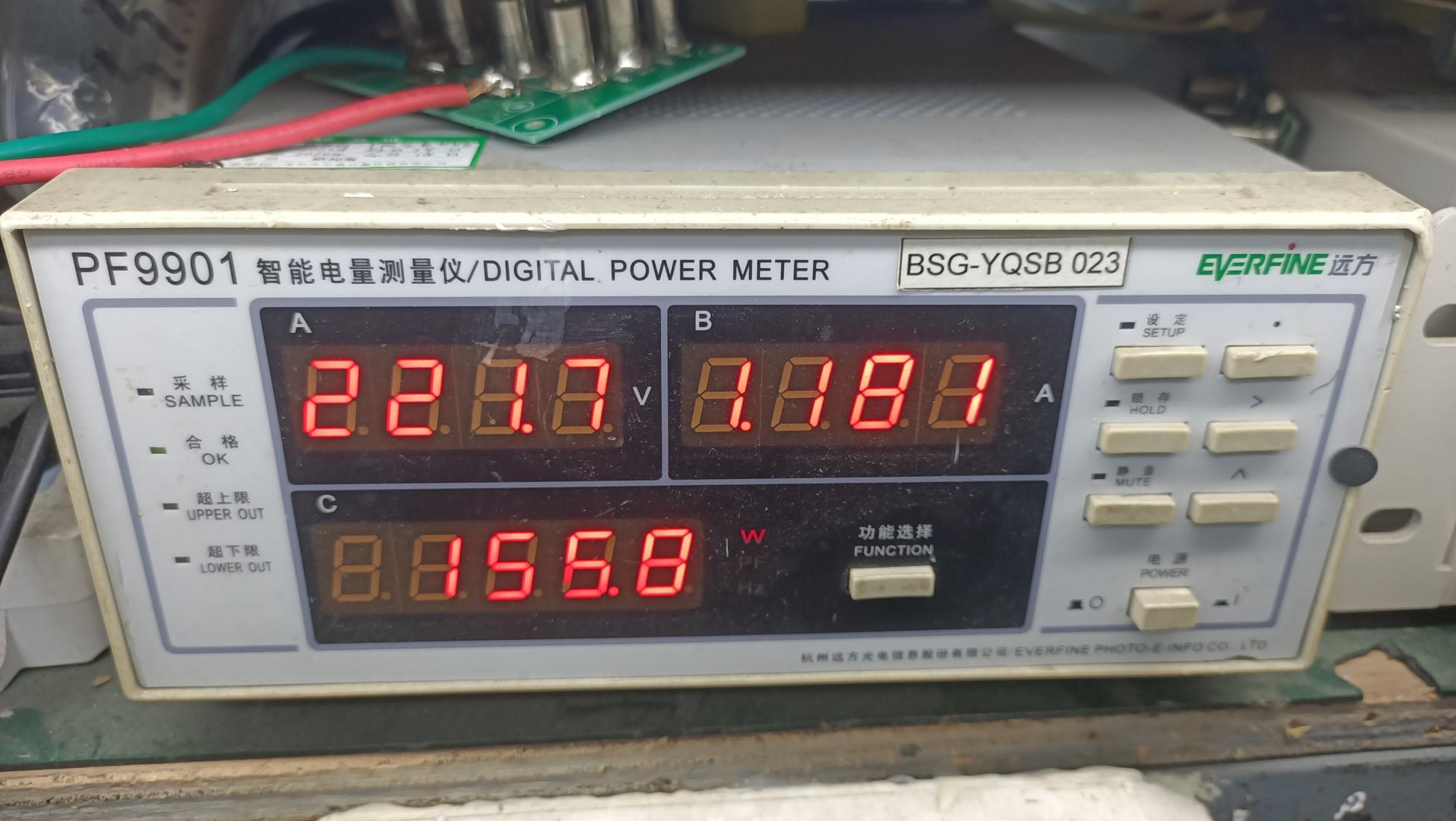
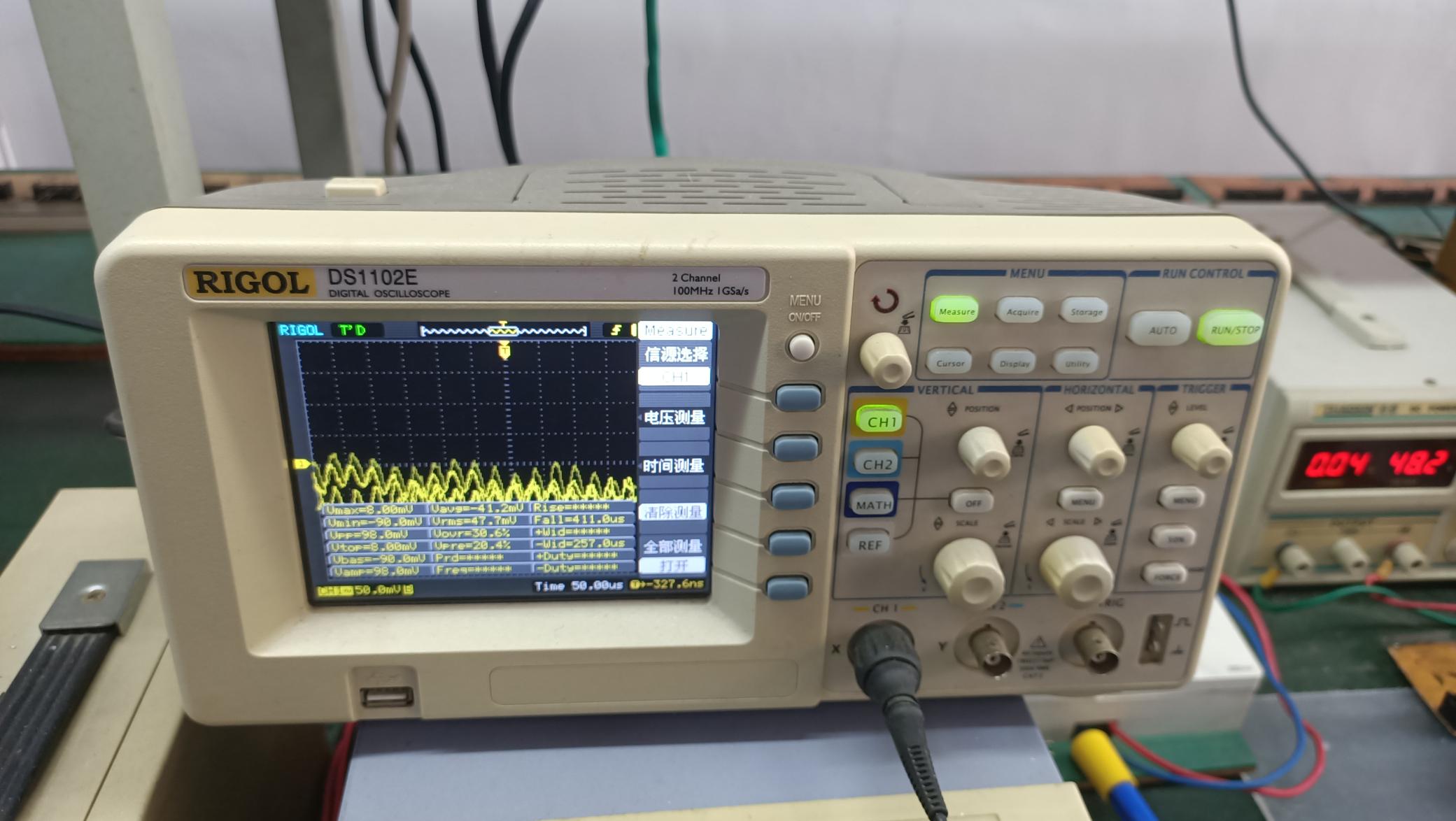
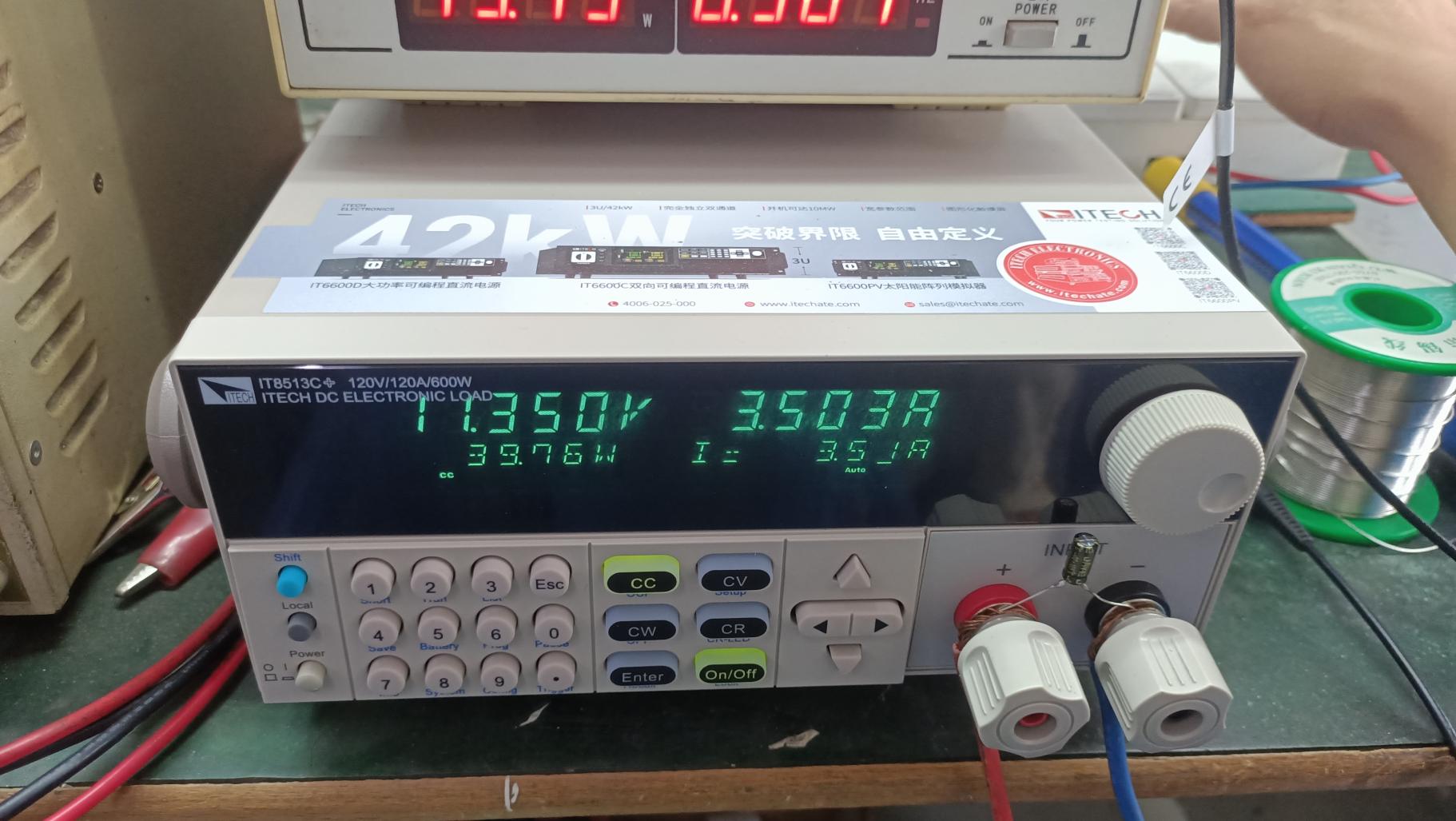
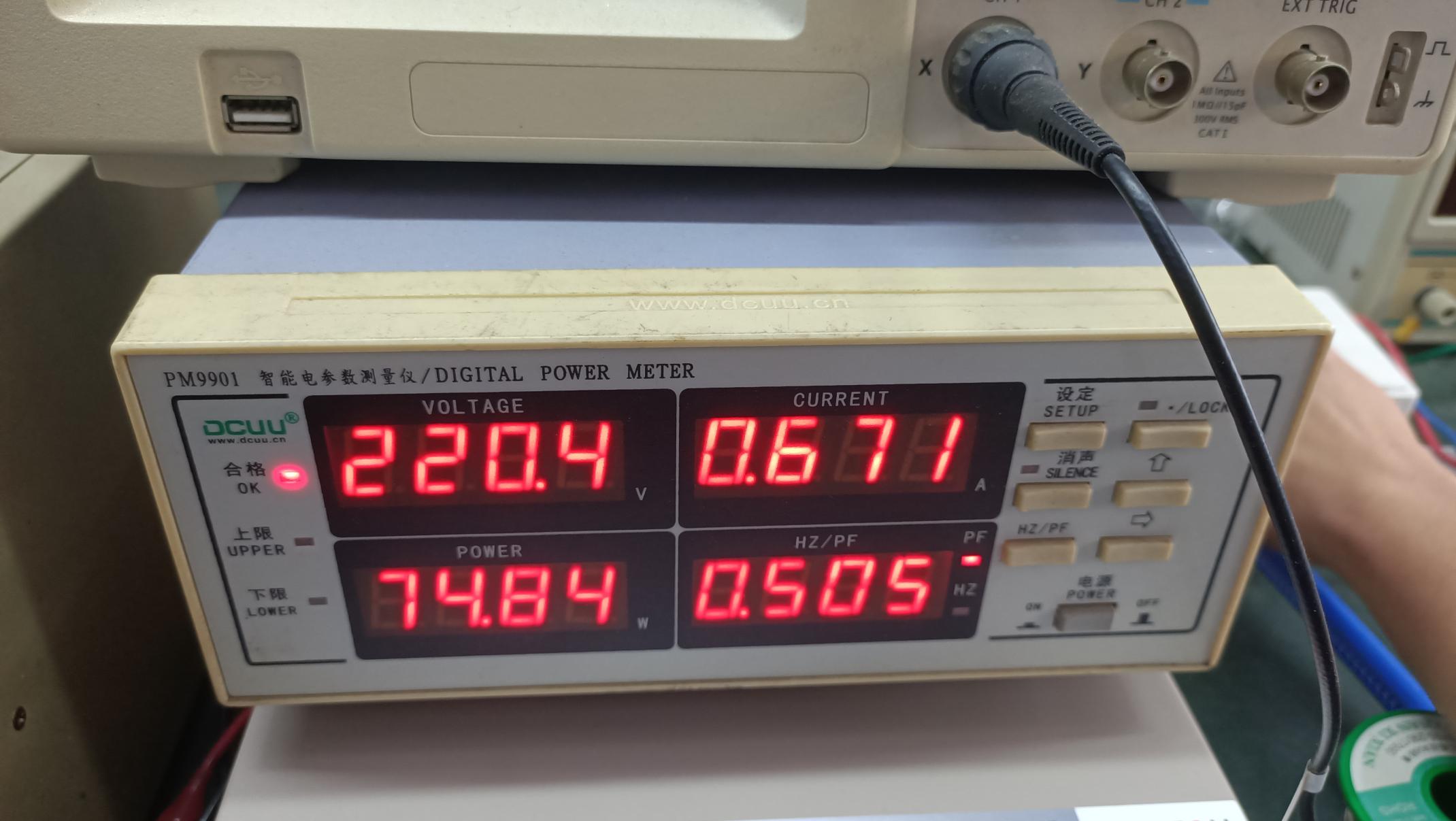
Step inside CN Electronics' production floor. From precision molding and wave soldering to rigorous DC load verification and aging tests, we guarantee operational excellence at every node.

Why Tier-1 global firms choose Shenzhen as their primary hub for AC/DC power converter fabrication and engineering.
Operating within Shenzhen’s high-tech manufacturing core allows us to secure raw magnetic components, copper windings, silicon switches, and custom ICs in real time, drastically reducing prototype and production lead times compared to global competitors.
By leveraging automated tooling—such as automated screwing and resistance molding machinery—we offset manual labor expenses. This structural efficiency permits us to offer competitive margins without degrading internal components like high-temp capacitors and active PFC circuits.
Our in-house R&D team accommodates complex customized topologies. Whether your application requires ultra-low leakage current for medical BF systems, or active PFC circuits for zone-restricted hazard areas, we modify schematics within days, not months.
Our designs align directly with modern international benchmarks. We support global compliance frameworks to facilitate hassle-free import and systems integration.
An engineering breakdown comparing traditional topologies with modern High-Frequency switching systems.
Historically, linear power supplies dominated industry sectors due to their simplicity and low electromagnetic signature. However, their excessive heat output and bulky transformers made them incompatible with high-density designs. Modern systems rely on Switched-Mode Power Supplies (SMPS) utilizing high-frequency PWM switching to minimize magnetic core volume and maximize efficiency.
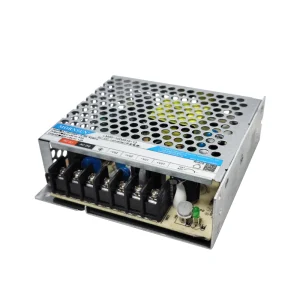
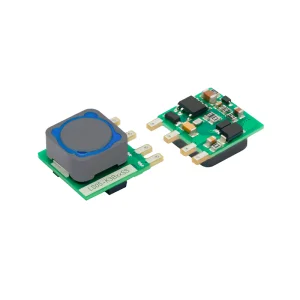
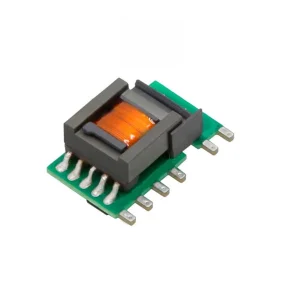
Widely integrated into compact converters (e.g., the LS05 and Mornsun LS05-K3BxxSS series), the flyback design employs a coupled inductor to store energy during the switch conduction phase and release it upon opening. This minimizes component count by eliminating output filter inductors. Our engineers optimize these converters by utilizing quasi-resonant (QR) control schemes, limiting switching losses and ensuring compliance with EN55032 Class B electromagnetic radiation thresholds.
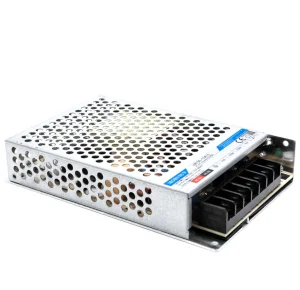
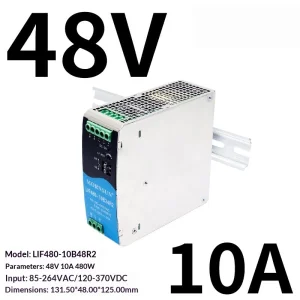
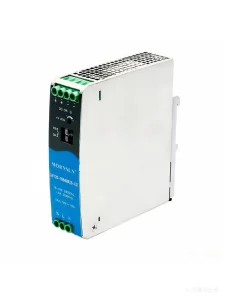
For high-power platforms like the 350W LOF350-20Bxx-C and the 480W industrial DIN rail models, we employ LLC resonant topologies. By utilizing soft-switching (Zero Voltage Switching - ZVS at turn-on and Zero Current Switching - ZCS at turn-off), switching losses are practically eliminated. This topological enhancement allows us to achieve efficiency ratings up to 93.5%, reducing heat generation inside enclosed control cabinets.
AC/DC converters without PFC suffer from low power factor (typically 0.5 to 0.6) and high harmonic distortion, stressing internal distribution components and utility lines. Our active PFC boost converter designs dynamically shape the input current waveform to match the sinusoidal utility voltage, achieving a power factor >0.95. This is crucial for automation systems requiring continuous, high-current draws without injecting line harmonics.
We supply tailormade AC/DC converters for harsh operating environments, heavy machinery, and sensitive clinical systems.
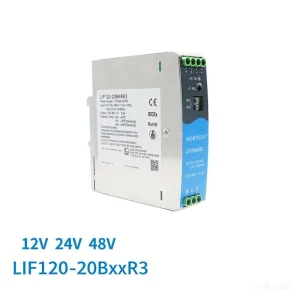
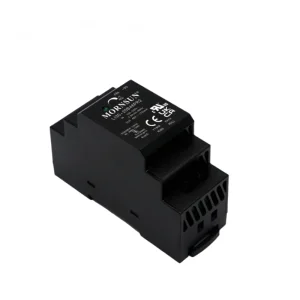
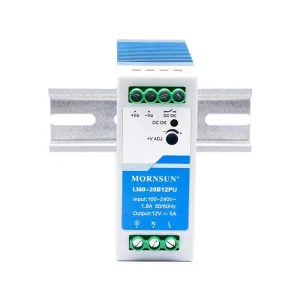
Modern factories utilize PLC boards, communication gateways, and HMI panels that operate on low-voltage DC buses. A single power supply failure can compromise an entire assembly line. Our DIN Rail series (such as the LI75, LI60, and LIF120) features high electromagnetic noise immunity and can withstand transient input spikes up to 300VAC for 5 seconds without damage. These modules are specifically designed to be mounted alongside contactors and VFDs where high inductive switching noise is present.
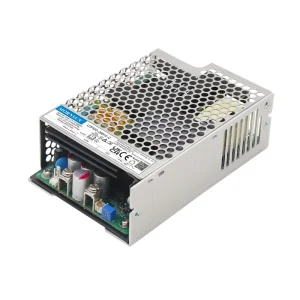
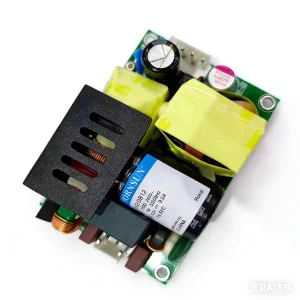
Medical hardware requires strict physical separation between the high-voltage AC input and any sensor in contact with patients. Our medical open frame power supplies (LOF120, LOF200, LOF350) provide 4000VAC safety isolation barriers (2xMOPP) and maintain leakage currents below 0.1mA. These units meet BF (Body Floating) safety criteria, rendering them safe for diagnostic displays, ultrasound devices, and patient ventilation systems.
Environments containing combustible gases require explosion-proof hardware design. Standard power switches can create micro-arcs during operation. The LIF120-10B48R2S-EX features hermetically sealed relays and conformal coating to isolate circuit traces from ambient vapors. Operating under IEC60079 Zone 2 protocols, this model delivers reliable 48VDC power to process sensors in volatile environments.
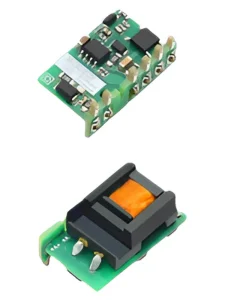
Distributed IoT devices like EV chargers and smart meters require compact, highly efficient power modules that operate continuously in outdoor environments. Our LS05 module series provides wide input tolerances (85-305VAC), allowing them to operate reliably even during grid brownouts or voltage surges. These devices consume less than 0.1W under no-load conditions, assisting smart meters in meeting strict eco-design directives.
A technical checklist to help procurement managers balance electrical characteristics, thermal derating, and safety compliance.
Selecting a power supply based solely on nominal output voltage and current often leads to premature field failures. Engineers must design for worst-case scenarios, evaluating parameters that directly affect the Mean Time Between Failures (MTBF).
Deep engineering solutions to common integration and manufacturing challenges.
Standard AC power grids operate nominally at 110V or 230V, but voltage fluctuations can easily cause line spikes or drops. A 305VAC maximum rating allows converters to tolerate line voltage variations, preventing component breakdown in regions with unstable utility grids.
BF (Body Floating) components are rated for devices that have conductive contact with the patient (such as ECG monitors). CF (Cardiac Floating) certification requires even lower leakage current thresholds (<10µA) and is mandatory for devices that interface directly with the patient's heart.
Active PFC aligns voltage and current phases, reducing reactive power losses and line currents. This minimizes energy utility charges, prevents harmonic overheating in electrical distribution networks, and allows for the use of thinner power cables.
We run every converter through our Automated Test Equipment (ATE) system, followed by full-load burn-in aging racks. Insulation resistance and high-pot testers are used to verify the integrity of isolation barriers before packaging.
Yes. Through our OEM/ODM design process, we can adjust output rails (dual, triple, or isolated outputs), modify form factors, or add custom enclosures to meet specific application requirements.
Browse our second segment of high-reliability converters optimized for demanding applications.