 CN Electronics
CN Electronics
CN Electronics
In the rapidly evolving world of power electronics, DC/DC-Isolated Converters are crucial for various applications. According to a report by MarketsandMarkets, the global isolated DC-DC converter market is projected to reach $5.46 billion by 2025. This growth reflects the increasing demand for efficiency and reliability in power supply systems across diverse sectors. As industrial automation and renewable energy technologies expand, understanding the nuances of these converters is more essential than ever.
The DC/DC-Isolated Converter offers key benefits, such as improved electrical isolation and enhanced power efficiency. Yet, selecting the right converter involves careful consideration of multiple factors. Not every product meets the rigorous standards required for optimal performance. Buyers often face challenges related to specifications, applications, and supplier reliability. Awareness of these aspects is critical for making informed decisions.
The complexity of the market can be daunting. Companies must navigate through varying product quality and performance claims. Some providers may exaggerate features, leading to potential mismatches between expectations and real-world performance. Reflecting on these challenges can lead to better purchasing strategies. Engaging with trustworthy suppliers and relying on comprehensive industry insights enhances reliability. Understanding the strengths and weaknesses of DC/DC-Isolated Converters ensures a smart investment for future needs.
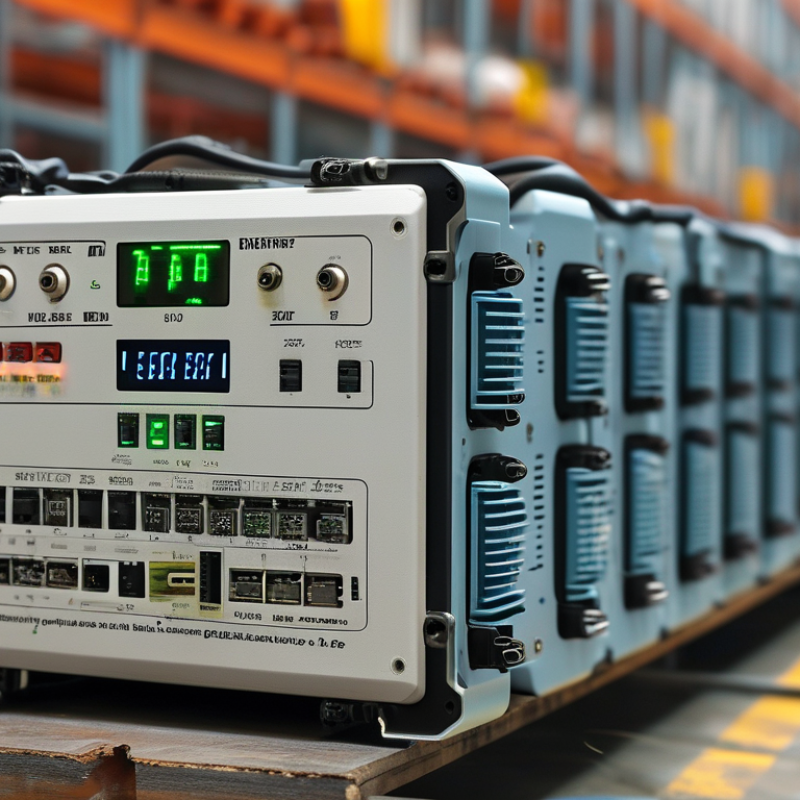
When selecting a DC-DC isolated converter, several key features must be taken into account. Efficiency plays a critical role. A converter with high efficiency minimizes energy loss and reduces heat, which is essential for longevity. Look for models that maintain consistent performance across varying loads. Stability in output voltage ensures that sensitive electronics function properly.
Moreover, consider the isolation voltage. A higher isolation voltage can enhance safety, especially in applications involving high voltage. It prevents unwanted current flow and protects connected devices from potential damage. Packages should be compact yet capable of handling necessary power levels without overheating.
Tips for buyers include checking thermal performance and overall durability. Some converters may appear efficient but fail in extreme conditions. Evaluating user reviews provides insights into real-world performance. It’s valuable to consult with professionals before finalizing a choice. Engaging with experienced engineers can reveal specifications that matter most for your application. Each detail contributes to a converter’s reliability.
: High efficiency minimizes energy loss. It also reduces heat, ensuring the device lasts longer.
A higher isolation voltage enhances safety. It prevents unwanted current flow and protects devices from damage.
Consider thermal performance and durability. Some converters may not perform well in extreme conditions.
User reviews offer insights into real-world performance. They highlight issues that specifications may not reveal.
Common types include flyback, forward, and half-bridge converters. Each type suits different applications.
Effective heat dissipation is crucial. Overheating can lead to failures, even in seemingly efficient models.
Yes, consulting experienced engineers can reveal vital specifications. Their insights help ensure the right selection.
Stability ensures sensitive electronics function properly. Unstable output can damage components or lead to malfunctions.
Isolation protects sensitive components from voltage spikes. It enhances safety, especially in critical applications.
Choosing the right converter affects energy efficiency and longevity. It’s vital to research and select carefully.
When sourcing DC/DC-Isolated Converters, buyers should prioritize several key features to ensure the product meets their specific needs. Understanding the different types of isolated converters available is crucial as it affects their application suitability. Efficiency and performance metrics are also vital; buyers must evaluate these aspects to maximize energy conservation and operational effectiveness.
Additionally, assessing cost-effectiveness is essential in global sourcing to balance quality with budget constraints. Identifying reliable suppliers and manufacturers in the market is the final step that can significantly influence the purchase decision. By following these guidelines, buyers can make informed choices that enhance their projects while ensuring the reliability of their DC/DC-Isolated Converters.
