CN Electronics
Choosing the right AC/DC-Multi Output Power Supply can be a daunting task. Experts emphasize the importance of careful selection in today’s technology-driven world. Renowned specialist Dr. Jane Anderson notes, "Selecting the appropriate power supply is critical for system performance and reliability." Understanding your specific needs is crucial.
AC/DC-Multi Output Power Supplies come in various configurations. Each design offers unique benefits. A mismatch can lead to inefficiencies or system failures. Pay close attention to voltage and current requirements. Not all power supplies are created equal. Some may seem appealing but can lead to complex issues in the long run.
Reflecting on your application is vital. What devices will use the power supply? Are you concerned about efficiency? Different environments may demand custom solutions. Industry choices might feel overwhelming, yet a methodical approach can illuminate the path. Consider expert insights, and align them with your operational needs for the best outcomes.
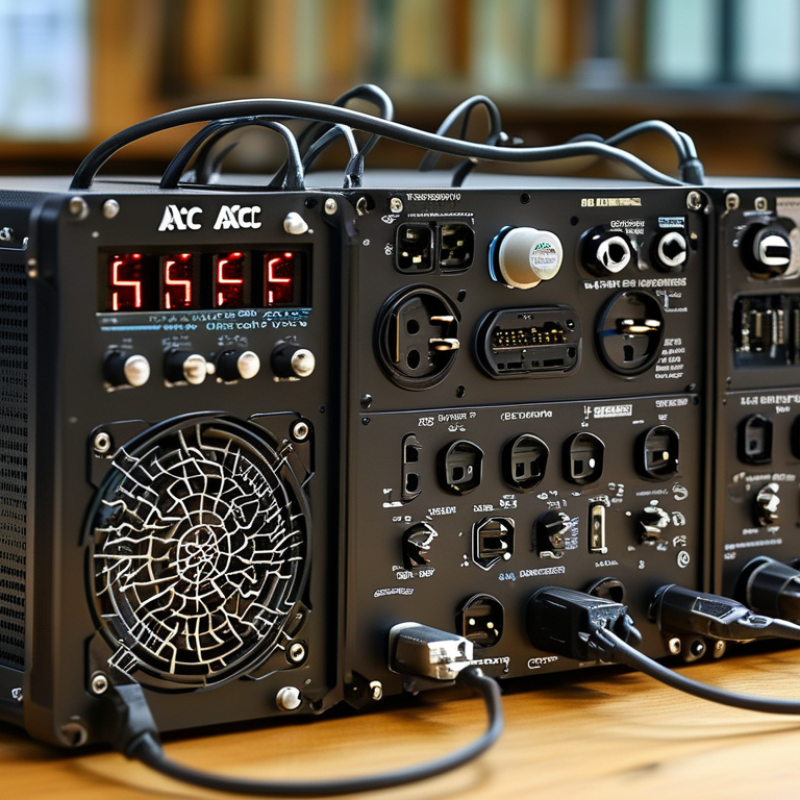
When selecting an AC DC multi-output power supply, it’s essential to understand its basic components. A multi-output power supply provides different voltage levels for various devices. It typically consists of rectifiers, filters, and regulators. Each part plays a vital role in ensuring efficient power delivery. Flawed design can lead to poor voltage regulation, affecting the performance of connected devices.
It's also important to consider the load requirements. Knowing how much current each output needs can help avoid overload. Inadequate capacity may cause overheating or failure. Sometimes, people underestimate the importance of proper load distribution. Over time, this can lead to potential damage, both to the power supply and the devices themselves.
Thermal management is another challenge. These units can generate significant heat, especially under heavy load. Insufficient cooling can lead to decreased efficiency and lifespan. Failing to ensure proper airflow or inadequate heat sinking might hinder performance. By addressing these factors, one can enhance the reliability of their power supply system.
When selecting an AC DC multi-output power supply, understanding your power requirements is critical. Assessing the voltage and current needs of your devices helps ensure compatibility. Each device may have specific voltage levels—common outputs are 5V, 12V, and 24V. Make a list of all devices to avoid overlooking minor components that could pose challenges later.
It's essential to consider the total current draw. If your devices require 3A, you must choose a power supply that can handle more than this to account for fluctuations. A safety margin allows for unexpected increases in power requirements. Don't forget about the connectors; different devices may require different types. This can be frustrating but highlights the importance of thorough preparation.
While it may be easy to dismiss details, neglecting them could lead to device damage or inefficiencies. Always review the power supply's specifications closely. An incorrect choice can cause significant issues, so absorbing all available information is vital. Relying solely on generic guidelines can lead to mistakes. Taking the time to reflect on these requirements can save headaches later, ensuring a well-functioning setup.
Selecting the right AC DC multi-output power supply requires careful assessment of several key features, particularly voltage, current, and efficiency. Voltage compatibility needs to match the specifications of your devices. For instance, mismatched voltages can damage equipment or hinder performance. It's crucial to check the required voltage for all outputs to avoid potential issues.
Current output is equally important. Each device has a specific current requirement. A power supply that cannot deliver sufficient current may lead to malfunction. According to industry reports, many electronic devices operate best with a current margin of at least 20%. This helps prevent overload and ensures smooth operation.
Efficiency ratings play a significant role too. Higher efficiency means less energy wasted, which translates to cost savings over time. Look for efficiency ratings above 85%, as devices operating below this threshold can contribute to higher electricity bills. Additionally, a power supply with good thermal management can prolong the lifespan of your components. Balancing these features is essential for a reliable and cost-effective power solution.
Choosing the right AC DC multi output power supply can be overwhelming. There are various types available, each with unique features and specifications. According to a 2023 industry report by MarketsandMarkets, the global power supply market is projected to reach $30 billion by 2025, indicating a growing demand for reliable power solutions.
Linear power supplies are known for their low noise and stability. They are ideal for sensitive applications. However, they tend to be heavier and less efficient. Switching power supplies, on the other hand, are lighter and more efficient, making them suitable for a range of electronic devices. A report from Allied Market Research mentions that switching power supplies hold over 60% of the market share due to their versatility.
When evaluating options, consider voltage regulation and load capacity. The right supply should meet your specific power requirements. However, too often users overlook these details, potentially leading to equipment damage or inefficiencies. Always assess the quality and certifications of the power supply to ensure reliable performance. Missing these aspects can result in costly mistakes.
Choosing the right AC DC multi-output power supply is critical for any project. Safety standards and certifications should be at the forefront of your decision-making process. Look for products that comply with established standards, such as IEC, UL, or CE certifications. These labels indicate that the product has gone through rigorous testing. This can help ensure safety during operation and reduce the risk of electrical hazards.
Understanding the specific safety features is equally important. Overcurrent protection, thermal shutdown, and short-circuit protection are essential features to consider. Each of these elements contributes to the overall safety of your system and the longevity of the power supply. If a power supply lacks these certifications or features, it may lead to failures or even worse, fires.
It's important to recognize that not all manufacturers prioritize safety in the same way. Some may claim compliance without substantial proof. Always verify certifications directly through regulatory websites. This small step could save you from future headaches. It’s a challenge to balance product choice with reliability. Yet, it's a necessary process. Prioritizing safety will always pay off in the long run.
| Parameter | Description | Importance | Examples of Standards |
|---|---|---|---|
| Output Voltage | Output voltage levels that the power supply can provide. | Critical for device compatibility. | IEC 62368-1 |
| Output Current | Maximum current that the power supply can deliver per channel. | Essential for performance under load. | UL 60950-1 |
| Efficiency Rating | Measures how much input power is converted to output power. | Higher efficiency reduces energy waste. | 80 PLUS Certification |
| Cooling Method | Type of cooling used in the power supply (active or passive). | Influences reliability and lifespan. | N/A |
| Safety Certification | Confirm that the power supply meets safety standards. | Ensures safe operation and protects devices. | CE, FCC, RoHS |
C DC multi-output power supply?
Assess how much current each output needs to avoid overload and ensure device longevity.
These units generate heat, and poor cooling can decrease efficiency and lifespan.
Common outputs are 5V, 12V, and 24V, but review your specific device needs carefully.
Overcurrent protection, thermal shutdown, and short-circuit protection are essential for safety.
Verify certifications directly through regulatory websites to ensure compliance and safety.
An incorrect choice can cause inefficiencies or damage to your devices, leading to headaches.
Neglecting it can lead to system damage and may result in unexpected failures over time.
Different devices may need various types of connectors; being prepared can prevent frustration.
Compliance with standards ensures rigorous testing, reducing risks and enhancing operation safety.
When selecting an AC/DC Multi Output Power Supply, it is essential to understand the foundational aspects that dictate its functionality. Begin by identifying your power requirements, as compatibility with your devices is crucial. Evaluating key features such as voltage, current ratings, and overall efficiency will help you determine which power supply will best meet your specific needs.
Additionally, it is important to compare different types of AC/DC Multi Output Power Supplies to ensure you are making an informed choice. Don't overlook the significance of safety standards and certifications, as they guarantee the reliability and safety of the power supply in various applications. By carefully considering these factors, you can select the most suitable AC/DC Multi Output Power Supply for your requirements.
