CN Electronics
In the rapidly evolving world of electronics, choosing the right DC/DC-Non-Isolated Converter is crucial. John Smith, a leading expert in power electronics, once remarked, "Selecting the right converter can make or break your project." This highlights the importance of making informed decisions.
DC/DC-Non-Isolated Converters come in various types and specifications. Users often face challenges in identifying the best option for their specific needs. Efficiency, size, and cost are key factors to consider. Understanding these aspects helps avoid common pitfalls. Many overlook the impact of ripple voltage and transient response. These elements can significantly affect performance.
Knowledge is essential in this domain. However, even experts continue to learn. The technology is constantly advancing, which adds layers of complexity. Sometimes, the best choice is not immediately clear. Being aware of these uncertainties can lead to deeper insights. Exploring options and asking questions often reveal surprising solutions. Choosing the right DC/DC-Non-Isolated Converter is a journey, not just a decision.
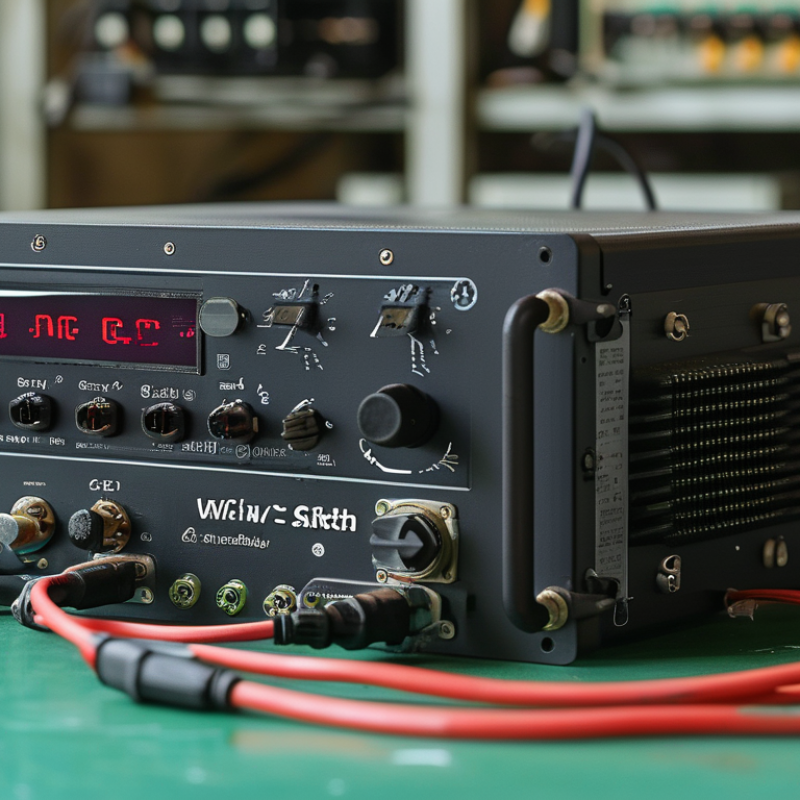
DC-DC non-isolated converters are integral in powering devices efficiently. They convert one DC voltage level to another without galvanic isolation. This design significantly reduces costs and enhances energy efficiency. According to a report by Allied Market Research, the global market for DC-DC converters is projected to reach $35.12 billion by 2027, highlighting their growing importance in electronic applications.
These converters come in various types, including buck, boost, and buck-boost converters. Each serves specific needs. Buck converters step down voltage, while boost converters increase it. Understanding these distinctions is crucial for selecting the right converter for your application. The efficiency of these devices can often exceed 95%, but it depends on load conditions and design. In real-world applications, however, efficiency can be impacted by heat dissipation and component selection.
Practicality is a key concern. Some designs may lack optimal performance due to varying loads or input voltage fluctuations. Furthermore, users may underestimate the impact of circuit layout and parasitic inductance. Addressing these factors can help in achieving the desired performance. Thus, when choosing a DC-DC non-isolated converter, one must consider not only specifications but also the overall application environment and requirements.
When selecting a DC-DC non-isolated converter, understanding key specifications is essential. The input voltage range is critical. It must match your application's requirements. If the input varies, ensure the converter can handle the range. Output voltage and current ratings are also vital. Choose a converter that delivers stable output under different loads. This stability prevents downstream device failures.
Efficiency plays a significant role in performance. Higher efficiency means less wasted energy, which can improve thermal management. It’s important to evaluate the converter's efficiency rating under your operating conditions. Thermal performance specifications should not be overlooked. Effective heat dissipation strategies. Better thermal management can prolong the lifespan of the converter.
Consider the size and packaging as well. Some applications may need compact designs to fit limited spaces. However, smaller units may have trade-offs, such as lower power ratings or less heat dissipation capacity. Review the reliability history of the converter as well. Look for reviews or reports indicating long-term performance. These factors are often underplayed but are crucial for making the right selection.
Identifying your power requirements is crucial when selecting a DC-DC non-isolated converter. This type of converter plays a vital role in various applications, from consumer electronics to renewable energy systems. Understanding the voltage and current specifications needed for your device will streamline the selection process. Many industry reports indicate that converters with higher efficiency ratings can significantly reduce operational costs. For instance, a study by the International Energy Agency shows that even a 5% gain in efficiency can lead to over 10% reduction in energy consumption over the device's lifetime.
Choose a converter that matches your output specifications. Consider the input voltage range as well. Oversizing the converter can lead to inefficiencies and unnecessary costs. In contrast, undersizing may result in thermal issues or component failure. According to a recent report from Mordor Intelligence, market trends suggest that most businesses expect their power supply systems to evolve, demanding more robust converters capable of handling increased loads.
Think about the environment where the converter will operate. High temperatures or exposure to dust can affect reliability. Gathering data on your application helps in making informed choices. Knowing your power requirements is the foundation of efficient conversion. Evaluate your options based on reliable data and align them with your project goals.
When selecting a DC-DC non-isolated converter, understanding efficiency ratings is crucial. Efficiency indicates how much input power is converted into usable output power. Higher efficiency reduces energy waste, leading to lower operational costs. However, achieving maximum efficiency may require a balance with other design factors.
Thermal management is another significant consideration. All electronic components generate heat during operation. If not managed properly, excessive heat can lead to component failure. Active cooling methods, such as fans, can be effective but may add weight and complexity. Passive cooling, like heat sinks, is simpler but may have limitations under high load conditions.
Tips for optimizing efficiency: Keep your input and output voltage levels as close as possible. This minimizes power loss in the conversion process. Monitor component temperatures regularly to ensure they remain within safe limits. Always consider both efficiency and thermal management when designing your system to improve overall performance.
| Parameter | Value 1 | Value 2 | Value 3 |
|---|---|---|---|
| Input Voltage Range (V) | 4 - 30 | 10 - 36 | 15 - 60 |
| Output Voltage Range (V) | 0.8 - 15 | 1 - 24 | 5 - 30 |
| Output Current (A) | 3 | 5 | 10 |
| Efficiency (%) | 85 | 90 | 95 |
| Thermal Management | Passive | Active | Hybrid |
When selecting the right DC-DC non-isolated converter, understanding different topologies is crucial. Buck converters are popular for stepping down voltage efficiently. They have a simple design and can achieve high efficiency, but they may struggle with load transients. Boost converters, on the other hand, step up voltage and are ideal for battery-powered devices. However, they may introduce more complexity in control and stability.
Another option is the buck-boost converter, which offers flexibility by allowing both step-up and step-down conversions. This can be beneficial in applications where input voltage varies significantly. Yet, these converters can be less efficient and larger, which might not suit compact systems.
Additionally, choosing a converter requires an analysis of power rating, thermal performance, and dynamic response. Often, engineers must compromise between efficiency and size. Some converters may excel in one area, failing in another. Taking time to simulate performance under actual operating conditions is essential. While online resources can provide insights, hands-on testing will offer the best understanding of how a selected converter will perform in real applications.
: It converts one DC voltage level to another without galvanic isolation. This design enhances energy efficiency.
Buck, boost, and buck-boost converters are common. Each type serves specific voltage needs.
Efficiency can exceed 95%. However, real-world conditions may impact performance.
Load variations and input voltage fluctuations can impact their effectiveness. Parasitic inductance also plays a role.
Input and output voltage ranges are critical. Ensure the converter meets your application's specific needs.
Excessive heat can lead to component failure. Effective cooling strategies are essential for longevity.
Keep input and output voltages close to minimize losses. Regularly monitor component temperatures.
Smaller units may fit tight spaces but could have lower power ratings and heat dissipation.
Look for reviews and performance reports. Long-term reliability should not be overlooked.
Don't underestimate the impact of circuit layout. Also, ensure proper thermal management in your design.
When choosing the right DC/DC Non-Isolated Converter, it's essential to start by understanding the fundamentals of these devices. Key specifications such as input and output voltage ranges, current ratings, and switching frequency must be considered carefully to ensure compatibility with your application. Identifying your power requirements is crucial for efficient energy conversion, as it directly impacts performance and reliability.
Additionally, evaluating efficiency ratings will help you select a converter that minimizes energy loss, while thermal management options should also be assessed to prevent overheating. Finally, comparing different DC/DC topologies, such as buck, boost, and buck-boost converters, enables you to find the most suitable solution for your specific needs. Overall, a thorough analysis of these factors will guide you in selecting the optimal DC/DC Non-Isolated Converter for your project.
